


Background
For more than twenty-five years, the brutal murders of the Miyazawa family in Tokyo’s Setagaya Ward has remained one of Japan’s most infamous unsolved crimes. The case continues to haunt the Tokyo Metropolitan Police Department (TMPD). Despite an abundance of evidence found at the scene, including the killer’s DNA and fingerprints, the perpetrator has never been identified.
An Ordinary Family
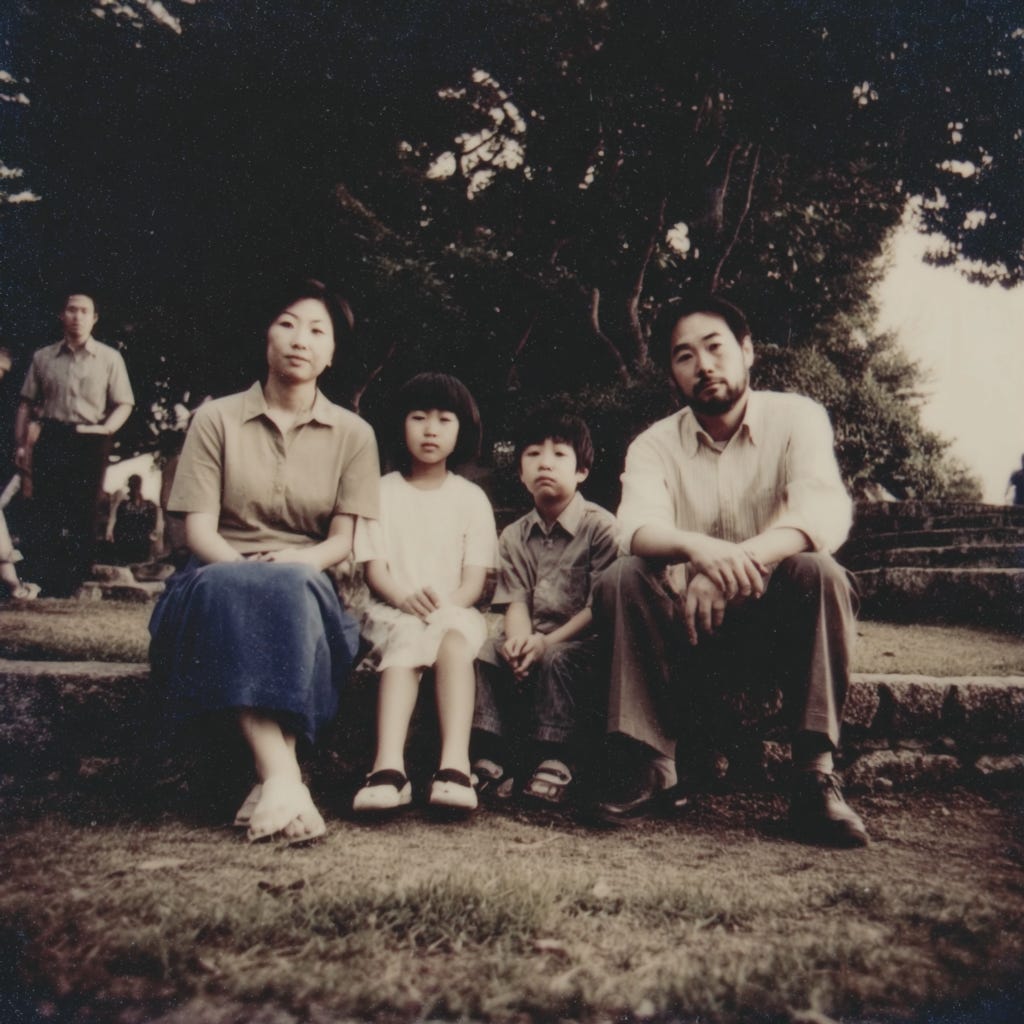
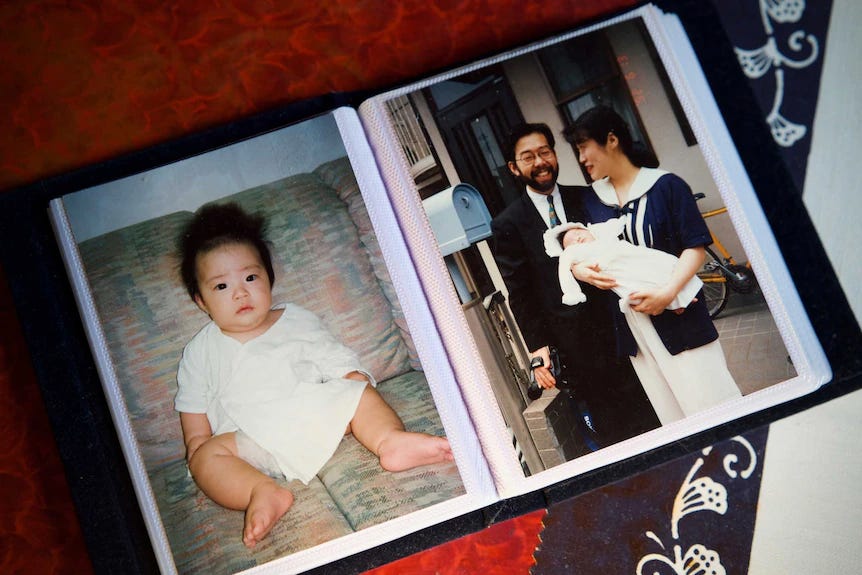
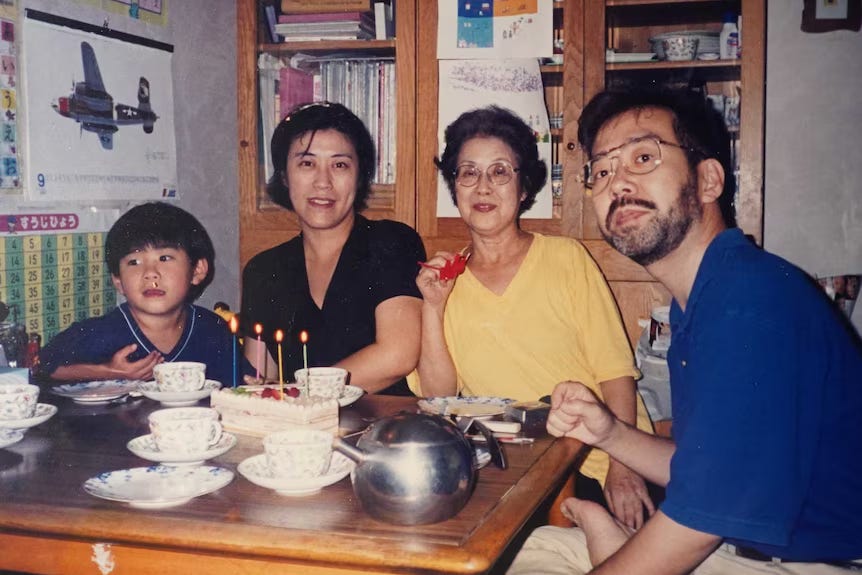
44-year-old Mikio Miyazawa was a husband and father who worked as a corporate professional. He was also described as someone who loved animation and had been active in puppet and other theatrical performances when he was younger.
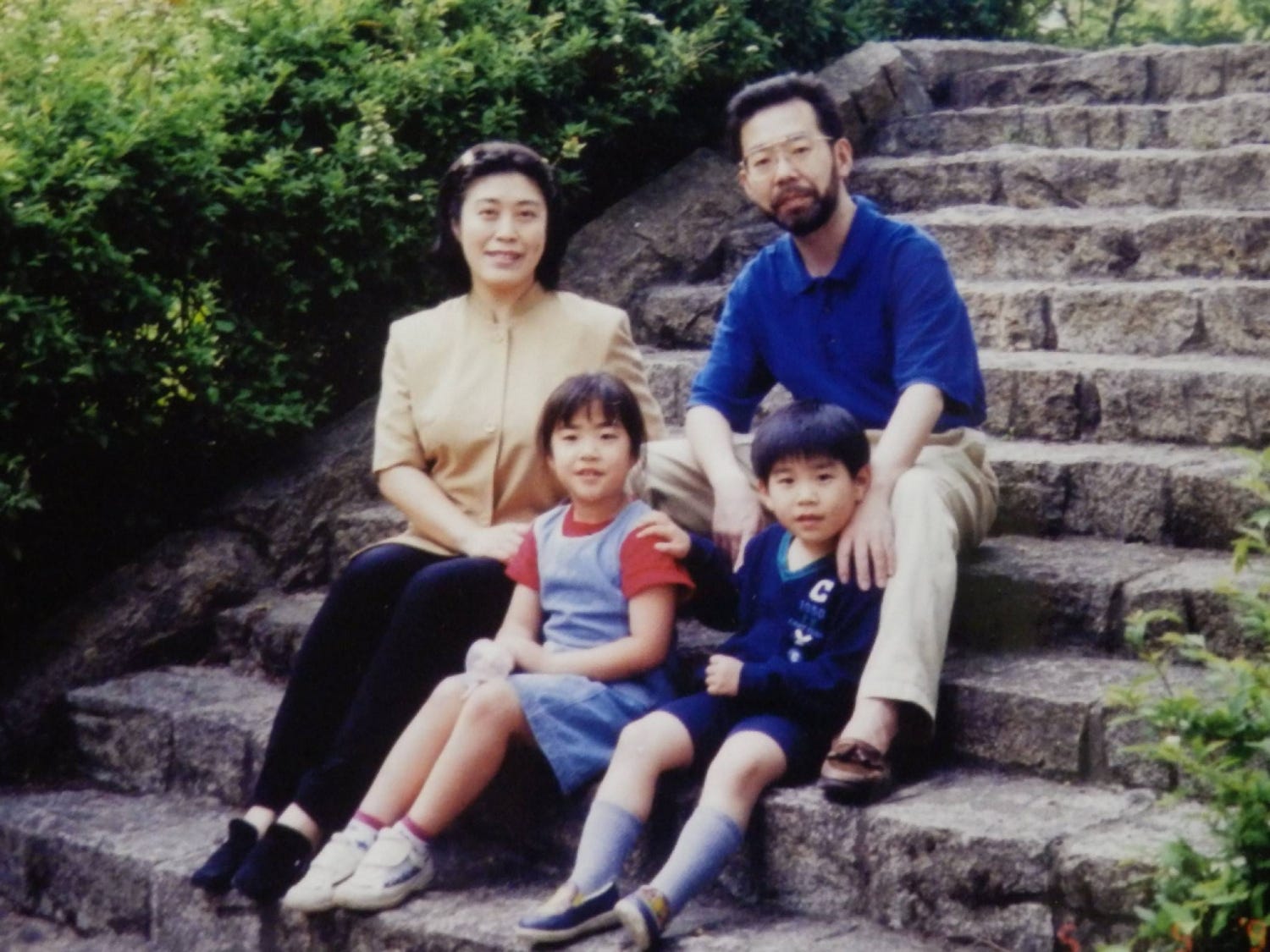
His wife, Yasuko, was 41 and ran a cram school from the family home. Their daughter Niina was 8 years old, a second-grade student in Setagaya who enjoyed ballet and piano. Their son Rei was 6 and attended a public kindergarten in Setagaya. ABC later reported that Rei lived with a mental disability and that his family cared for him with deep love and support.
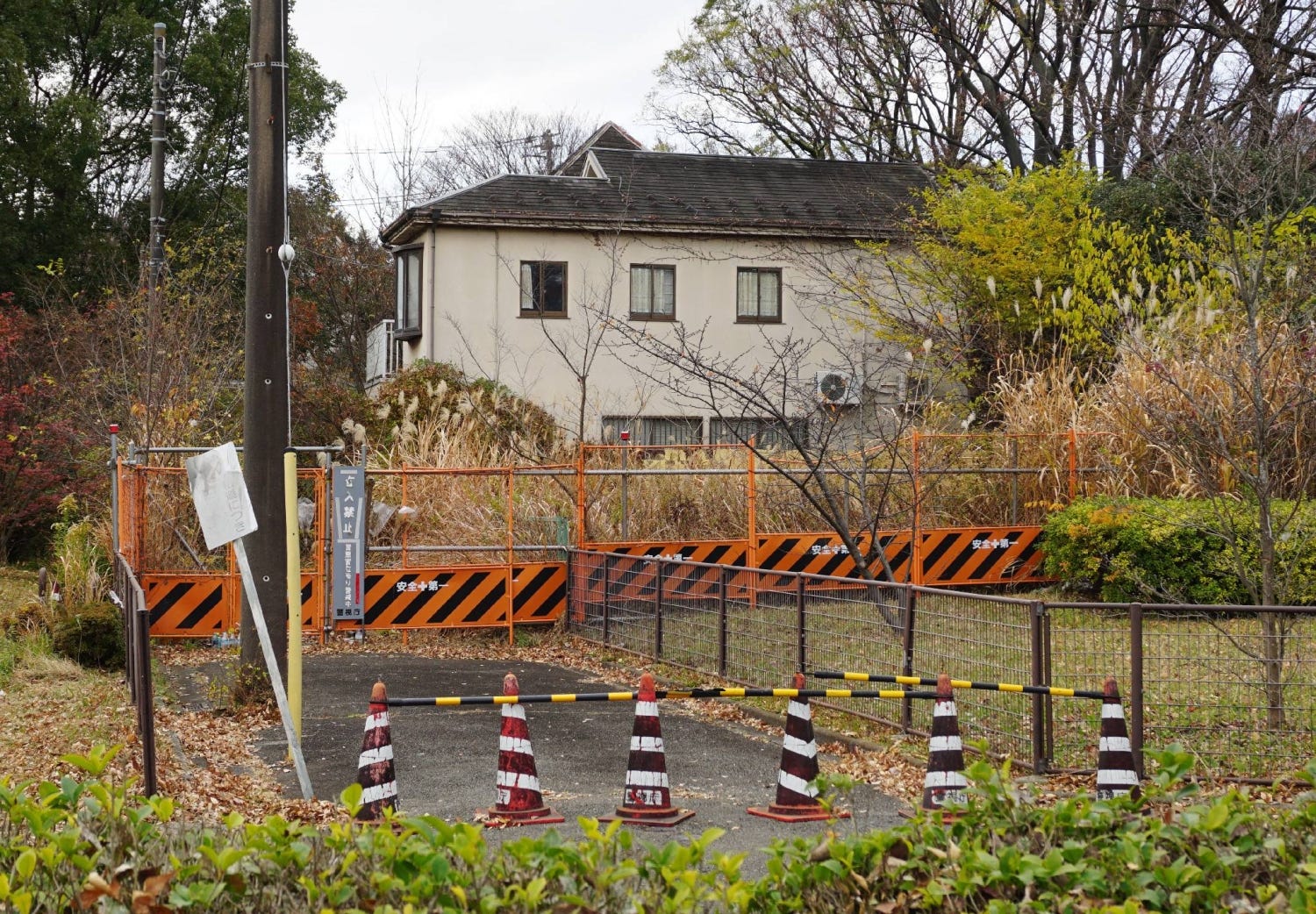
The Mayazawas lived in the Kamisoshigaya neighborhood of Setagaya, Tokyo. Reports described the family’s home as being in an unusually isolated spot. The house stood beside Metropolitan Soshigaya Park, with the Senkawa River to the west, and at the time of the crime, the neighborhood had mostly been cleared for the park’s planned expansion. Only four houses, including the Miyazawas’, remained in the area.
From everything later shared about them, the Miyazawas seemed like an ordinary family living an ordinary life. There was nothing that could predict or indicate the horror that was to befall them.
Murders
According to the police and later reports, the Miyazawa family had spent December 30th, 2000, in an ordinary way. They went shopping near Chitose Karasuyama Station earlier in the day, then returned home and spent the evening eating dinner and watching television together. There was seemingly nothing unusual about the night that would lead to one of Japan’s most infamous unsolved murder cases.
Sometime after 11 p.m. that night, someone snuck into the Miyazawas’ home through the open window of a second-story bathroom. The intruder then strangled 6-year-old Rei with his bare hands before using knives to stab the other three to death.
One of the stranger aspects of the case is that it was learned the killer remained in the house for hours after the murders. He used the family’s computer, ate at least four ice creams and other food items, and drank several bottles of tea, all while the bodies of the family lay nearby.
The next morning, the children’s maternal grandmother, Haruko, who lived next door, became concerned when she could not reach the family by telephone. When she went over to the house and got no response, she opened the door and found Mikio slumped near the bottom of the staircase by the front entrance.
Haruko then went upstairs and found Yasuko and Niina, both of them stabbed repeatedly. In Rei’s bedroom, she found the six-year-old still in bed. He had been strangled. Police believed he may have been the first to die. Haruko then called the police.
Investigation and Clues
Although the case remains unsolved, investigators recovered an extraordinary amount of evidence, including blood, DNA, and fingerprints. Official police materials say the killer was male, had Type A blood, probably injured his hands during the murders, was around 170 centimeters tall, wore large-sized clothing, was slim, and was probably right-handed. The belt length on the hip bag left behind led police to estimate a waist of around 70 to 75 centimeters.
Police also determined from footprints that the suspect wore 27.5-centimeter (U.S. men’s 9.5-10.5) Slazenger shoes believed to have been manufactured in South Korea. Shoes of that size were never sold on the Japanese market. That detail became one of the most discussed clues in the case.
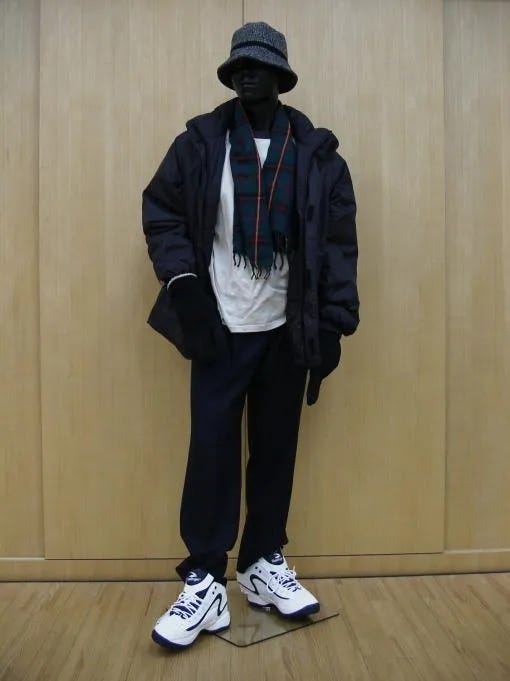
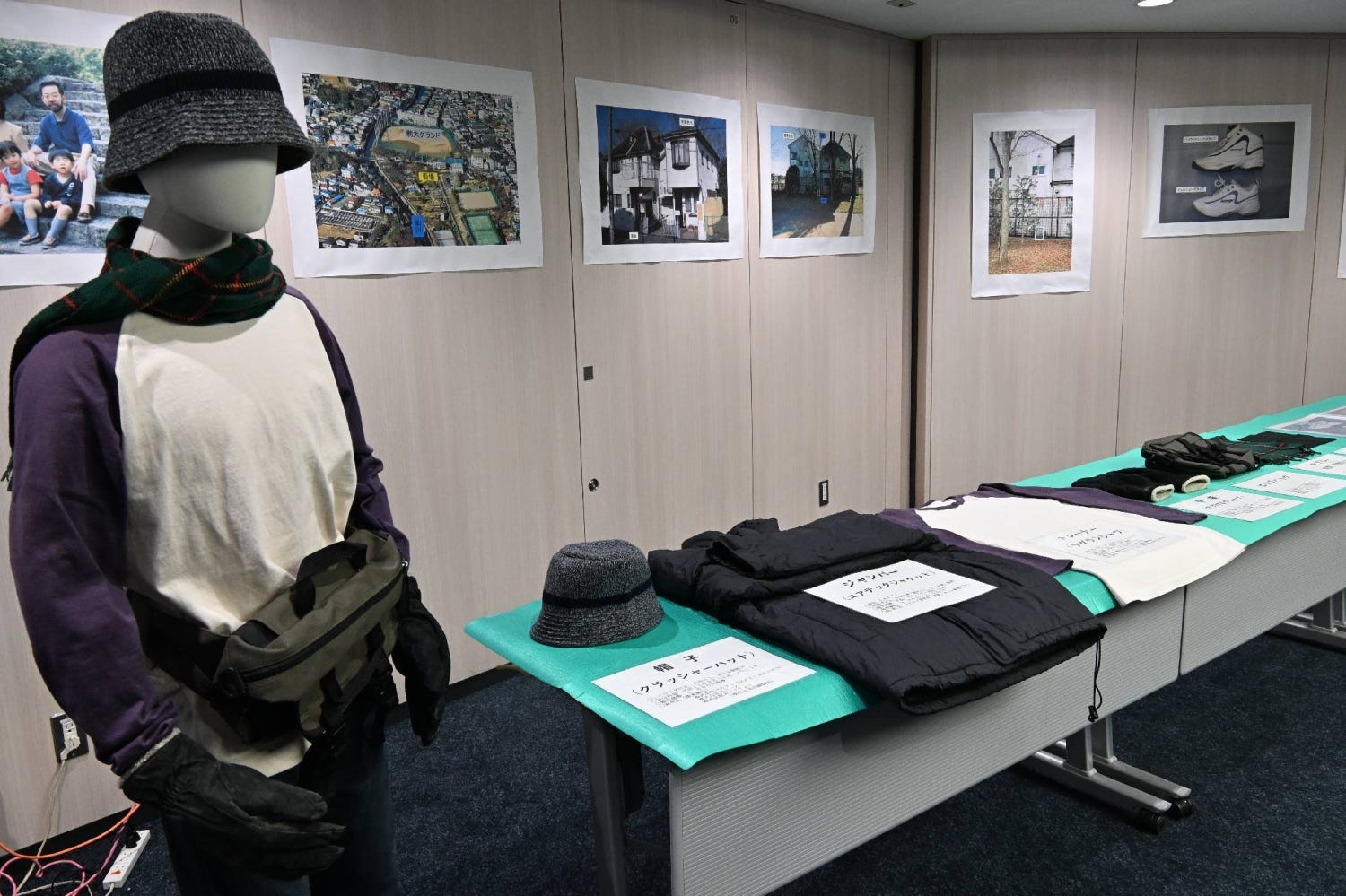
The clothing and personal items abandoned at the scene gave investigators even more to work with. Police publicly released information about a gray knitted crusher hat, a black jacket, gloves, a scarf, two handkerchiefs, a hip bag, and a kitchen knife sold under the trade name “Seki Magoroku, Ginju.” Police also said perfume ingredients matching Drakkar Noir were detected in the bag and on the handkerchiefs.
One of the most notable clues in the case was the sweatshirt left behind by the killer. Police said that only 130 of that specific shirt had been sold, and that purchasers for only 12 of those shirts had been identified. The shirt had been sold in 41 stores across 14 prefectures.
On April 9, 2001, the 100th day after the murders, a stone Buddhist statue was placed by someone on the opposite side of the Senkawa River west of the crime scene. Police said it was not known whether the statue had been placed there innocently or by the killer, or by someone close to the killer, but they considered it significant enough to include in their continuing public requests for information.
For all the evidence left behind, the case remains unsolved. That is what continues to make the Setagaya murders so frustrating and so haunting. Investigators seem to know a great deal about the person who did this — his approximate size, his clothes, his blood type, his shoes, his habits, and even some of the items he touched — and yet they still do not know his name.
Current Status
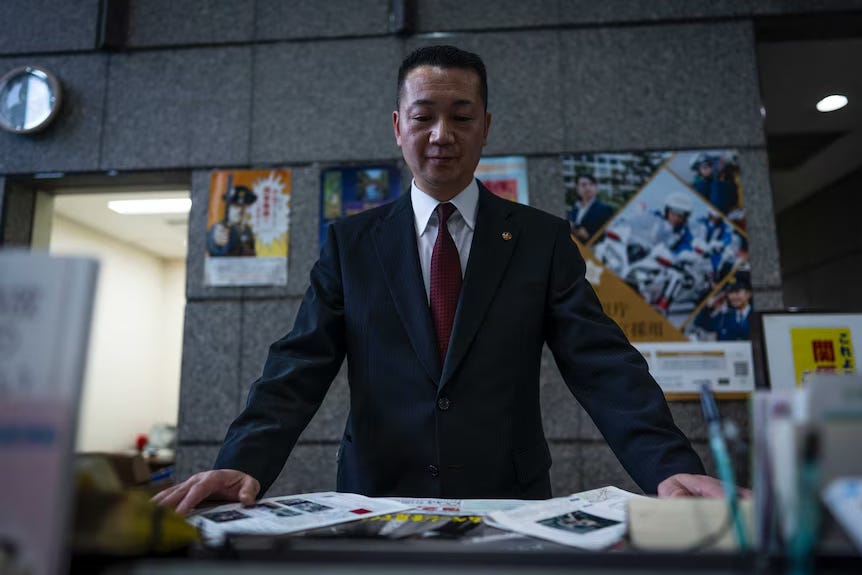
The case remains open, and the TMPD still lists it under its official title: The Robbery and Quadruple Murder of a Family in Kami-soshigaya 3-chome. There are still officers actively assigned to the investigation. Each year, the TMPD visits the house for memorial ceremonies.
The police page was updated on January 30, 2026, and authorities are still offering a total reward of up to 20 million yen for information leading to the arrest of the perpetrator. The current reward period listed on the page runs from December 16, 2025, to December 15, 2026.
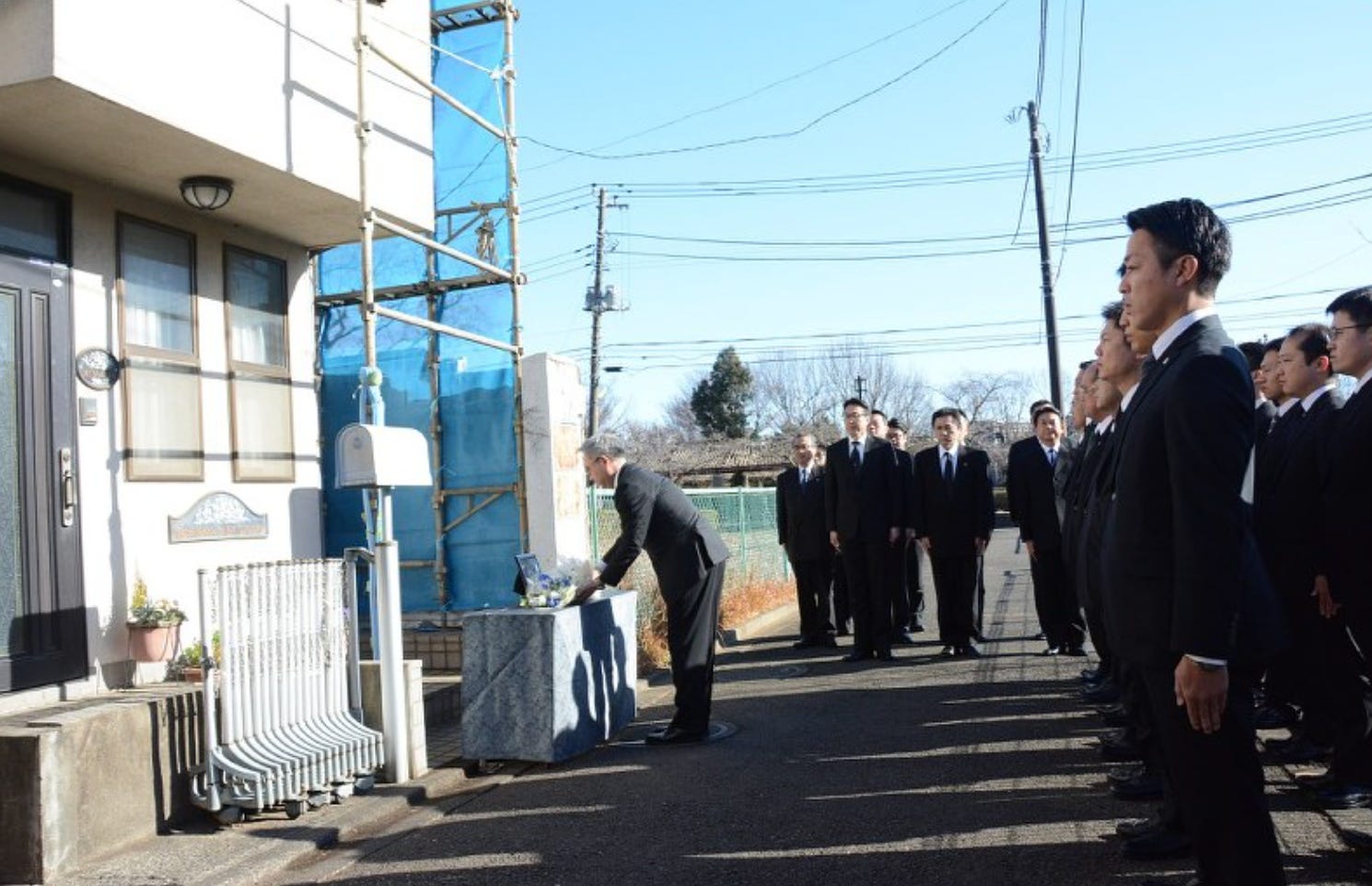
More than twenty-five years later, the murders still occupy a dark place in the public imagination. A family of four was killed inside their own home on the eve of the New Year. The killer remained behind, left a remarkable amount of evidence, and then vanished. Years have passed, but the central horror of the case has not faded.
Most people who follow the case believe the answer still lies somewhere among the things left behind that night: the clothes, the footprints, the blood, the knife, the computer activity, and the hours the killer spent inside that house. Until those pieces finally come together, the murders of the Miyazawa family will remain one of Japan’s most chilling unsolved crimes.
Sources:
“Police continue searching for killer of Setagaya family 25 years on.” The Japan Times, 30 December 2025, https://www.japantimes.co.jp/news/2025/12/30/japan/crime-legal/setagaya-murder-search/
Hernon, Matthew. “The Setagaya Family Murder Case | On This Day in Japan.” Tokyo Weekender, 30 December 2025, https://www.tokyoweekender.com/art_and_culture/history/the-setagaya-family-murder-case/
“Shirt may be linked to family’s killer.” The Japan Times, 4 January 2001, https://www.japantimes.co.jp/news/2001/01/04/national/shirt-may-be-linked-to-familys-killer/
“One person killed family, police say.” The Japan Times, 7 January 2001, https://www.japantimes.co.jp/news/2001/01/07/national/one-person-killed-family-police-say/
