


Background
A Georgia farm girl with a difficult upbringing who dreamed of fashion, fame, and fortune would eventually have everything she desired and more, thanks to her marriage to a wealthy businessman. She would come to be known as one of Houston’s most elite socialites and philanthropists.
After making a name for herself, she took in her troubled nephew at her sister's request. Rumors and scandal began to swirl, though she did her best to contain them. Then, one early morning in June 1964, she discovered her husband brutally murdered in a luxury Florida apartment.
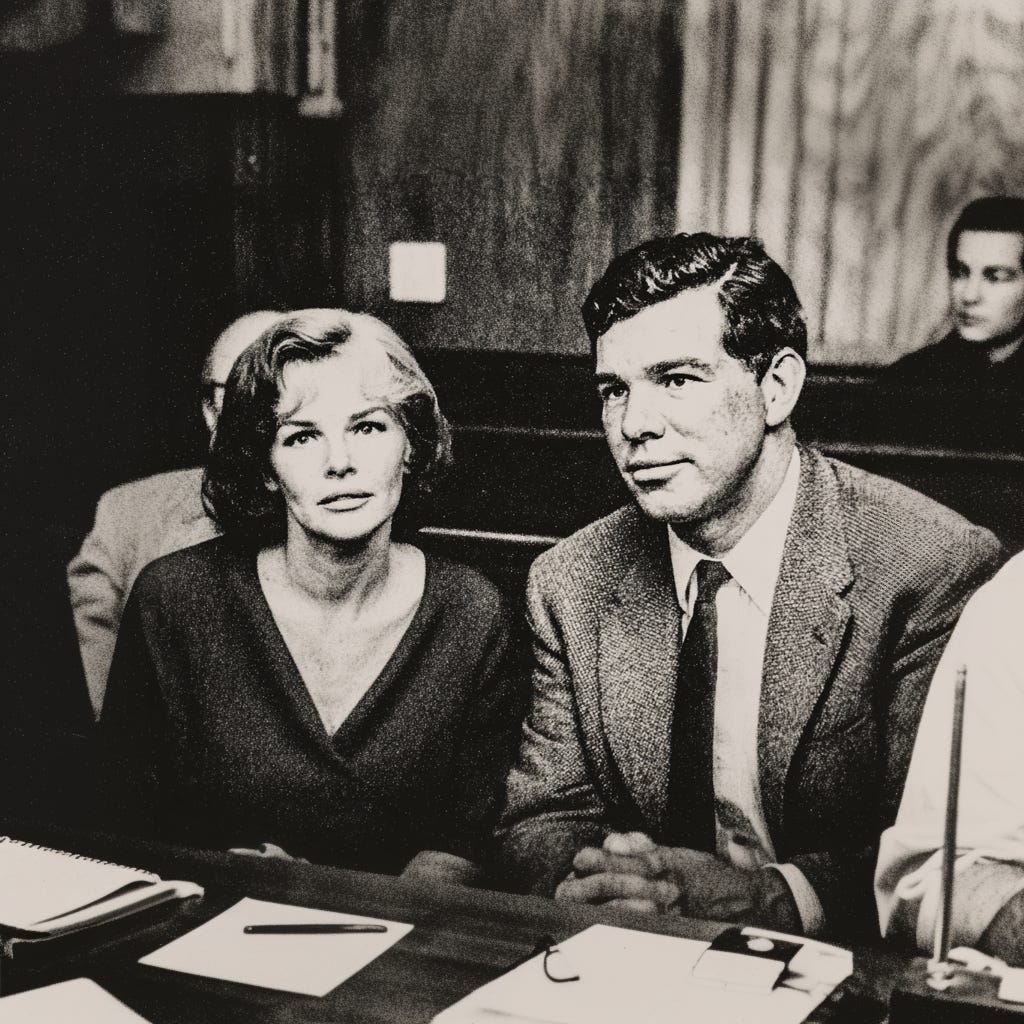
Candace “Candy” Mossler and her nephew, Melvin Powers, would find themselves on trial for murder and fighting for their lives. It was one of the most high-profile trials of its day, and the results left many in the public stunned.
Humble Beginnings
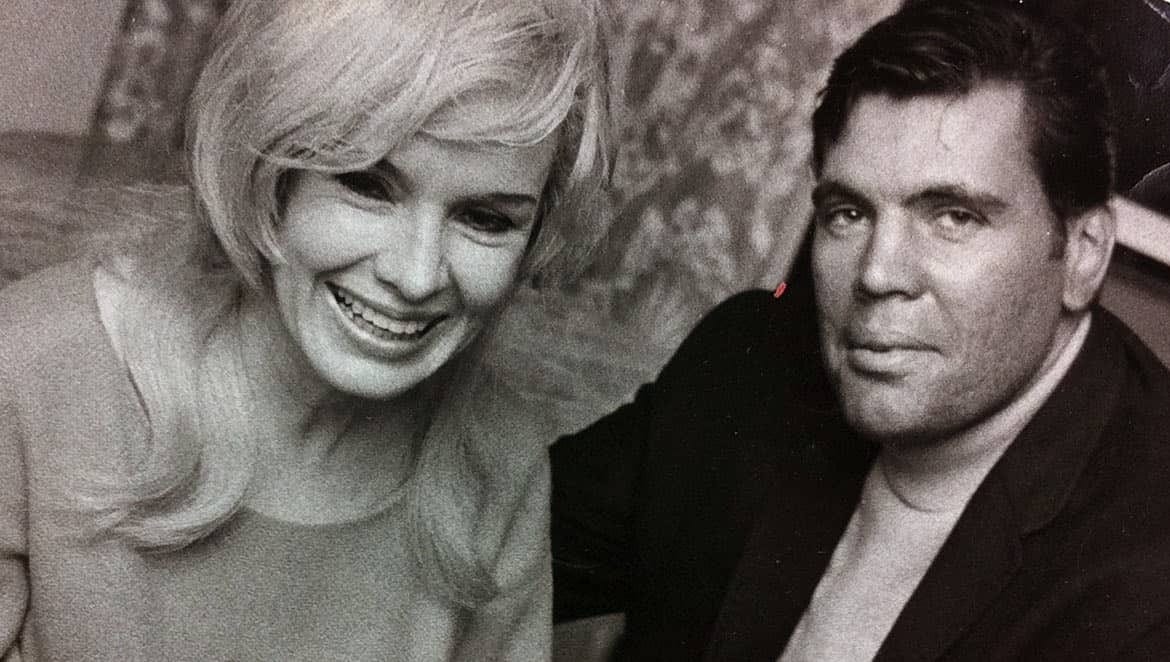
Candace Weatherby was born in Buchanan, Georgia, in 1920, and was the sixth of twelve children. Her father was a farmer, and the family did not have much money. Candace and her siblings spent their days doing farm chores, but according to those who knew Candace, she loved to dress up and pretend she was a princess.
She was a beautiful young girl with a vivid imagination, and even the monotony of a rural farm life didn’t stop her from dreaming of a life of luxury.
Tragically, when Candace was twelve, she lost her mother due to complications from the birth of what would have been the family’s 13th child. After this, her father abused alcohol to cope with his grief. Eventually, the liquor could no longer drown his sorrows, and he skipped town, leaving his children behind. Candace and her younger siblings were left with relatives to care for them, having lost their mother and been abandoned by their father.

In her late teens, Candace’s grandfather encouraged her to find a husband who could care for her and provide her with the kind of life she’d always dreamed of. Eventually, Candace was introduced to a civil engineer named Norman Johnson, whom she married in 1939 at the age of nineteen.
One year later, Candace and Norman had a son, whom they named Norman Jr. It wasn’t long before Candace realized this wasn’t the life she was looking for. She began volunteering as a hostess for a military support group, helping host parties for soldiers at Fort Benning.
There, she met Winthrop Rockefeller, son of John D. Rockefeller. Though the exact nature of their relationship is unclear, when Candace had her second child, Rita, in 1943, she gave her the middle name Rockefeller.
Climbing the Social Ladder
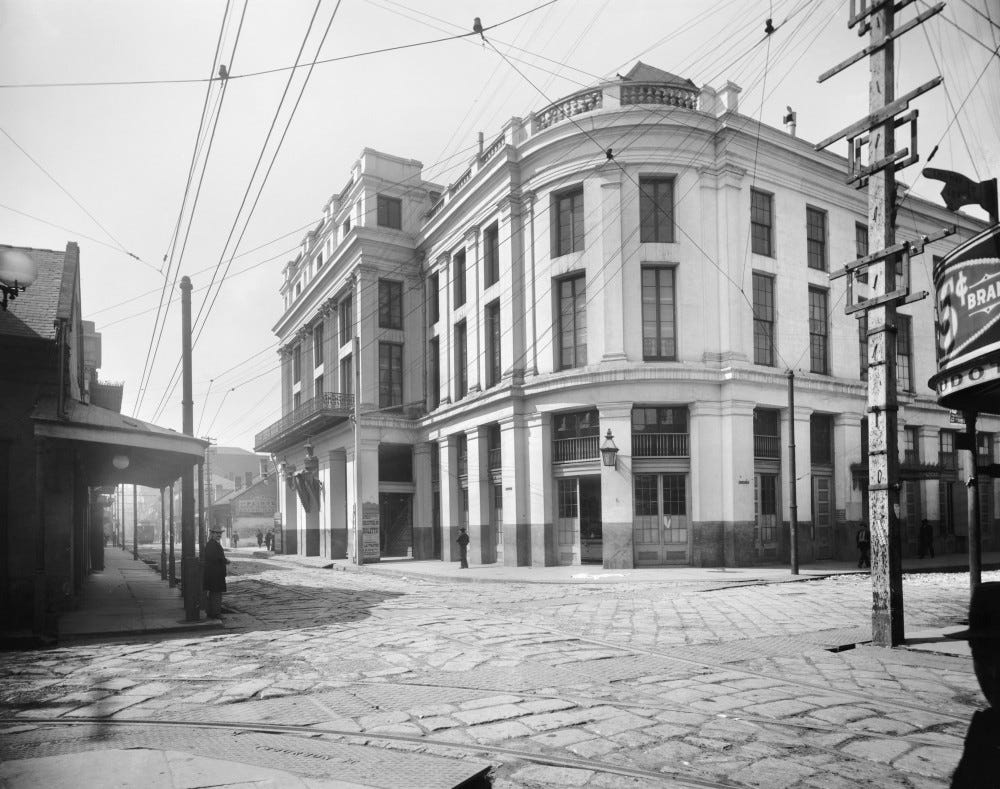
A few years later, Candace and her two children relocated to New Orleans after Norman accepted an engineering position with a local shipyard. Shortly after, their marriage reached a breaking point. While Norman moved out west, Candace stayed in New Orleans with the children.
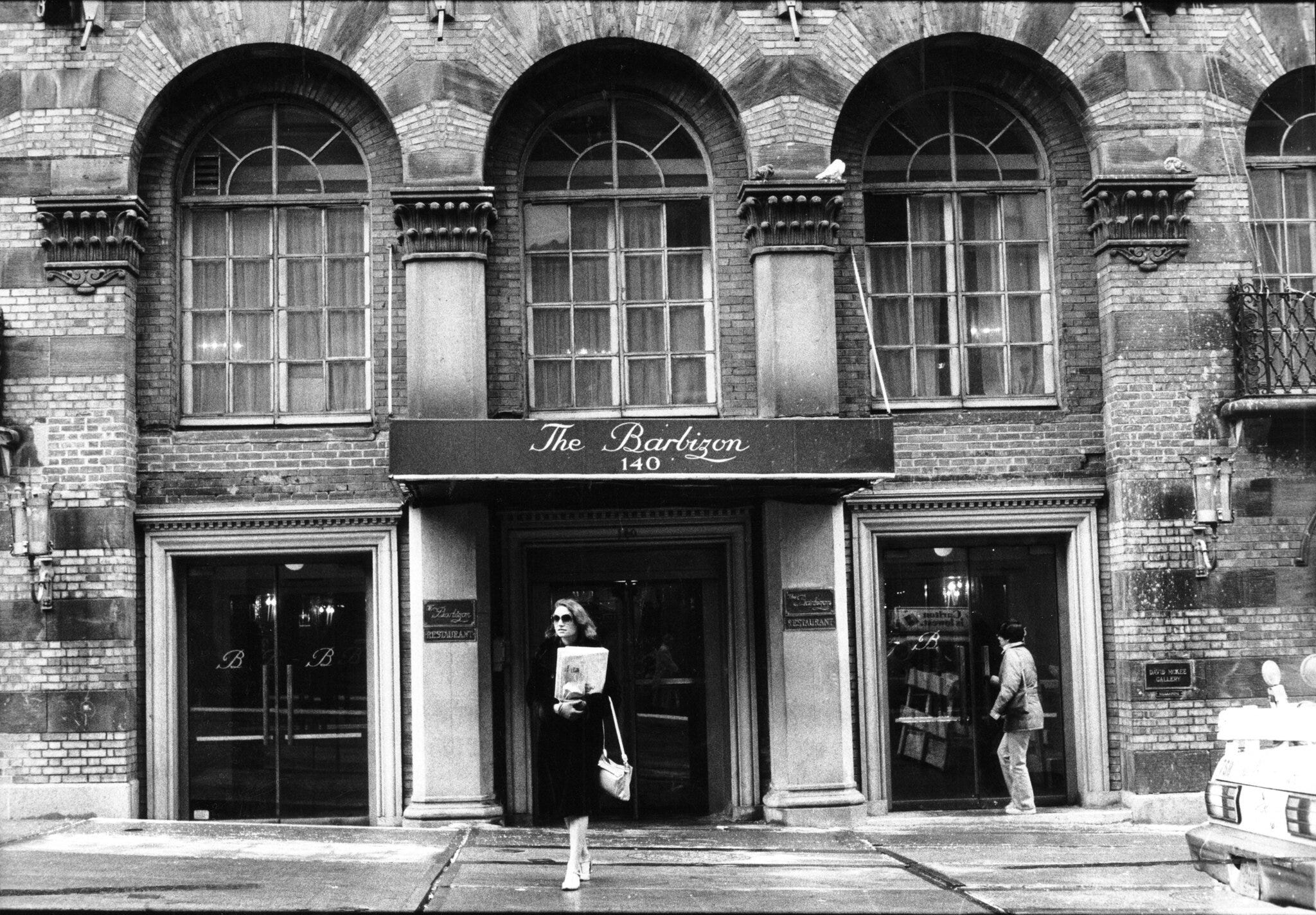
Now free from the marriage she may have felt was holding her back, Candace began to explore her passions for fashion and modeling. She was determined to launch her own career, and after attending Barbizon School of Modeling in New York City, she opened the Candace Modeling and Self-Improvement School.
Candace, who came to be known as Candy, advertised her school and hosted seminars to draw in new students. She had become an entrepreneur in her own right, but rumors of some less desirable engagements began to swirl. It is said that Candy sometimes worked as an escort and may have also hosted “dance classes” for young soldiers that involved far more than dancing.
Despite the unsavory allegations, Candy continued to immerse herself in the local culture and arts scene, eventually landing a volunteer position with the New Orleans Opera. The executives accepted Candy’s offer to meet with and charm wealthy businessmen to obtain financial support for the Opera.
Marriage to Jacques Mossler
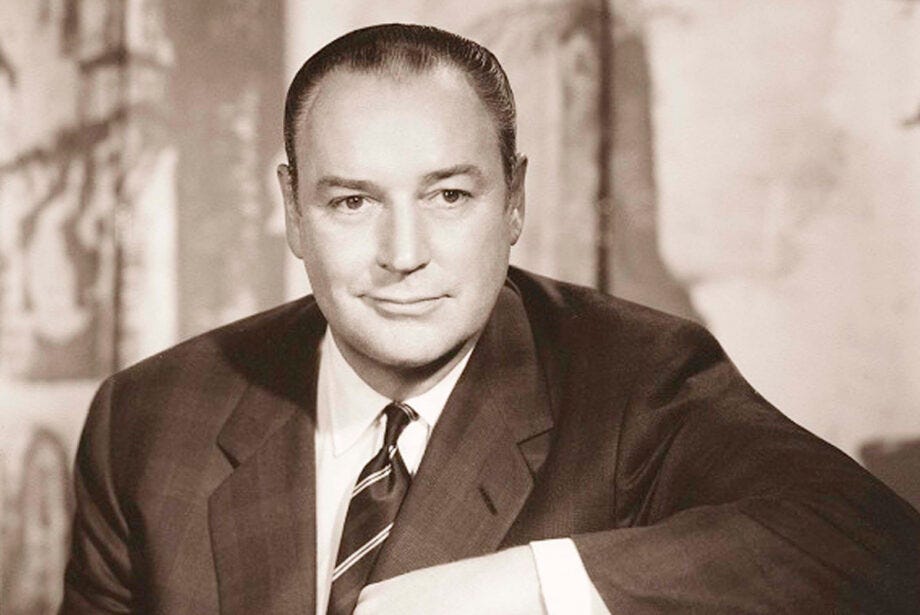
One of these wealthy businessmen was named Jacques Mossler, a Romanian immigrant who had amassed a small fortune through a variety of business ventures, some potentially less honest than others. Mossler had recently divorced from his wife of 30 years. In 1947, Candy, then 27, visited Mossler, then 52, at his office.
Though Candy was unsuccessful in soliciting donations for the Opera, which Mossler said bored him, she was quite successful in soliciting Mossler’s attention. Two years later, Candy and Jacques were married during a trip to Fort Lauderdale, Florida. Upon their return to New Orleans, they began packing for a big move: the newlyweds were heading to Houston.
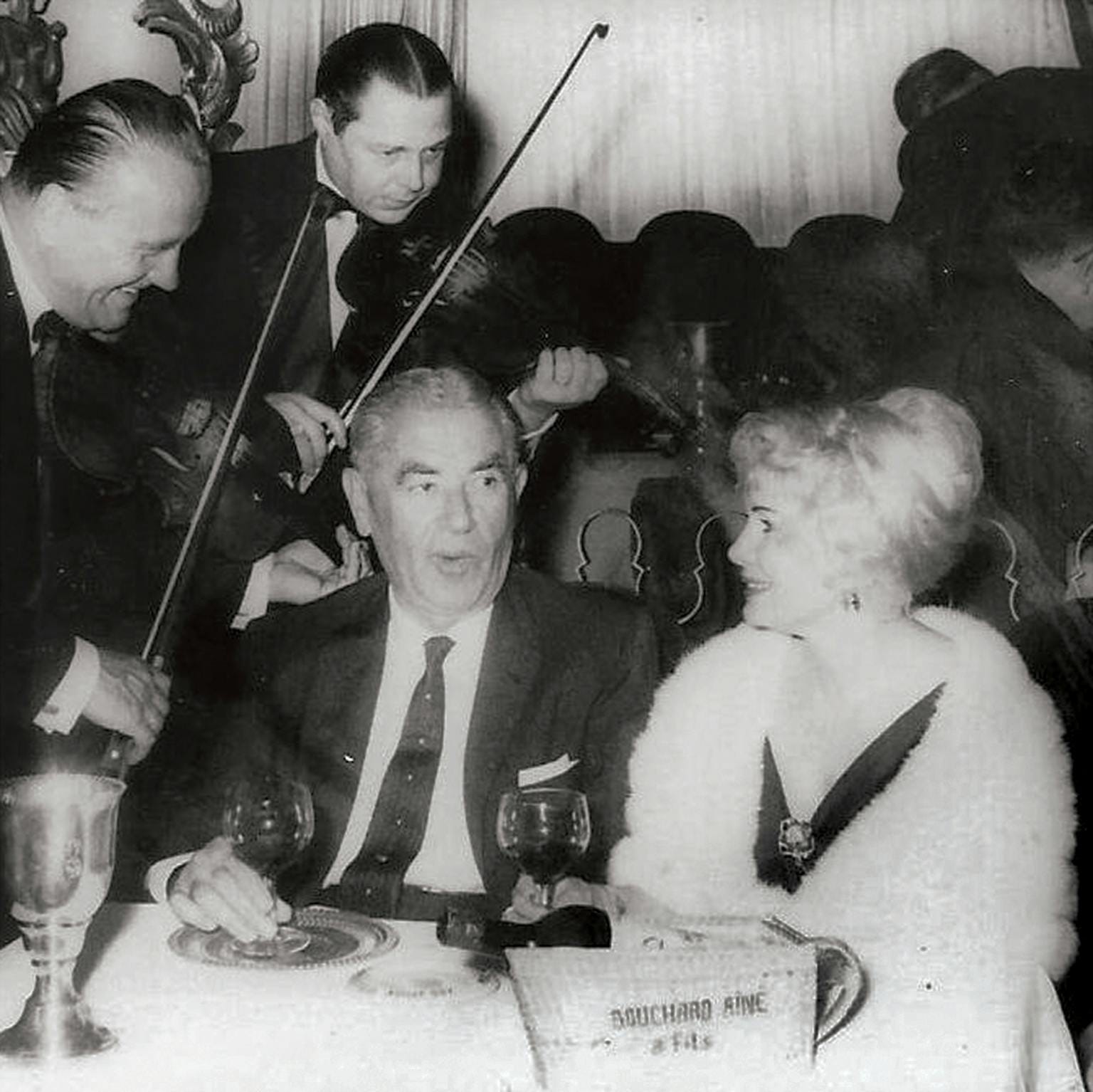
Jacques purchased three acres in River Oaks, an affluent suburb on the west side of Houston. Jacques built a three-story mansion, complete with a full staff, a seven-car garage, and even a personal maid to cater to Candy’s every need. Candy, who, as a child, had dreamed of being a princess, would finally have her castle.
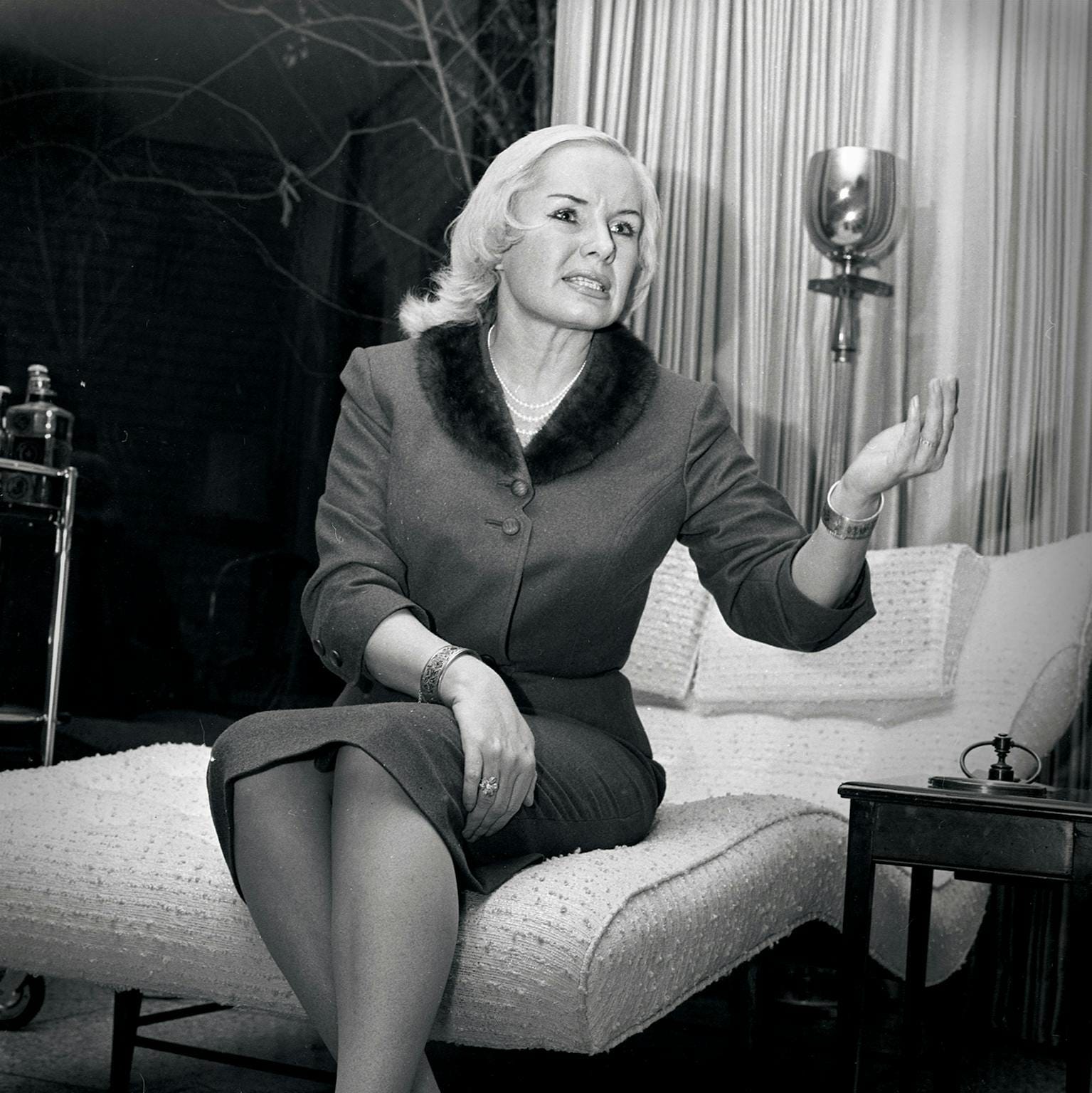
With the husband and the home to match the status she so desired, Candy quickly began climbing the city’s social rankings. She became known for her philanthropic efforts, giving money to charitable causes and hosting legendary fundraisers at her lavish mansion.
Eventually, whispers from Candy’s past life made their way to her new city. Rumors abounded about Candy’s past as a French Quarter call girl, but even the scandalous truth of her past couldn’t stop her rise to local prominence. Candy had donated $15,000 to the Houston Boys Club, among many other philanthropic causes.
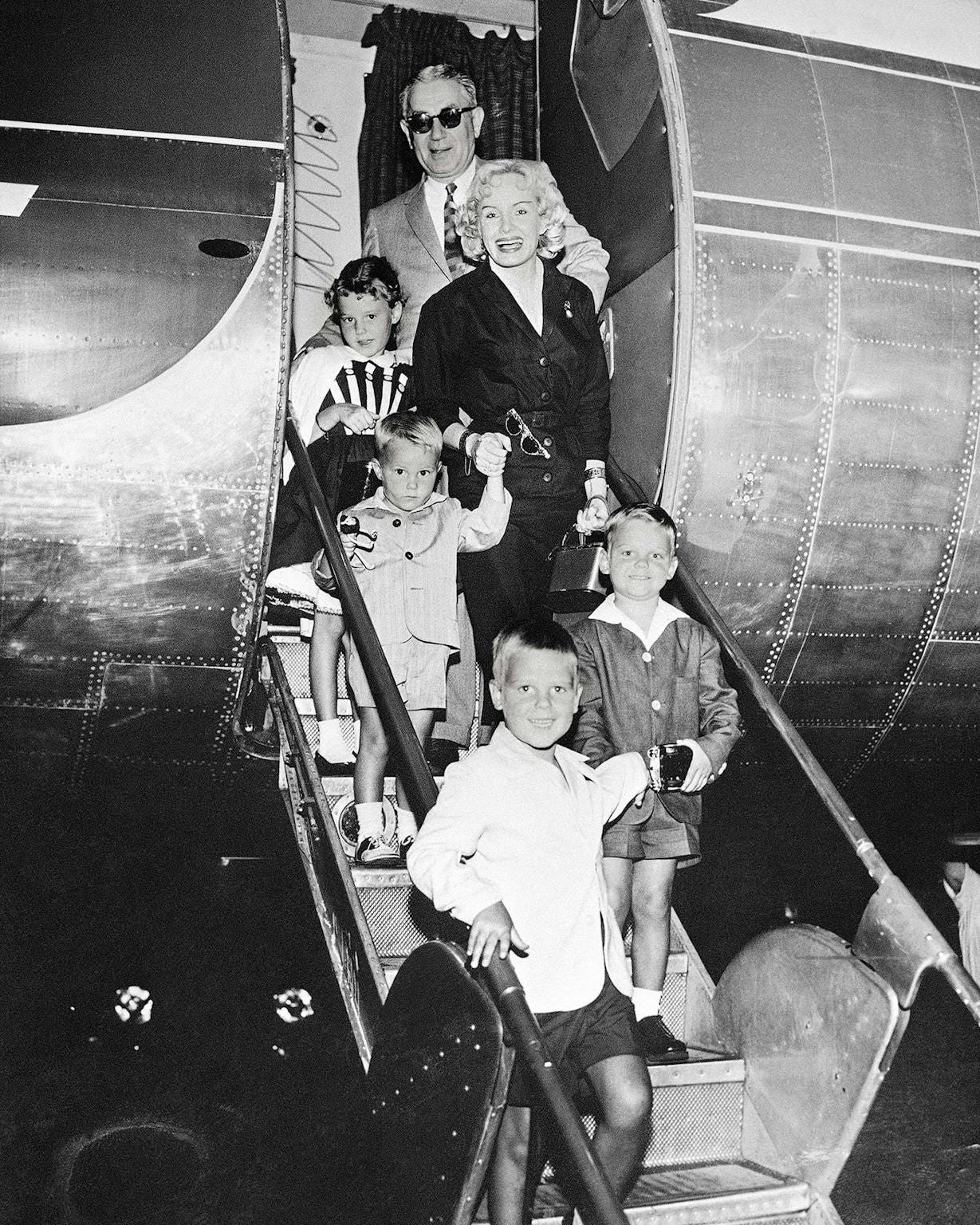
In 1957, Candy and Jacques flew to Chicago to adopt four siblings who were tragically orphaned when their father murdered their mother and their infant brother. The story of the Mosslers’ compassion and generosity made national news, and when they returned to Houston, photographers gathered to catch a glimpse of the socialite couple and their newly adopted children.
Candy transformed the family’s ballroom into a playroom for the kids, and she and Jacques built a baseball field on an adjacent lot so the children could learn to play sports. By the end of the 1950s, Candy seemed to have it all- the husband, the home, the family, and the fame. Then, in 1961, a phone call from her older sister would change everything.
Trouble Brewing
Elizabeth Powers, Candy’s older sister, called Candy desperate for help. Her 20-year-old son, Melvin “Mel” Powers, had found himself in jail after being convicted of fraud. Elizabeth was hoping that Mel could come stay with the Mosslers in Houston until he could get back on his feet. Candy agreed, and once Mel was out of jail, he came to Houston and was given his own room in the mansion and a luxury car to use.
Candy asked Jacques to give Mel a job, and Jacques obliged. Mel began working as a repossessor for one of Jacques’ loan companies. Things were well until 1963, when something happened that led Jacques to fire Mel, have security escort him off the property, and forbid him from ever returning. After that, Jacques left Houston and moved into a high-end apartment in Key Biscayne, Florida.
Candy, the master of managing public opinion, claimed that Jacques kicked Mel out in a brief fit of anger after Mel announced he was quitting his job to pursue his own business ventures, and that Jacques was merely in Florida on business. Candy told anyone who asked that Jacques was opening a bank in the Miami area and that their marriage was perfectly fine.
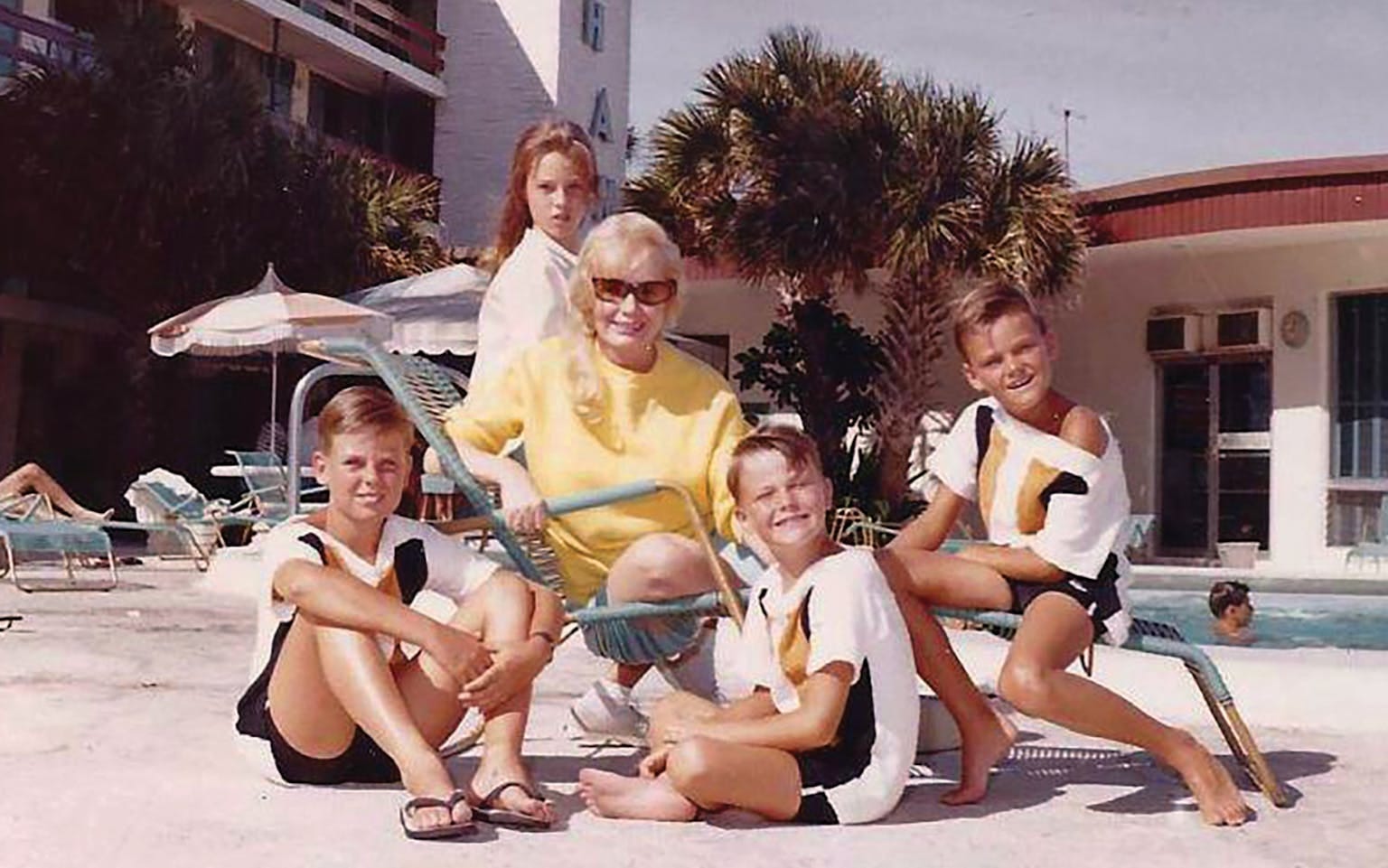
Less than a year later, in June of 1964, Candy and the children made their way to Florida. They enjoyed spending their days on the beach, and in the evenings, Candy frequently took the children along for her visits to the hospital, where she received injections to treat her recurring migraines. These were often late-night trips, but the children said they didn’t mind. They were always together, and the children enjoyed going for drives in Candy’s red Pontiac convertible.
Murder Mystery
On June 29th, 1964, Candy took the kids along as she made another trip to the hospital. Along the way, she stopped to mail some letters from a local hotel, then stopped again to get dinner for the children. When they finally made it to the hospital, it was nearly midnight.
It took several hours for Candy to be seen, but she eventually got her injections. It was after 4 a.m. when she took the children back to Jacques’s apartment. This late-night excursion would become a night the family would never forget.
