



Background
All Good Things is a 2010 mystery crime drama directed by Andrew Jarecki and starring Ryan Gosling and Kirsten Dunst. The real-life events that inspired the movie took place during the 1970s and early 1980s, and later during the early 2000s. The story is based on Robert Durst, the son of New York City real estate mogul Seymour Durst, and the mysterious and suspicious disappearance of Robert’s wife, Kathleen McCormack Durst.
After her disappearance in 1982, Kathleen was never seen again, and despite an intensive investigation and Durst’s erratic and contradictory statements and behaviors, no one was charged in the case. Years later, Durst would be implicated in two more violent deaths.
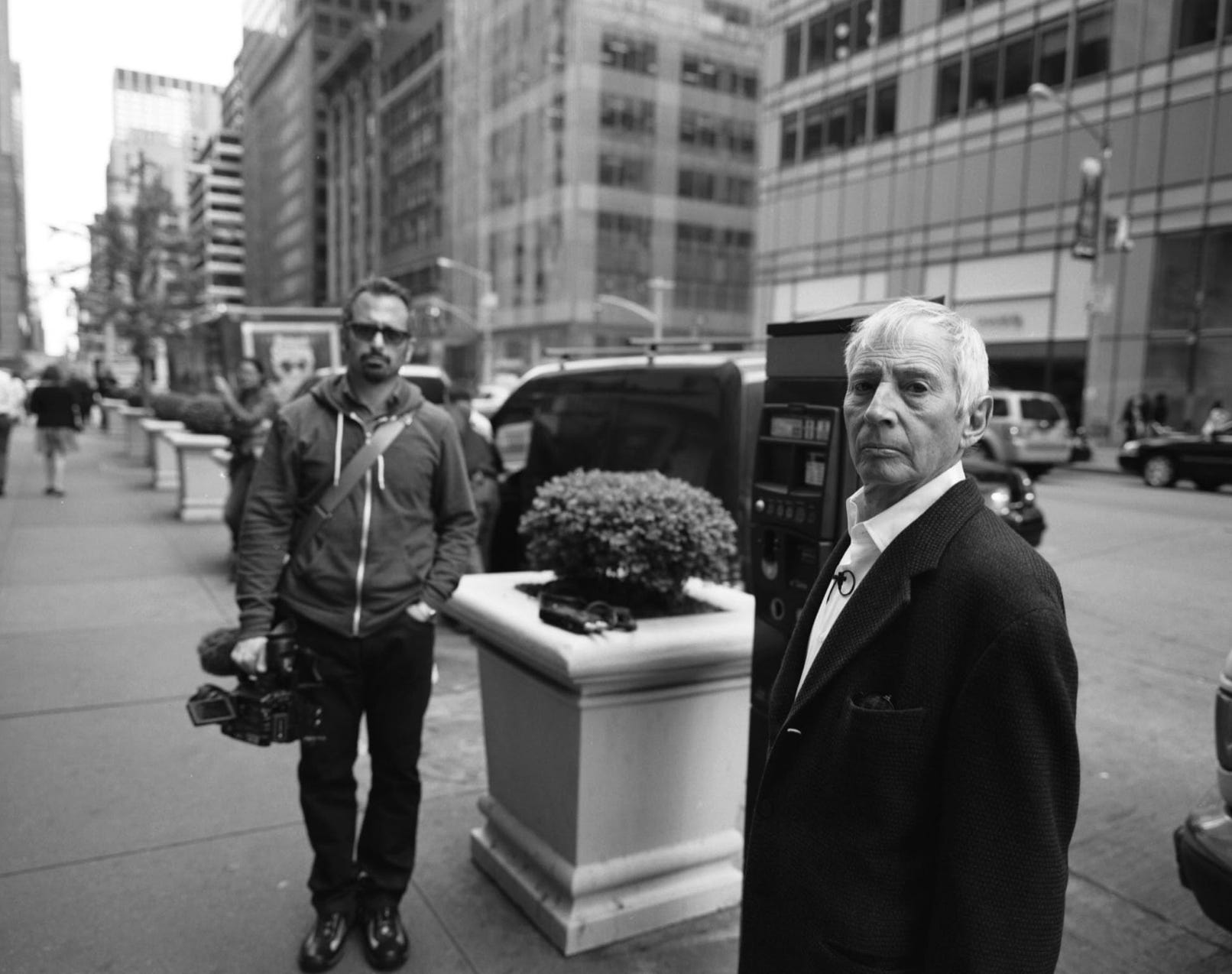
Though he had seemingly gotten away with his crimes, in a twist of fate, it would be interviews that he agreed to do with Andrew Jarecki, the film’s director, that ultimately put Durst behind bars for life.
Plot Summary
Writers Marcus Hinchey and Marc Smerling based the film's screenplay on events from Robert Durst's life. The film took its title from the name of a health food shop opened by Robert Durst and Kathleen McCormack Durst. The movie was filmed between April and July of 2008 in locations in Connecticut and New York.
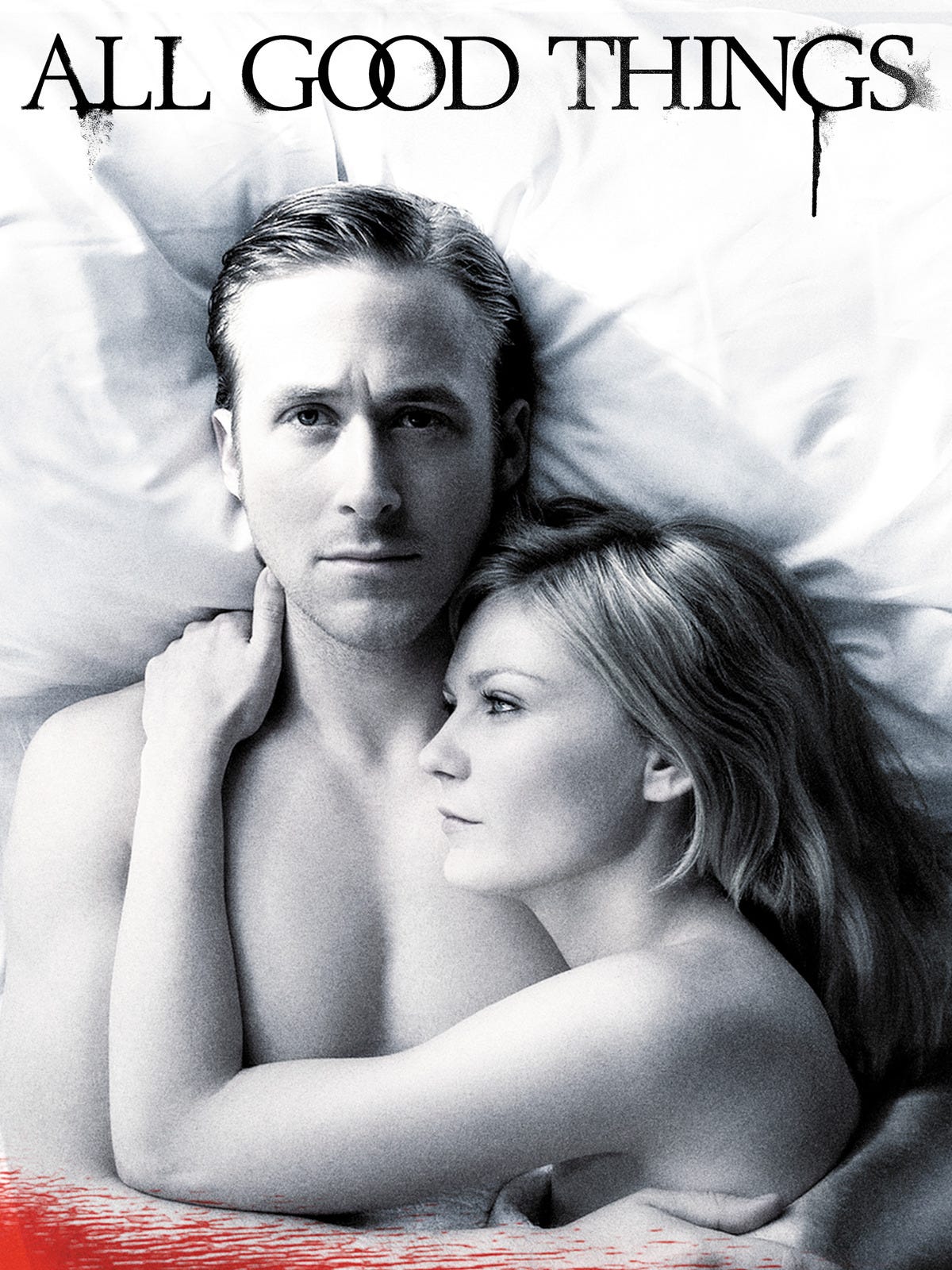
The movie, directed by Andrew Jarecki, stars Ryan Gosling as David Marks (Robert Durst) and Kirsten Dunst as Katie McCarthy (Kathleen McCormack), a middle-class medical student. In the movie, their marriage is volatile and fraught with violence, anger, and domestic abuse.
In the early 1970s, David Marks, the son of a real estate tycoon, marries Katie McCarthy, a young, ambitious medical student. The couple open a health food store in Vermont called All Good Things, but are soon persuaded to return to New York by Marks’ controlling father.
The marriage is filled with intense arguments and violence, which at times has Katie fearing for her life. In one dramatic scene, she runs out onto a fire escape and bangs on a neighbor’s window for help because David has threatened to kill her.
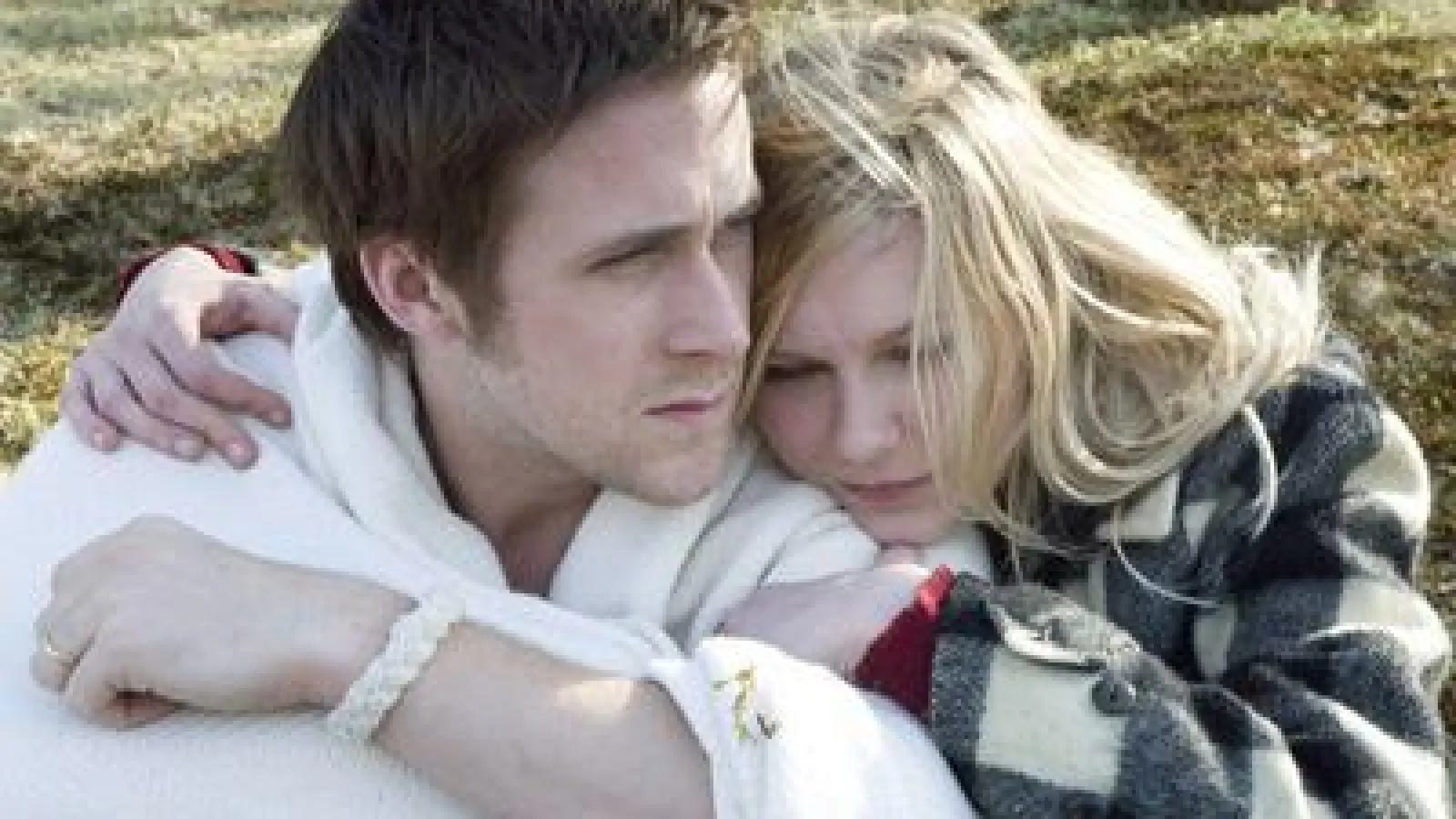
Hoping to better her life, Katie enters medical school while her relationship with David continues to deteriorate. Her attempts to leave are thwarted by David and his father. When she seeks legal advice about getting a settlement from the Marks to help pay for schooling, she’s told she needs some form of leverage to get the family to agree. Katie tries to gather evidence to incriminate the family for financial misconduct.
According to David, he puts Katie on a train bound for Manhattan late one night. After that, she is never seen again. Eighteen years later, the missing person’s case is reopened by a district attorney who reads an unpublished novel written by Marks’ friend, Deborah Lehrman, with a murder identical to Katie’s.
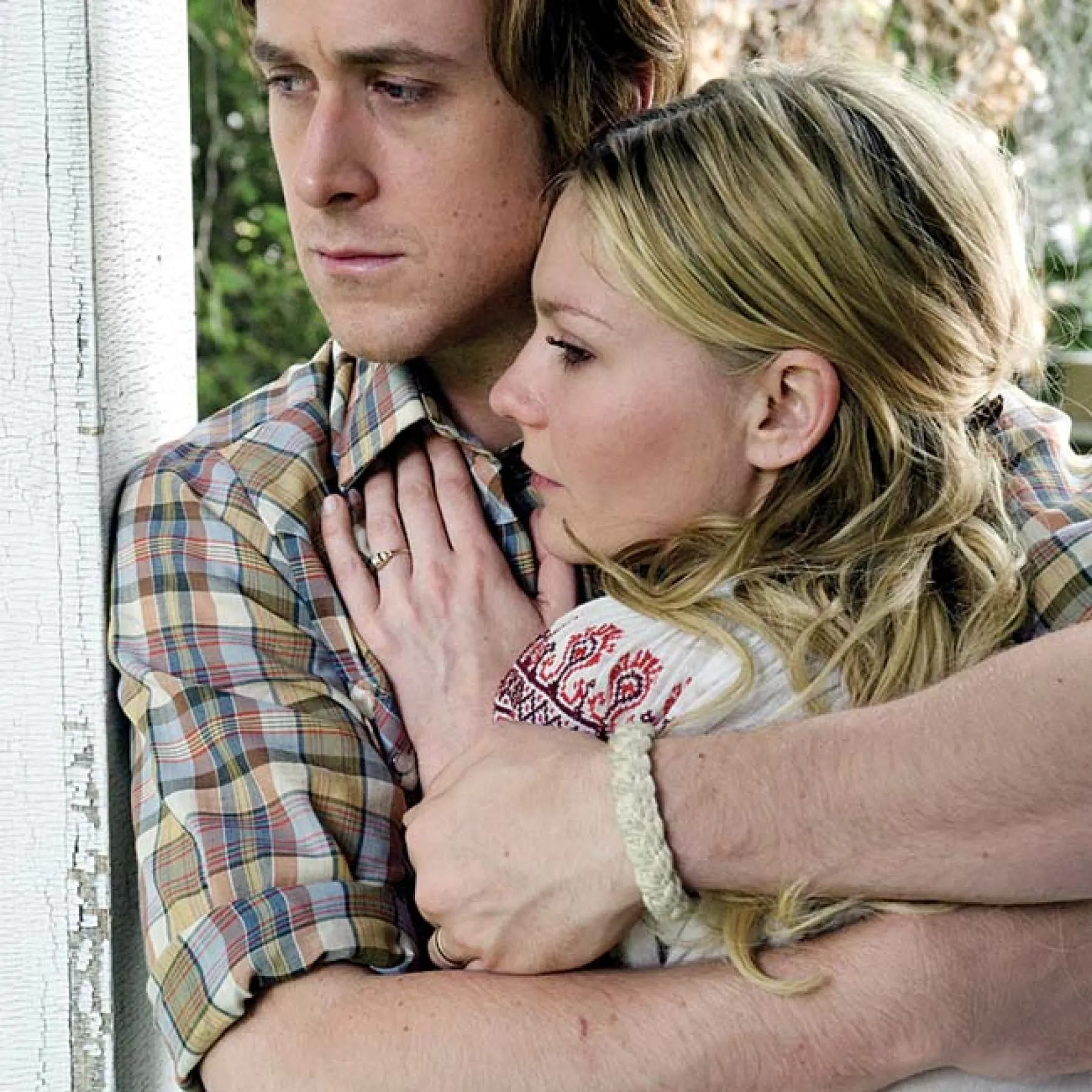
Before she can be questioned further, Deborah is shot and killed in her home, execution style. Once again, David Marks becomes a prime suspect. At the same time, Marks is standing trial for the murder of his neighbor in Texas, Malvern Bump.
In the film, as in real life, Marks is acquitted of his neighbor’s murder. The movie version states that no one has ever been tried or convicted of Lehrman or Katie’s murder. Katie McCarthy remains missing. It does end with a provocative flashback of Katie’s remains in the trunk of Marks’ car. He mumbles to his father, “I still miss her,” but the viewer is left to wonder if he means his wife or his mother.
Although the film received mixed to poor critical reviews, earning a 35% approval rating on Rotten Tomatoes, some critics praised the performances of Gosling and Durst, while others labeled it as “cliched” and “frustratingly ambiguous.”
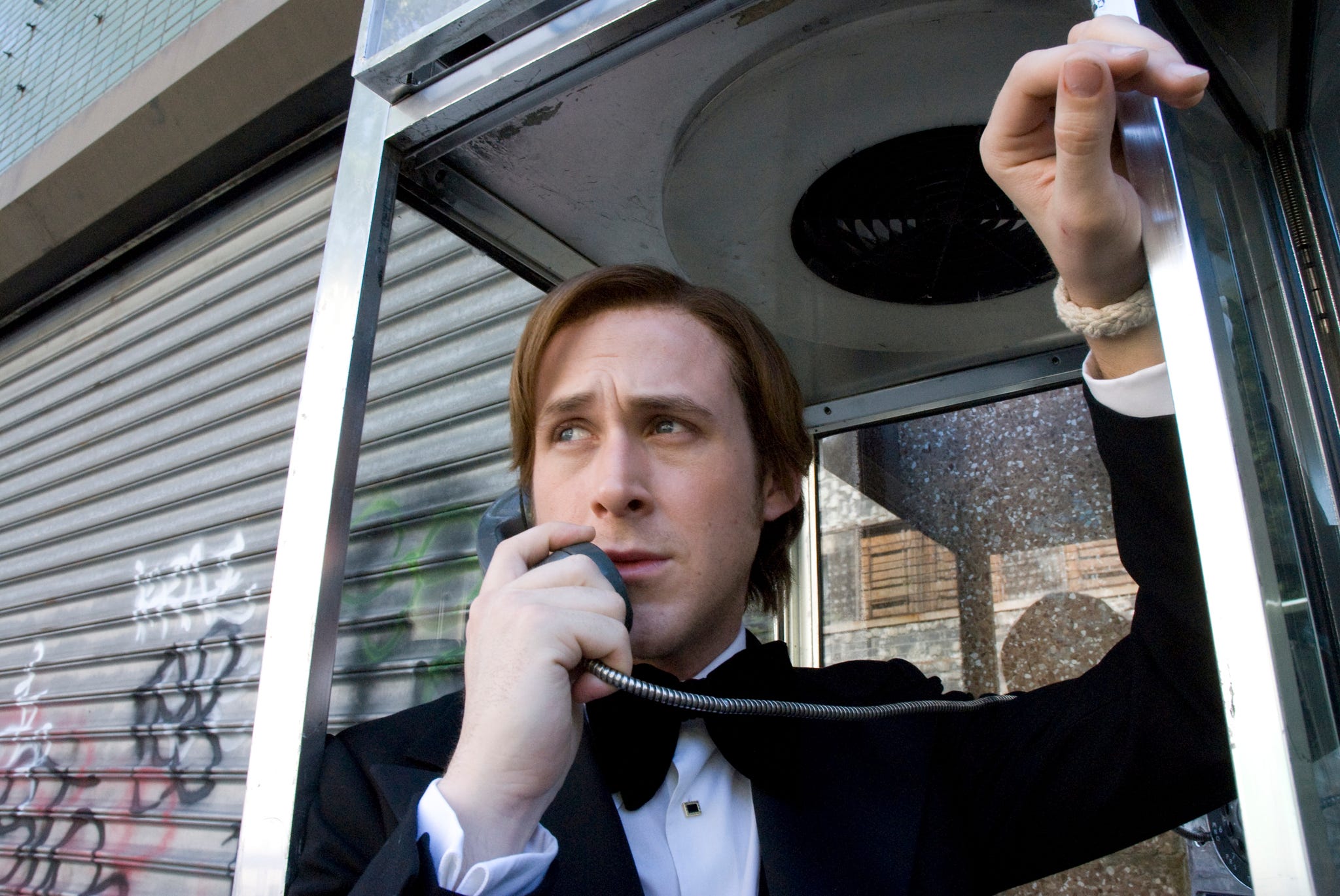
Actual Events
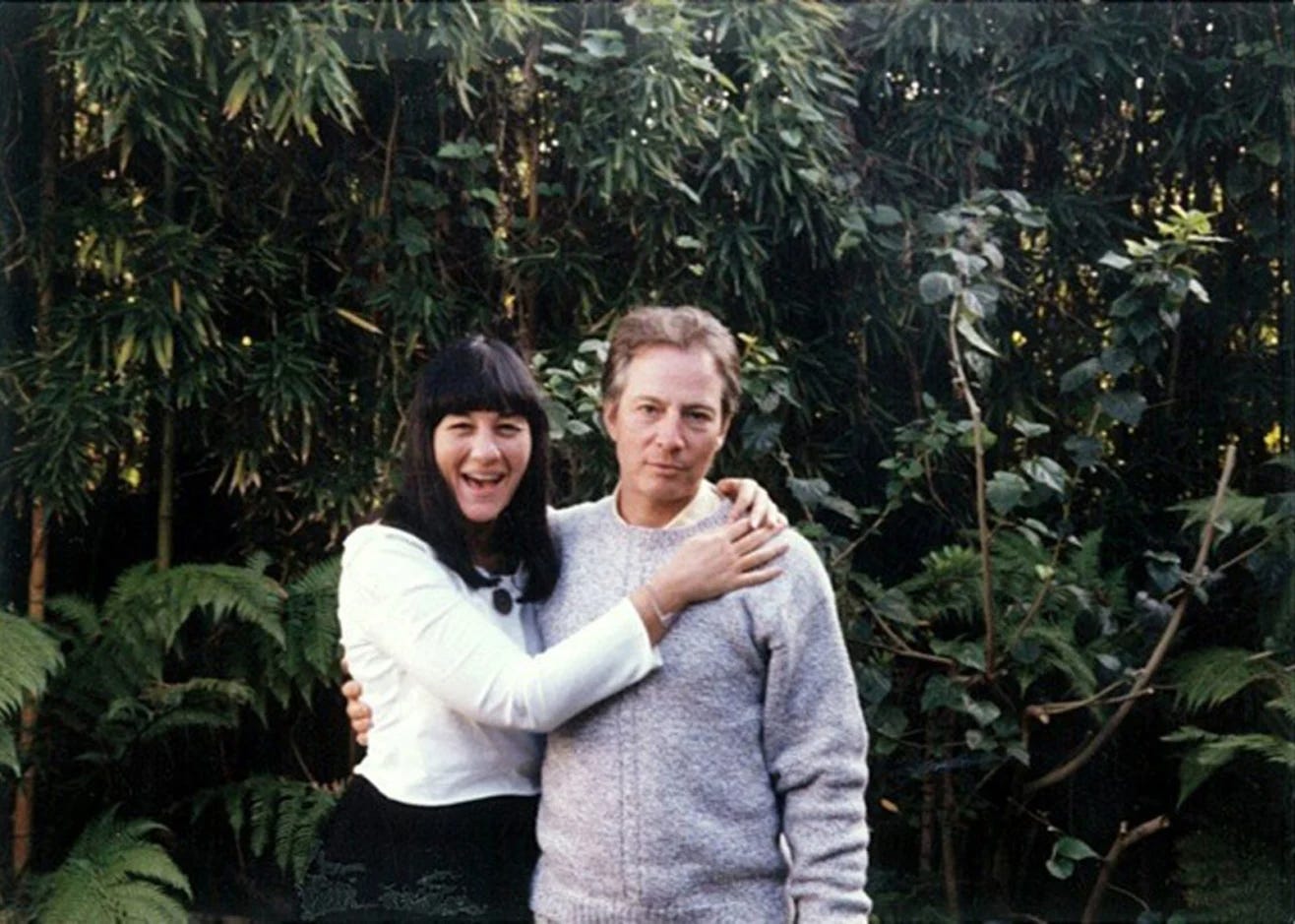
While the movie All Good Things is a dark murder mystery and romance, the true-life events are just as compelling. Real estate heir Robert Durst fell in love and married his first wife, Kathleen McCormack, a middle-class girl well below his social class.
Only nineteen when she met 28-year-old Robert, Kathleen agreed to move into Durst’s home in Vermont after just their second date. Together, they opened a health food store called All Good Things, but after pressure from Durst’s father, the two returned to New York.
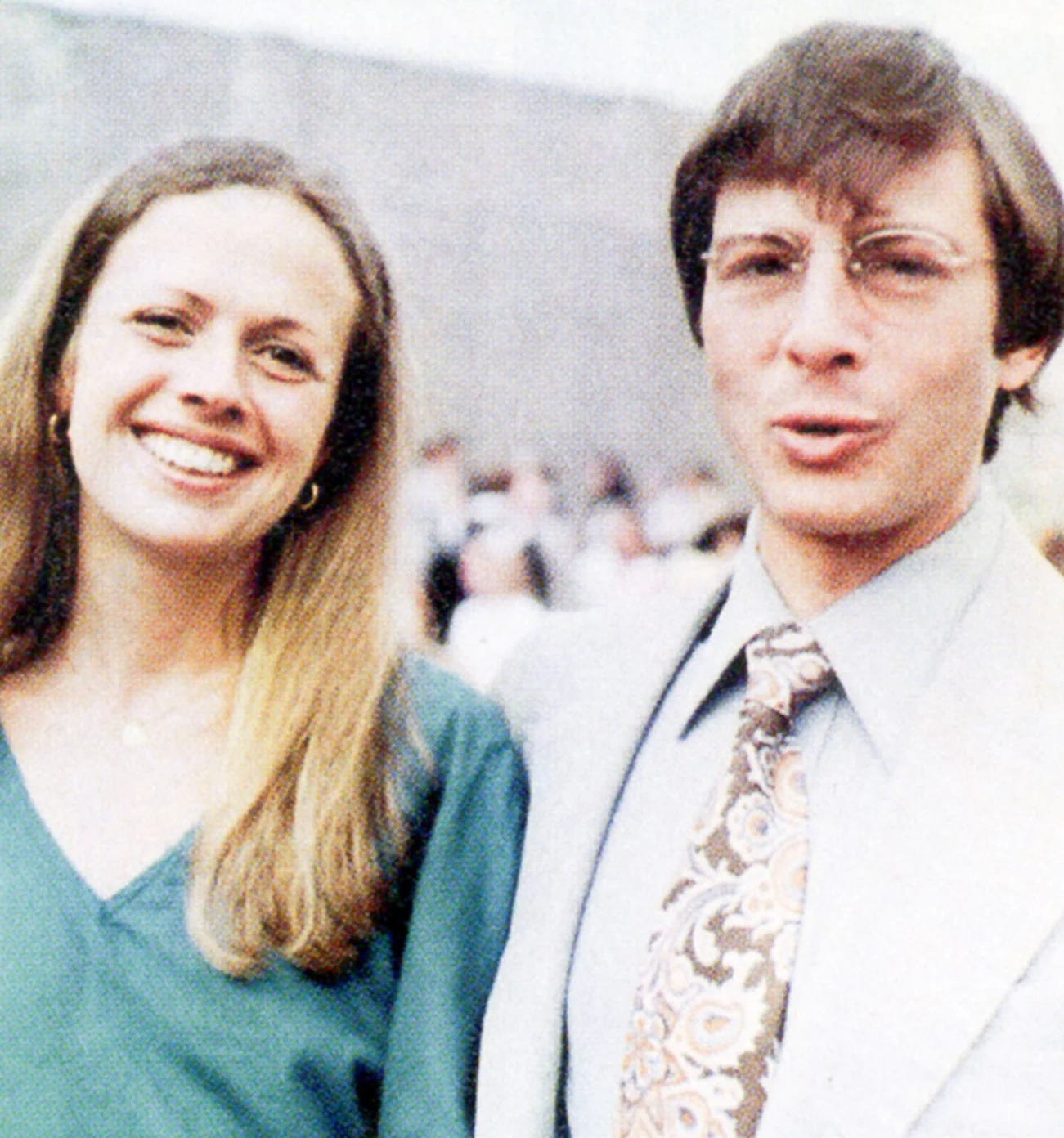
The couple married in April 1972 and began a whirlwind of travel around the world. They eventually settled into an apartment on Riverside Drive in Manhattan. The couple mingled with New York’s high society and partied at places like the famous Studio 54. To many looking in, their marriage seemed perfect. However, Kathleen’s diaries painted a different picture.
Despite her crumbling marriage, Kathleen had ambitions. She enrolled in nursing and then medical school to better her life. Then, on January 31, 1982, while attending a party at a friend’s house, Kathleen received a telephone call from Durst. She left the party and, according to Durst, asked him to put her on a train bound for Manhattan later that night. She never arrived.
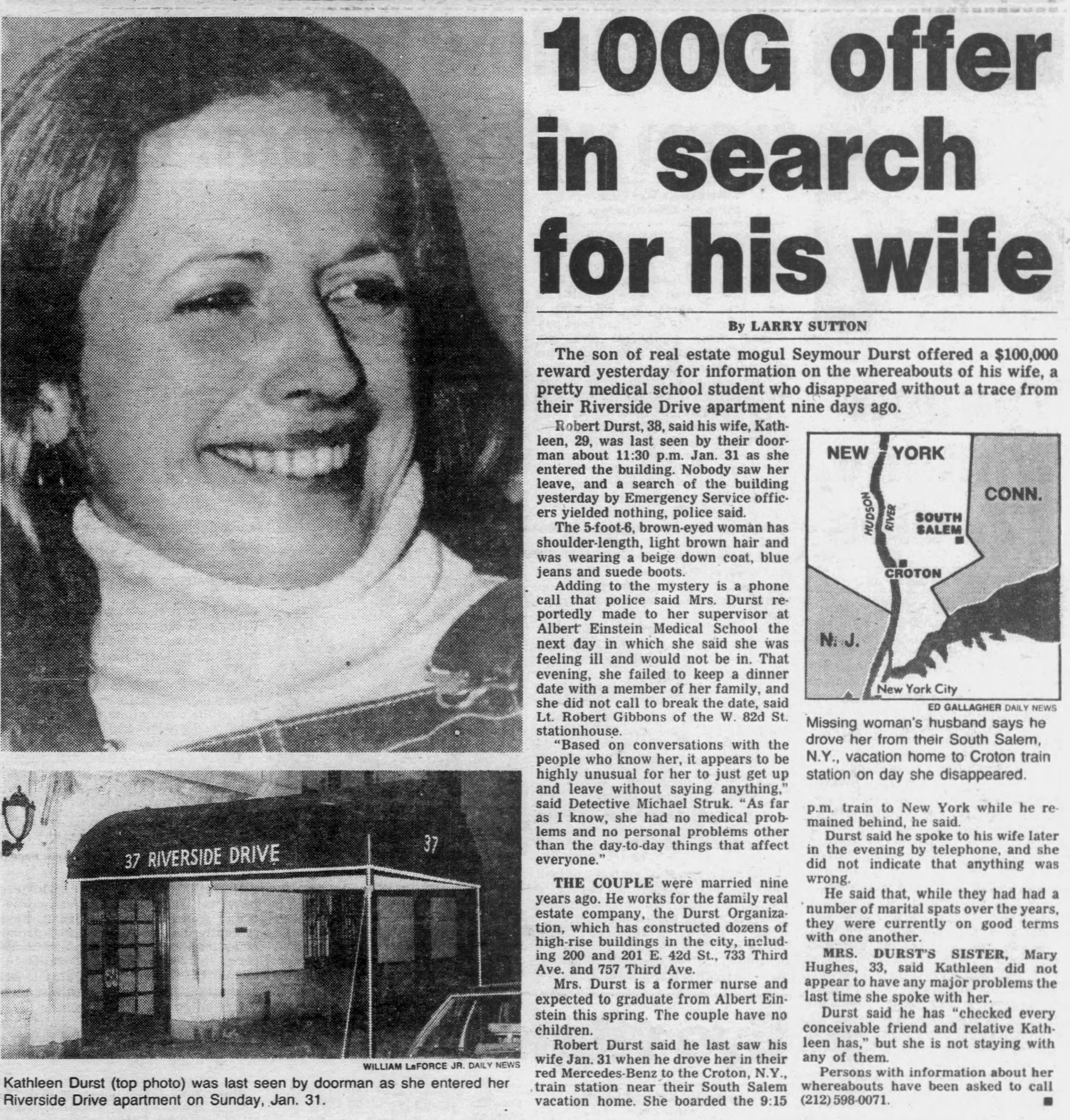
Several days passed before Durst, compelled by Kathleen’s family and friends, finally reported her missing. His statements to the police were contradictory. He first said he had received a phone call from a pay phone that Kathleen had arrived safely. Later, evidence proved this wasn’t possible.
A few weeks after Durst had reported Kathleen missing, the supervisor of their building noticed some of her belongings in the building’s trash compactor. Similarly, after some of Kathleen’s friends and family members entered her South Salem cottage, they observed that it had been ransacked and many of her belongings had been thrown in the trash.
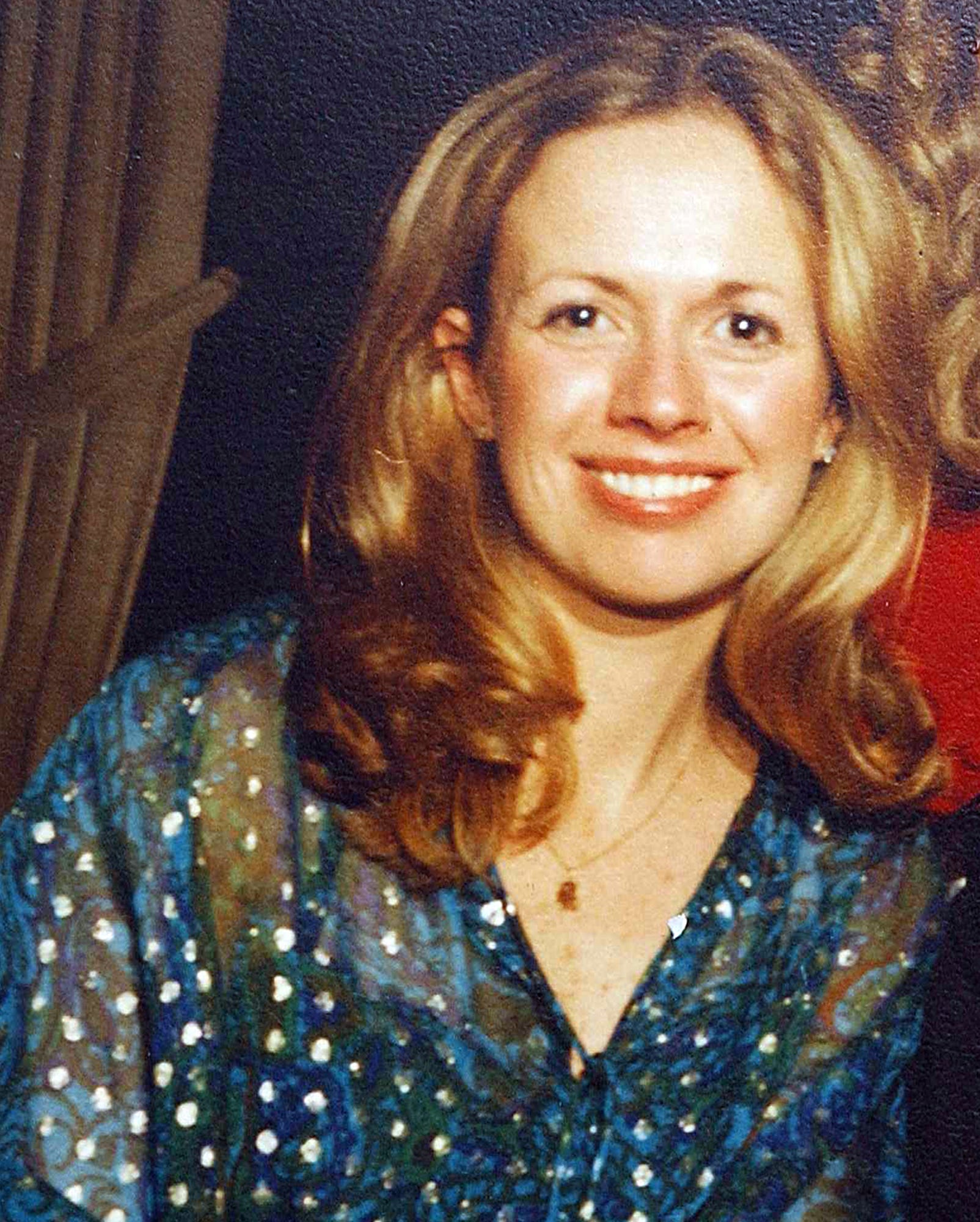
During the course of the investigation, it was learned that Kathleen had intended to divorce Durst, and, in response, he had removed her name from the couple’s joint bank account and canceled her tuition payments. Entries in Kathleen’s diary revealed the abuse and turmoil and painted a dark picture of the marriage.
While Durst came under suspicion early on, there was not enough evidence to charge him with any wrongdoing. Kathleen was nowhere to be found, and eventually, her case slipped into the cold case file. In 2017, following a request from the McCormack family, Kathleen was declared legally dead.
Durst had friends, including close friend, Susan Berman, a well-known author, who stated Kathleen had likely run off with another man. Since the couple were known to have had other affairs during their marriage, this seemed a plausible explanation. At the time, Kathleen’s family implied that the wealthy Durst family was able to control the investigation and prevent Robert from being implicated.
The Many Crimes of Robert Durst
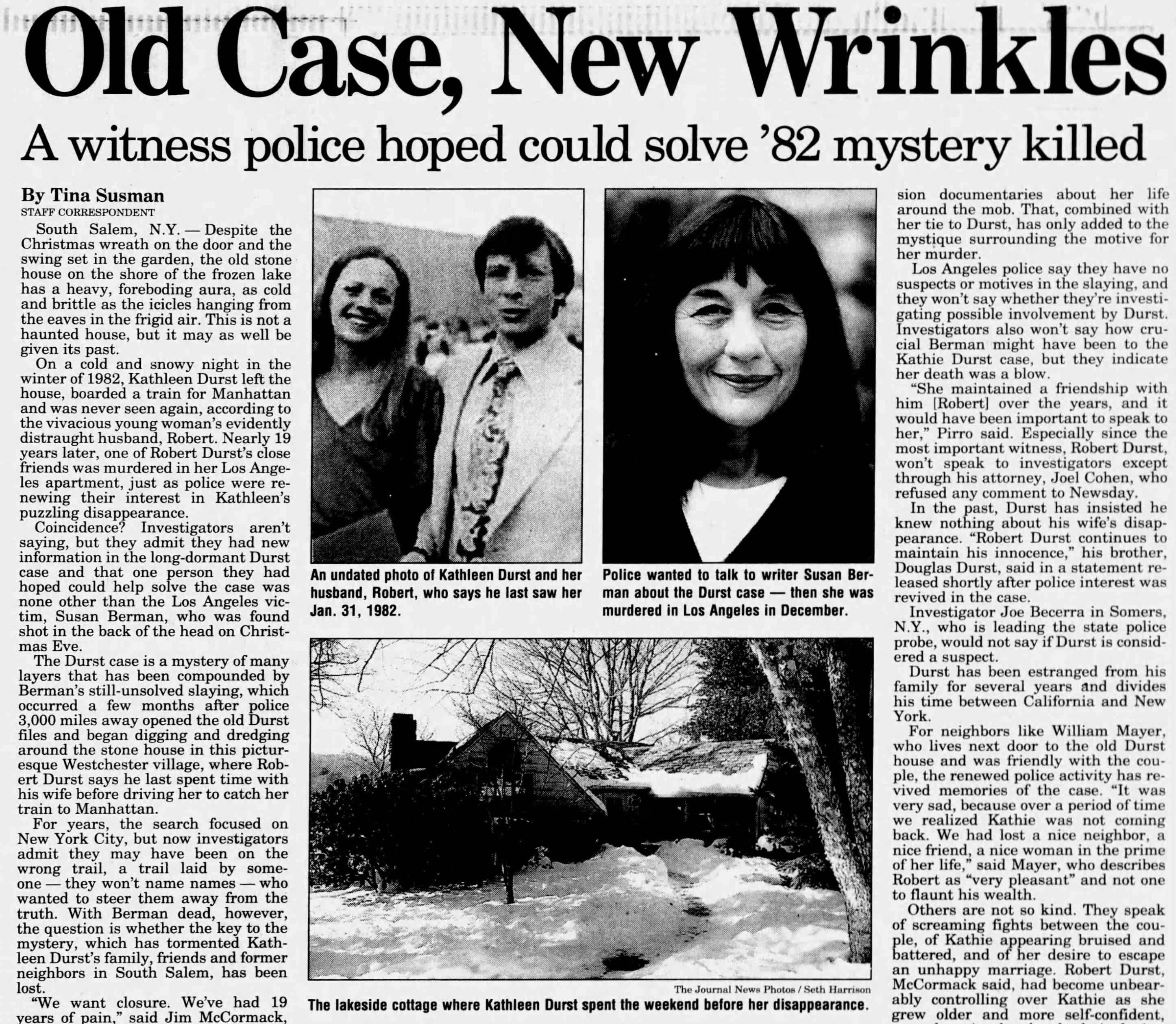
While the movie, All Good Things, focuses on the murder of Katie, two other murders are also mentioned toward the end. Although Kathleen McCormack Durst had been missing for eighteen years, in 2000, a new district attorney, Jeanine Pirro, decided to reopen the case. She believed Kathleen had been the victim of a homicide.
Though he was not yet named a suspect, Durst decided to go into hiding in Galveston, Texas. In December 2000, his good friend, Susan Berman, the one who had offered Durst an alibi at the time of Kathleen’s disappearance, was found murdered in her Los Angeles home. She had been shot execution style. Interestingly, Berman had been in touch with the LAPD, and those around her believed she was about to tell what she knew about Kathleen’s disappearance.
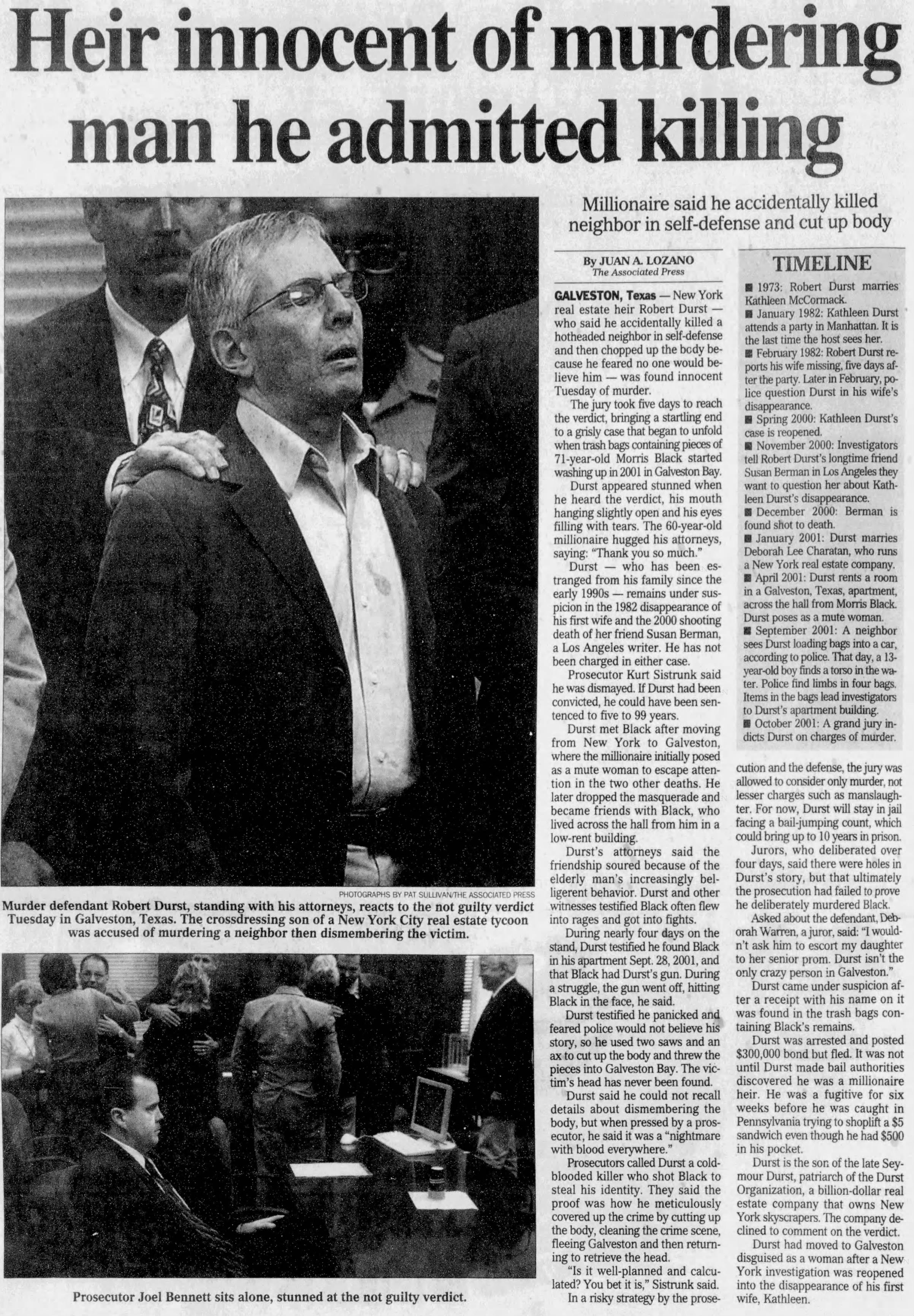
At first, Durst was not considered a suspect in Berman’s death until another incredible event happened. Durst had been living in disguise under an assumed name in Texas when, in October 2001, he was implicated in the murder of his 71-year-old neighbor, Morris Black. On September 30, Black’s dismembered body parts were found floating in Galveston Bay.
Durst was arrested, posted bail, and quickly went on the run, and a warrant was issued for his arrest. On November 30, Durst was arrested in Bethlehem, Pennsylvania, after he was caught shoplifting a sandwich, a newspaper, and Band-Aids from a Wegmans supermarket despite being found with hundreds of dollars in his pocket.
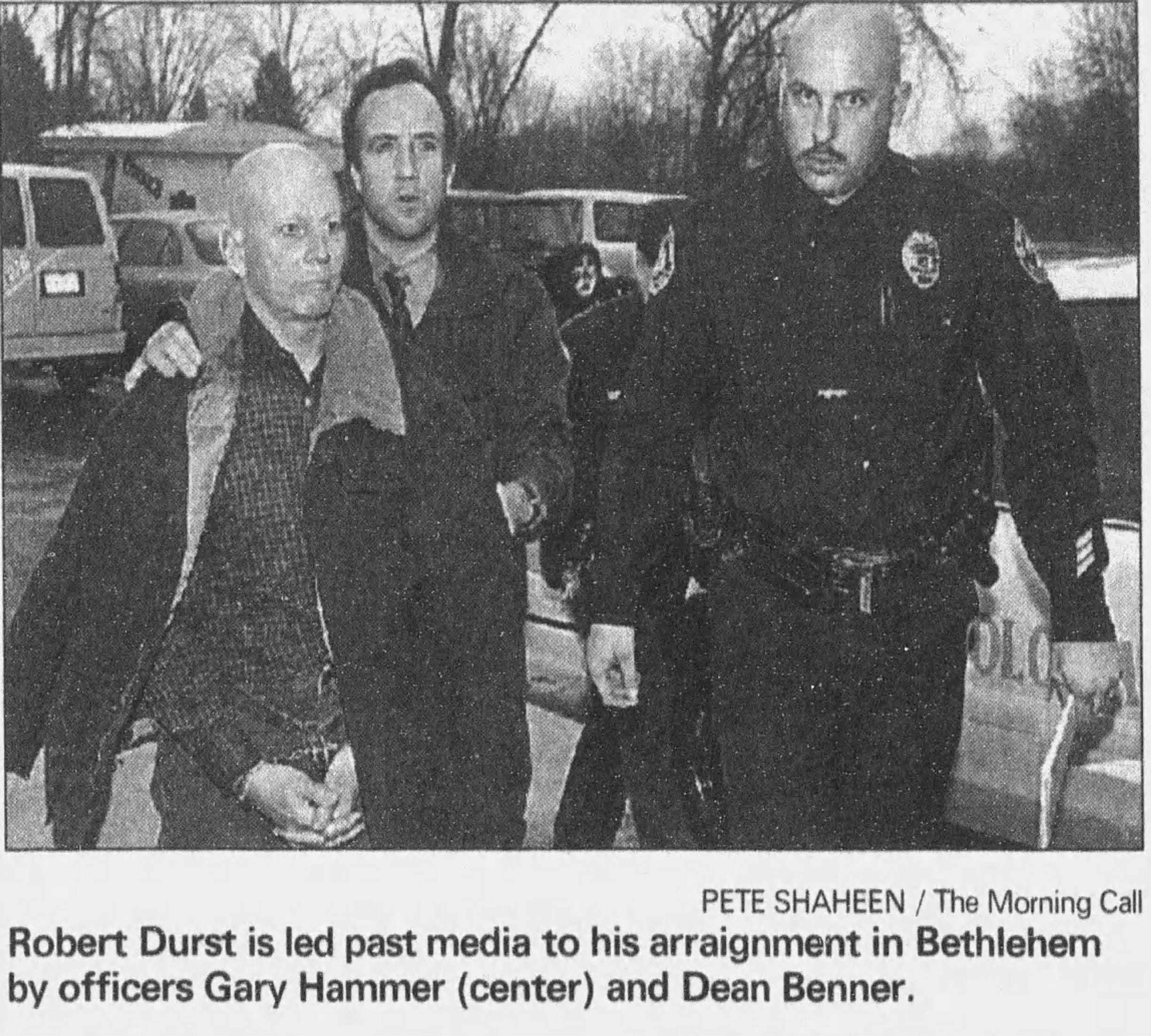
When police searched Durst’s rental car, they discovered a briefcase containing more than $38,000 in cash, two pistols, and identification cards belonging to Morris Black. After being held in Pennsylvania, Durst was extradited to Texas to face murder charges in the killing of Black.
At trial, Durst admitted that he had killed Black; however, he claimed he had acted in self-defense. Despite Durst’s suspicious actions, including cutting up Black’s body, attempting to dispose of it, and going on the run, the jury believed his story, and in November 2003, he was acquitted of the murder charges. He would serve only three years for fleeing arrest and tampering with evidence. In 2005, he walked out of prison, a free man.
The Jinx
After the release of the movie All Good Things, word reached director Andrew Jarecki that Robert Durst, the subject of the movie, liked it. He praised the acting and the screenplay, going so far as to call it ‘very accurate.’ In a rare turnaround of his previous disdain for journalists, Durst agreed to be interviewed, to ‘tell his side of the story.’

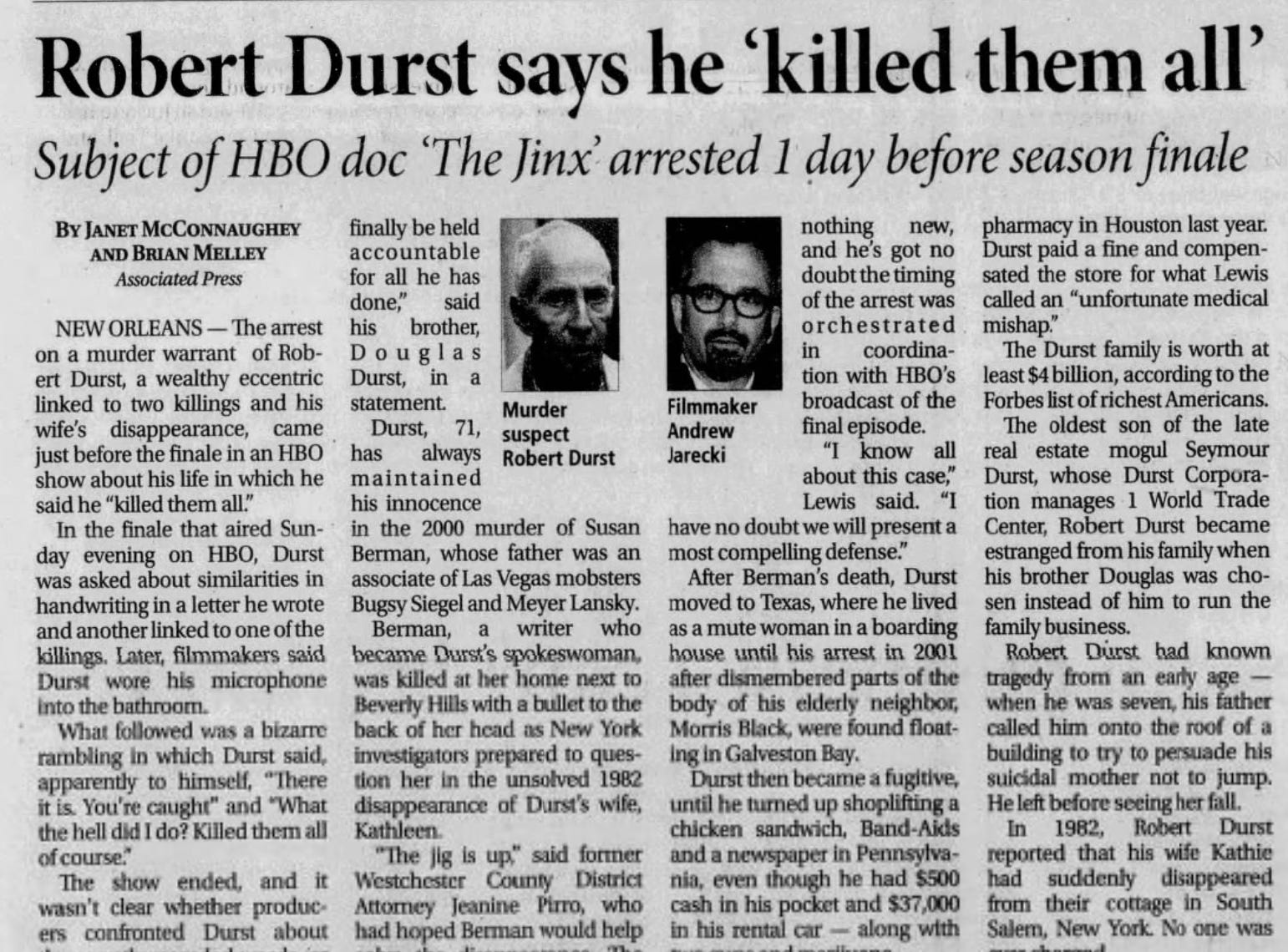
The two would film more than 20 hours of interviews over the next few years for what would become the HBO documentary series The Jinx: The Life and Deaths of Robert Durst. In one session, not realizing his microphone was still “hot”, Durst can be heard confessing that he killed all three – Kathleen, Susan, and Black. Additionally, during the course of the filming, new evidence emerged that implicated Durst in the murder of his former friend, Susan Berman.
On March 14, 2015, one day before the final episode of The Jinx Season 1 aired, Durst was arrested. Authorities believed they had enough to charge him with Susan Berman’s death and issued a first-degree murder warrant. Durst was arrested by FBI agents at a Marriott hotel in New Orleans, where he had been staying under a false name. He was found with a revolver, a fake Texas driver's license, a mask, various state maps, more than $40,000 in cash, and other suspicious items.
Authorities in Louisiana wanted to charge Durst with firearms violations, while those in California wanted him extradited to face murder charges. Because of these disputes, as well as Durst’s various health problems, his trial for the murder of Susan Berman was delayed until March 2020. Then, as it was set to begin, the trial was further delayed due to COVID-19.
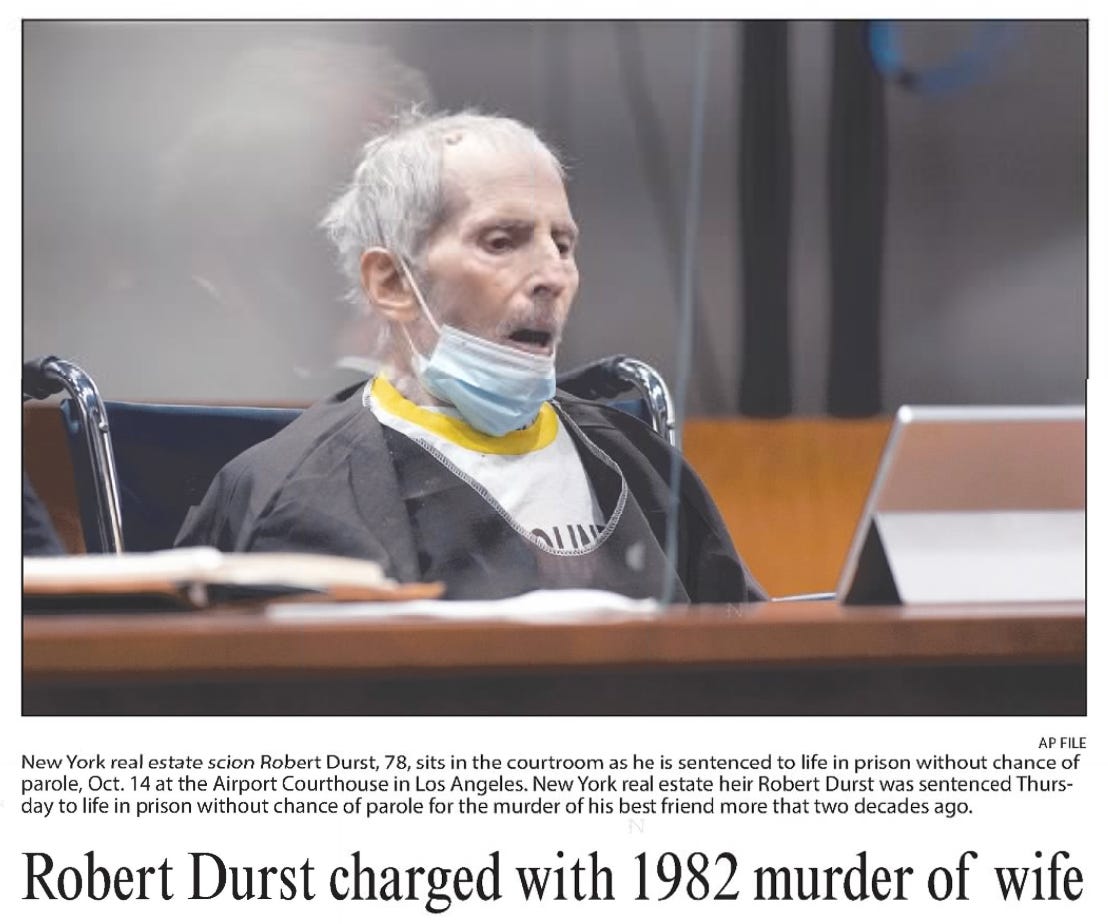
After several more delays by Durst’s attorneys, he was eventually convicted of the first-degree murder of Susan Berman on September 17, 2021. In October, he was sentenced to life in prison without the possibility of parole. Days after that conviction, he was also charged with the murder of his first wife, Kathleen. She had been missing for forty years and had been declared legally dead years before.
Death and Aftermath
Though it looked as though Robert Durst would finally be held accountable for his wife’s death, he would never make it to trial. After dealing with numerous health problems, Durst died of cardiac arrest in a prison hospital on January 10, 2022, at age 78.
As of this writing, there are several legal battles taking place over Robert Durst’s estate, which has been valued at more than $100 million. Kathleen McCormack’s family has filed numerous civil suits, the most recent of which remains in the pre-trial phase. In a roundabout way, justice was finally served, although Kathleen’s body has never been found. Kathleen’s family is still trying to hold the Durst family legally accountable for her death.
Sources:
Bruce, Amanda. “David Marks: Everything to Know about the Florida Man Who Inspired the All Good Things Character.” ScreenRant, 26 Nov. 2024, https://screenrant.com/david-marks-florida-ryan-gosling-all-good-things-character-explained/
Patmore, Neil. “What Happened To Kathleen McCormack, The Missing Wife Of Multimillionaire Murderer Robert Durst?” ATI, 17 April 2023, https://allthatsinteresting.com/kathleen-mccormack
Speicher, Jeffrey. “Ryan Gosling Has Never Been Darker Than When He Played a Real-Life Murderer.” Collider, 15 March 2024, https://collider.com/ryan-gosling-all-good-things/
Wow!!! This is one hell of a case let alone story!! I have never heard of that title of the movie starring Gosling and Dunst!!! Now it’s time to watch this bi-optic of murder and mystery!!!!!
Wow - this case is incredible. I hadn't heard of the Gosling/Dunst movie, but was absolutely by The Jinx, you could not make this case up! A brilliant article :-)