


Background
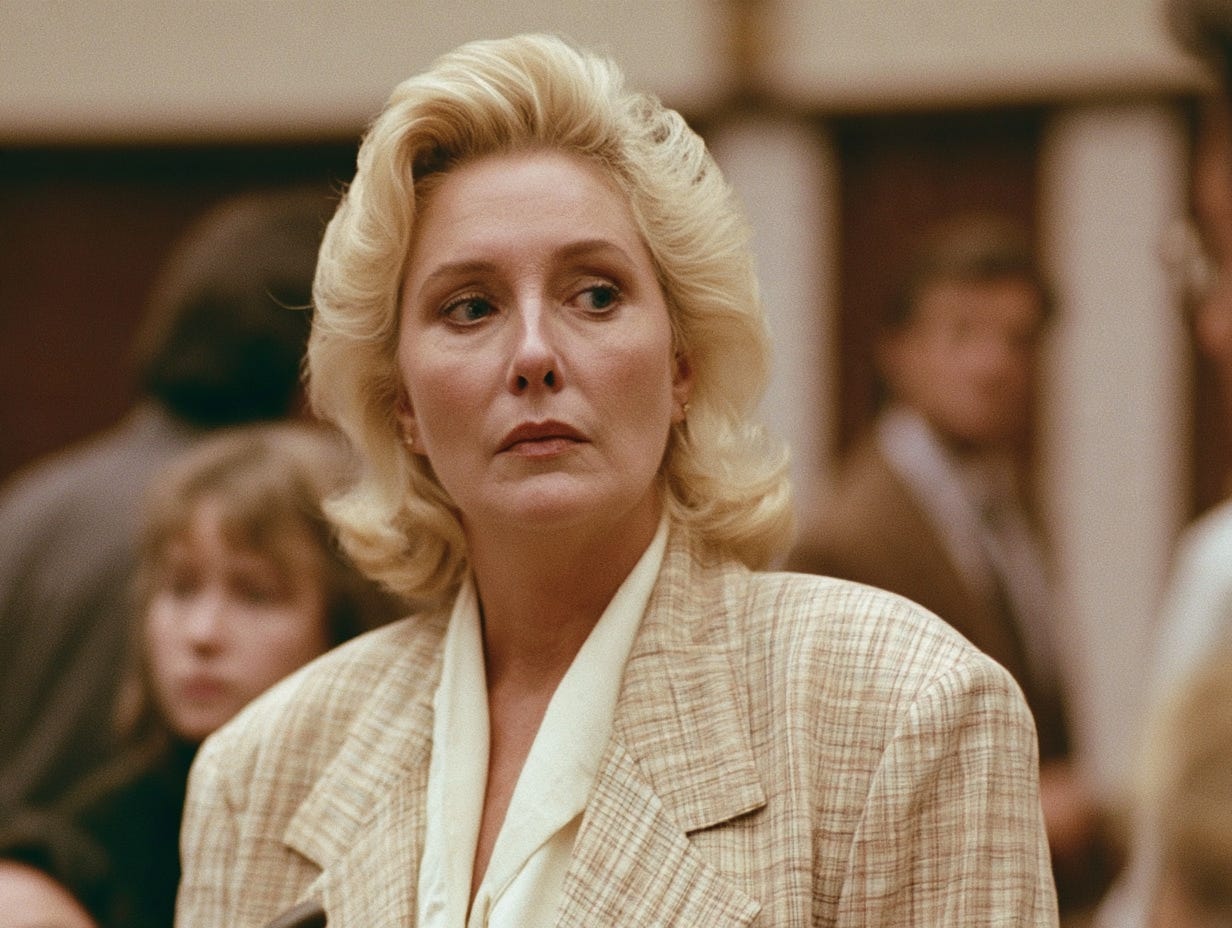
In the early morning hours of November 5, 1989, Betty Broderick entered the home of her ex-husband — prominent attorney Dan Broderick — and his new wife, Linda, and shot them both to death as they slept.1 Although she never denied pulling the trigger, Betty later claimed the murders were not premeditated. During her trial, Betty claimed that she had been battered, scorned, and pushed to the breaking point.
A jury ultimately convicted her of second-degree murder, and she died in a California prison, still insisting she had never meant to kill anyone. The story of Elizabeth “Betty” Broderick has been the subject of media attention since 1989. Several books, a TV movie, and an eight-part mini-series have all showcased her controversial story.
Early Life
Elizabeth Anne "Betty" Bisceglia was born on November 7, 1947, and raised in Bronxville, New York, the third of six children of Marita and Frank Bisceglia. With an Irish American mother and an Italian American father, Betty lived in a home with strict parents who expected a lot from their children. Betty would later say that from an early age she was raised with the expectation of becoming a housewife and mother.
Her father, Frank, owned a successful plastering business with other relatives, so Betty grew up surrounded by family. Betty graduated from Eastchester High School in Eastchester, New York, in 1965 and later graduated from the College of Mount Saint Vincent in the Bronx with a degree in early childhood education and a minor in English.

Marriage to Dan Broderick
Betty first met her future husband, Dan Broderick, at a dance in 1965 at the University of Notre Dame in Indiana. Betty was just seventeen while Dan, a twenty-one-year-old senior, was about to graduate from Notre Dame and enter Cornell Medical School.2
Born in Pittsburgh, Pennsylvania, Dan was the oldest son of a large, Irish Catholic family. His parents had similar expectations to Betty’s. The goal was to meet the right girl, get married, and raise a large family.
After Betty’s murder conviction, she wrote an autobiography where she described the beginning of their relationship:
“Dan never once wavered from his goal of making me his wife. He would wait; he would do and say whatever was necessary, even agreeing with me when he didn’t, and doing things I wanted to do when he didn’t, until he had me. Nobody ever used the terms ‘obsessive-compulsive’ or ‘stalker’ back then, but that’s what he was.”
Betty and Dan married on April 12, 1969, at Immaculate Conception Church in Tuckahoe, New York. The vow, “until death do us part,” would later take on an eerie foreshadowing. The couple’s first child, Kim, was born in 1970. Another daughter, Lee, followed in 1971. They later had two sons, Daniel in 1976 and Rhett in 1979. They also had an unnamed baby boy who died days after his birth.
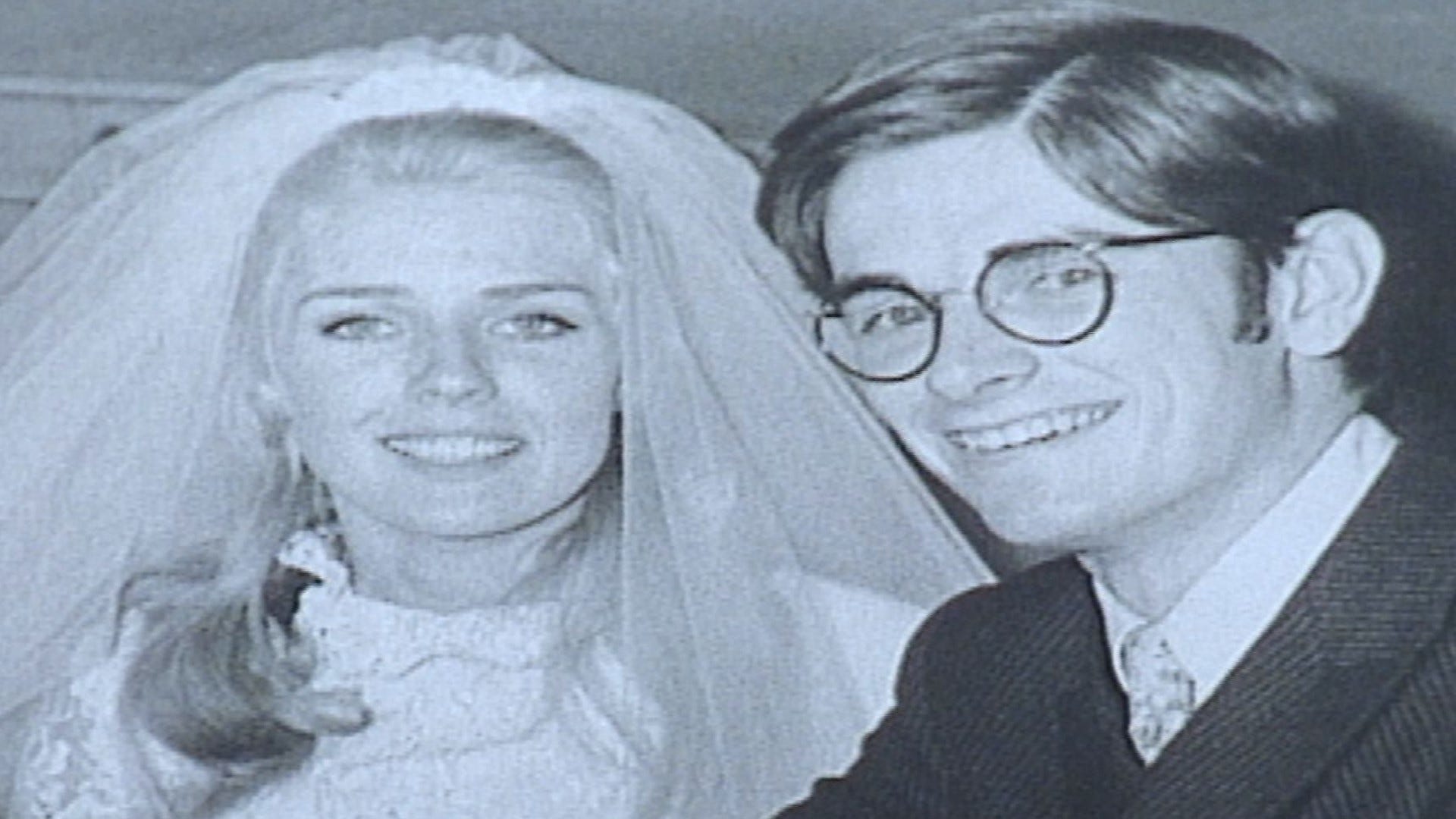
Shortly after Kim’s birth, Dan Broderick completed his medical degree at Cornell. Dan then announced his intention to pair his M.D. with a Doctor of Law degree and enrolled at Harvard Law School. Betty had no choice in the decision. While Dan attended Harvard, Betty became the family's main provider, working part-time and selling Tupperware and Avon products while raising the children.
When Dan graduated in 1973, he was hired by one of San Diego's largest firms, and the family settled in the affluent community of La Jolla, California. For a few years, life was good. The couple owned a mansion in La Jolla, a boat, and a ski condo in Colorado. They belonged to two country clubs and led a glittering social life. The Broderick children attended prestigious private schools.
Then in 1978, after five years of defense litigation work and training as an associate, Dan left the large firm. He founded a small, boutique law firm specializing in medical malpractice litigation on behalf of plaintiffs. With backgrounds in both medicine and law, Dan’s firm prospered.

Accusations and Divorce
In the early 1980s, as his practice thrived, Dan hired twenty-one-year-old stewardess Linda Kolkena as his legal assistant. A year later, in October 1983, Betty began to suspect Dan and Linda were having an affair. Dan denied it. Betty retaliated by burning his custom-made suits in the backyard.
Whether an affair was underway during the marriage was never established. Eventually, Dan moved out of the family home in February 1985. He called Betty “crazy”. Not that Betty cared at that point. The home was undergoing renovations and was empty, leaving Betty to provide for the children alone.
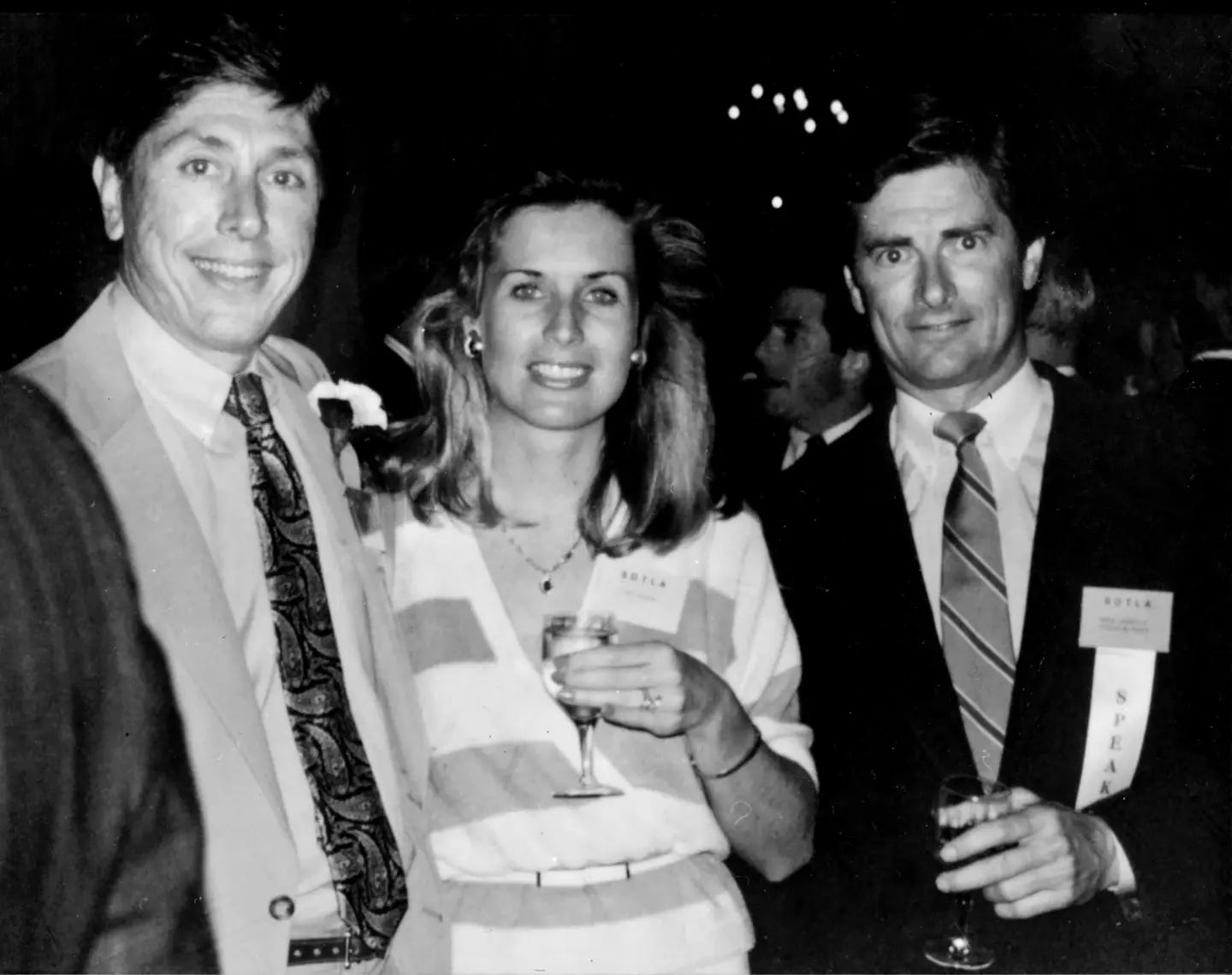
Later, when Dan and Linda moved into the family home together, he had a restraining order issued to keep Betty away. She retaliated by dropping the children off one by one. Betty left angry messages on the couple’s answering machine. She defied the restraining order and entered the house using a key taken from her daughter, Kim. She vandalized the house by smashing mirrors, spraying paint on the walls, and smearing cream pie all over Dan’s bed.
Eventually, Dan filed for divorce. It became one of the worst, most contentious divorces in San Diego history.3 Dan and Betty fought over money, the custody of the children, and everything else for four long, bitter years.
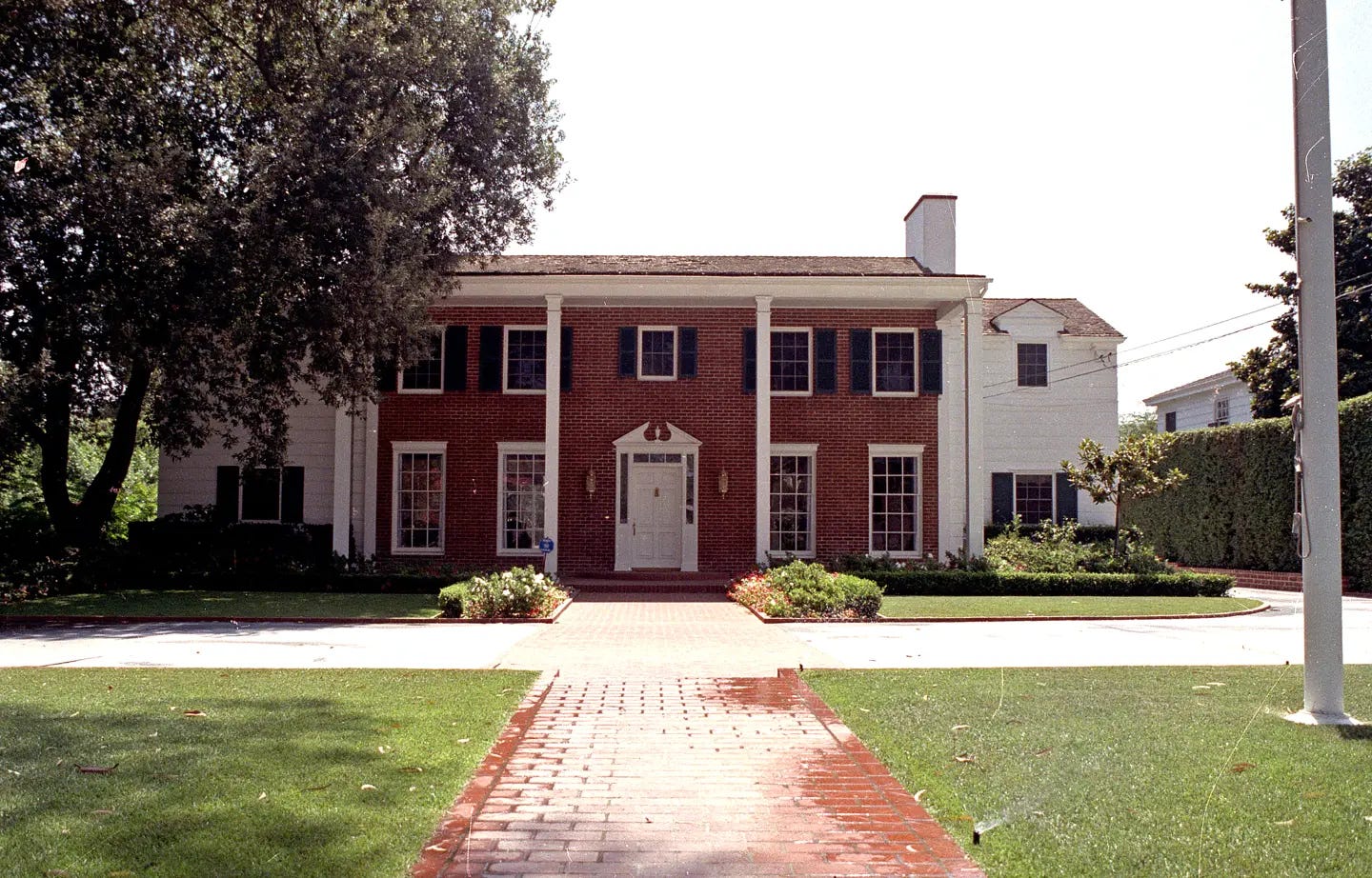
Betty rammed her car into the front door of the house while the children were inside. She continued leaving vicious messages on the answering machine. Dan had her jailed three times and committed her to a psychiatric hospital for three days. Betty became increasingly erratic.
Dan Broderick was a prominent local attorney and president of the San Diego Bar Association. Betty claimed this made it hard for her to find an attorney to represent her side of the divorce. She also claimed Dan used his legal influence to win custody of the children, sell the house, and squeeze her financially.
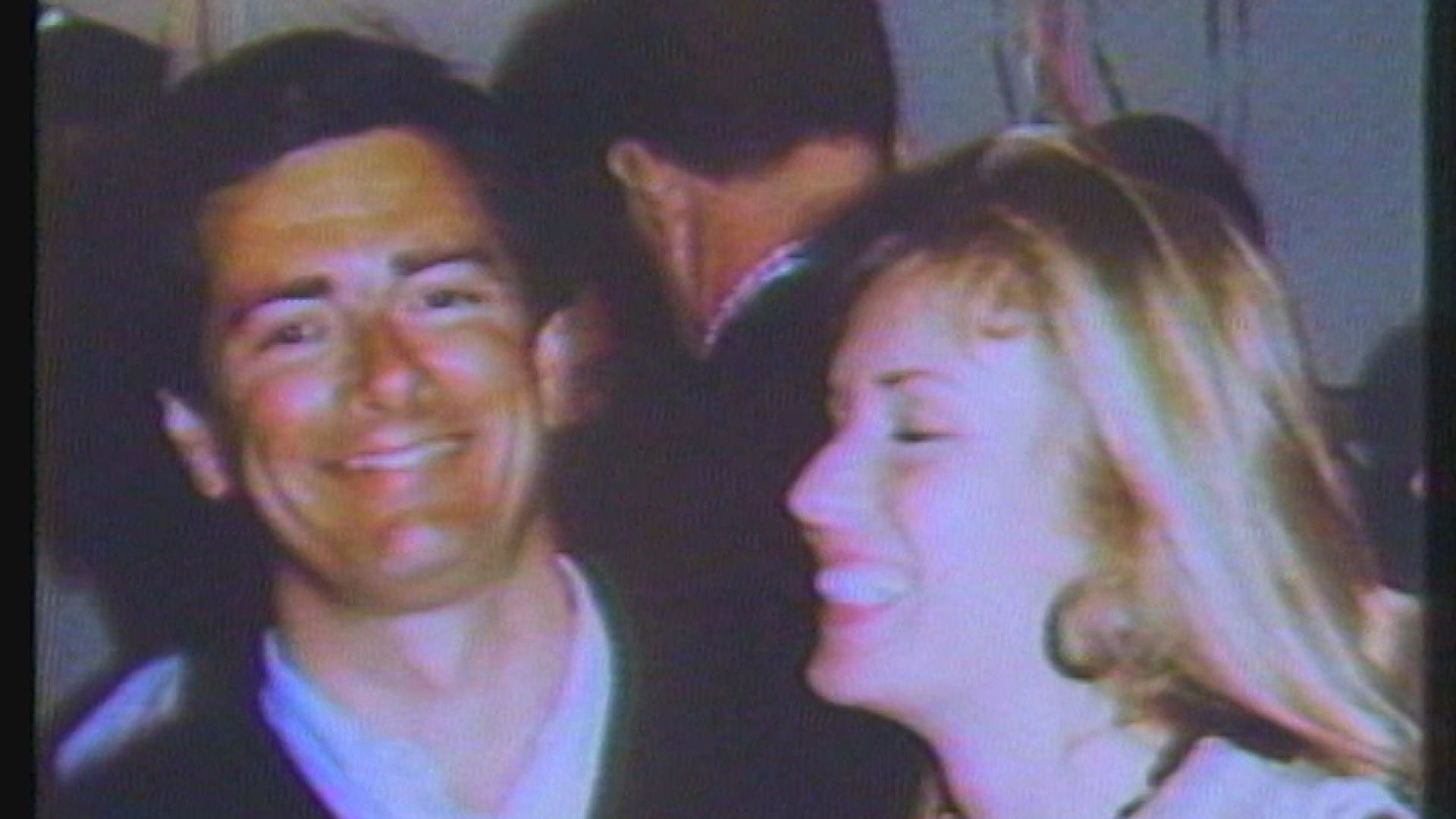
In 1989, four years after filing, the divorce was finalized. Four months later, Dan and Linda were married. The wedding took place on April 22, 1989. Linda was so concerned about Betty showing up that she urged Dan to wear a bulletproof vest. He refused but did hire extra security guards for the wedding.
Murders
Betty would later claim that Linda taunted her by mailing ads for facial creams and slimming ads. In Betty’s already unstable state of mind, these insults may have been the final straw.
A month before Dan and Linda’s wedding, Betty had purchased a .38-caliber revolver. Seven months after the wedding, in the predawn darkness of November 5, 1989, she drove to Dan's house at 1041 Cypress Avenue in Marston Hills, near Balboa Park, and slipped inside using a key she had taken from her daughter, Kim.
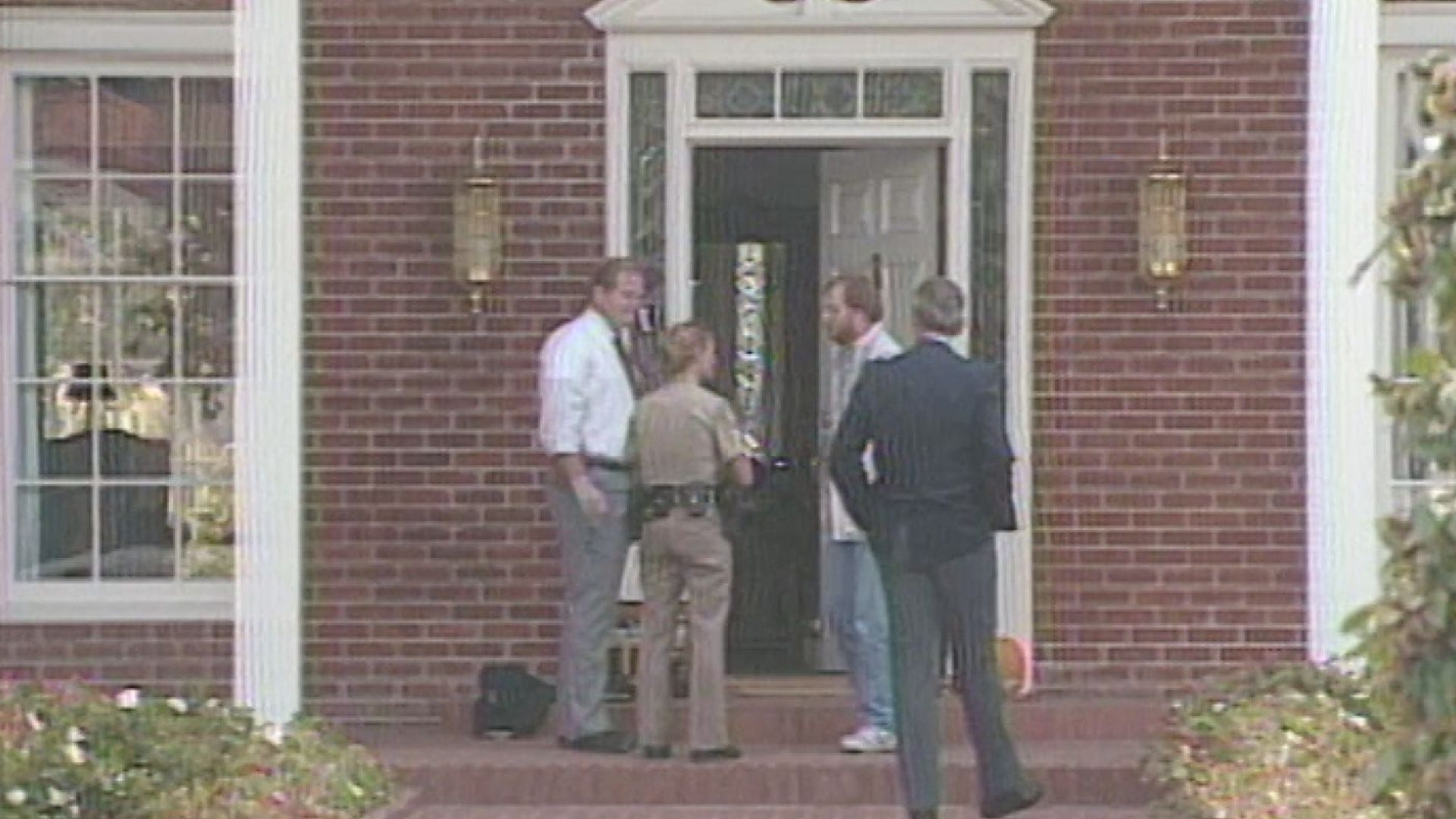
Making her way to the couple’s bedroom, Betty shot Linda twice, hitting her in the head and chest.4 She died instantly without ever waking up. Dan was hit once in the chest; evidence indicated he had reached toward a nightstand, and that Betty had earlier pulled the bedroom phone from the wall so he could not call for help. Medical testimony suggested Dan did not die instantly, and Betty later said she spoke to him before he died. Dan was 44; Linda was 28.
As soon as Dan was dead, Betty contacted her daughter, Lee, and Lee’s boyfriend. She then turned herself in to the police. Although Betty never denied pulling the trigger, she claimed she had just gone to the house to talk to the couple.
At her murder trial, Betty would tell the court, “I’m turning 42 years old. Seven years of my life wasted. I was just a mess. Everything just came down on me, and I couldn’t stand it another minute.”
Later, Betty would say she couldn’t remember firing the gun.
Trials and Verdict
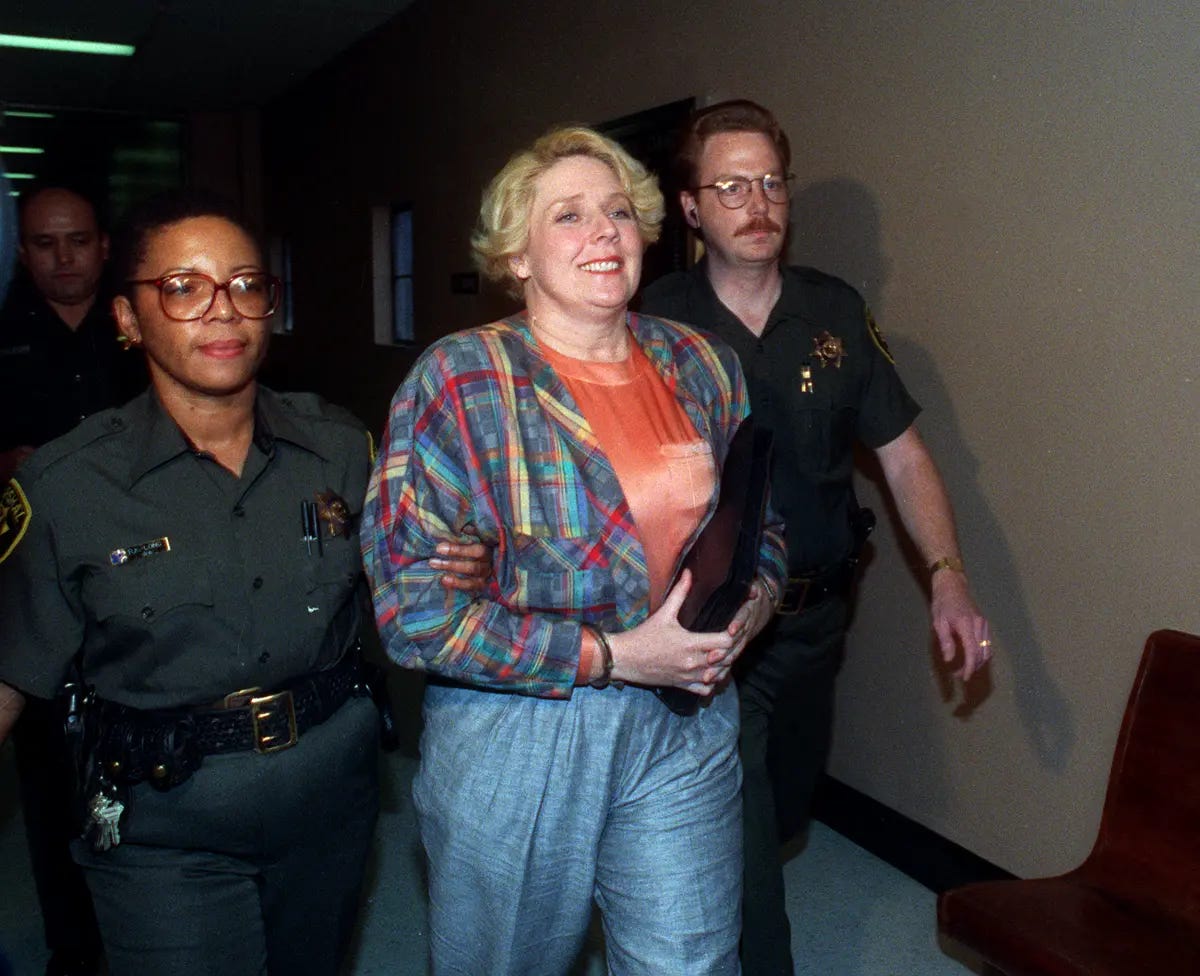
Betty Broderick’s trial for the murder of her ex-husband, Dan, and his wife, Linda, was the first trial shown on Court TV in the San Diego area.5 Criminal defense attorney Jack Earley represented Betty at the trial. The defense claimed Betty was a battered wife, driven over the edge by years of psychological, physical, and mental abuse by her ex-husband, Dan.
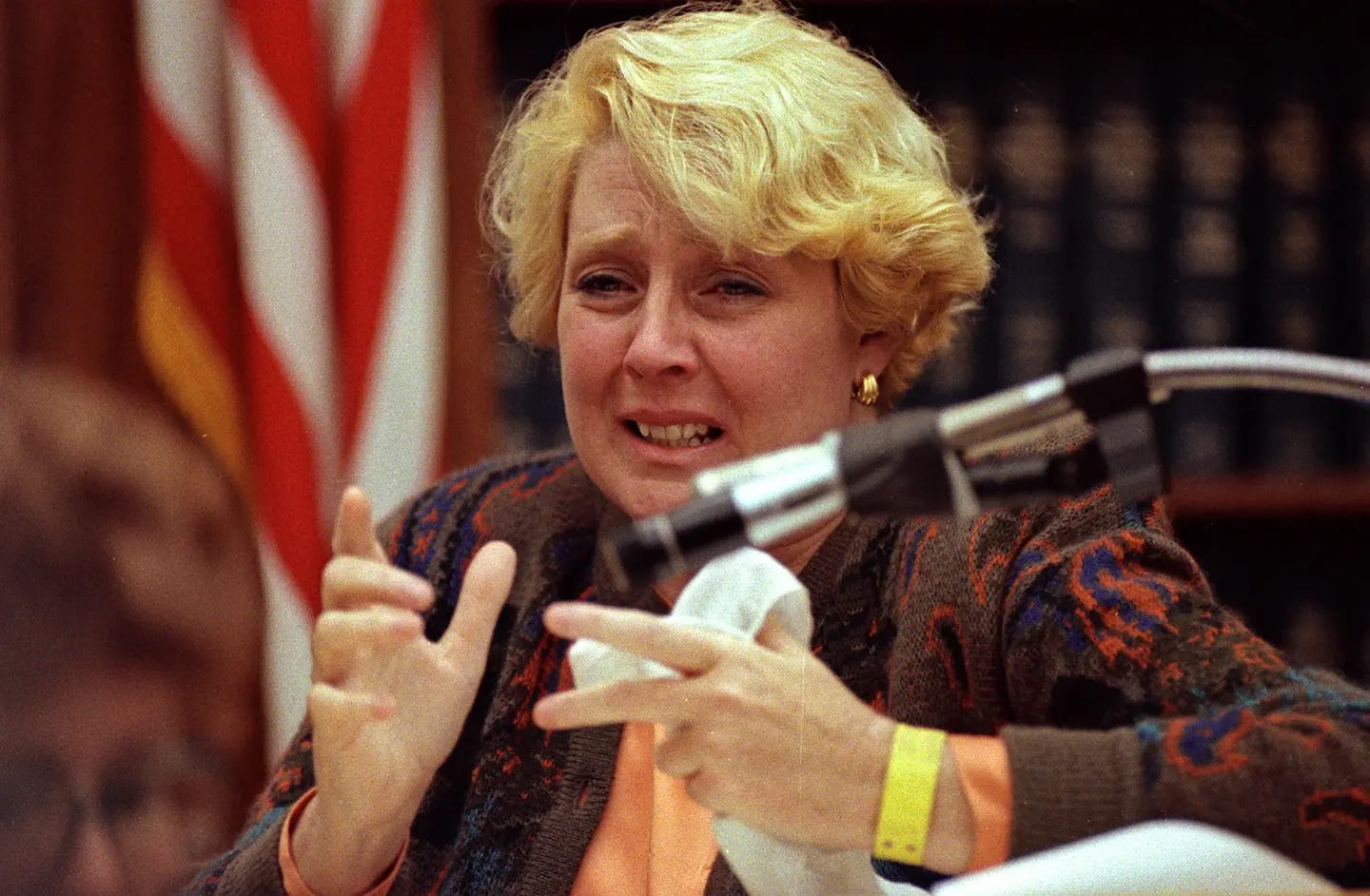
Prosecutor Kerry Wells, on the other hand, argued that Betty was not an abused wife, but rather a murderer who planned and schemed to kill her ex-husband out of revenge for his affair with Linda.6 The forensic psychiatrist and criminologist, Dr. Park Dietz, testified for the prosecutor. He claimed Betty had a histrionic and narcissistic personality disorder. In a surprise twist, the defense's clinical psychologist agreed.
Betty Broderick pled not guilty and showed no remorse for her actions. In fact, Betty made it clear she had been a devoted wife and mother, even putting Dan through law school. Afterward, he’d thrown her away for a younger woman. Betty emphasized that he had taken her home and her children and pushed her to the brink mentally and emotionally.
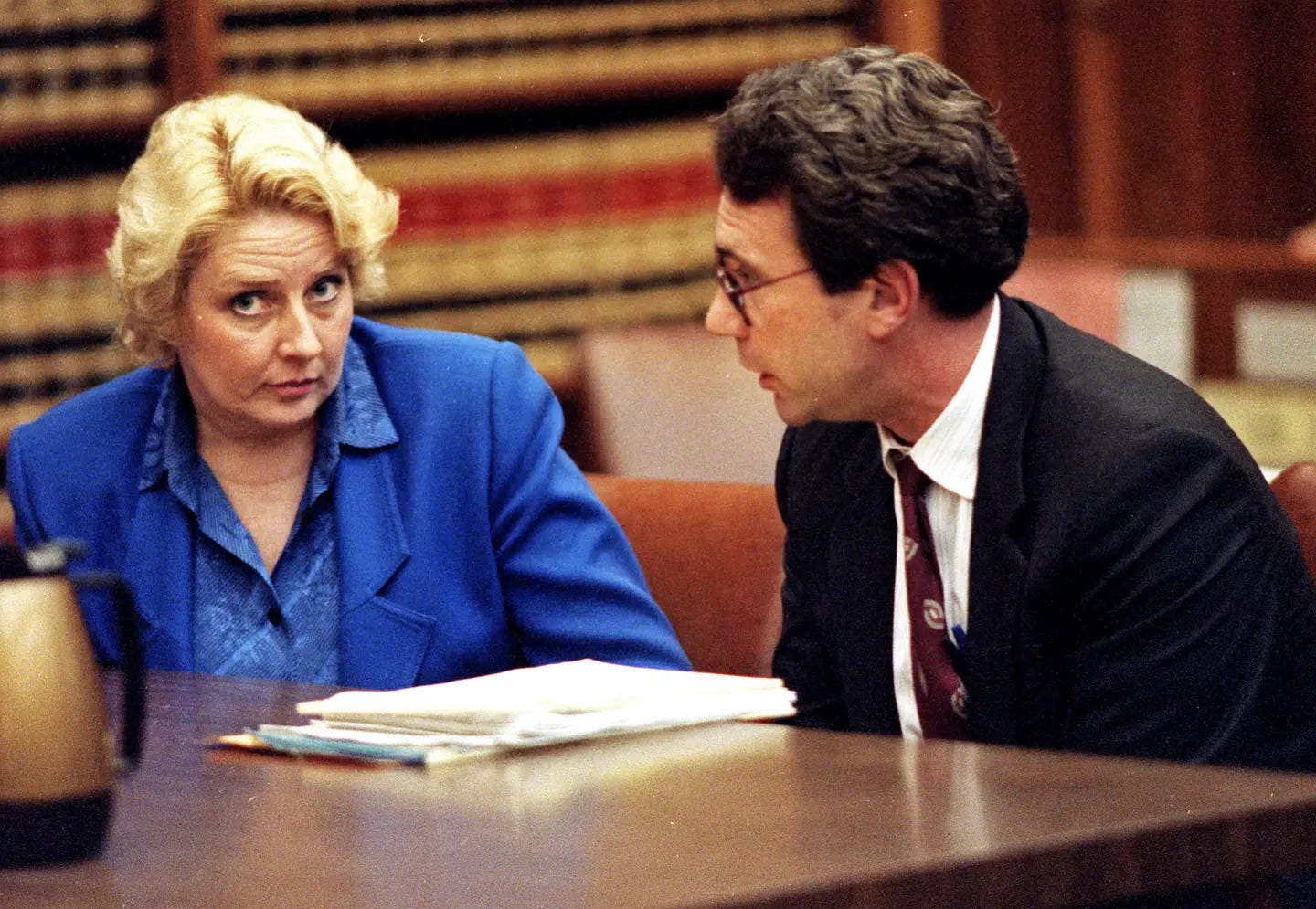
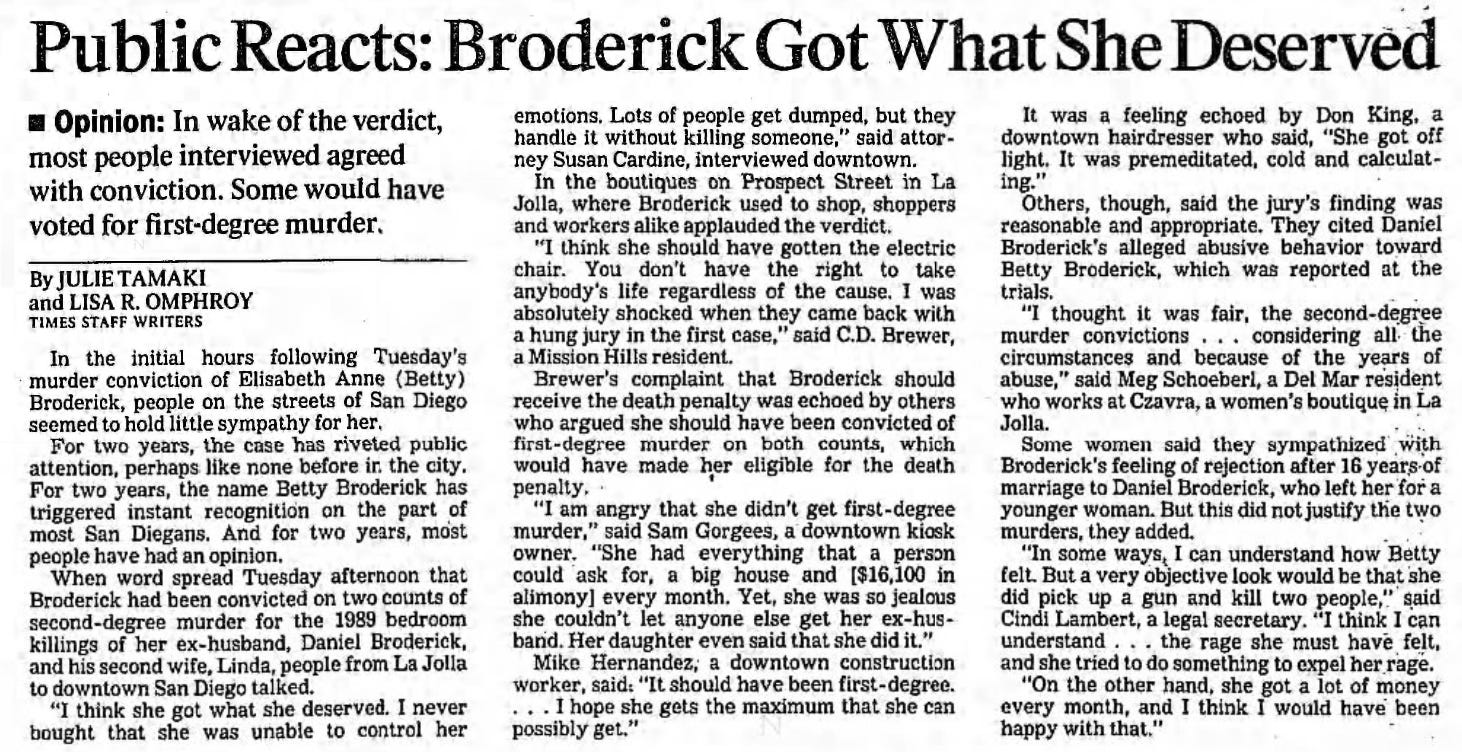
The trial ended with a hung jury, and a mistrial was declared by Judge Thomas J. Whelan. A year later, Betty’s second trial began and became almost a duplicate of the first, except for the verdict. The jurors found her guilty on two counts of second-degree murder.
Prison and Death
Betty was sentenced to two consecutive terms of fifteen years to life, the maximum sentence under the law, plus two additional years for the illegal use of a firearm.
After the trials, Betty’s relationship with her children was mixed. Her two older children, who’d been victimized along with their father, testified against Betty and wanted her to be jailed, while her two sons were more lenient in their feelings toward her.
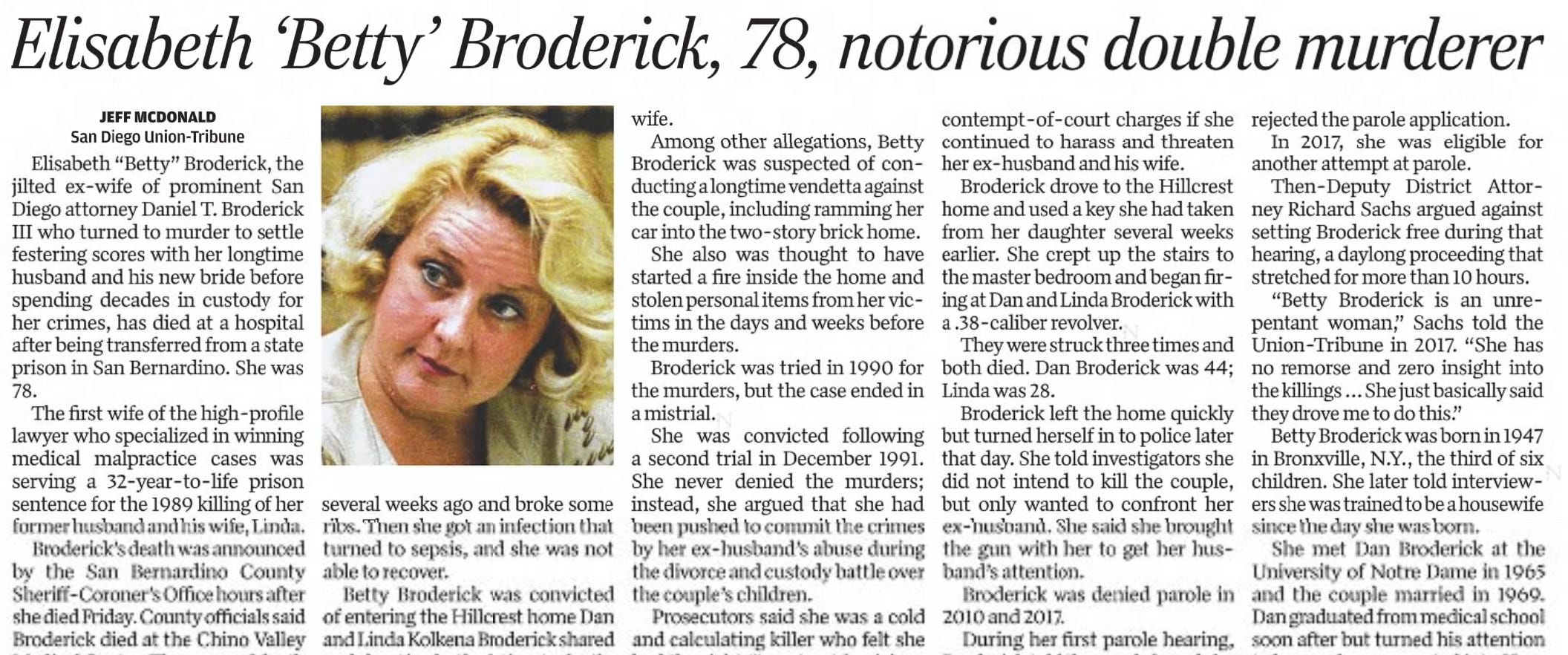
In 2026, she was moved from the women's prison in Chino to an outside medical facility. According to her son Rhett, she had suffered a fall that broke several ribs and led to a septic infection; she died on May 8, 2026, at age 78, with family present.7 Her next eligibility date for parole would have been in 2032.
Legacy
Betty Broderick’s story in the Los Angeles Times Magazine led to a two-part movie starring Meridith Baxter, A Woman Scorned: The Betty Broderick Story. Baxter would later receive nominations for an Emmy Award and an American Television Award for her portrayal of Betty.
Betty also made appearances on The Oprah Winfrey Show, Hard Copy, 20/20, and Headliners and Legends. At least five books were written about her life and the murders, and Betty gave numerous in-person interviews. In 2015, she published a memoir titled “Telling on Myself.”
Wikipedia. "Betty Broderick." Wikimedia Foundation. Accessed November 14, 2026. https://en.wikipedia.org/wiki/Betty_Broderick
A&E Real Crime. "Inside the Psychological Battleground That Pushed San Diego Socialite Betty Broderick to Commit Murder." A&E. Accessed November 14, 2026. https://www.aetv.com/real-crime/inside-the-psychological-battleground-that-pushed-san-diego-socialite-betty-broderick-to-commit-murder
Wallace, Amy. "Till Murder Do Us Part." Los Angeles Times, June 3, 1990. https://www.latimes.com/la-me-broderick3jun0390-story.html
Times of San Diego. "Convicted Murderer Betty Broderick Dead at 78." Times of San Diego, May 9, 2026. https://timesofsandiego.com/crime/2026/05/09/convicted-murderer-betty-broderick-dead-at-78/
Biography.com Editors. "Betty Broderick." Biography.com. Accessed November 14, 2026. https://www.biography.com/crime/betty-broderick
Oxygen. "Where Is Kerry Wells, the Prosecutor From the Betty Broderick Murder Case, Now?" Oxygen. Accessed November 14, 2026. https://www.oxygen.com/true-crime-buzz/kerry-wells-prosecutor-betty-broderick-murder-case
Court TV. "Betty Broderick, Who Murdered Her Ex and His New Wife, Dies in Custody." Court TV, May 2026. https://www.courttv.com/news/betty-broderick-who-murdered-her-ex-and-his-new-wife-dies-in-custody/
She was never remorseful, Hell hath no fury like a woman scorned- she sent the 2 adulterers to Hell on the express train and sealed her own fate.