


Background
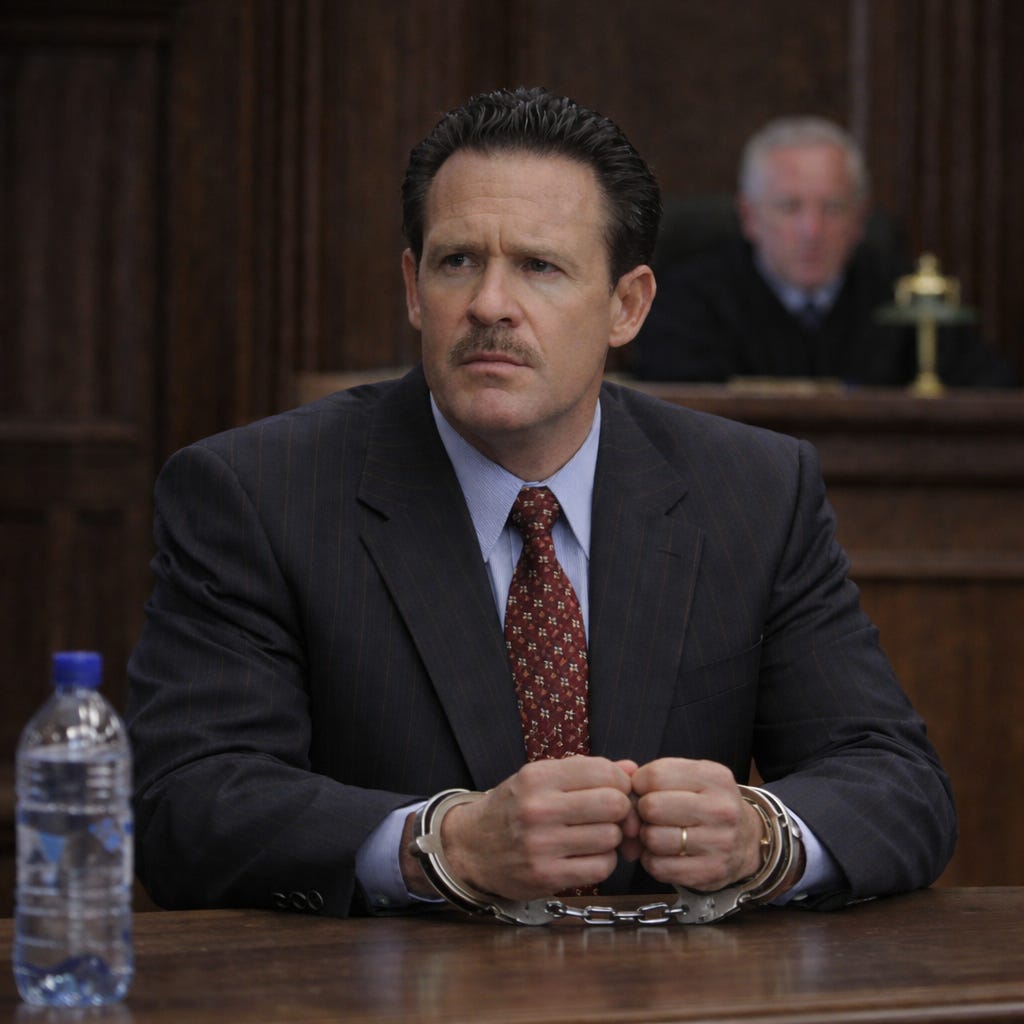
In the world of criminal law, a lawyer's reputation is everything. Paul Bergrin’s was built on success, on winning cases others couldn’t, and defending clients others wouldn’t, but the deeper he moved into that world, the harder it became to tell where the law ended and something far more dangerous began.
A Formidable Presence
There is a certain level of trust placed in those who operate within the justice system, an expectation that even in the adversarial environment of a courtroom, there are lines that simply are not crossed.
Defense attorneys may push boundaries, challenge evidence, and dismantle prosecutions piece by piece, but they are still bound by the same laws they work within. The justice system depends on that balance -without it, the entire structure begins to fracture.
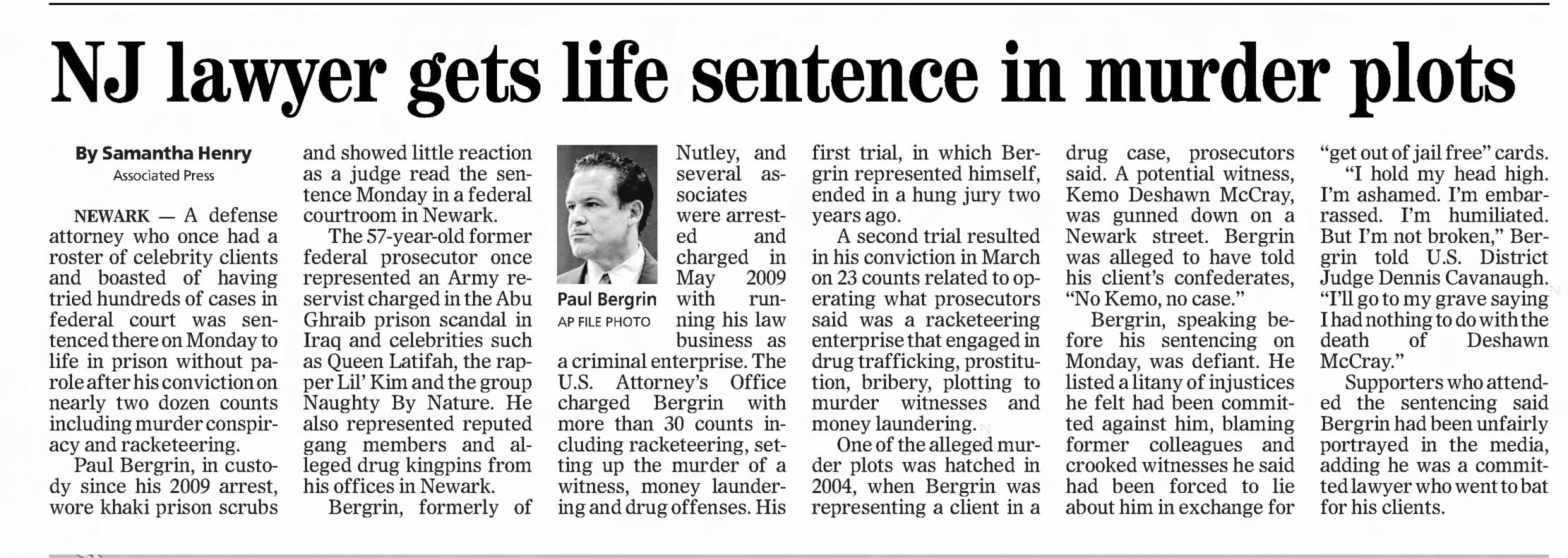
Paul Bergrin understood that system better than most; he had built his career inside it, learned its weaknesses, and earned a reputation as someone who could navigate it with precision.
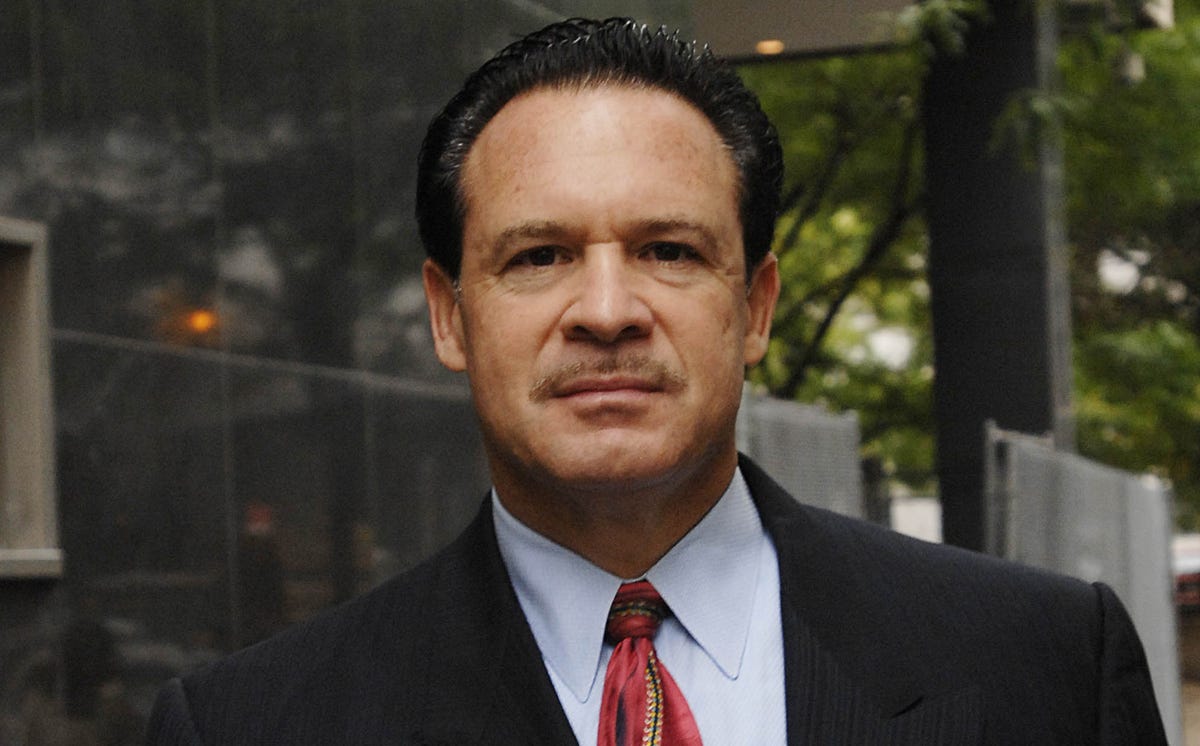
Bergrin, who grew up in Queens, New York, attended Brooklyn College before graduating from law school in Florida. He was admitted to the Florida and New Jersey bars in 1980 and the New York bar in 1986.
By the time he established himself as a defense attorney, he was already known as a formidable presence in the courtroom. A lawyer who approached every case like a battle and who, more often than not, walked away victorious. For clients facing serious charges, particularly those tied to organized crime and drug trafficking, Bergrin became the man to know.
What made Bergrin effective was not just his legal ability, but his experience. He had served as a federal prosecutor in New Jersey, handling violent crimes and building cases designed to put people behind bars for life. That background gave him insight into how prosecutors think, how evidence is structured, and where cases are most vulnerable.
It also gave him something less tangible but just as important: credibility. He wasn’t just another defense lawyer looking for a win; he was someone who had once represented the system itself.
Bergrin built a successful practice, taking on difficult cases and developing a reputation for defending clients that others might avoid. He was known for his confidence, his aggressive style, and his willingness to fight relentlessly, particularly for those he saw as overlooked or unfairly targeted. To many of his clients, he was more than a lawyer. He was a lifeline.
But somewhere along the way, that role began to change.
Blurred Lines
The shift, or “switching” of sides, was not immediate, nor was it obvious from the outside. Bergrin continued to appear in court, win cases, and cultivate the image of a successful attorney. Behind that image, however, his connections to the criminal world were beginning to deepen. He was no longer simply representing individuals involved in illegal activity; he was spending time with them, conversing, and building relationships that started to extend beyond the courtroom.
According to federal investigators, those relationships eventually evolved into something far more serious. Bergrin became entangled in criminal operations that went well beyond legal representation. One of the earliest clear signs of this transformation came through his involvement with a New York-based escort service.
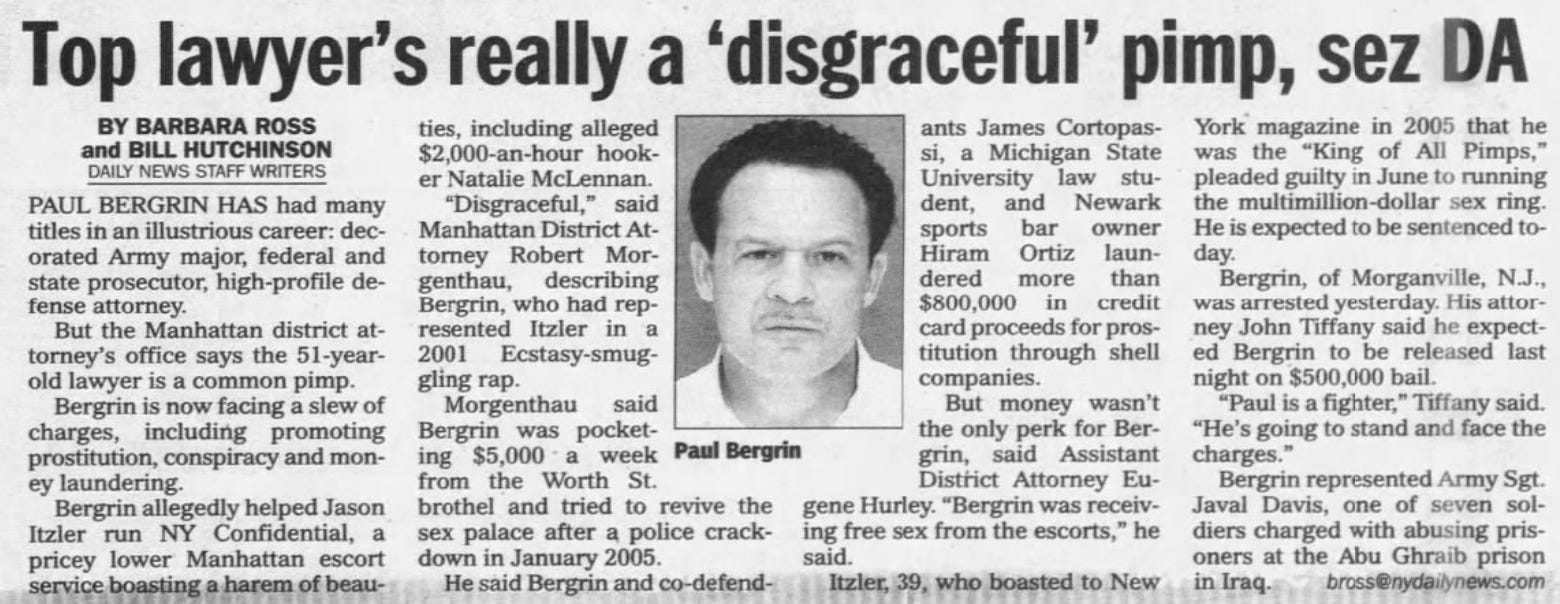
Bergrin’s role in the escort service, which operated behind the front of a nightclub, expanded over time, particularly after the owner was arrested. Prosecutors would later argue, at that point, he effectively took control of the business, overseeing its activities, all while continuing to present himself as a legal professional.
This juxtaposition created a dual existence for Bergrin. It became a defining feature of his life, and he began to move between courtrooms and criminal environments with ease, maintaining the appearance of legitimacy while becoming increasingly embedded in the very world he was supposed to fight against.
As the lines between lawyer and criminal continued to blur, Bergrin’s status and wealth increased. Late nights and close associations with individuals deeply involved in drug trafficking and organized crime became routine.
At the same time, his approach to defending clients was becoming more extreme.
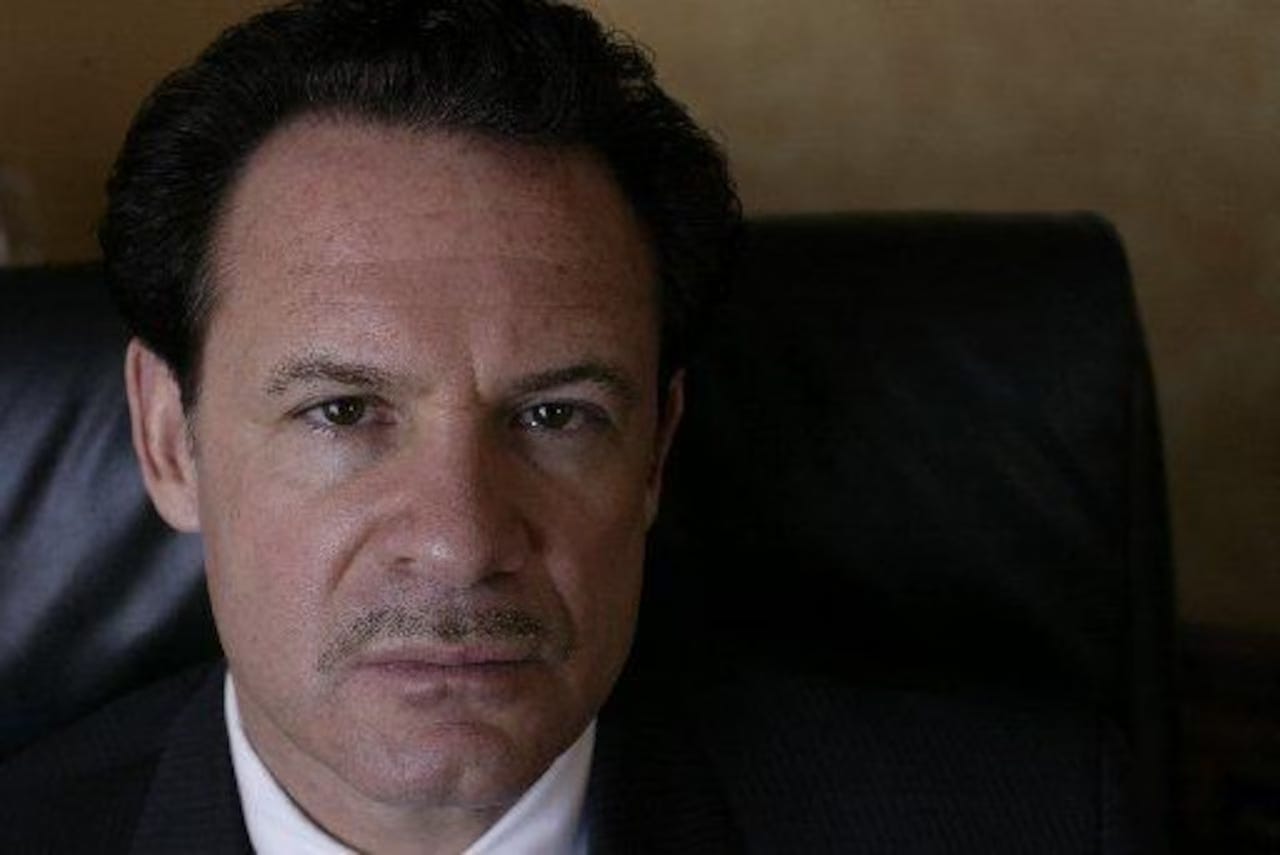
“No Witness, No Case”
To Bergrin, winning had always been important, but over time it appeared to take on a different meaning. Winning was no longer simply about legal success; it became something closer to necessity, a base need that couldn’t be ignored. That mindset, according to prosecutors, led him to adopt tactics that went far beyond the boundaries of the law.
Allegations began to surface that witnesses connected to his cases were disappearing, and that testimony was being undermined in ways that could not be explained by legal strategy alone. Those suspicions would eventually center around a phrase that came to define the case against him: “No witness, no case.”
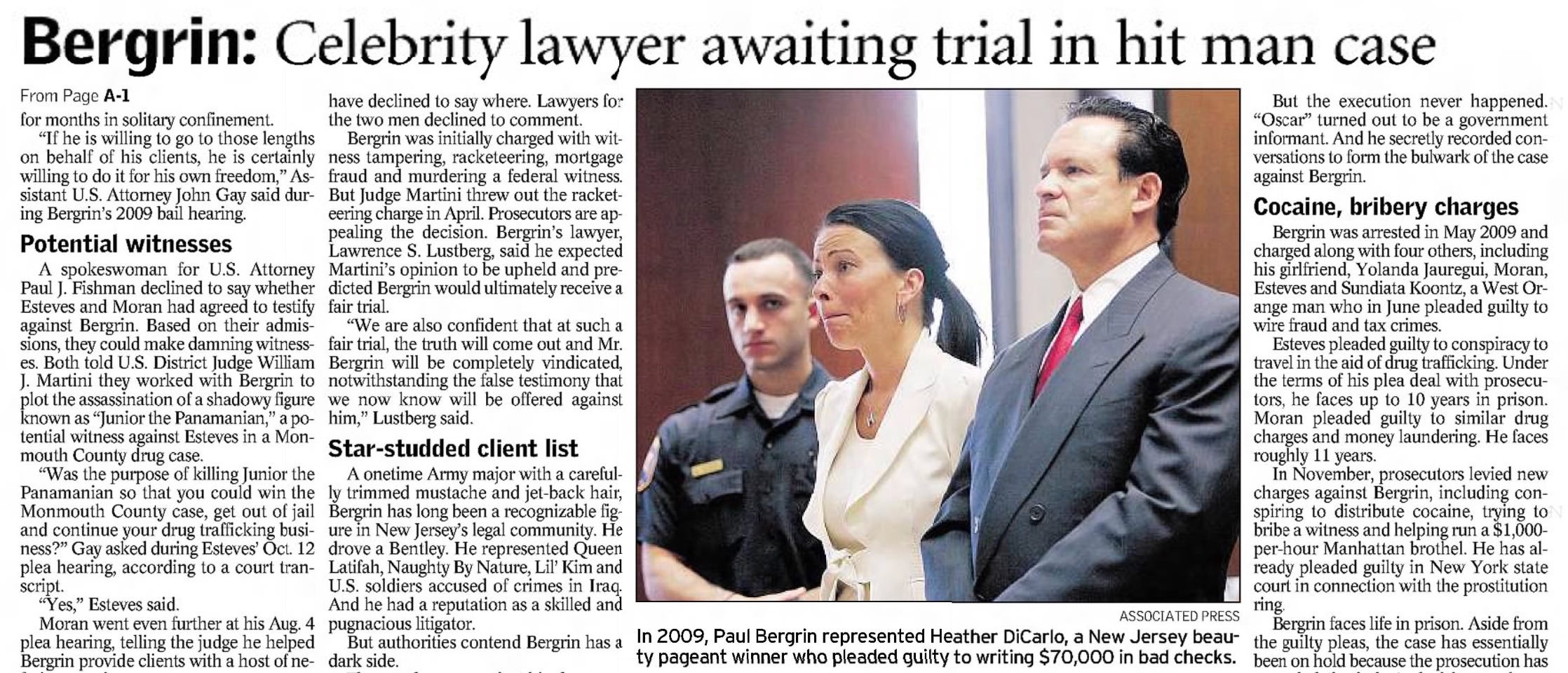
It was a simple concept rooted in reality; many prosecutions rely heavily on testimony, and without a witness, many cases can collapse. Bergrin didn’t just understand that principle; he acted on it. Federal authorities alleged that he “conspired to eliminate witnesses” who posed a threat to his clients, ensuring that prosecutions would fail before they could fully take shape.
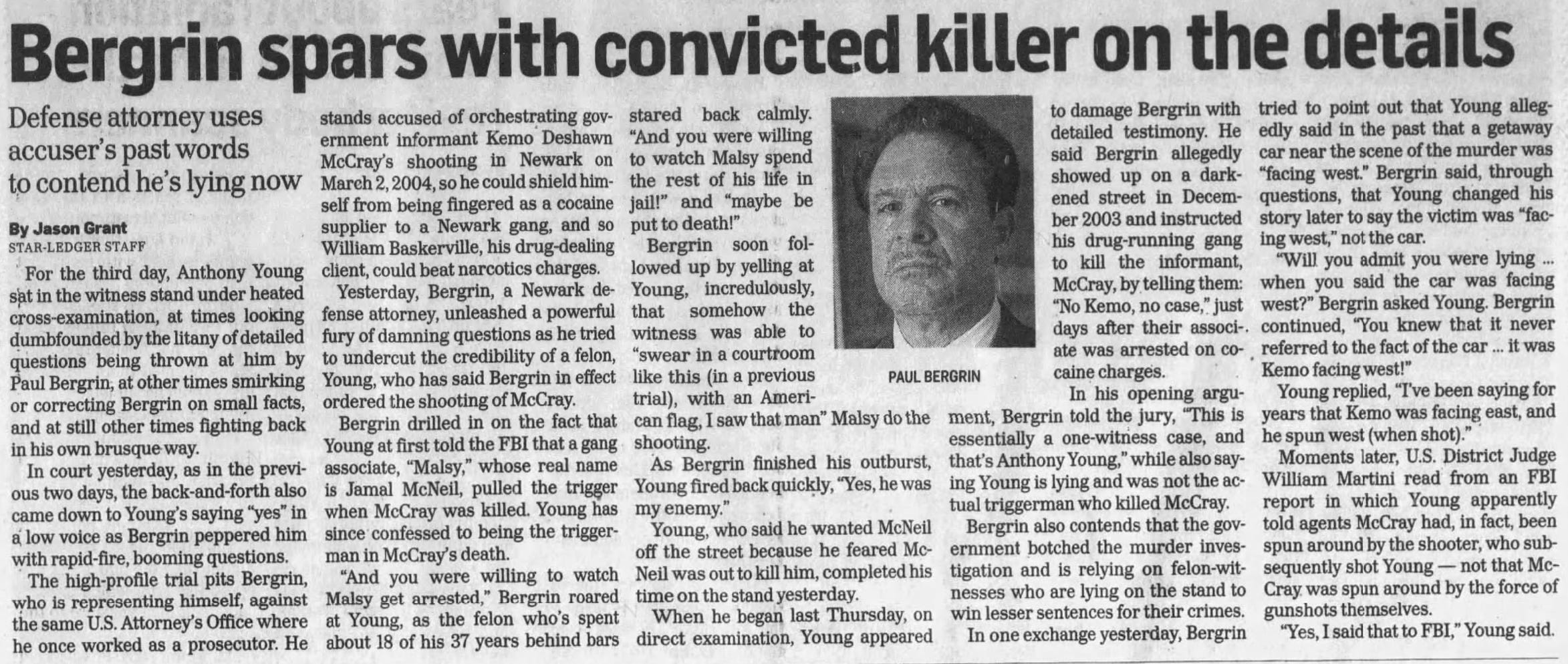
One such case involved a cooperating witness in a drug investigation who was murdered before he could testify. DeShawn McCray, known on the streets as “Kemo”, wasn’t a high-profile figure, nor was he someone who would have drawn attention outside of the investigation he became part of. But in the eyes of federal prosecutors, he was something far more significant- he was the witness who could tie everything together.
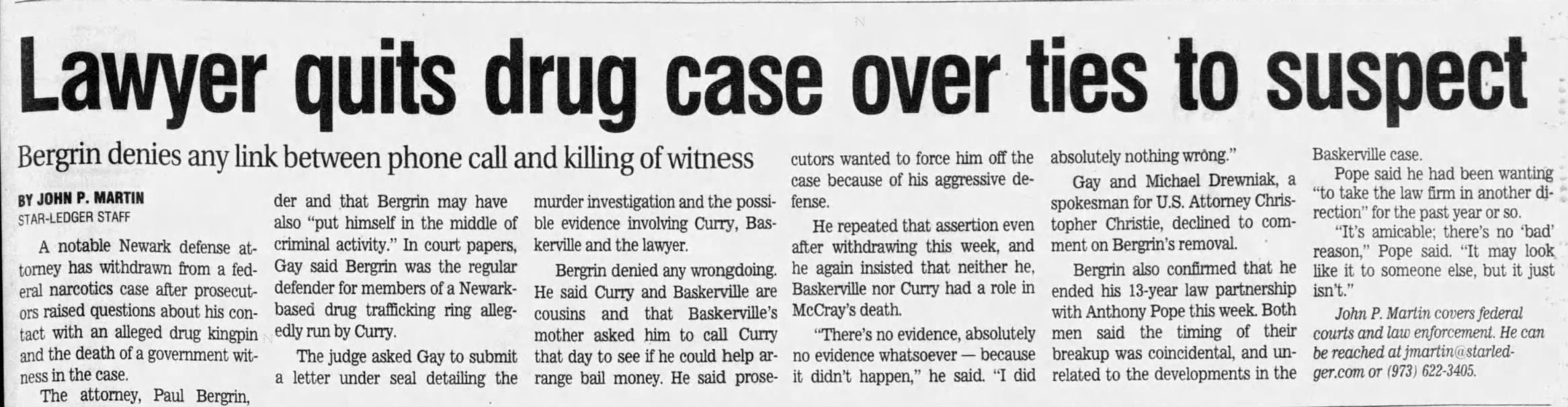
McCray had been working with law enforcement, carrying out controlled drug buys in Newark as part of a wider effort to build a case against a dealer named William Baskerville. It was the kind of role that came with risk; informants operate in a space where exposure can be fatal. Once their identity becomes known, there is very little separating them from retaliation.
That risk became reality when Baskerville was arrested and met with Bergrin. During that meeting, McCray’s name surfaced as the government’s key witness, the person whose testimony could secure a conviction. Under normal circumstances, that information would remain confined to legal strategy, protected by the boundaries that govern attorney-client relationships, but this case did not follow normal circumstances
Bergrin allegedly told a Latin Kings gang member secretly working with the government, "It cannot under any circumstances look like a hit," but would later claim it was "bluffing" and "gamesmanship" in which Bergrin led the presumed hit man on after he realized the man had no intention of killing anyone.
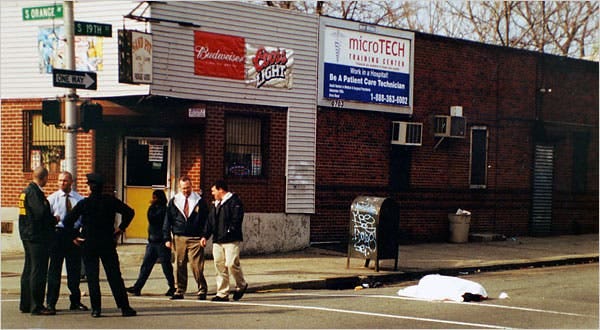
Murder of DeShawn McCray
McCray’s identity did not stay contained within the walls of a legal consultation; instead, it was allegedly passed along to individuals connected to Baskerville’s drug network, accompanied by a simple message: If McCray testified, the case would move forward. If he didn’t, it would fall apart.
Not long after, in March 2004, McCray was walking along a street in Newark when he was approached and shot multiple times. The attack was direct, deliberate, and left little doubt as to its purpose. This was not a robbery or a random act of violence. It was an execution.
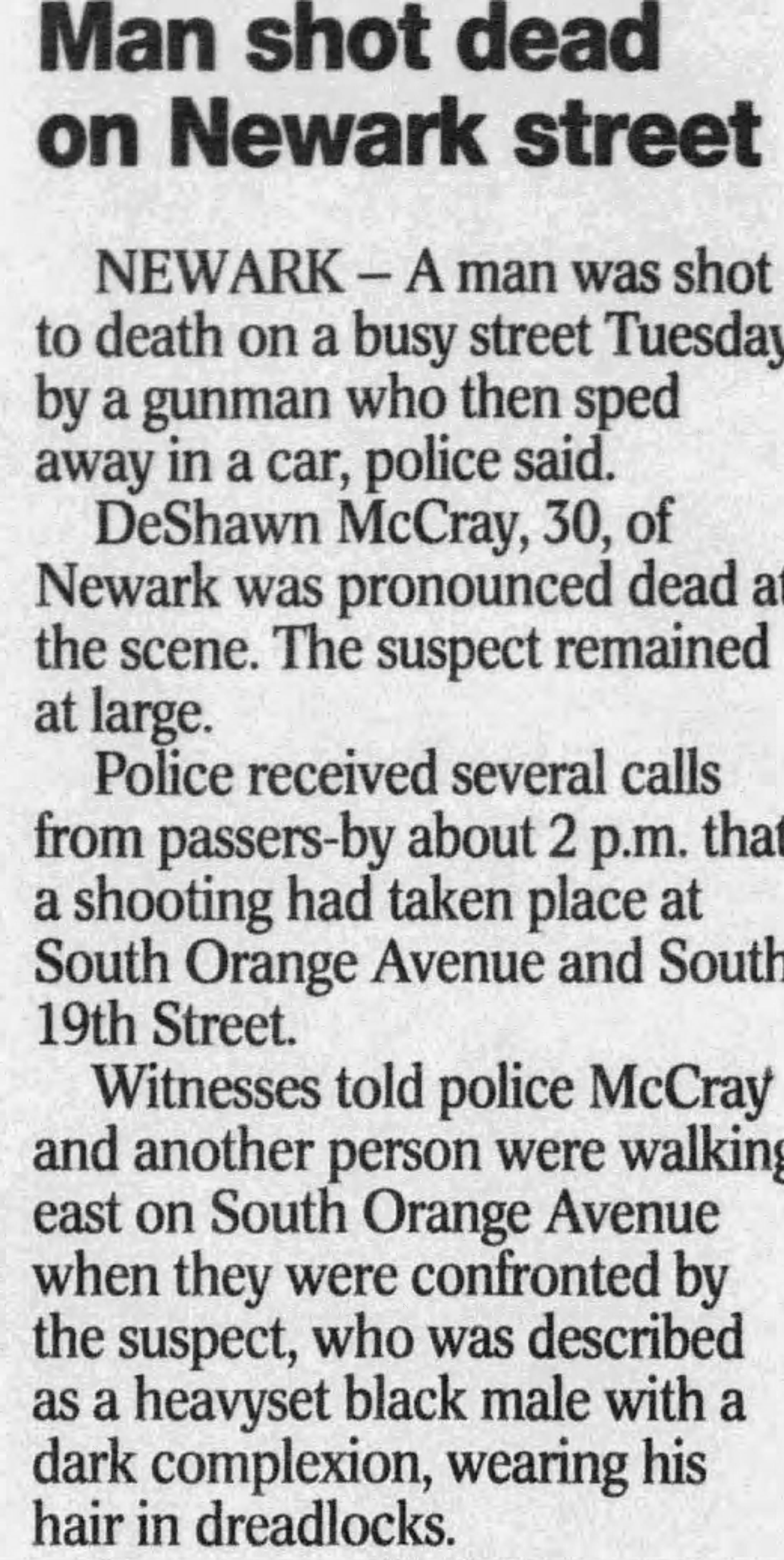
His death removed the central witness from the case. And with that, the case fell apart.
What makes McCray’s killing so significant is not only the loss of life, but the way it was allegedly enabled; this was not a situation where criminals independently decided to silence a witness. The prosecution argued that the information that led to his death came from someone operating within the justice system itself, someone who understood exactly what that information meant and how it could be used.
In that sense, McCray’s murder became more than just another act of violence tied to a drug case; it became the clearest example of how far the line had been crossed. Bergrin didn’t just “target a witness;” he allegedly used privileged legal knowledge to expose and eliminate him.
Building A Case
Prosecutors would later argue that Bergrin played a direct role in facilitating McCray’s murder, using his position to communicate information and influence events in ways that directly undermined the justice process with deadly consequences.
As investigators began to focus on Bergrin, what they uncovered suggested a pattern, rather than an isolated incident. Authorities claimed Bergrin was also involved in trafficking hundreds of pounds of cocaine by using his law firm to connect suppliers with distributors and allowing cocaine to be stored at a restaurant he owned.
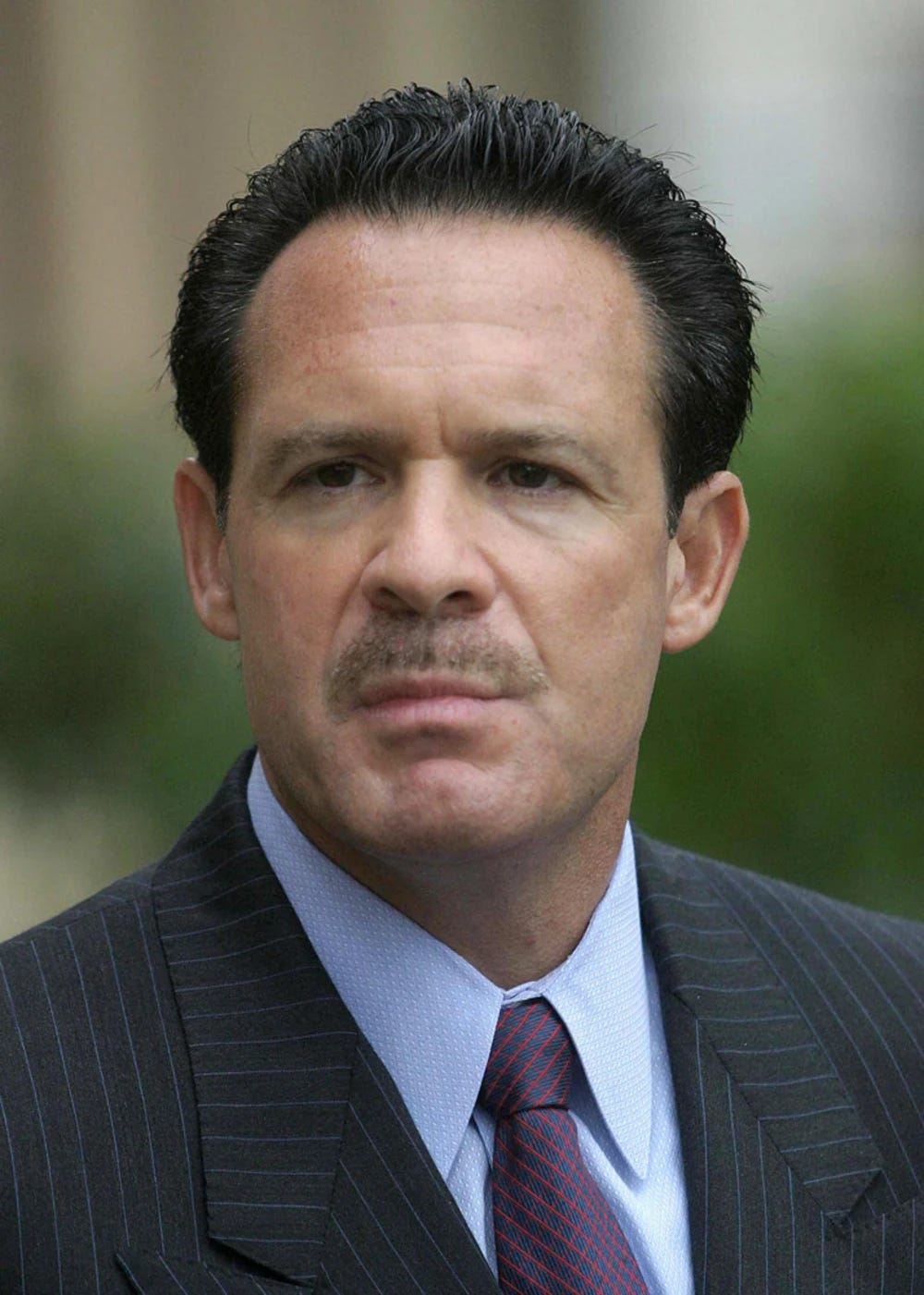
Bergrin was also accused of tampering with witnesses, according to Assistant U.S. Attorney John Gay, who described the "brainwashing" of a 9-year-old girl so that she would lie about the brutal stabbing of her mother by her father, a Bergrin client.
According to the FBI, Bergrin had transformed his law practice into a vehicle for criminal activity and engaged in conduct that included witness tampering, drug trafficking, and involvement in prostitution operations.
The case against him was built on several years of investigation, drawing on testimony from former associates, recorded conversations, and financial evidence that pointed to a network of illegal activity operating behind the façade of a legitimate legal practice.
Building that case was not easy. Bergrin’s knowledge of the legal system made him uniquely equipped to avoid detection, and earlier attempts to prosecute him had faltered due to procedural issues. For some time, it appeared as though he might be able to evade consequences for his shady actions and continue his activities.
Downfall
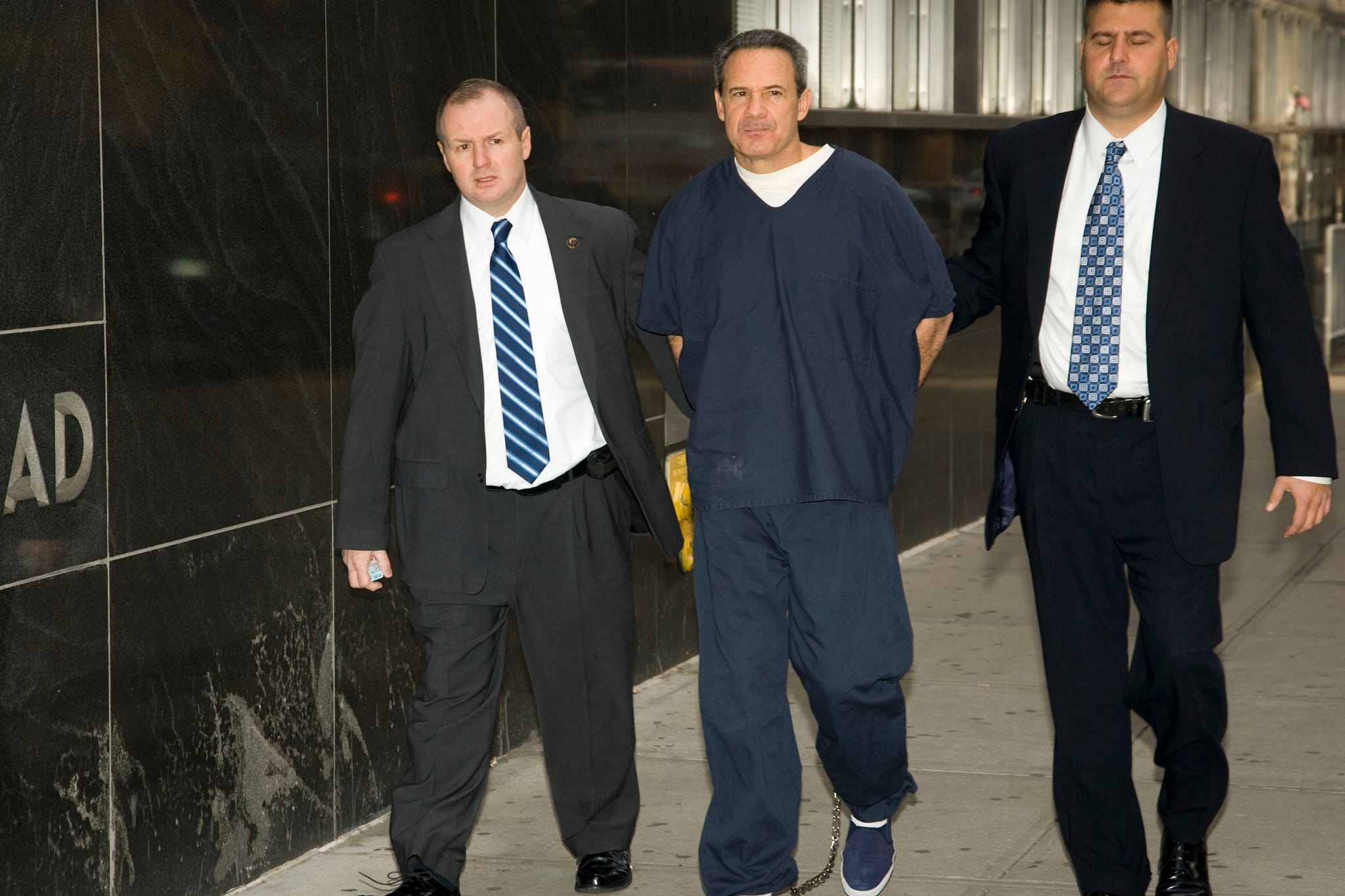
Federal authorities continued to gather evidence, slowly building a case that would hold up in court. When charges were finally brought, they reflected the scale of what prosecutors believed Bergrin had been responsible for. In June 2011, Paul Bergrin was indicted by a federal grand jury and charged with multiple racketeering charges, as well as bribery, fraud, and the murder of a witness.
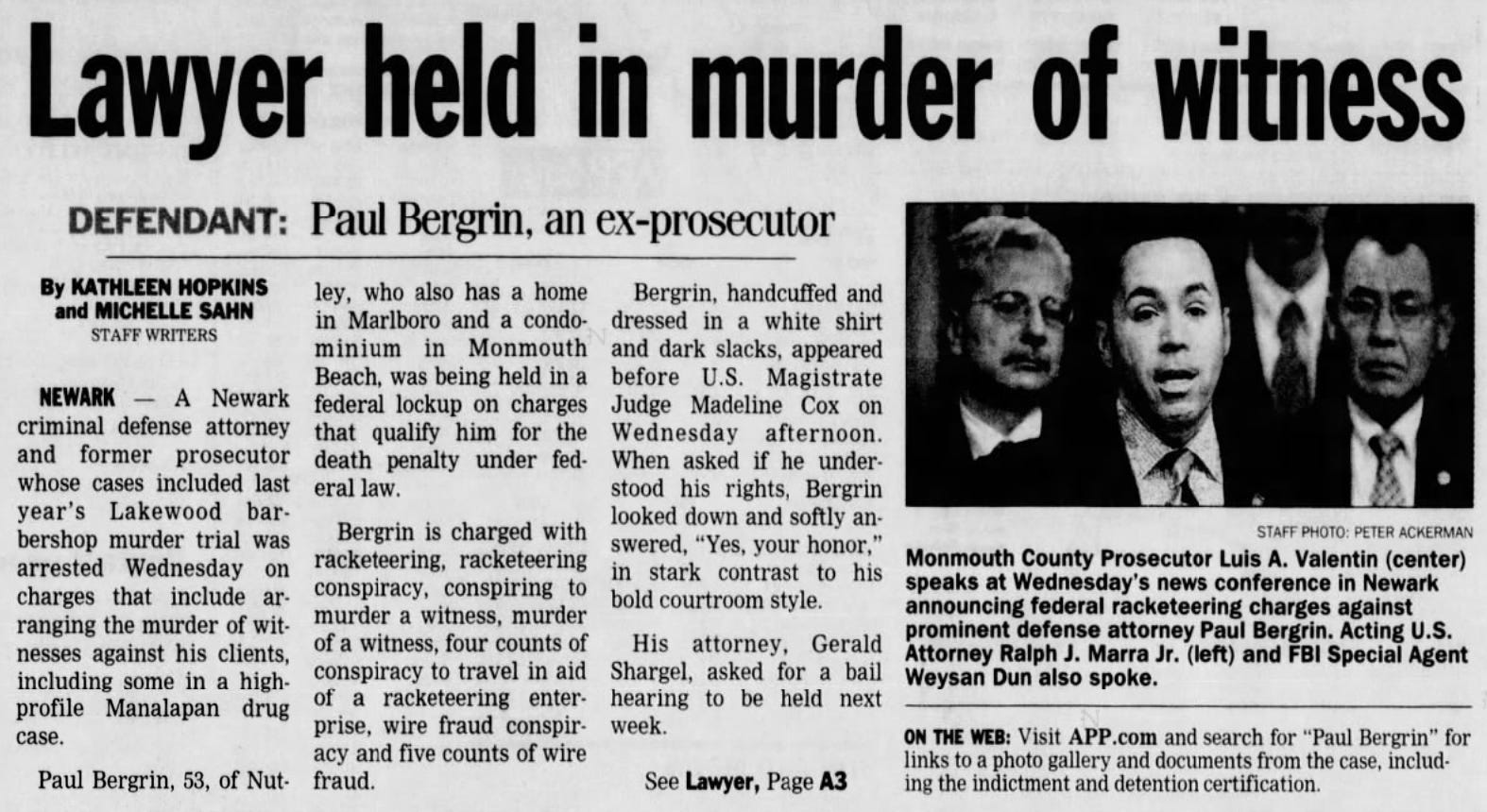
Though his 2011 trial ended in a hung jury on a portion of the charges, in 2012, a circuit court allowed the government to introduce evidence that Bergrin had plotted the murder of an additional witness.
He was tried again and accused of racketeering, conspiracy, drug trafficking, and involvement in violent crimes tied to his efforts to protect clients and maintain control over his operations. Bergrin argued that his actions had been misinterpreted and that conversations presented as evidence of criminal intent were taken out of context, twisted, or misunderstood. However, the weight of the evidence told a different story.
Testimony from witnesses, supported by recorded communications and financial records, painted a picture of a man who had not simply crossed ethical lines but had abandoned them entirely. The courtroom that had once been his arena became the place where his actions were laid bare, piece by piece, until the broader pattern became impossible to ignore.
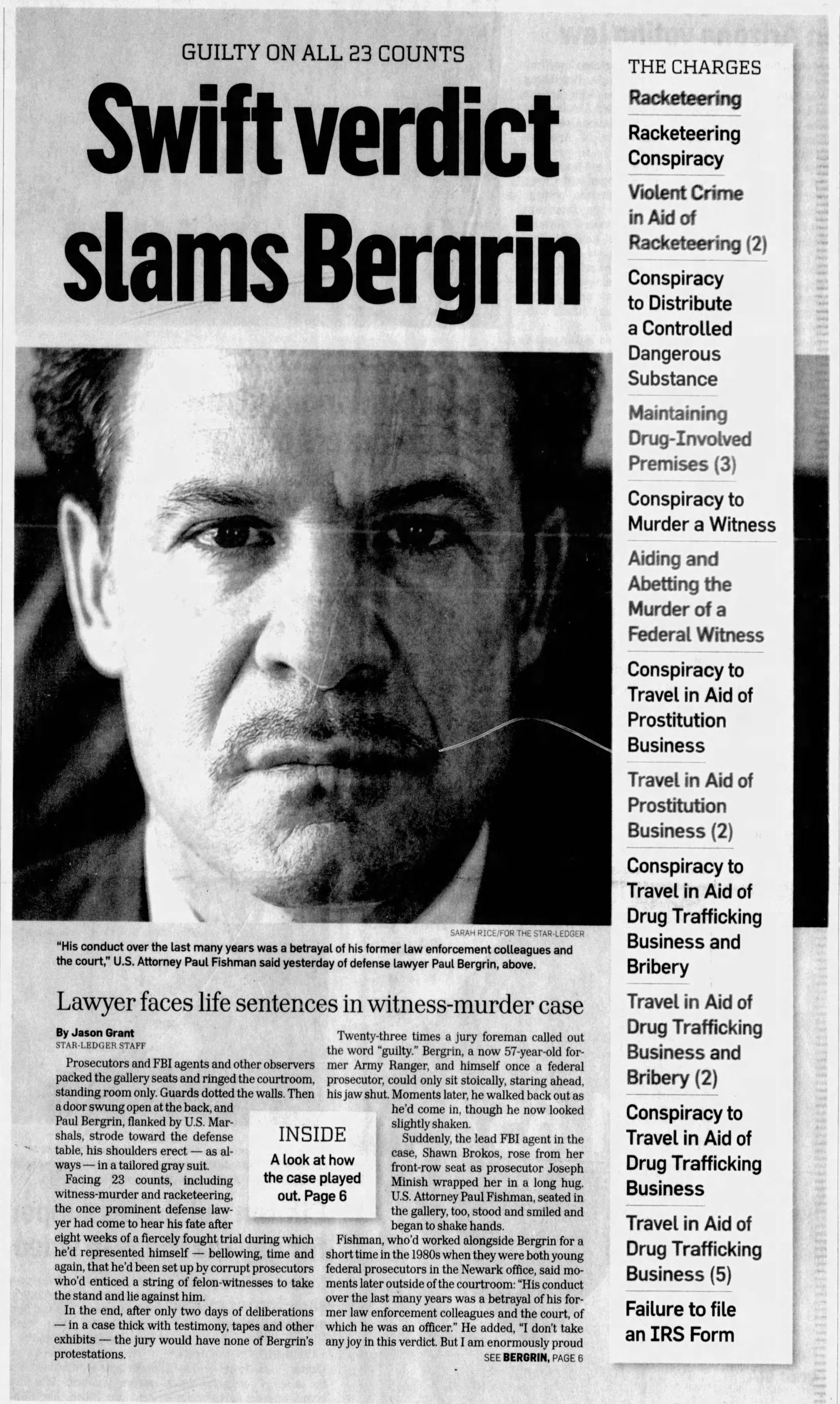
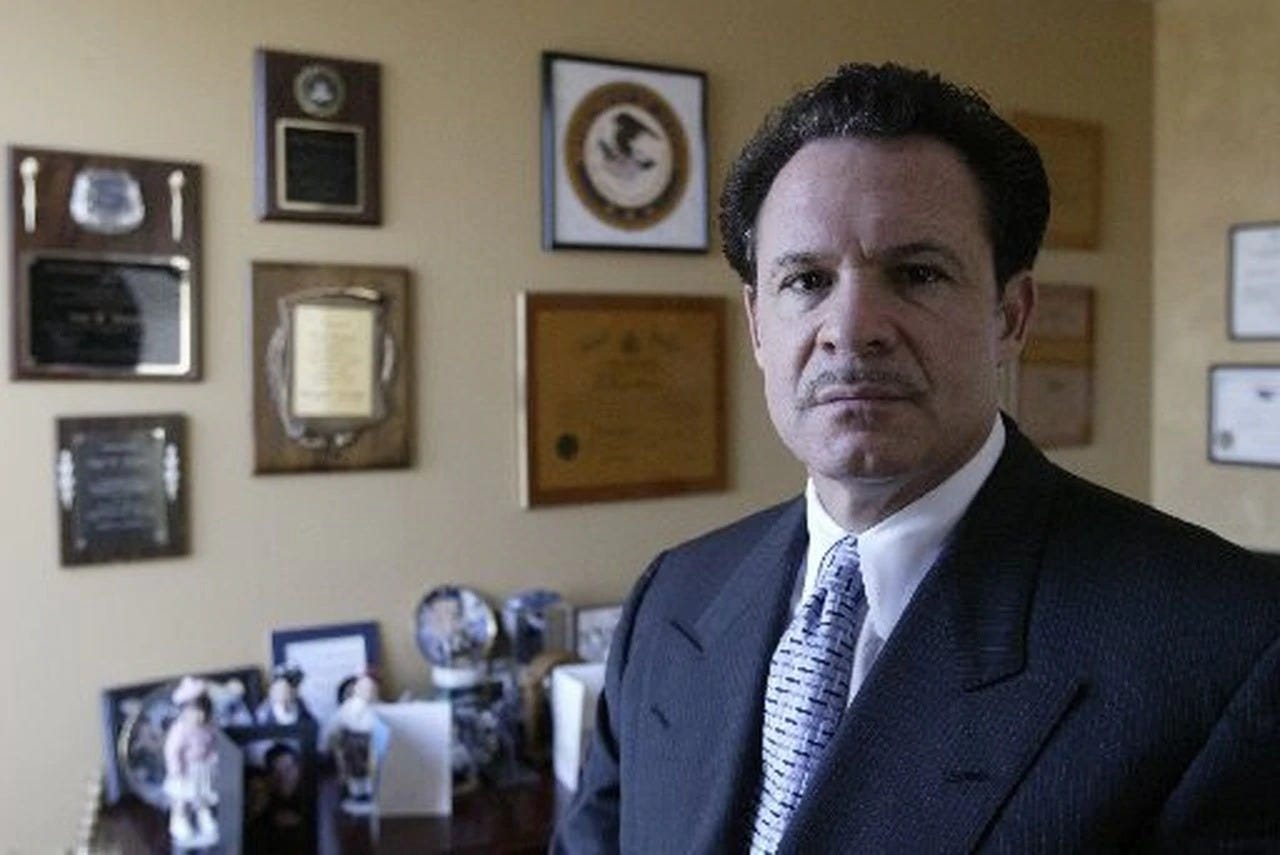
In March 2013, the jury delivered its verdict. Paul Bergrin was found guilty on all counts. The charges reflected the breadth of the case against him: racketeering, conspiracy to murder a witness, drug trafficking, and other related offences. Later that year, he was sentenced to multiple life terms in federal prison, effectively ensuring that the man who had once navigated the justice system with such confidence would now spend the remainder of his life behind its bars.
For Paul Bergrin, who has since been disbarred from both New York and New Jersey, the fall from grace was particularly sad. A man with a brilliant legal mind who had begun his career by prosecuting those who prey on society had fallen so far that he was willing to allow people to be murdered rather than risk losing a case.
It was a betrayal not only to the friends and families of the victims, but to the law that he had once sworn to uphold.
Sources:
Ax, Joseph. “Paul Bergrin: From Federal Prosecutor To The Most Corrupt Criminal Defense Lawyer.” NBC News, 23 January 2013, https://www.nbcnews.com/news/us-news/baddest-lawyer-history-jersey-accused-orchestrating-fbi-informants-murder
Lendman, Stephen, “Targeting Lawyers: The Case Of Paul Bergrin.” December 17, 2009, https://countercurrents.org/lendman171209.htm
“Attorney-Turned-Racketeer.” FBI News Stories, 31 October 2013, https://www.fbi.gov/news/stories/attorney-turned-racketeer-a-stunning-betrayal-of-the-law1
“Paul Bergrin: From Federal Prosecutor To The Most Corrupt Criminal Defense Lawyer | True Lives.” YouTube, Uploaded by True Lives 18 October 2023, https://www.youtube.com/watch?v=qBYXOKIGZLc
It seems he always intended to be a mob lawyer since college, since it makes money. Nearly of his criminal activity would be the equivalent of Michael Cohen to Donald Trump: the mob lawyer merely did for the Five Families what Michael Cohen did to Donald Trump, and the Five Families threw him under the bus.