


Background
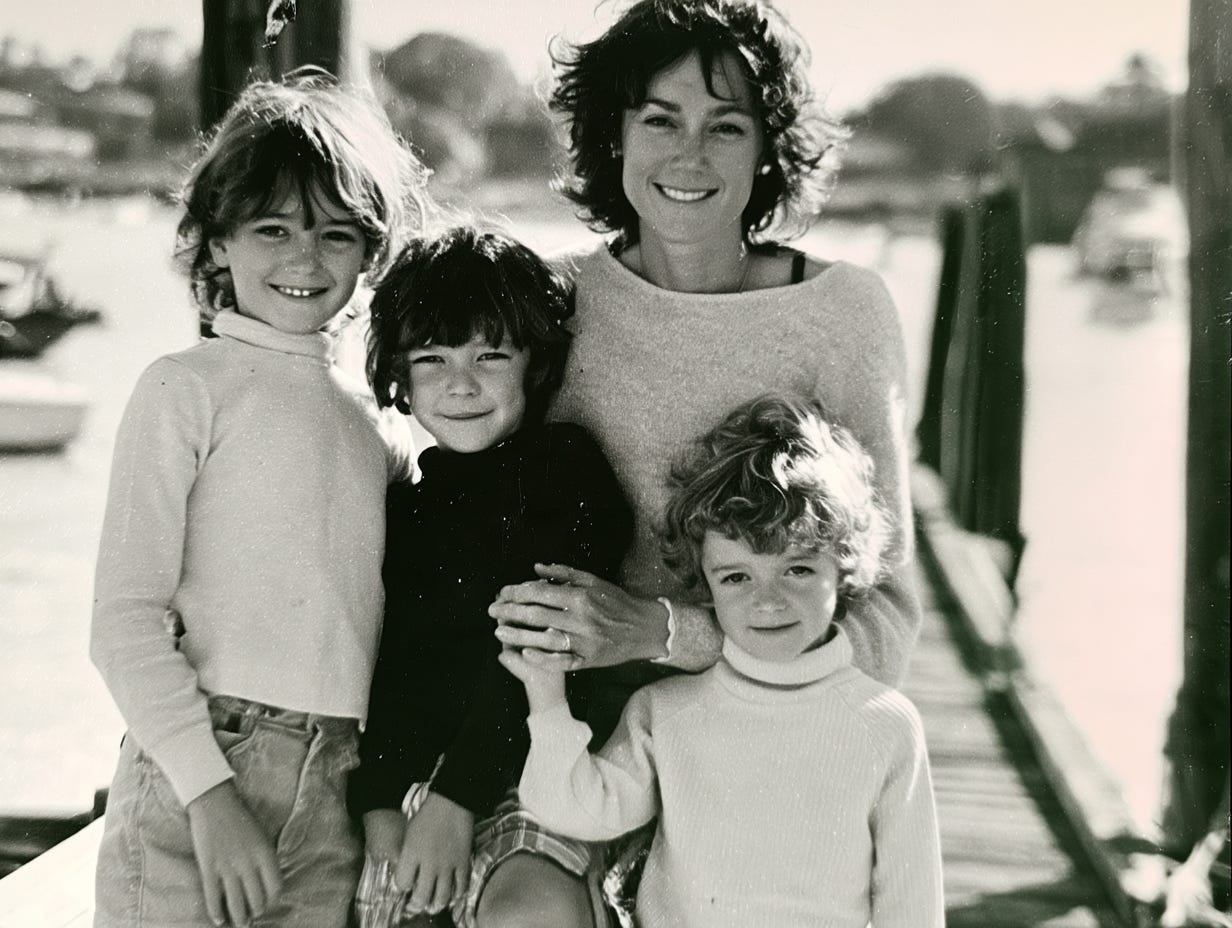
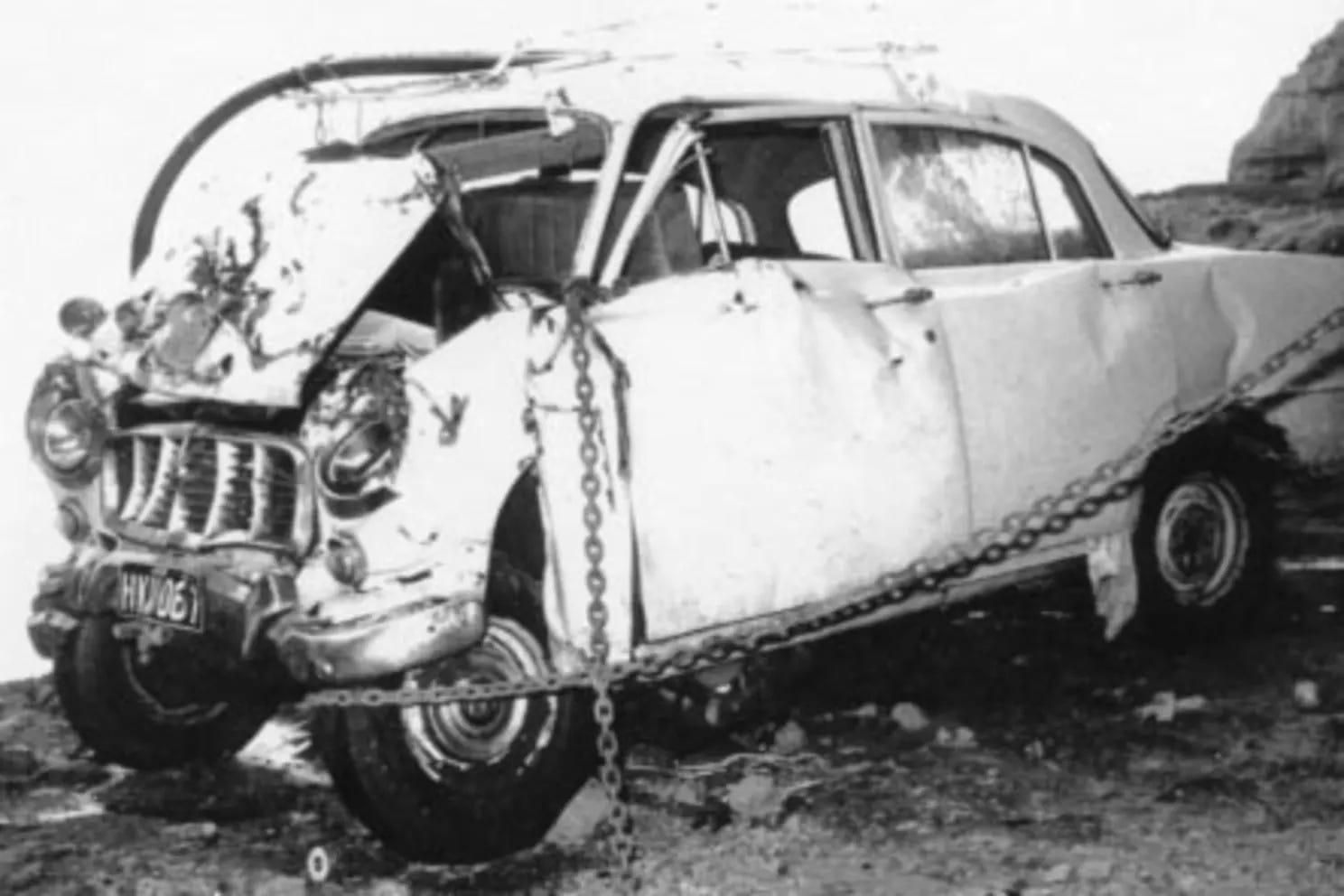
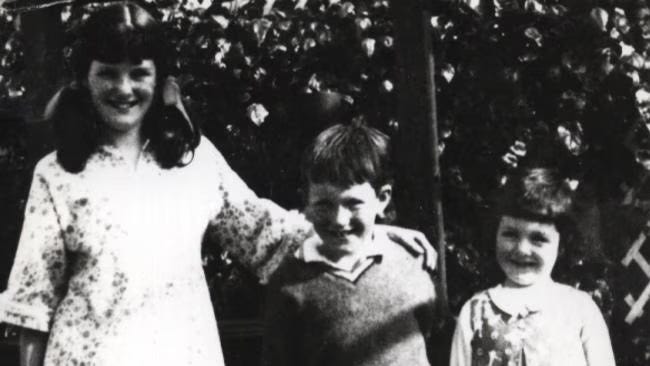
On July 2nd, 1970, tourists to Australia’s Loch Ard Gorge along the Shipwreck Coast spotted a peculiar sight: a badly damaged car suspended on a ledge overlooking a steep cliff. After eventually securing the car, investigators were able to have a look inside. What they found were the bodies of 35-year-old Therese Crawford and her three children, Kathryn, James, and Karen, lying in the backseat.1
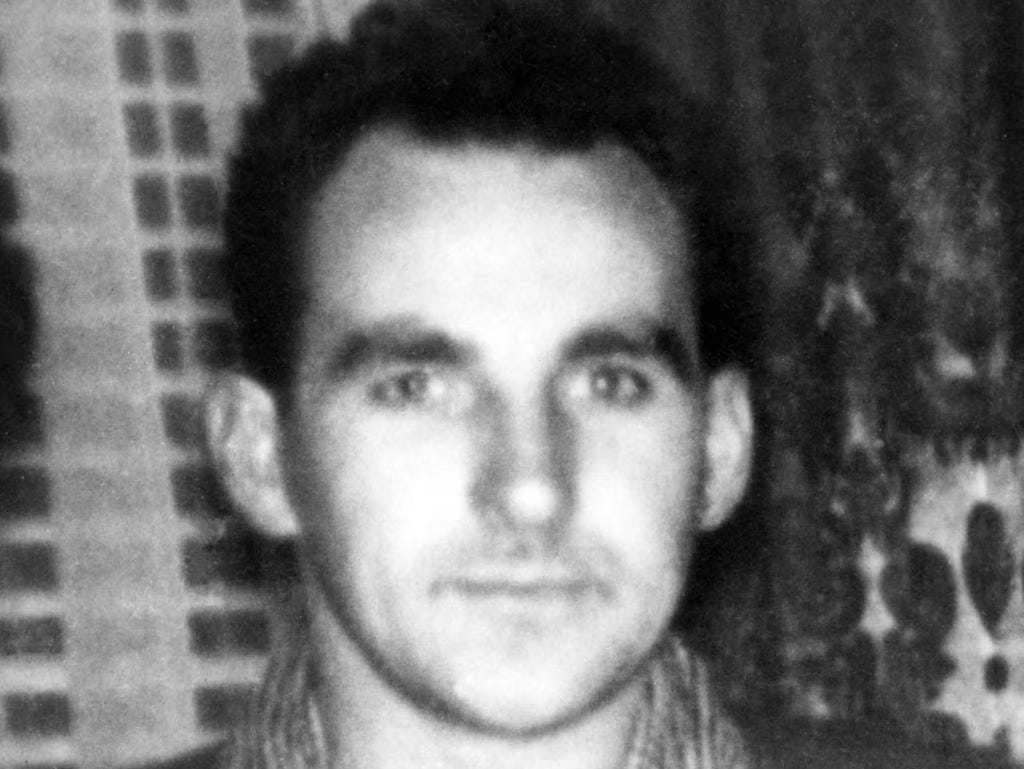
Meanwhile, the family patriarch, Elmer Crawford, was nowhere to be found, prompting a nationwide manhunt. An investigation into Crawford’s disappearance and the deaths of his wife and children soon uncovered evidence of an elaborate and carefully planned family annihilation, as calculated as it was cruel.
More than five decades later, the whereabouts of one of Australia’s most elusive fugitives remains unknown, as the world waits for answers that may never come.
A Quiet Family
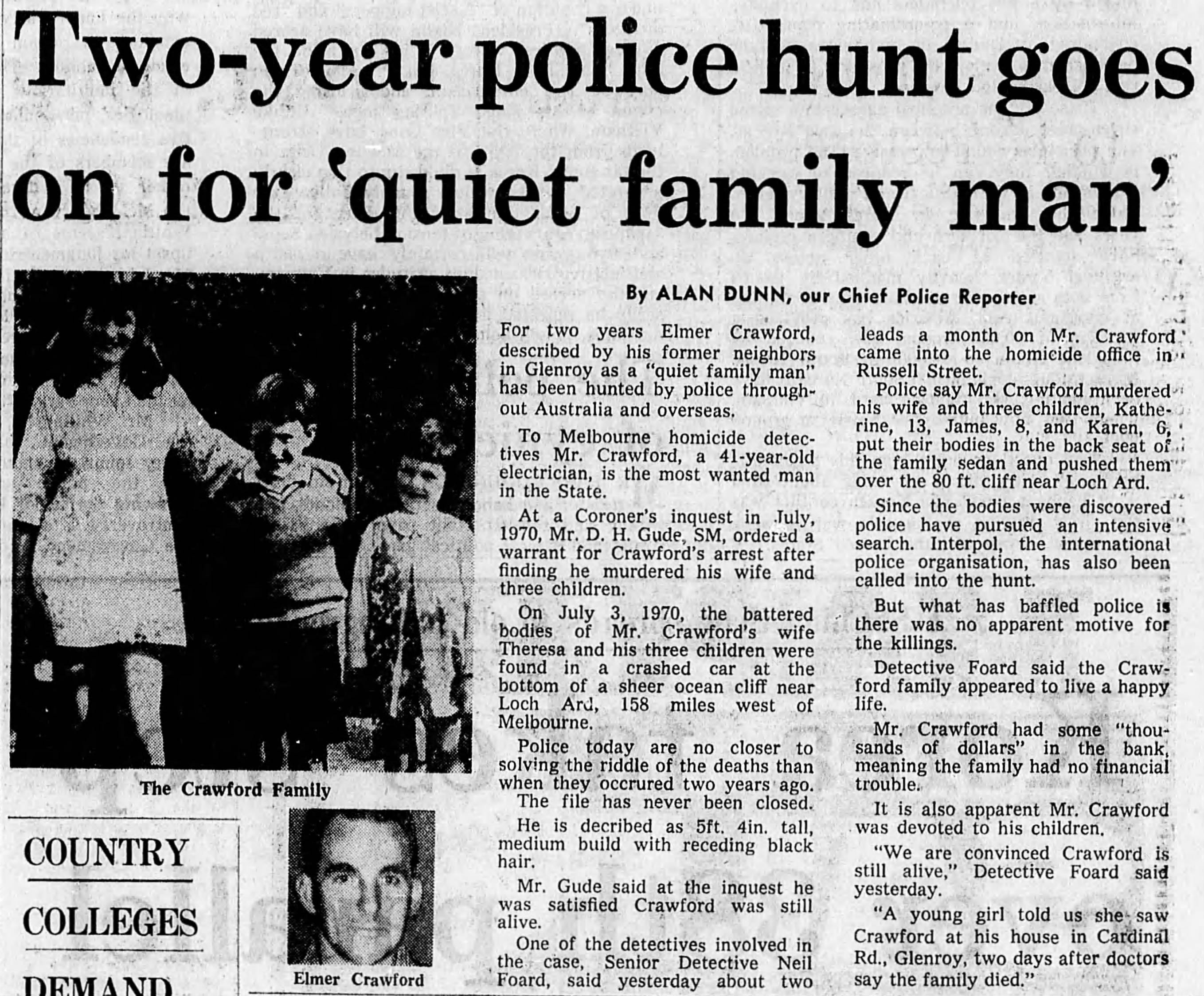
Elmer Crawford was born in 1930 in Ireland.2 In 1951, he moved to Australia, eventually making his home in Glenroy, a suburb of Melbourne. He found work with the Victorian Racing Club (VRC), first as a telephone engineer and later as an electrician.
A few years later, while attending an Irish dance, Elmer met Therese McManus, who worked in a local hospital. Not long after, the two began dating, and Therese became pregnant. The couple married in 1957. Elmer was 27 and Therese 21.
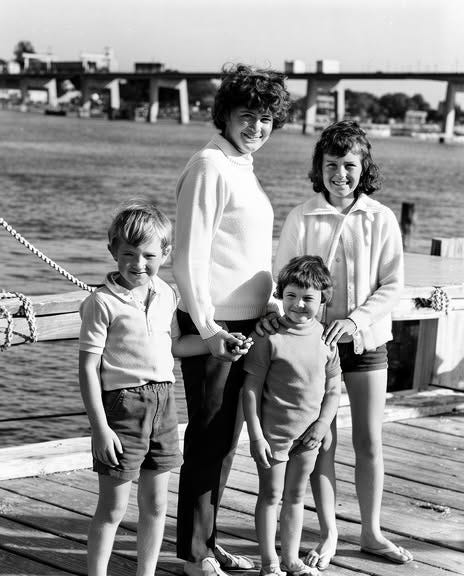
Soon after their wedding, they welcomed their daughter Kathryn. Four years later, their son James was born, followed two years later by their second daughter, Karen. To those who knew them, the Crawfords seemed to be a happy suburban family. Their friends and neighbors described them as a quiet family, mostly minding their business and going about their daily lives.
In 1970, Elmer and Therese learned they were expecting a fourth child, due in early 1971. What happened later that year has never been fully understood. Many of the tragic details are still talked about to this day.
July 2, 1970
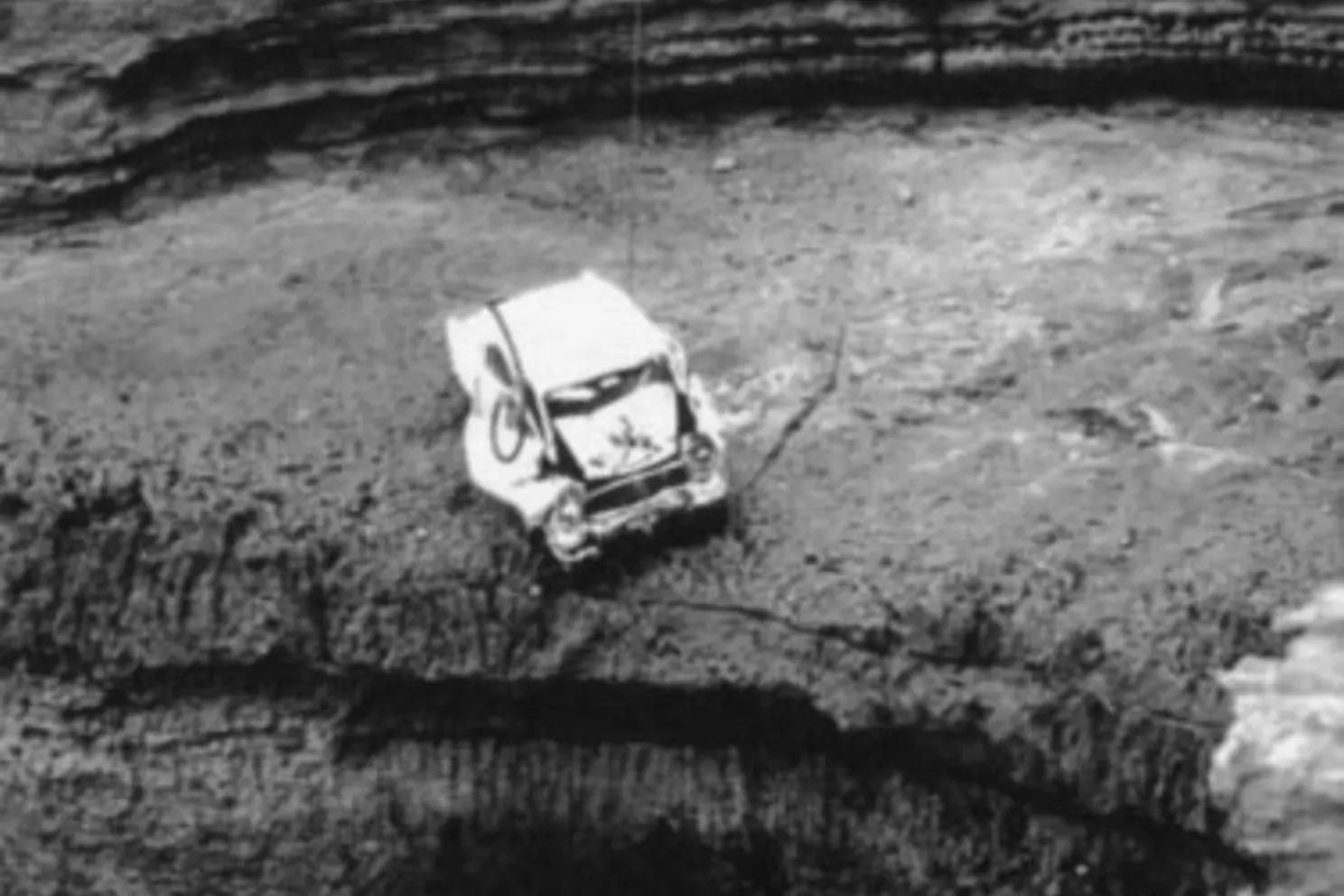
On July 2nd, 1970, tourists in Port Campbell, Victoria, noticed a peculiar sight: a smashed-up car about 15 meters down the bottom of a very steep cliff at Loch Ard Gorge, part of Australia’s Shipwreck Coast.
Had it not been for a small rock ledge at the base of the cliff, the car likely would have slipped into the ocean. Rescuers arrived on scene quickly, believing that this may have been a horrific car accident. But when they reached the sedan, any hopes of rescue evaporated. None of the car’s passengers were alive.
While the rescue team worked to stabilize the car, authorities ran the vehicle’s registration. After learning that the car was registered to Elmer Crawford, it did not take investigators long to identify the bodies inside. 35-year-old Therese Crawford, 13-year-old Kathryn Crawford, 8-year-old James Crawford, and 6-year-old Karen Crawford.
At first, investigators believed the scene was perhaps a tragic murder-suicide scenario. The grim reality, however, was far darker than anyone could have imagined. All four victims had been killed and then placed inside the car. Elmer Crawford, who was now missing, immediately became the prime suspect.
Investigation
As the search for Elmer Crawford intensified, the investigation into the deaths of his pregnant wife and children continued. Inside the car, investigators found a rifle and a hammer along with what appeared to be blood on the front seat. The bodies of Therese and her three children were found wrapped in tarps and blankets.
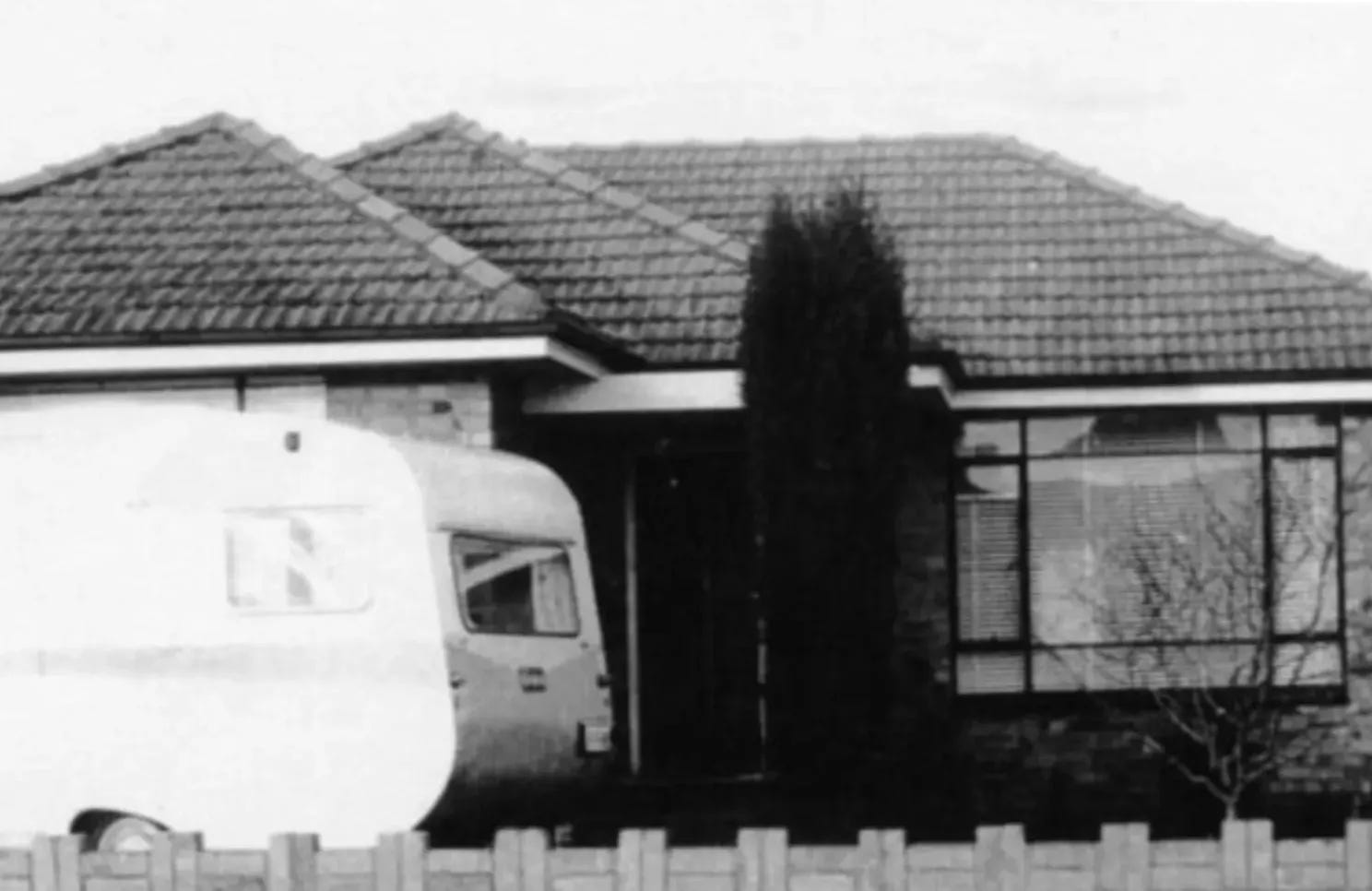
After authorities searched the Crawford home, they uncovered evidence that confirmed their suspicions. There was blood found inside the home, particularly in the master bedroom and the girls’ room.
There had also been clear attempts to clean up the scene, which painted a pretty compelling picture of a guilty man who had fled, despite attempts to stage the car to look like a murder-suicide.
The autopsies and medical evidence painted a cruel and brutal picture of what had happened to the Crawford family. The children had suffered head wounds consistent with being bludgeoned by a blunt object. As if that level of depravity and cruelty was not enough, Therese, Kathryn, and James had been electrocuted to death.
For Elmer, who was an electrician by trade, this detail only served to implicate him further. The evidence at the house revealed how Elmer had executed his carefully laid plan. He had constructed an electrical device from nearly fifty feet of electrical lead and alligator clips.
It is believed that he killed his family in their sleep, killing Therese first by hitting her with a makeshift tool consisting of a lead pipe wrapped in a section of garden hose, then attaching the alligator clips to her ear and her hand and electrocuting her.
Elmer then moved on to the girls’ room, where he repeated the same steps with Kathryn, switching to a hammer rather than his makeshift tool, but he did not electrocute Karen, as the wound to her head had been enough to kill her. Investigators believe that James woke up due to the noise and made his way to the girls’ room, at which point Elmer bludgeoned and electrocuted his son.
After brutally murdering his entire family, Elmer loaded them up in the sedan and drove them approximately 200 kilometres (about 125 miles) to Port Campbell. There, he ran a hose from the exhaust pipe to a front window, likely to misdirect authorities and cast blame on his wife. He then pushed the car over the edge of the cliff.
This is the reason, investigators believe, that Elmer did not use a hammer on his wife; a hammer would have caused damage to the head that would make the murder-suicide angle impossible, whereas a pipe wrapped in soft tubing would not leave such a visible wound.
Possible Motives
As investigators were slowly putting the pieces of this horrific tragedy together, one of the most important questions remained unanswered: why? According to an unfinished letter from Therese written to her sister, the Crawfords were not excited about the news of a fourth child. Some speculate that the stress of the unwanted pregnancy may have been a partial motivation for Elmer to rid himself of his entire family.
However, his larger motivating factor may have been financial. Elmer had always been a penny-pincher, and despite their substantial savings, paid-off home, and property in Queensland, Therese believed they were quite poor.
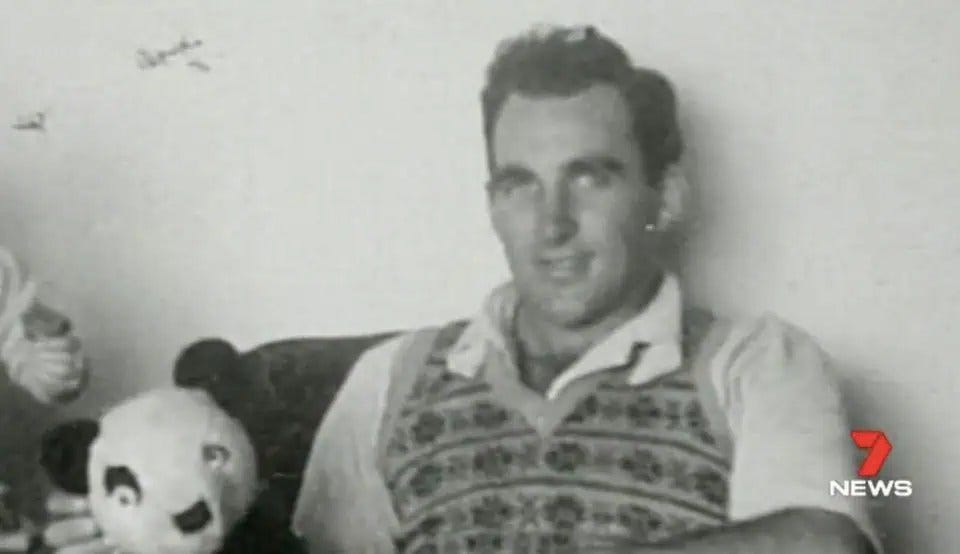
Also, despite doing well financially, Elmer had a propensity for stealing. He had been stealing from his employer for years. He had stolen copper wire and other items, some of which he sold at auctions and some he stashed at home. He had managed to avoid being caught, but some in his life knew about his habit of taking things that did not belong to him.
One thing became apparent: this was not a spur-of-the-moment crime of passion or impulsive act. Elmer had planned and premeditated this family annihilation. At the end of June, he had taken a vacation from work. During this time, he prepared for the horror to come. During a search of his home, investigators discovered that Elmer had rewired some of the fuses with heavier wiring so they would not blow out when he carried out his plan.
Disappearance
Another important question is: what happened to Elmer Crawford? The answer, sadly, is that nobody knows.
There were two confirmed sightings of him prior to the discovery of the car. The first was Kathryn’s friend, Brenda Connor, who came to the door to meet Kathryn and walk to school together. Elmer told Brenda that Kathryn had the flu and would not be going to school that day. The other sighting was a passerby who spotted Elmer standing in his driveway.
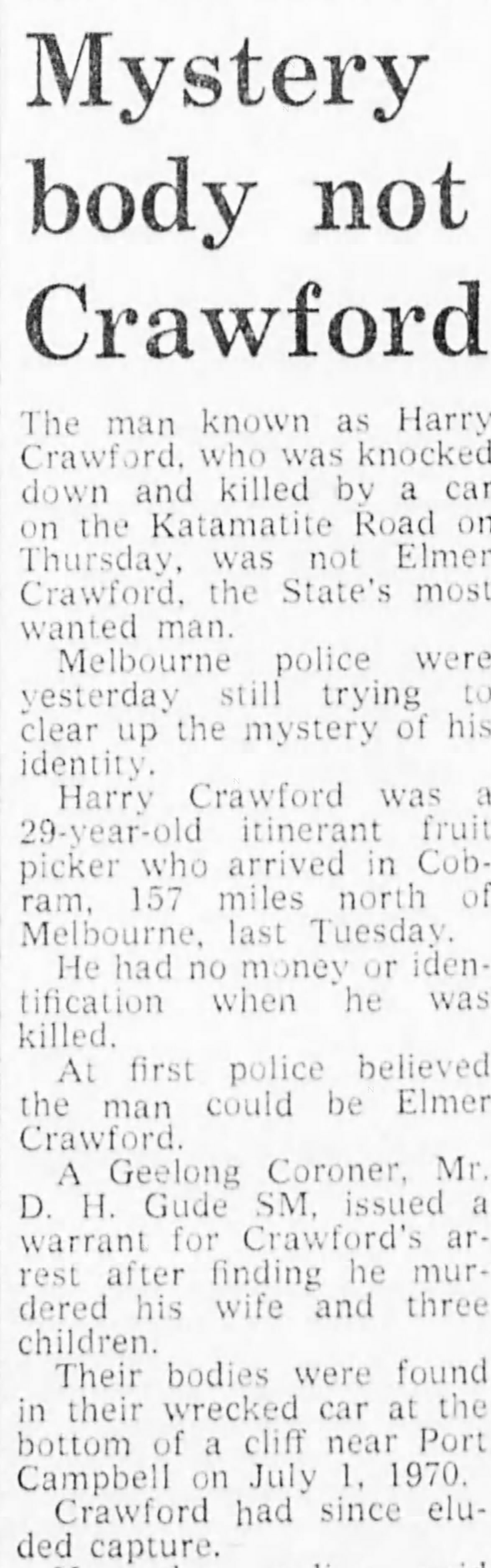
In 1973, a man who was killed after being struck by a car and was working as an itinerant fruit farmer was believed at first to be Crawford.3 The man had been using the name Harry Crawford and did not have any identification. However, it was determined that the man was not Elmer Crawford.
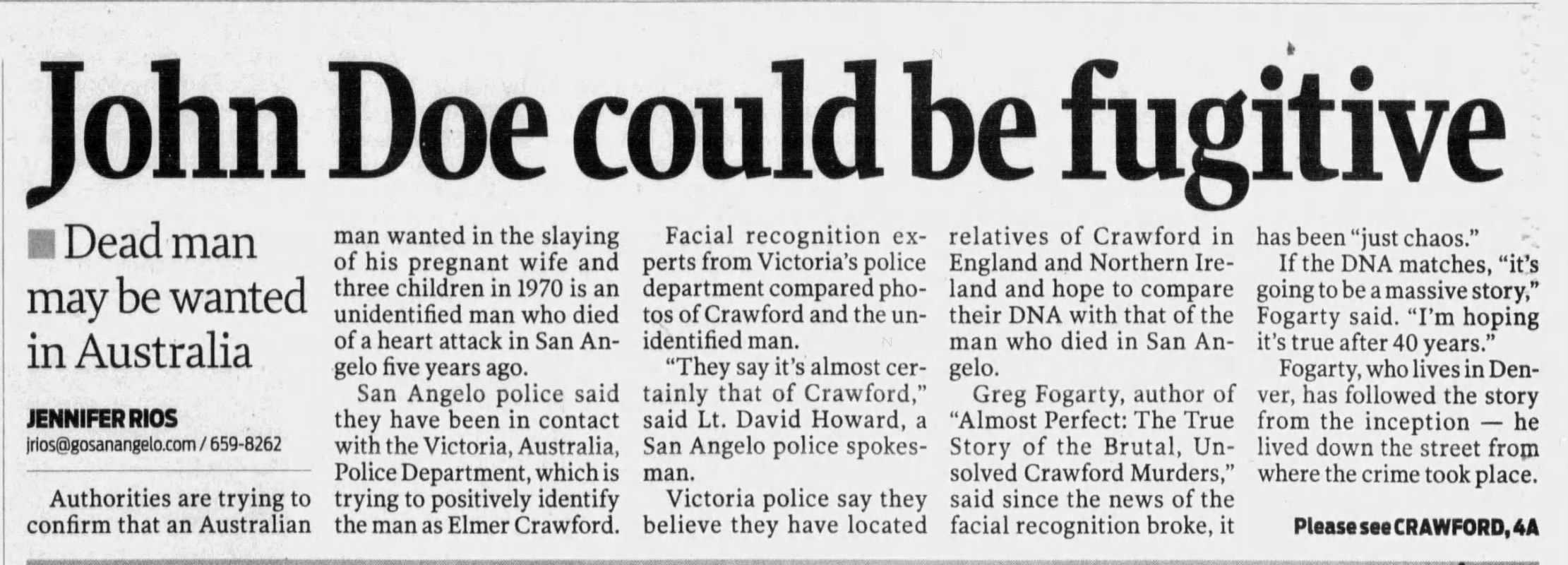
There was another possible sighting of him in Perth in 1994, though it was never confirmed.4 As of 2008, a $100,000 AUD reward was offered for any information leading to Elmer Crawford's arrest. A potential break in the case came in 2010, when Victorian Police announced they were working with the FBI to identify a man who had died in San Angelo, Texas, in 2005.5
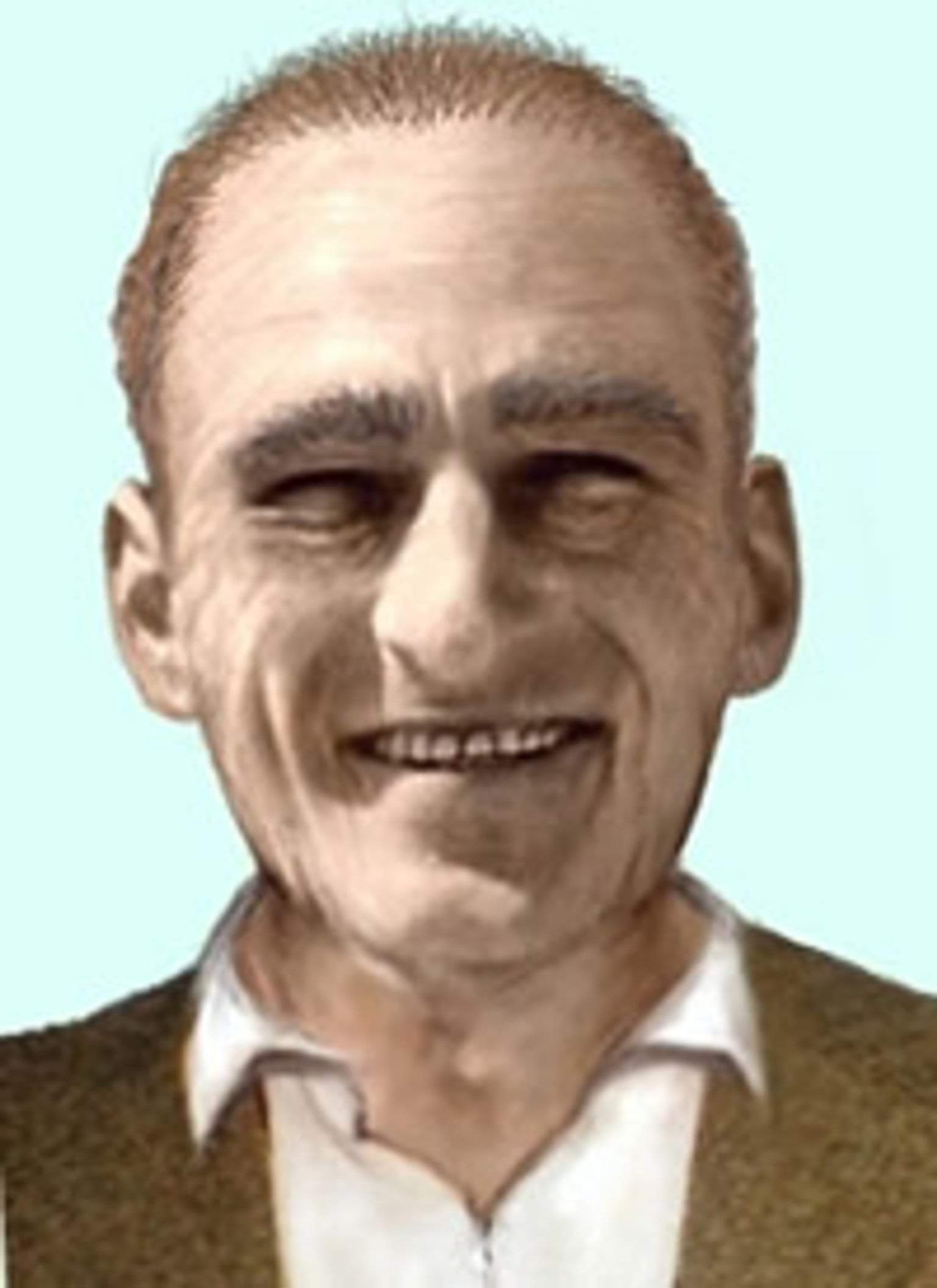
The unidentified man had no fingerprints and carried four different falsified identification documents. Based on facial recognition technology, the Victoria Police and FBI felt confident that this man might be the missing fugitive. Unfortunately, DNA testing proved that the mystery man was not Elmer Crawford.
Also in 2010, a woman living in England named Trisha Crawford came forward.6 She claimed that she was the long-lost daughter of Elmer Crawford. Trisha had been born and raised in Ireland by her mother, who told her that Elmer Crawford was her father. According to Trisha, her father left Ireland for Australia after learning her mother was pregnant in 1950.
Earlier in her life, she had attempted to find and connect with the man she believed to be her father, even changing her last name to Crawford. Trisha was shocked and horrified to learn about the murders of Crawford’s wife and children, and she had gone to the police in Victoria in the 80s and 90s, but they had dismissed her claims of being related to Elmer Crawford.
The discovery of the body in Texas and the hopes of identifying the mystery man suddenly made investigators more interested in hearing Trisha’s story, and according to news reports, they were set to meet with her in 2010. Details of that meeting, if it happened, are not part of the public record, and Elmer Crawford’s disappearance remains a haunting mystery to this day.

Closing Thoughts
More than five decades have passed since Therese Crawford and her three children, along with her unborn fourth child, were brutally murdered by the man who was supposed to cherish and protect them.
Despite alleged sightings, an international search effort, and even the recovery of a body that investigators hoped could be Elmer, his whereabouts remain a mystery to this day. It is possible that Elmer Crawford may have lived out the remainder of his life under an assumed identity, and that we may never know what truly happened to him.
What we do know is this: Therese, Kathryn, James, and Karen had their lives cut tragically short by a man who has not faced justice. The reward remains available for any information that can finally bring closure to one of Australia’s most disturbing and heartbreaking cases.
Victoria Police. "Reward: Therese, Kathryn, James and Karen Crawford." Victoria Police, 2 Feb. 2008 (updated 27 Jan. 2026). https://www.police.vic.gov.au/reward-therese-kathryn-james-and-karen-crawford
Identifinders International. "DNA Rule-Out for Cold Case, Australia, 1970 — Part I." Identifinders International, 30 Aug. 2010. https://identifinders.com/dna-rule-out-for-cold-case-australia-1970/
Identifinders International. "DNA Rule-Out for Cold Case, Australia, 1970 — Part II." Identifinders International, 1 Sept. 2010. https://identifinders.com/dna-rule-out-for-cold-case-australia-1970-part-ii/
ABC News. "'Daughter' of Missing Killer to Take DNA Test." ABC News, 14 July 2010. https://www.abc.net.au/news/2010-07-14/daughter-of-missing-killer-to-take-dna-test/904464
"Chilling Twist That Could Reveal Hiding Place of Suspect in 'Darkest' Cold Case." Yahoo News Australia / 7News, 31 Oct. 2017. https://au.news.yahoo.com/victorian-cold-case-murder-suspect-may-be-living-in-wa-37683610.html
Murderpedia. "Elmer Kyle Crawford." Murderpedia, n.d. https://murderpedia.org/male.C/c/crawford-elmer.htm