


Background
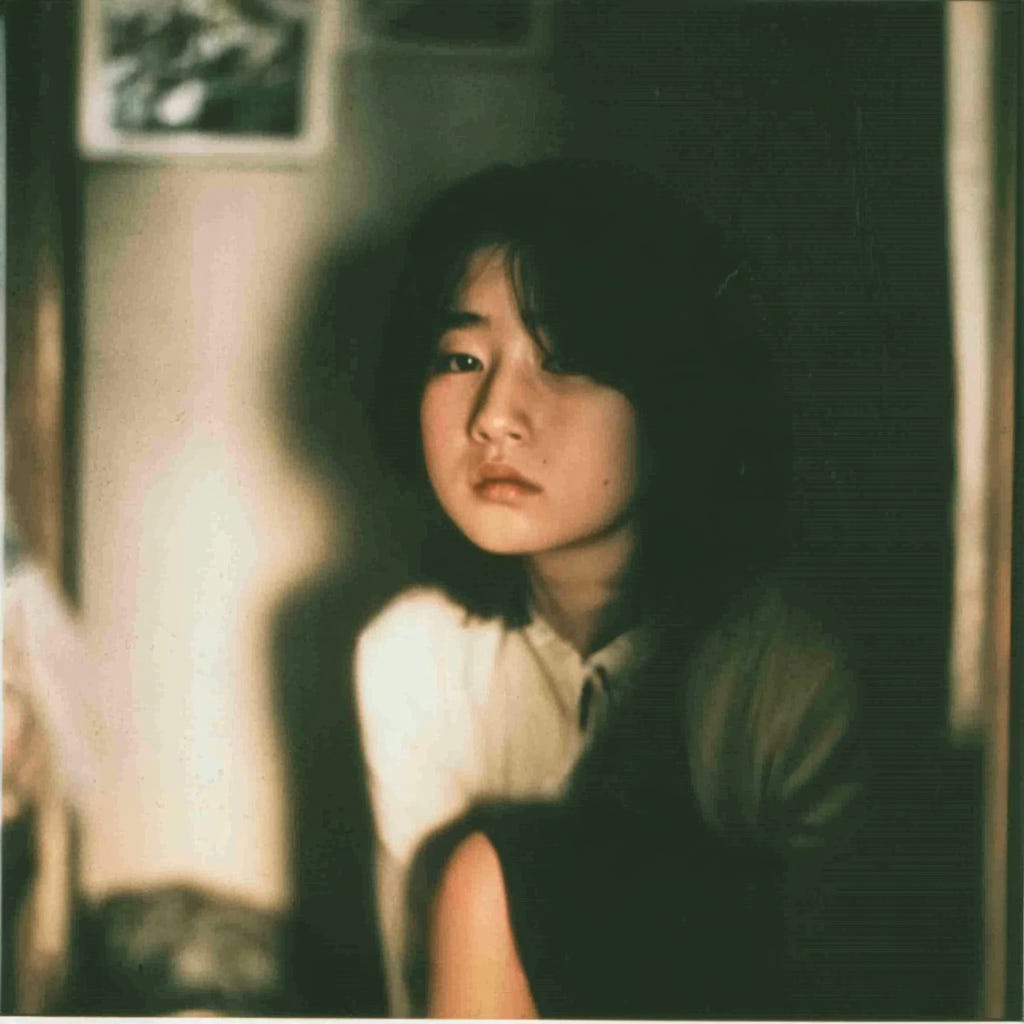
On November 13, 1990, nine-year-old Fusako Sano headed home after watching a school baseball game in the city of Sanjō, in Japan's Niigata Prefecture. She never arrived.
For more than nine years, her family searched for answers, unaware that all the while Fusako was being held prisoner in a house barely two hundred meters from a police substation.
When she was finally discovered in January 2000, her rescue shocked Japan and exposed one of the country’s most disturbing kidnapping cases, leaving many to question how such a horrific situation could remain hidden for so long.
An Ordinary Childhood
Fusako Sano was born on November 28, 1980, in Mitsuke, Niigata Prefecture, Japan, to parents Yasuo and Nobue Sano. By 1990, Fusako was a fourth-grade elementary school student living in Sanjō, a city in Niigata Prefecture on Japan’s western coast. She led an ordinary childhood centered on school and friends.
All of that would change on November 13, 1990, when nine-year-old Fusako left school after watching a baseball game. What began as a normal afternoon quickly became a nightmare that would haunt her family and shock a nation. The case later became known as the “Niigata girl confinement incident.”1
Abduction of Fusako Sano
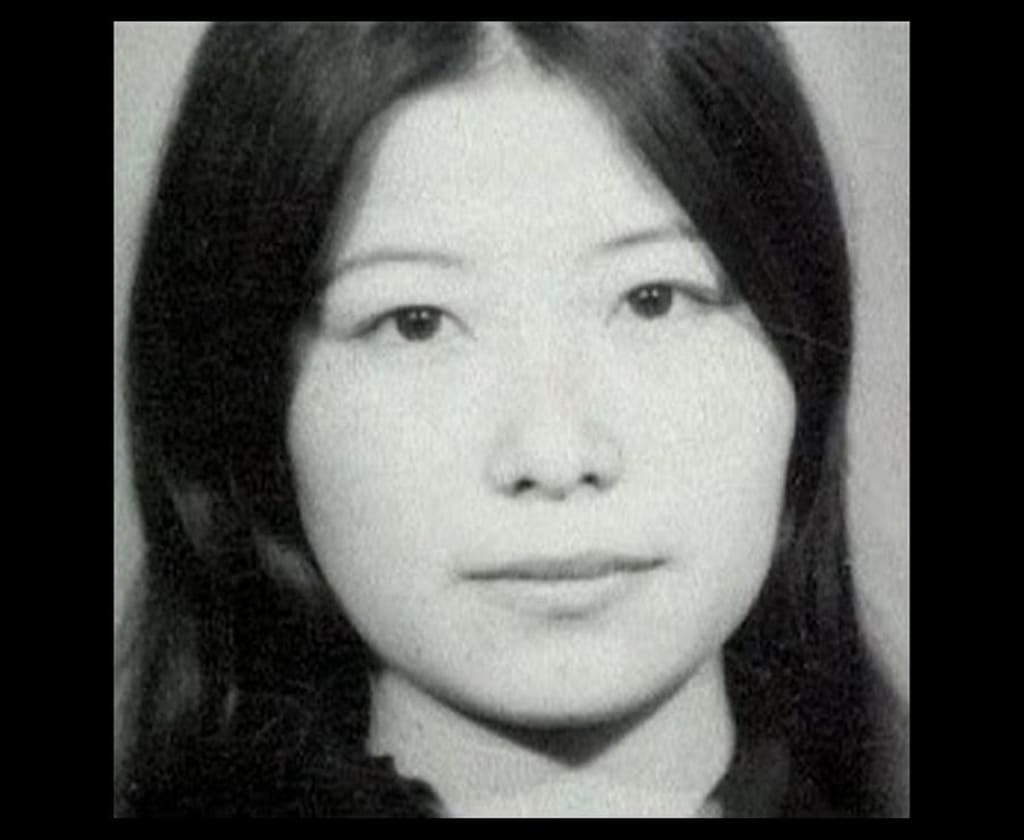
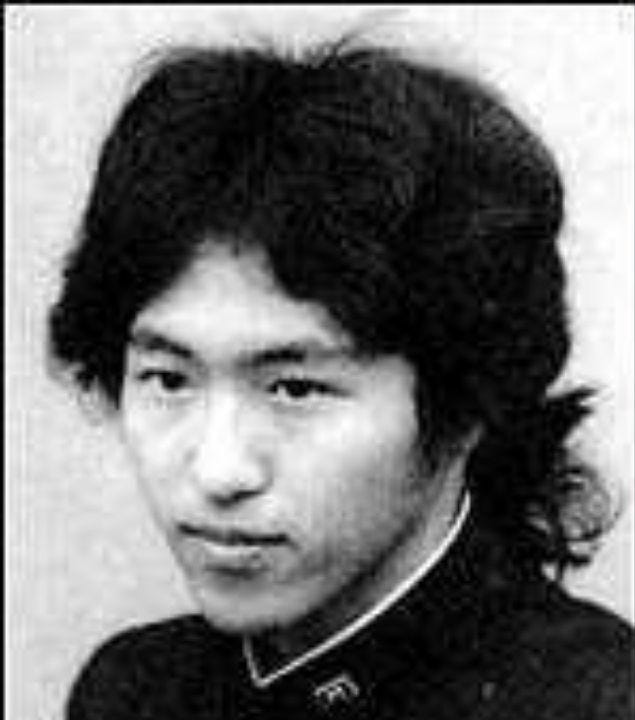
As she walked home that afternoon, Fusako was approached by Nobuyuki Satō — a 28-year-old unemployed, mentally disturbed man who lived with his elderly mother in Kashiwazaki, some fifty-five kilometers from where Fusako disappeared. Satō forced Fusako into his car and drove away.
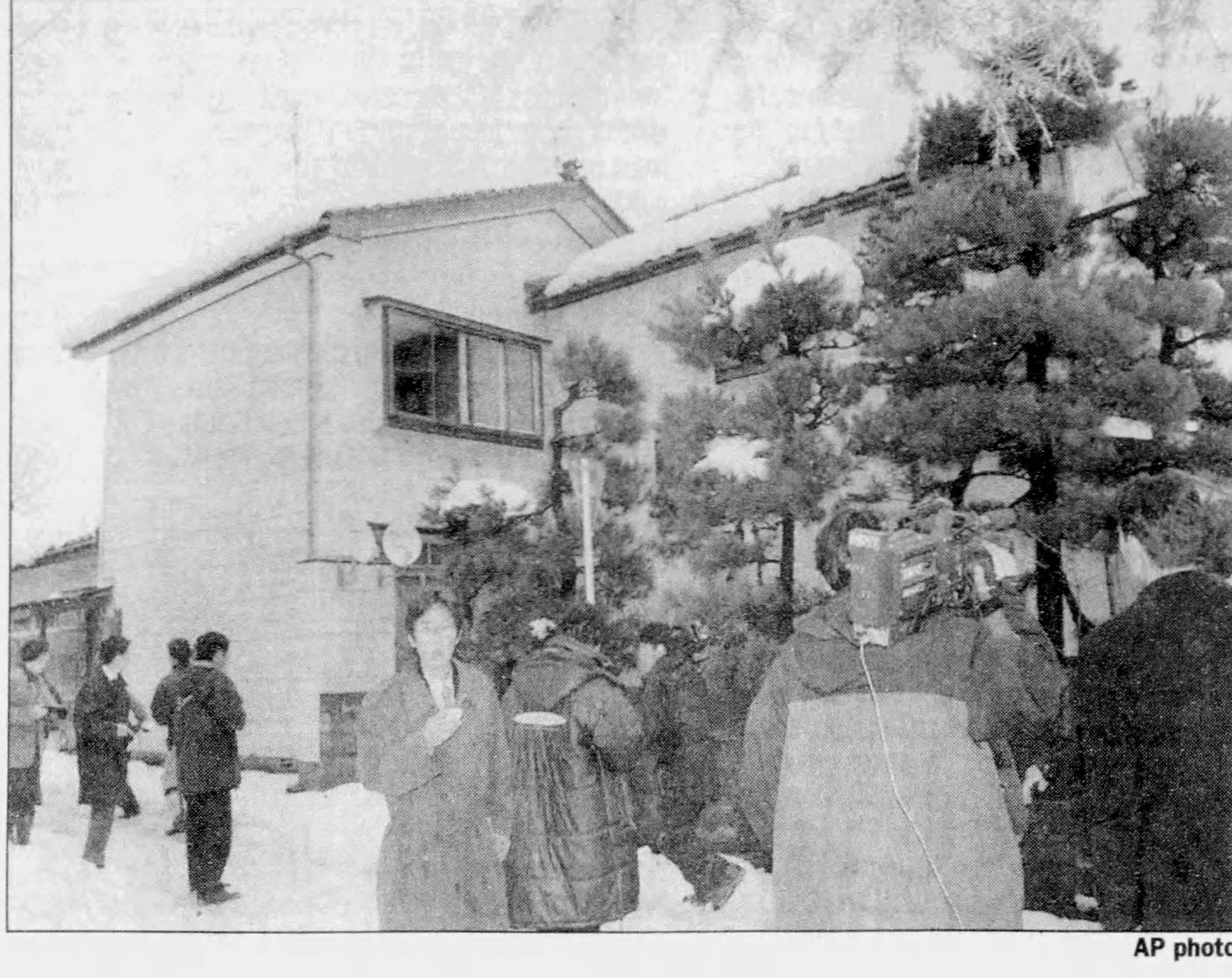
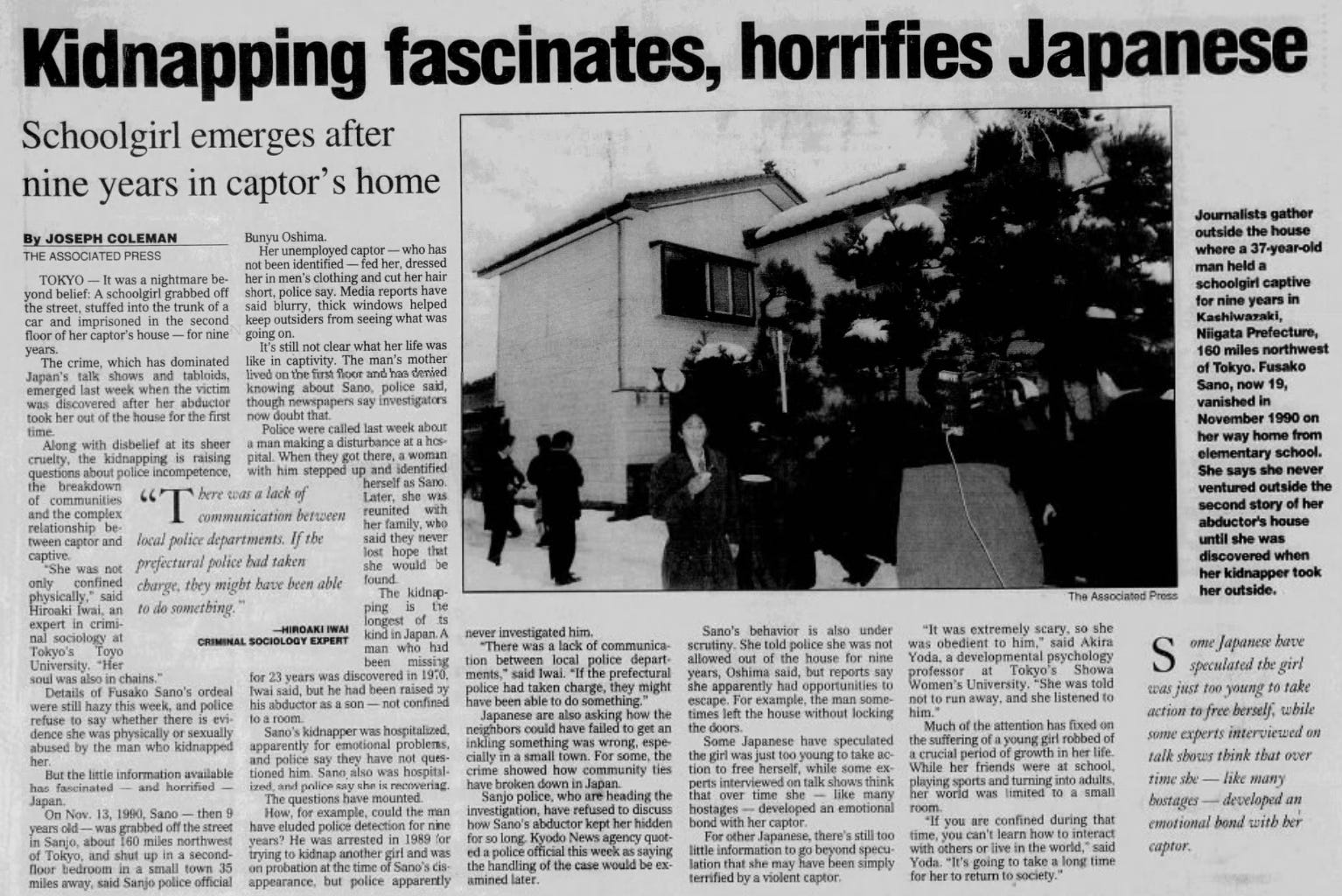
Satō then drove the girl to his home in Kashiwazaki, and there he confined her to a room on the second floor of the house, where she would remain trapped for the next nine years. The house was in a normal residential neighborhood, and even sat two hundred meters from a kōban, the small neighborhood police substation that is a fixture of Japanese communities.
When Fusako failed to return home, her family immediately knew that something was wrong. The disappearance of the nine-year-old child led to a major search involving police and members of the local community. Authorities searched for any clues that could reveal what had happened to her.
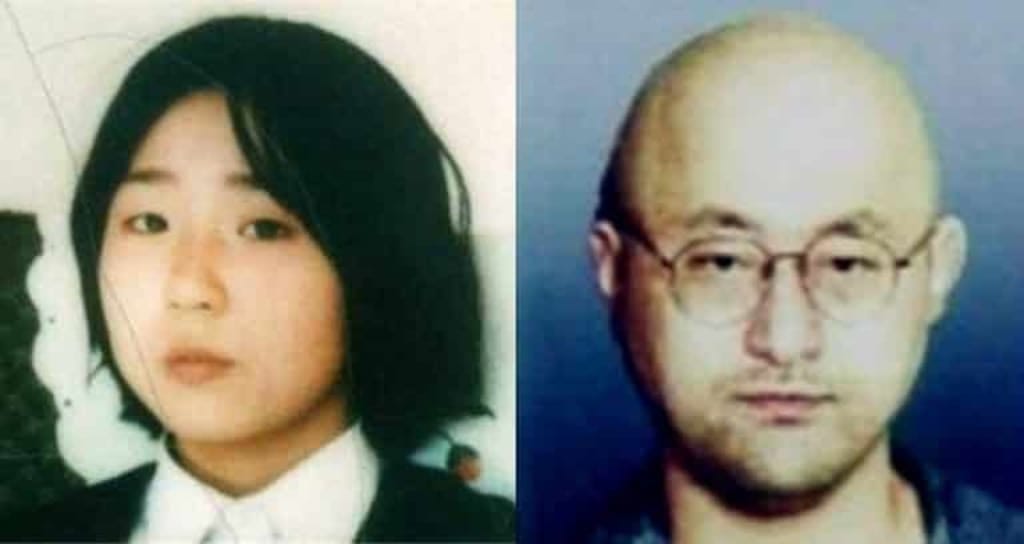
What made the case all the more frustrating was that Satō was not a stranger to the police. In June 1989, he had been investigated for inflicting violence on another girl and was convicted that September. Yet when detectives drew up their list of possible suspects after Fusako vanished the following year, Satō’s name was noticeably absent.
The man at the center of the crime, Nobuyuki Satō, was born on July 15, 1962. At the time of the abduction, He lived with his mother in Kashiwazaki. According to later accounts from his neighbors, after the death of his father, Satō’s behavior became increasingly violent and unstable.
Investigation and Search
Despite extensive search efforts, Fusako could not be found. Months passed with no clear leads, confirmed sightings, or evidence. At one point, investigators even considered several unusual possibilities, including the possibility that she had been taken by North Korean intelligence agents.
Meanwhile, the truth was much closer than anyone imagined. Fusako had not been taken somewhere far away. She was being held inside a house just a short distance from a police station.
Nine Years In Captivity
During her captivity, Fusako experienced years of isolation and psychological control. For Fusako, the world outside the room slowly disappeared. A nine-year-old child who had once attended school, played with friends, and lived a normal childhood was suddenly forced into a life of isolation. She was separated from her family, removed from society, and placed completely under the control of the man who had taken her.
During the early months of her captivity, Satō reportedly kept Fusako restrained and controlled her movements. She later told investigators that she was initially terrified, but over time she became psychologically exhausted and accepted her situation because of the fear created by her captor. The door was reportedly not always locked, yet she never left. "I was too scared to escape," she told police, "and eventually lost the energy to escape."2
Satō controlled almost every part of Fusako’s daily life. The room where she was kept had no bathroom. Because of this, Fusako could only bathe occasionally, and only when Satō allowed it. The lack of basic facilities made her years of captivity even more difficult and isolating.
Satō also cut Fusako’s hair and gave her his own men's clothing to wear. He provided her with meals several times a day, including instant food and meals prepared by his mother, who lived downstairs in the house.
For most of those years, her only contact with the outside world was a radio; only in the final year was she allowed to watch television. Satō was reportedly obsessed with horse racing and forced Fusako to videotape races for him. When she failed to do so, he punished her with a stun gun and threatened her with a knife and beatings.
Satō lived in the house with his mother, who stayed on the lower floor. She claimed that she did not know Fusako was being held upstairs. However, police later believed that she must have had some awareness of Fusako’s presence.
Satō’s mother reportedly avoided going upstairs because her son had become violent and aggressive whenever she attempted to enter his room. Despite living in the same house, the full extent of what she knew became one of the most debated questions following Fusako’s rescue.
As the years passed, Fusako grew from a child into a teenager inside that room. The little girl who disappeared in 1990 became a 19-year-old young woman before she was finally freed.
Missed Opportunities
One of the major controversies in the case involved Satō’s mother. Before Fusako was discovered, Satō’s mother had contacted the Kashiwazaki Public Health Center on multiple occasions because she was worried about her son’s increasingly violent and unstable behavior.
Her first known contact with authorities occurred in January 1996, when she requested assistance regarding Satō’s condition. She contacted the health center again on January 12, 2000, and once more on January 19, 2000, only days before Fusako was finally found.
Police later believed Satō’s mother may have known that something unusual was happening inside the house. Investigators pointed to details such as her preparing meals for the household and reportedly purchasing feminine hygiene products, though she maintained that she did not know Fusako was being held upstairs.
The revelation of these failures caused public anger throughout Japan and raised serious questions about whether a more diligent investigation could have saved Fusako from years of captivity.
Discovery and Rescue
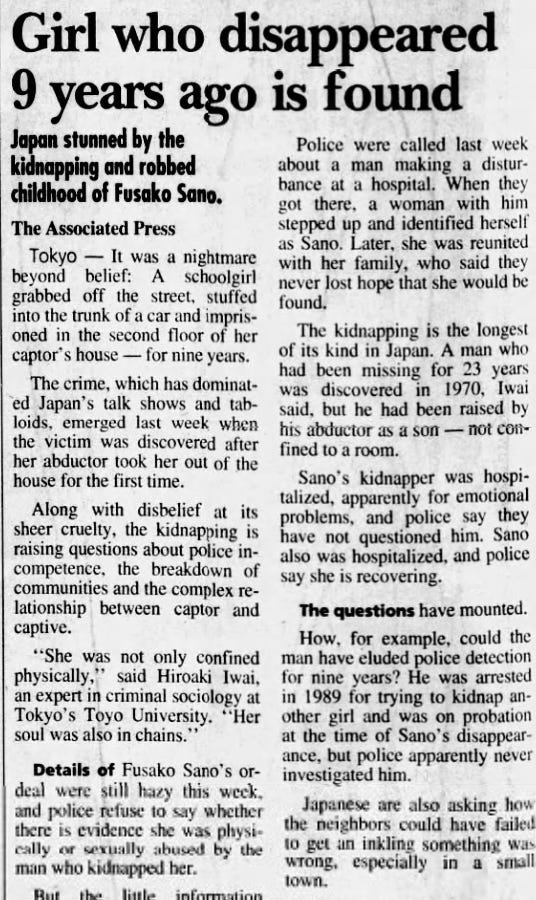
On Friday, January 28, 2000, nearly a decade after Fusako Sano disappeared, the missing child who had vanished in 1990 was found alive. After Satō’s mother’s repeated requests for help regarding her son’s unstable behavior, officials from the Kashiwazaki Public Health Center finally arrived at the house.
Their visit was unrelated to Fusako’s disappearance; they were there because of concerns about Satō’s unstable behavior. When officials arrived, they removed Satō from the house for a medical evaluation.
Fusako, who had spent more than nine years hidden inside the home, accompanied them. At that time, nobody realized that the quiet young woman with Satō was a kidnapped girl who had been missing for nearly a decade. While at the hospital, Satō caused a disturbance, which resulted in police officers being called to the scene.
During this unexpected encounter, Fusako approached the officers and identified herself. She told police: “I was abducted near the school by a man who forced me into a car. For nine years, I did not take a step out of the house. Today, I went out for the first time.” Police quickly realized the young woman in front of them was Fusako Sano. The nine-year-old girl who disappeared in 1990. The girl whose family had spent years wondering what happened to her.3
When Fusako was found, she was physically weak and severely affected by years of isolation indoors. Due to the lack of exposure to sunlight for many years, she had a very light skin tone and suffered from jaundice. She was extremely thin and dehydrated. She struggled to walk due to the lack of physical activity during her captivity. She also showed signs of psychological trauma after spending almost half her life separated from the outside world.
After nine years and two months in captivity, Fusako was finally free. Her reunion with her family was an emotional and unforgettable moment. Her mother, who had spent years living with uncertainty and not knowing whether her daughter was still alive, was finally able to hold her again.
Because Fusako had disappeared at nine years old, her mother initially struggled to recognize her when they reunited. The child she remembered had now grown into a 19-year-old young woman.
Public Fallout
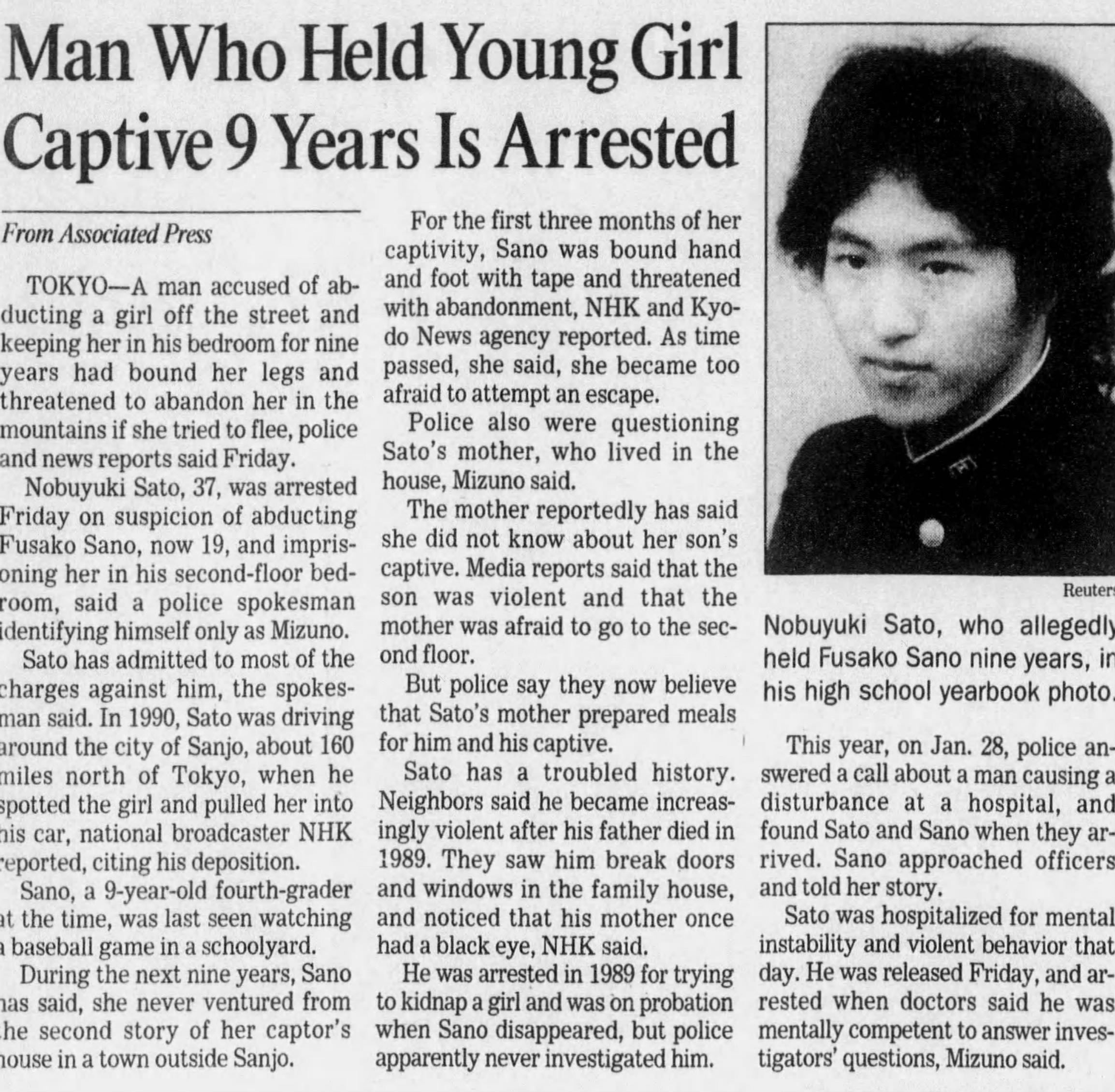
Following Fusako’s rescue, Nobuyuki Satō was immediately taken into custody, and the legal process surrounding one of Japan’s most shocking kidnapping cases began. On January 28, 2000, the same day Fusako was discovered, Satō was hospitalized because authorities considered him mentally unstable.
At that time, he was considered a suspect while investigators began examining the full extent of his crimes. On February 11, 2000,4 he was formally arrested. At the time of his arrest, Satō was 37.
The case quickly attracted national attention. The public was shocked not only by the fact that Fusako had survived nearly a decade in captivity, but also by the failures that allowed Satō to hide her for so long. The case also created a major public backlash against the authorities responsible for protecting Fusako and investigating her disappearance.
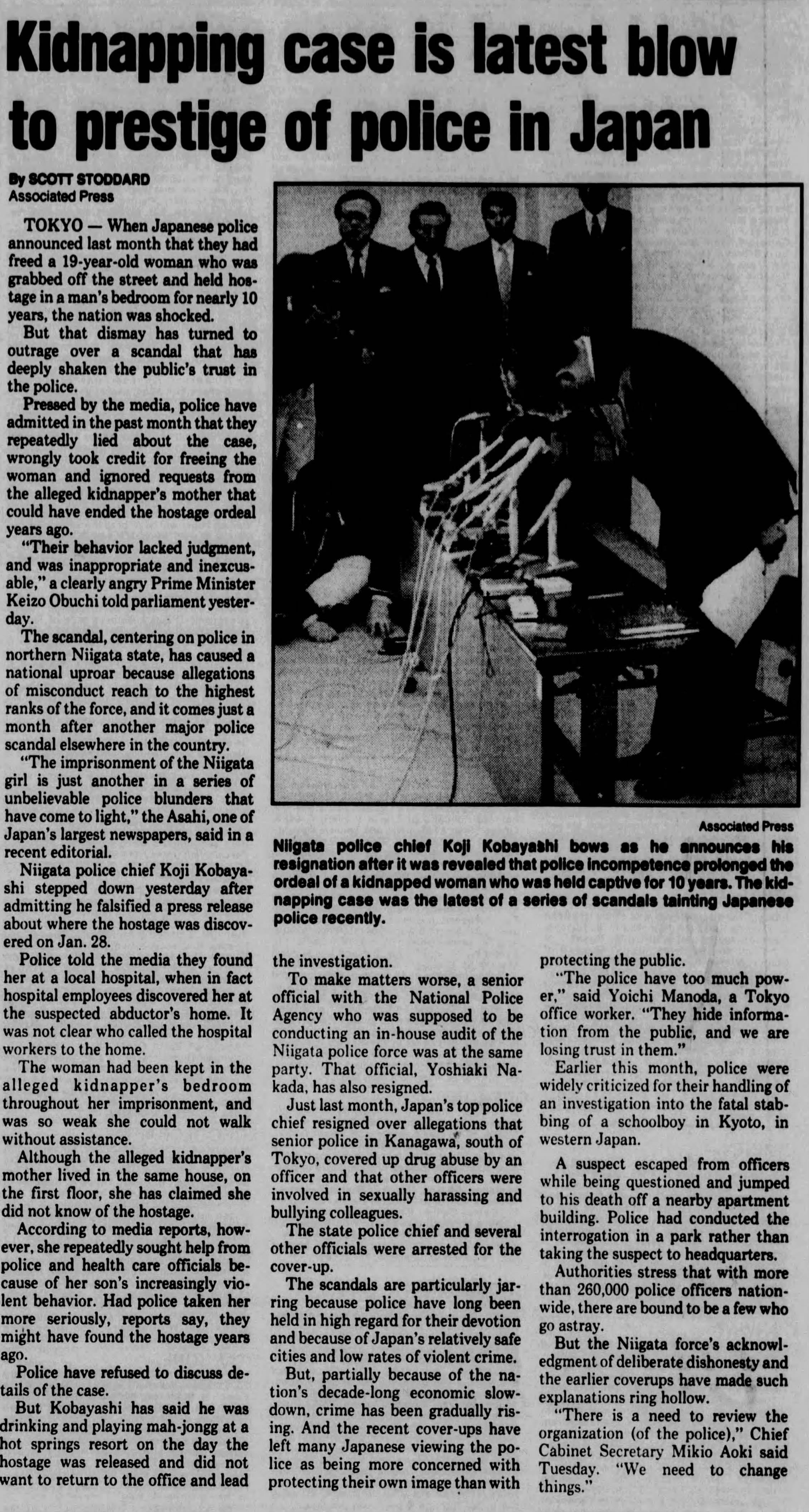
It emerged that during the time Fusako was found, the chief of the Niigata Prefectural Police, Koji Kobayashi, was not at his post but at a hot-spring resort, drinking and playing mah-jong with a senior regional police official. Worse still, police statements initially implied that officers had made the discovery, when in fact it was health workers who had stumbled upon her. Facing intense public criticism, Koji Kobayashi resigned on February 26, 2000, and Yoshiaki Nakada resigned on February 29.5
Trial and Conviction of Nobuyuki Satō
The trial of Nobuyuki Satō began on May 23, 2000, at the Niigata District Court. Prosecutors were careful in their handling of the case because they were concerned about causing further psychological harm to Fusako.
Instead of focusing only on the kidnapping and confinement charges, they included additional offenses against Satō, including minor crimes such as shoplifting women's underwear, in an effort to increase the maximum possible punishment he could receive.
During the early stages of the trial, Satō’s mental condition became a major issue. The defense argued that Satō was not mentally responsible for his actions. However, on September 6, 2001, psychiatric evaluations concluded that he was mentally fit to stand trial. Following this decision, Satō admitted the main charges against him.
On January 22, 2002, the Niigata District Court sentenced Nobuyuki Satō to 14 years in prison, close to the then-maximum sentence of 15 years. But the legal battle was not over. On January 24, 2002, Satō’s defense team appealed the decision, moving the case to the Tokyo High Court. 6
On October 12, 2002, Tokyo High Court Judge Toshio Yamada reduced the sentence from 14 years to 11 years. The reduced sentence disappointed prosecutors, who believed the original punishment better reflected the seriousness of the crime. On July 10, 2003, after an appeal, the Supreme Court accepted the prosecution’s arguments and restored the original 14-year prison sentence.
Release and Death
Satō was eventually sent to Chiba Prison in Chiba City, where he served his sentence. He was released in April 2015 after completing his 14-year sentence. After his release, he lived a relatively quiet life away from public attention.
In 2017, Nobuyuki Satō was found dead alone inside his apartment in Chiba Prefecture at the age of 55.7
Aftermath
After her rescue, Fusako faced the difficult process of rebuilding her life. Although she was physically free. The psychological effects of spending nine years in captivity did not immediately disappear. She had missed an entire stage of childhood. She had missed school years, friendships, family moments, and many experiences that shape a person’s early life.
Returning to normal life required patience, support, and time. Despite the trauma she experienced, Fusako gradually adapted to life after captivity. Reports stated that her physical health improved after her release, and she eventually returned to living with her family. In the years following her rescue, Fusako gradually developed her own interests and routines while continuing to adjust to everyday life.
She obtained a driver's license and became interested in digital photography, particularly photographing flowers, which became one of the activities she enjoyed in her free time. Although Fusako continued to live a private life away from public attention, people in her community noticed that she enjoyed following the local J. League soccer club Albirex Niigata and occasionally attended their matches.
Unlike many missing-person cases that end in tragedy, Fusako’s story became one of survival. Her case also changed public awareness in Japan about missing children, kidnapping investigations, and the importance of carefully examining every possible lead.
She had endured years of isolation and uncertainty, yet she found the courage and resilience to rebuild her life.
BBC News. "Japanese Woman's Captive Childhood." January 29, 2000. https://news.bbc.co.uk/1/hi/world/asia-pacific/623459.stm
CBS News. "Girl Appears After 9 Years Said She Was Abducted By A Man." January 29, 2000. https://web.archive.org/web/20071016050101/https://www.cbsnews.com/stories/2000/01/29/world/main154723.shtml
Deseret News (Associated Press). "Charges Filed in Japan Abduction." February 12, 2000. https://www.deseret.com/2000/2/12/19490530/charges-filed-in-japan-abduction/
BBC News. "Japanese Kidnapper Arrested." February 11, 2000. https://news.bbc.co.uk/2/hi/asia-pacific/639264.stm
Wikipedia contributors. "Fusako Sano." Wikipedia. https://en.wikipedia.org/wiki/Fusako_Sano
The Japan Times. "Man Who Held Girl for Nine Years to Serve 14, Supreme Court Rules." July 11, 2003. http://search.japantimes.co.jp/cgi-bin/nn20030711a3.html
Niigata Nippo. "Former Convict in Kashiwazaki Confinement Case Died of Illness." January 23, 2020. https://web.archive.org/web/20200214101523/https://www.niigata-nippo.co.jp/news/national/20200123520286.html