


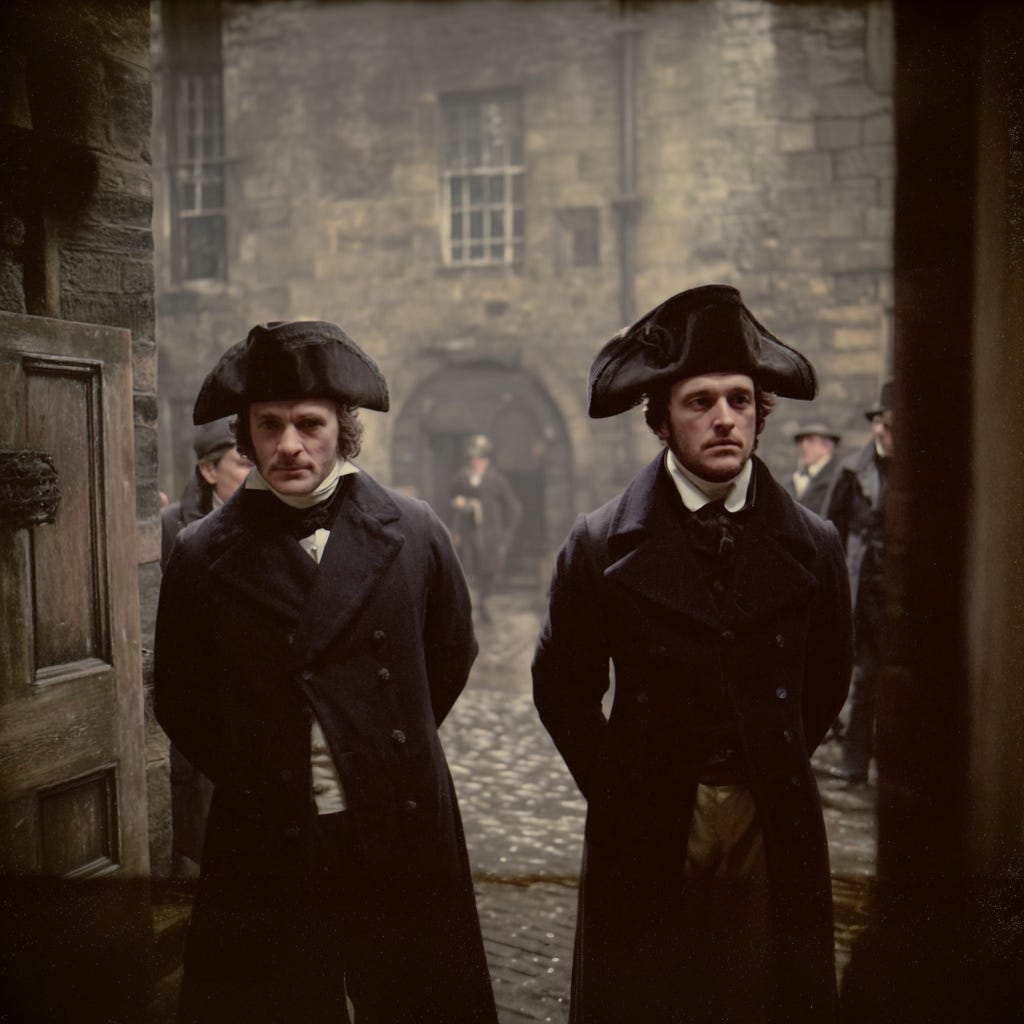
In Edinburgh during the late 1820s, two men discovered that dead bodies could be turned into money. At first, the opportunity came by accident. Then it became murder. Then it became a business.
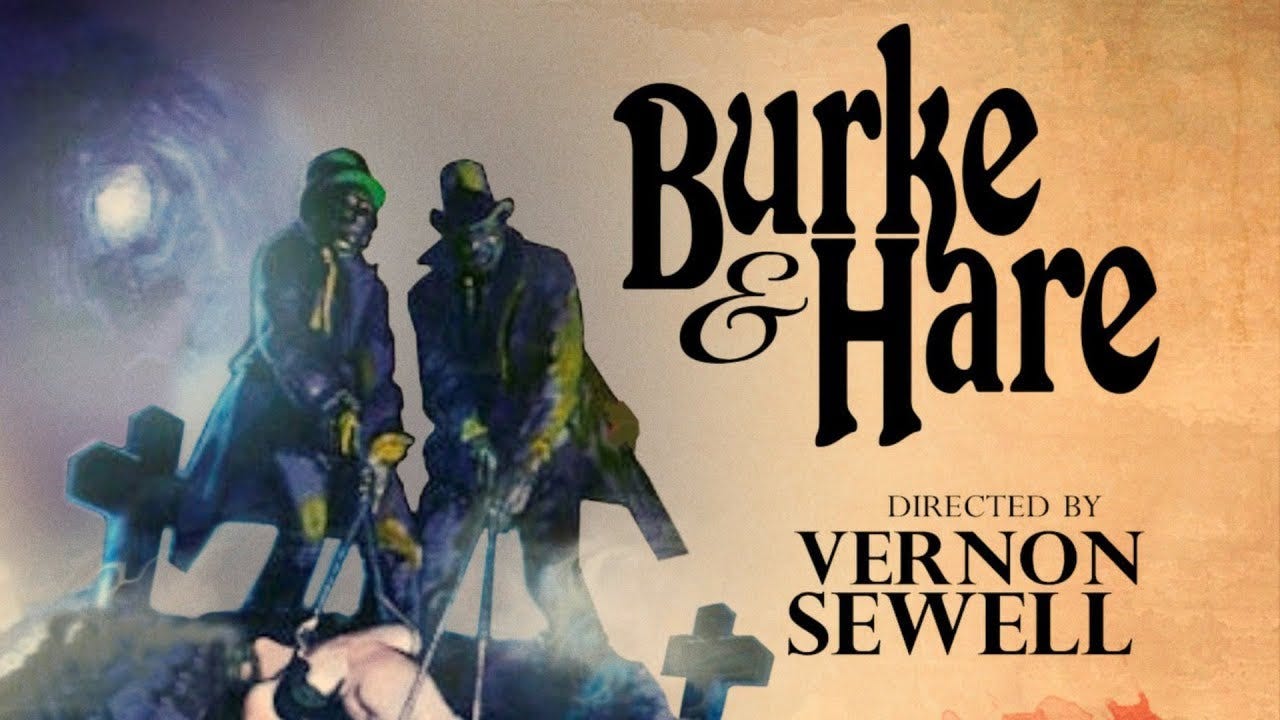
The 1972 film Burke and Hare takes that real story and turns it into something darker, stranger, and more theatrical. The film is not simply a historical drama. It adds a much larger world of brothels, students, taverns, sexual politics, and dramatic confrontations. These additions make the film feel less like a procedural true crime story and more like a dark horror melodrama.
Directed by Vernon Sewell, Burke & Hare initially met with unfavorable reviews upon its release. According to Sewell, after the rights to the picture were sold, numerous changes were made without his authorization, including the addition of scenes he had previously cut from the film. Decisions about the film’s musical score were also made without his permission.
Despite the changes and negative feedback from some critics, the film shines a light on a macabre real-life case and remains a unique piece of 1970s British horror.
Case Overview
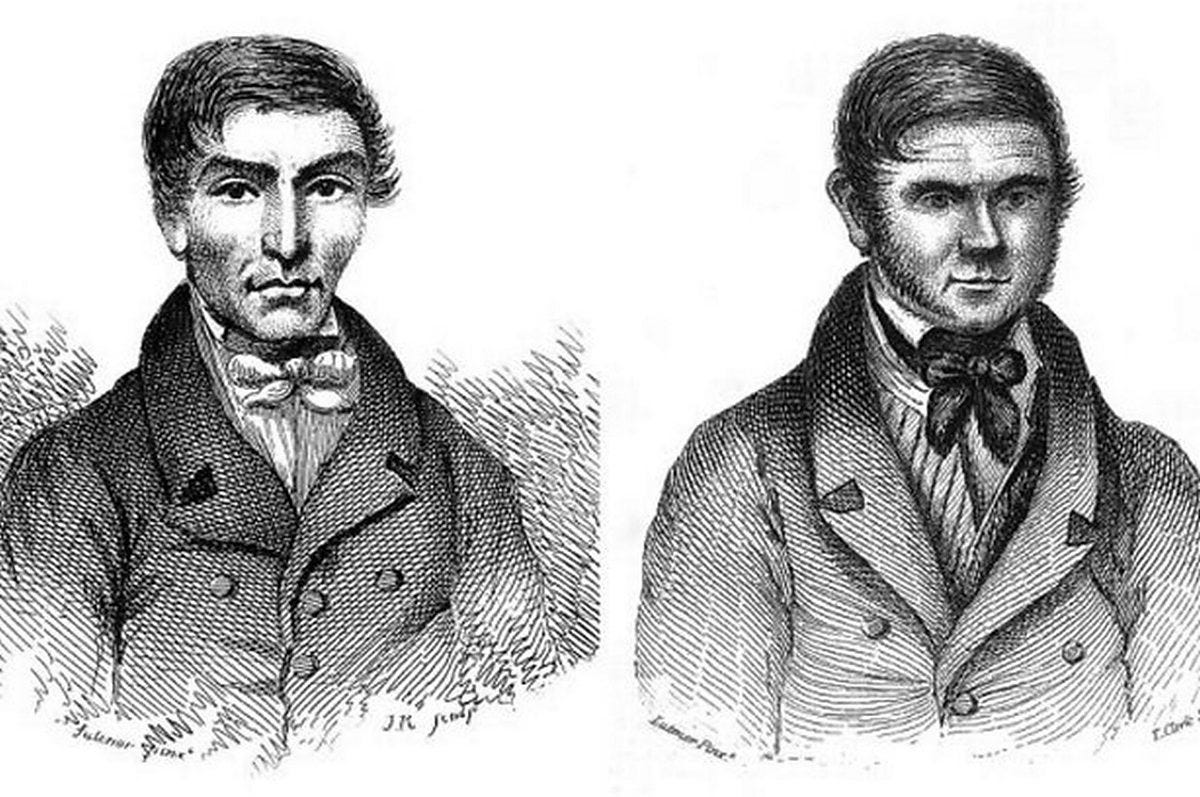
The West Port murders took place in Edinburgh, Scotland, between 1827 and 1828. At the center of the case were William Burke and William Hare, two Irishmen living in a poor part of the city. Hare ran a lodging house, and Burke was a laborer who became his close associate.
Their crimes started when one of Hare’s tenants died naturally while still owing rent. Instead of reporting the death to authorities, the two saw an opportunity to make money. They sold the body to Dr. Robert Knox, a respected anatomy lecturer who needed cadavers for dissection.
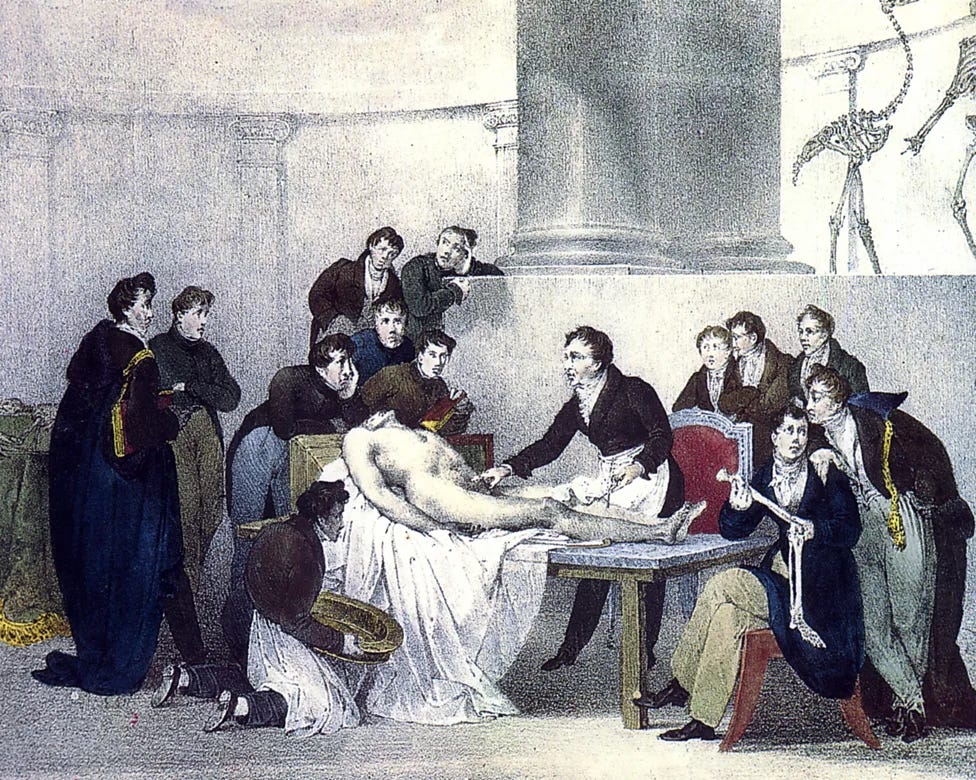
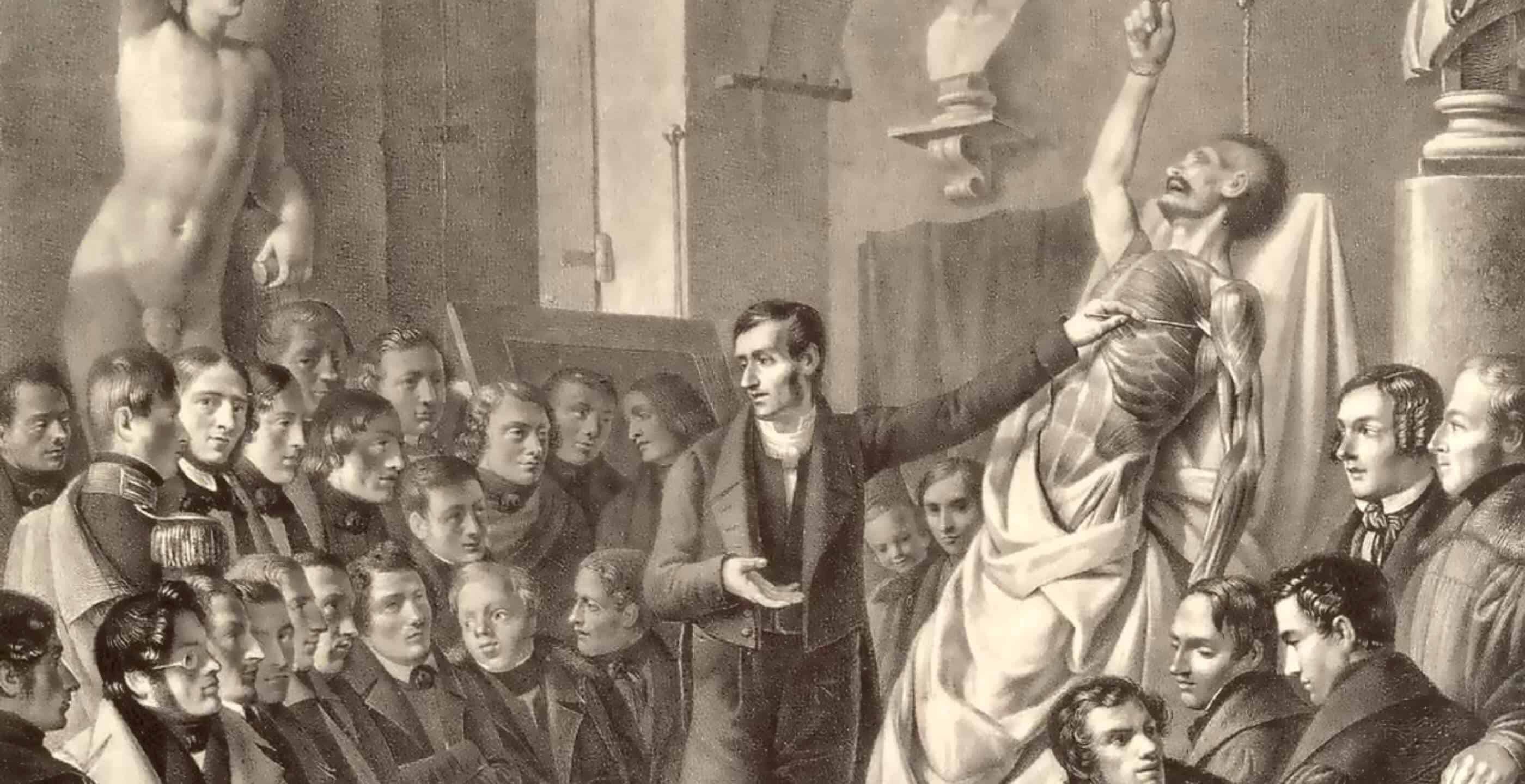
At the time, medical schools faced a serious problem. Anatomy students needed bodies to study, but the legal supply was extremely limited. That shortage created a shadowy trade in corpses. Some men robbed graves. Burke and Hare went even further. Once they realized how much money could be made, they began creating the corpses themselves.
Their victims were usually people on the margins of society, the poor, the elderly, travelers, lodgers, and people unlikely to be missed quickly. Burke and Hare’s method was simple and brutal. They suffocated their victims, usually while the person was drunk or unable to fight back. This kept the body in good condition for sale, with fewer visible signs of violence. The method later became known as “burking.”
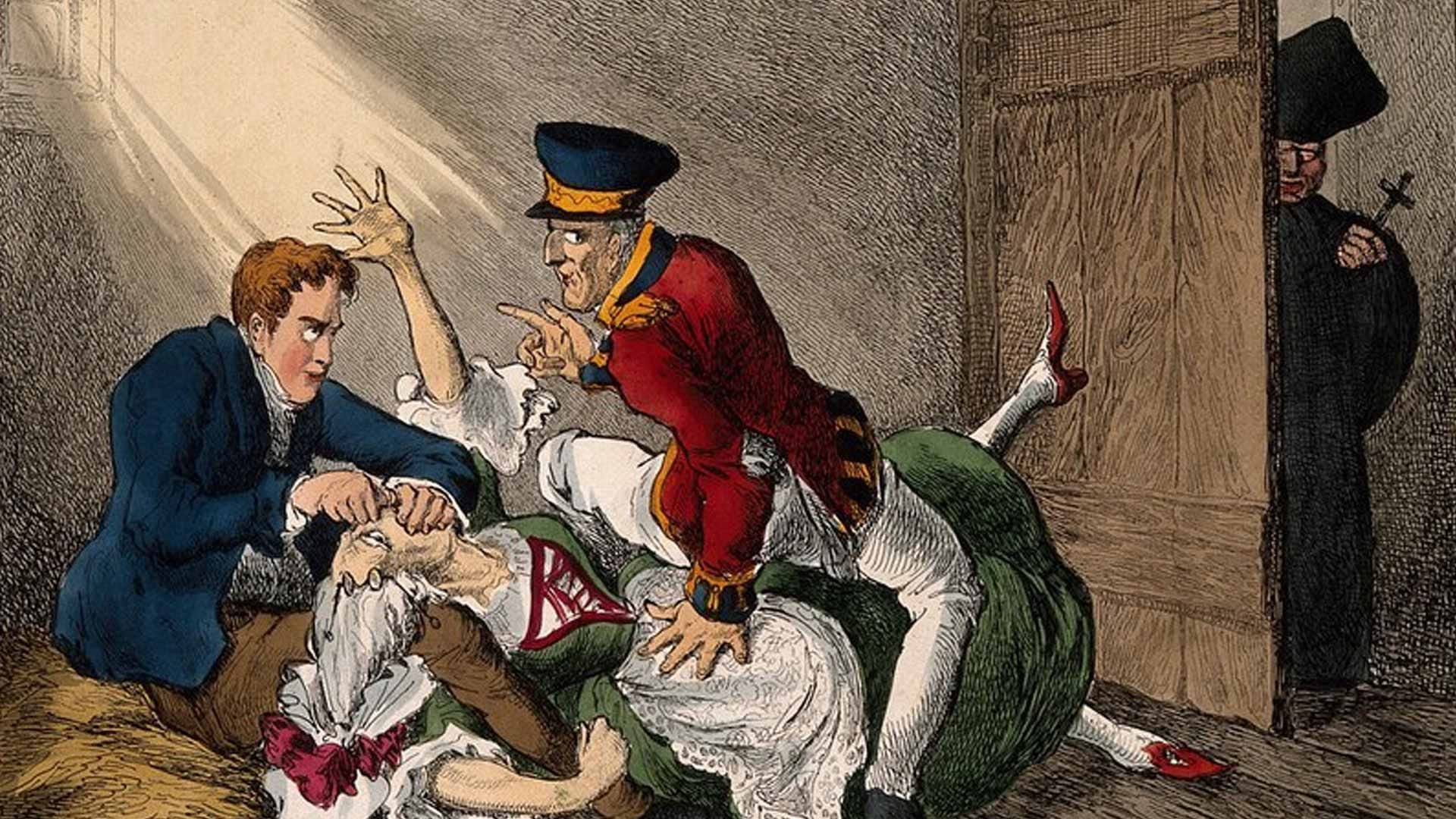
Over the course of about a year, Burke and Hare were linked to at least sixteen killings. Many of the bodies were sold to Dr. Knox for use in his anatomy lectures. Knox was never convicted of a crime, but his role in buying the bodies without asking enough questions has remained one of the most disturbing parts of the case.
Their scheme finally began to unravel after the killing of Margaret Docherty in late 1828. Other lodgers became suspicious, and when police investigated, the body was discovered. The case quickly grew into one of Scotland’s most infamous murder scandals. When the authorities finally moved in, Hare chose to save himself. He turned against Burke and gave evidence for the prosecution. His testimony helped secure Burke’s conviction.
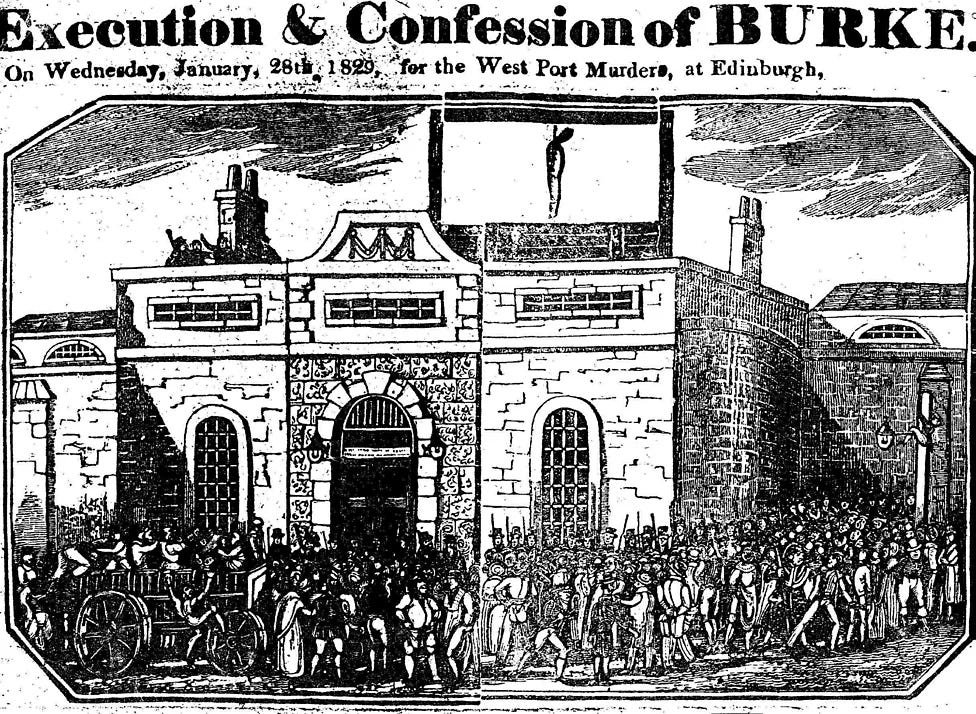
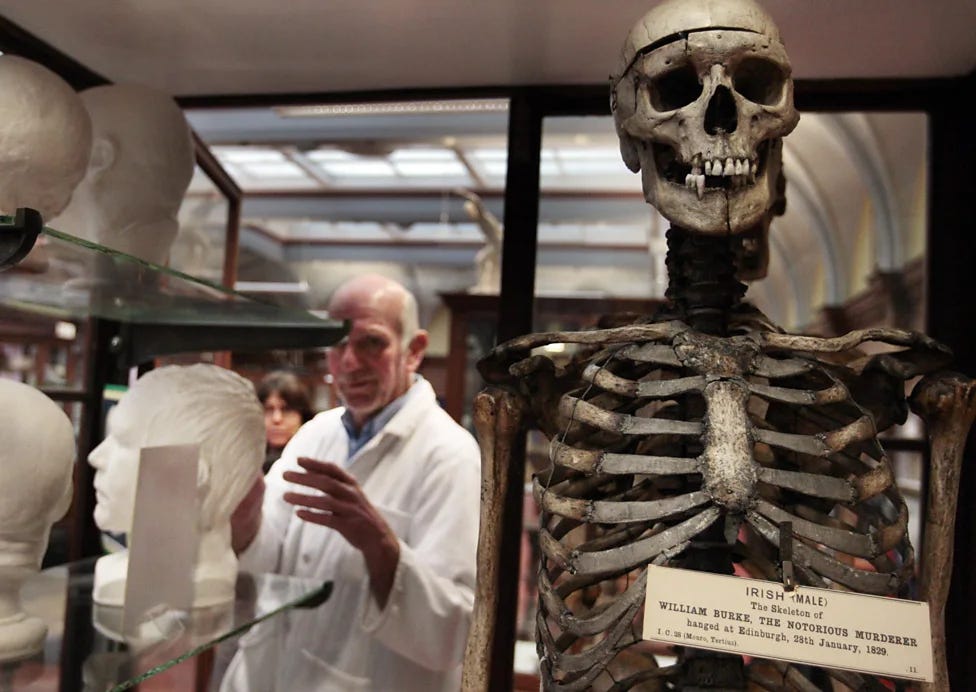
Burke was hanged on January 28, 1829. Hare received immunity, and soon he disappeared from public life. The case left a deep mark on Edinburgh and on the medical world. It also added to the growing pressure for reform, eventually helping change the way bodies could be legally obtained for anatomical study.
The public outcry following the West Port murders and the implications of medical practitioners illegally procuring corpses prompted the enactment of the Anatomy Act of 1832.
This legislation transformed the process through which medical institutions acquired cadavers for dissection by allowing the use of unclaimed bodies from institutions such as workhouses and prisons. This effectively eliminated the financial motivation for grave robbing or homicide.
A Dramatic Retelling
The 1972 film Burke and Hare begins with the same central theme as the real case: Edinburgh’s medical schools need bodies, and the legal supply is short. Dr. Knox requires cadavers for his lectures, and Burke and Hare step in to fill that demand.
The film shows the two men first profiting from a dead body and then realizing that murder can keep the money coming. The idea that the crime began with a naturally dead lodger is one of the most important facts of the case, and the film uses it as the starting point for Burke and Hare’s descent.
The movie also keeps the basic motive intact. Burke and Hare are not shown as men driven by revenge or madness. They are driven by greed. They kill because dead bodies have become valuable. That is one of the reasons the real story remains so disturbing. The murders were not personal. They were commercial.
Like the real case, Dr. Knox is presented as a man whose need for fresh cadavers creates the market that Burke and Hare exploit. The film leans into the moral ugliness of that world, where poverty, medicine, and money all meet in the anatomy room.
Dr. Knox
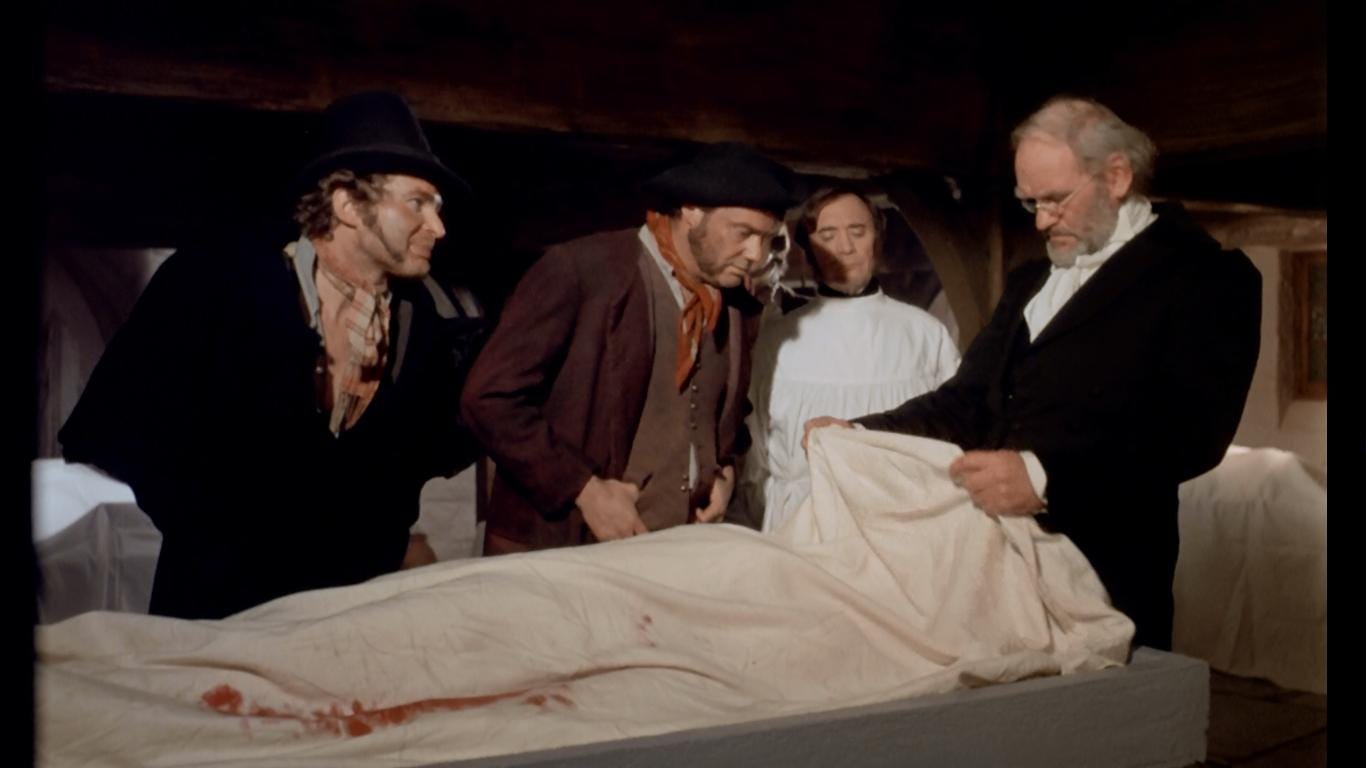
Dr. Robert Knox is one of the central figures in the Burke and Hare story. Historically, Knox bought the bodies, used them in his anatomy lectures, and did not ask questions. He was never convicted of involvement in the murders. Legally, Burke and Hare carried the direct guilt. Morally, Knox’s position has always been harder to ignore.
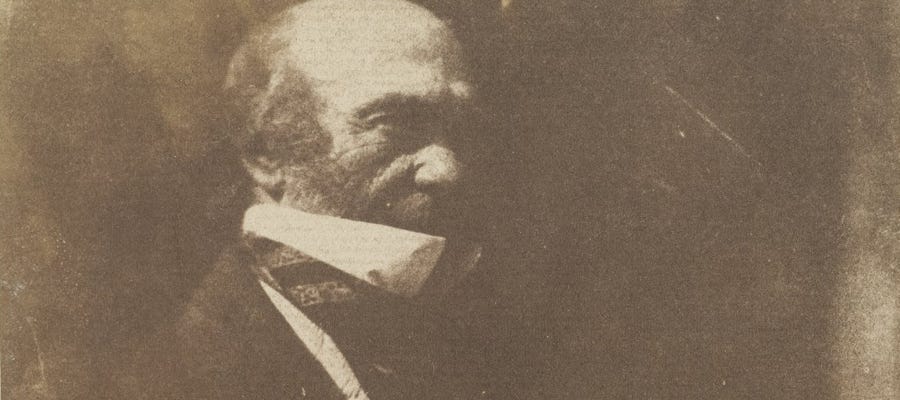
The film presents Knox as part of the same corrupt environment that allows the murders to continue. Though he is not physically killing the victims, his demand for bodies gives Burke and Hare a reason to keep killing. This is one of the film’s stronger choices, because it does not let the respectable medical world stand completely separate from the horror.
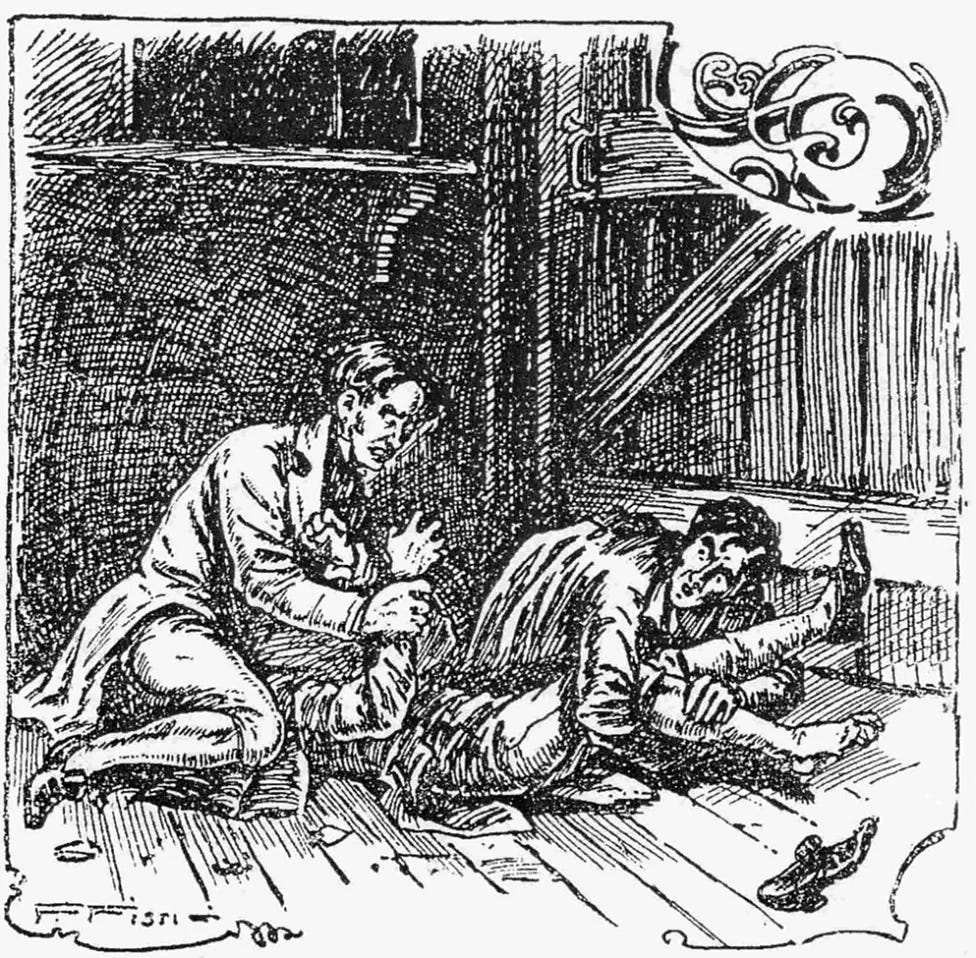
One of the pivotal parts of the film involves the murder of Daft Jamie. This character was based on one of Burke and Hare’s real victims, named James Wilson. In the movie, Jamie is shown as a vulnerable young man who stands out because of his cognitive impairment and physical condition. He walks with a limp, which makes him even more recognizable. This is important because Jamie is not presented as just another unknown victim. He is someone whose absence people would notice.
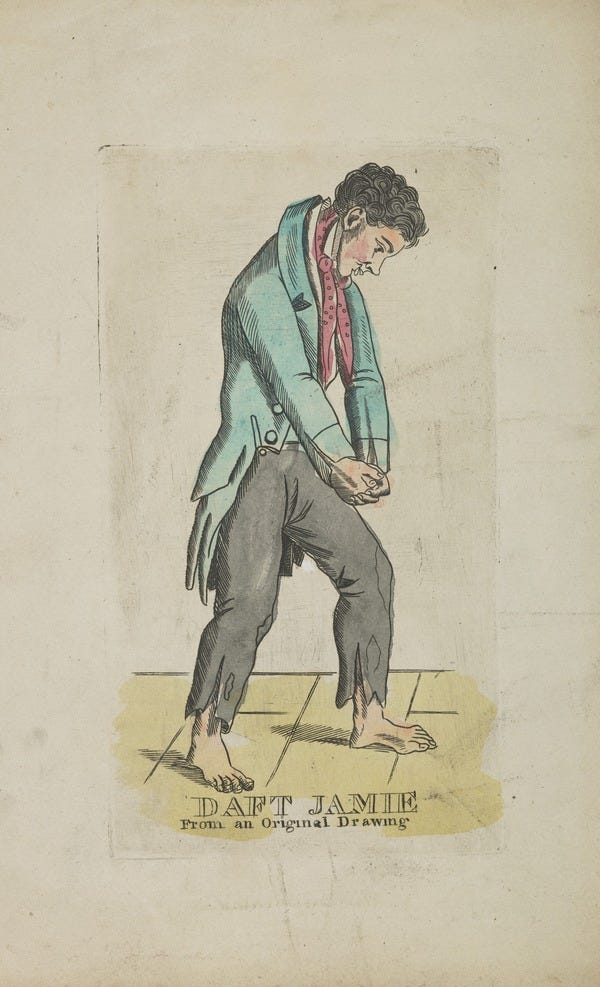
His murder was especially risky because he was known in the city. People recognized him, and that made his disappearance harder to ignore. The film understands this danger and turns Jamie’s death into one of the moments where Burke and Hare’s crimes begin to close in around them.
After Jamie is killed, his body reaches Dr. Knox. But there is a problem. The body shows signs that Jamie has been in a fight. This makes the corpse harder to explain away. Burke and Hare’s usual method depends on bodies appearing clean enough to pass as ordinary cadavers. Jamie’s body is different.
The danger increases when two members of the city guard arrive looking for him. Knox then destroys Jamie’s head and tells the guards that the body belongs to a boy killed in a factory accident. This is one of the film’s darkest dramatic choices. It pushes Knox further into complicity. Historically, Knox’s role has always been controversial, but the film goes further. It shows him actively hiding evidence that could reveal the truth.
It is more of a dramatic invention or exaggeration. But it does serve a purpose. It shows how the film wants the audience to see Knox not only as a careless buyer, but as a man willing to protect his work even when the truth is staring him in the face.
When he destroys Jamie’s head and lies to the city guard, the film turns him from a man who looks away into a man who actively helps hide the truth. That is a much stronger accusation than the historical record can safely prove, but it fits the film’s darker view of him. In this version, he is not just a customer of Burke and Hare’s crimes. He becomes part of the system that allows those crimes to continue.
Dramatic License
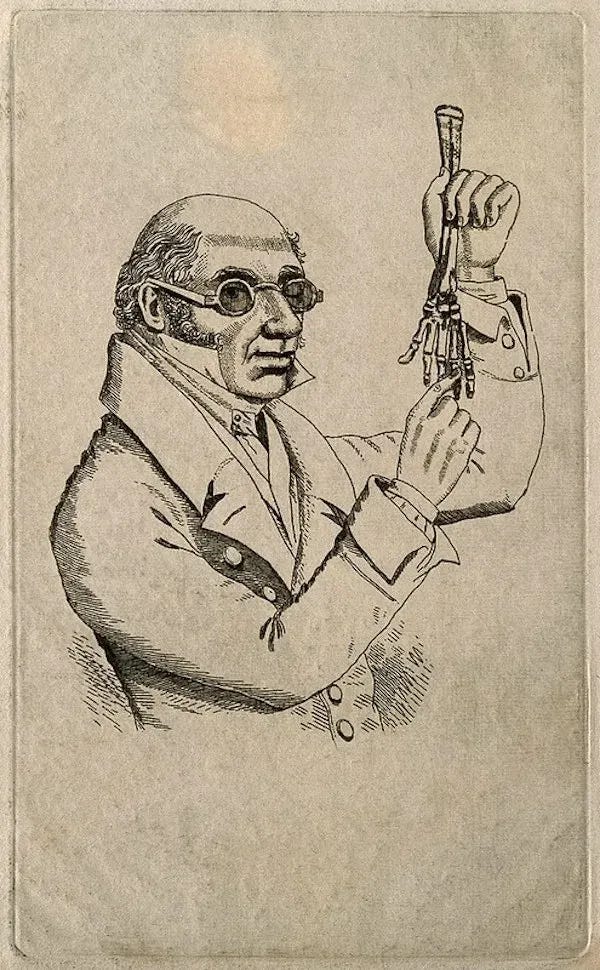
As with many films based on true events and real cases, Burke & Hare uses a fair amount of dramatic license to embellish and enhance the plot. Such is the case with the character of Marie.
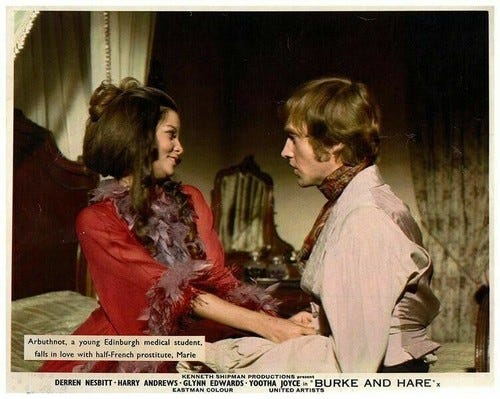
Marie is part of the film’s brothel subplot, and her role adds a more personal emotional thread to the story. She is not just another unnamed victim. The film spends time showing her life, her connection to the brothel, and her relationship with a medical student. Because of this, her death feels more direct than many of the other killings.
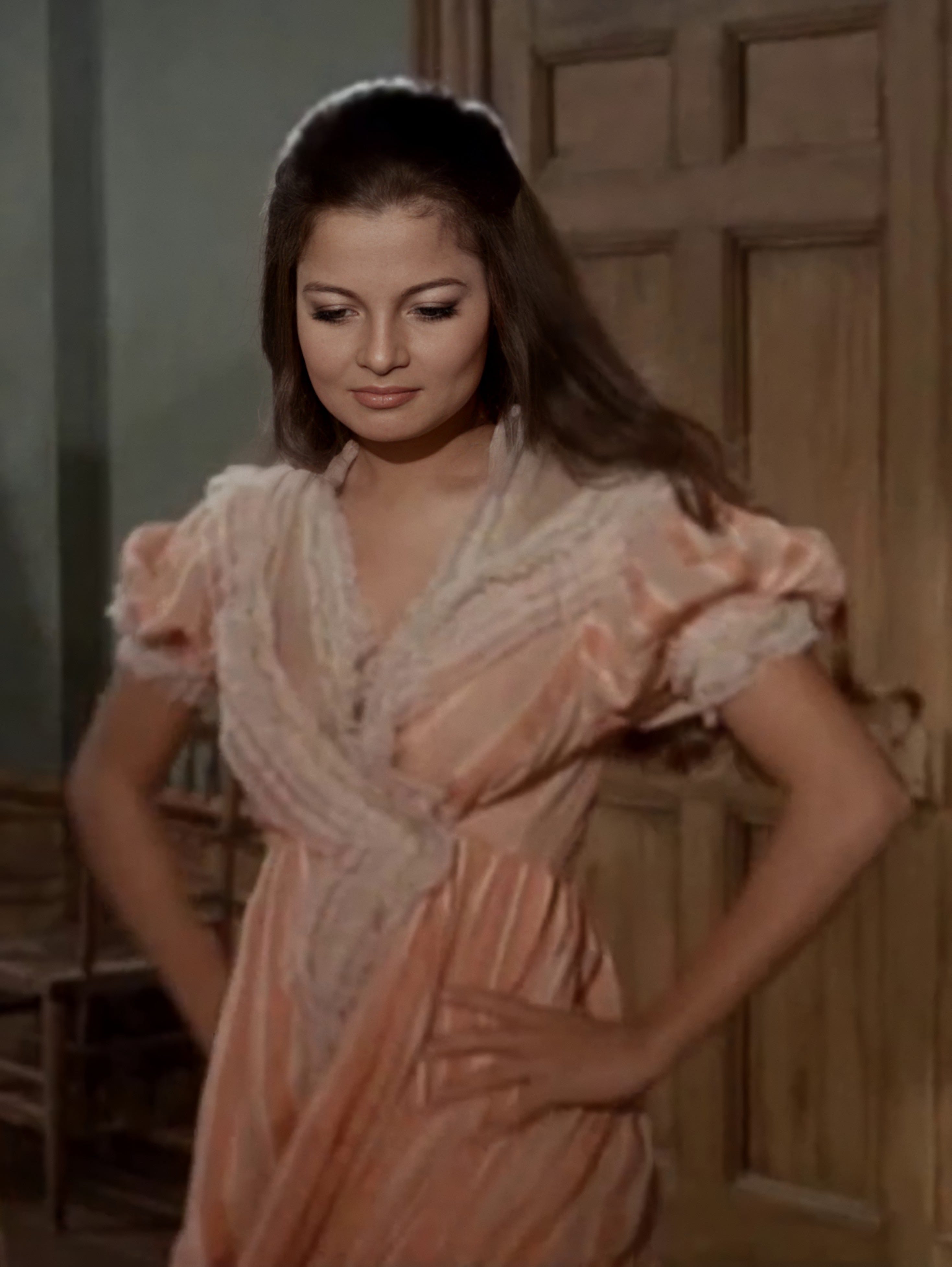
Her meeting with Burke begins after a fire breaks out at the brothel. In the confusion that follows, Marie and another girl are left vulnerable. Burke steps in and offers help, taking them back to his lodgings. On the surface, it looks like an act of kindness. But because the audience already knows what Burke and Hare are doing, the scene immediately feels threatening.
Marie’s killing is important because it makes the crimes feel personal. In reality, many of Burke and Hare’s victims were poor, vulnerable people whose lives were easily ignored by society. The film uses Marie to show that kind of vulnerability in a more dramatic and personal way. She is someone the audience has followed, and that makes her death more painful.
When Marie fails to meet her student lover, suspicion begins to grow. Later, he is horrified when he sees her body on the anatomy table. This is one of the film’s most dramatic moments because it connects two worlds that should never have met: the hidden world of Burke and Hare’s murders and the respectable world of Dr. Knox’s medical lectures.
Dr. Knox tells the student that Marie died of alcoholism, but that explanation does not satisfy him. The student’s personal connection to Marie gives him a reason to keep searching. Her death becomes the emotional trigger that pushes him deeper into the truth. This storyline works well as drama, but it is not part of the historical record. Marie is used to give the film a stronger emotional hook and to move the plot toward discovery.
The final act of the film blends several fictional and real elements together. After seeing Marie’s body, the student sneaks into Knox’s private dissection room at night. This is where the film becomes more like a thriller. The student is no longer just shocked by what he has seen. He begins actively searching for the truth.
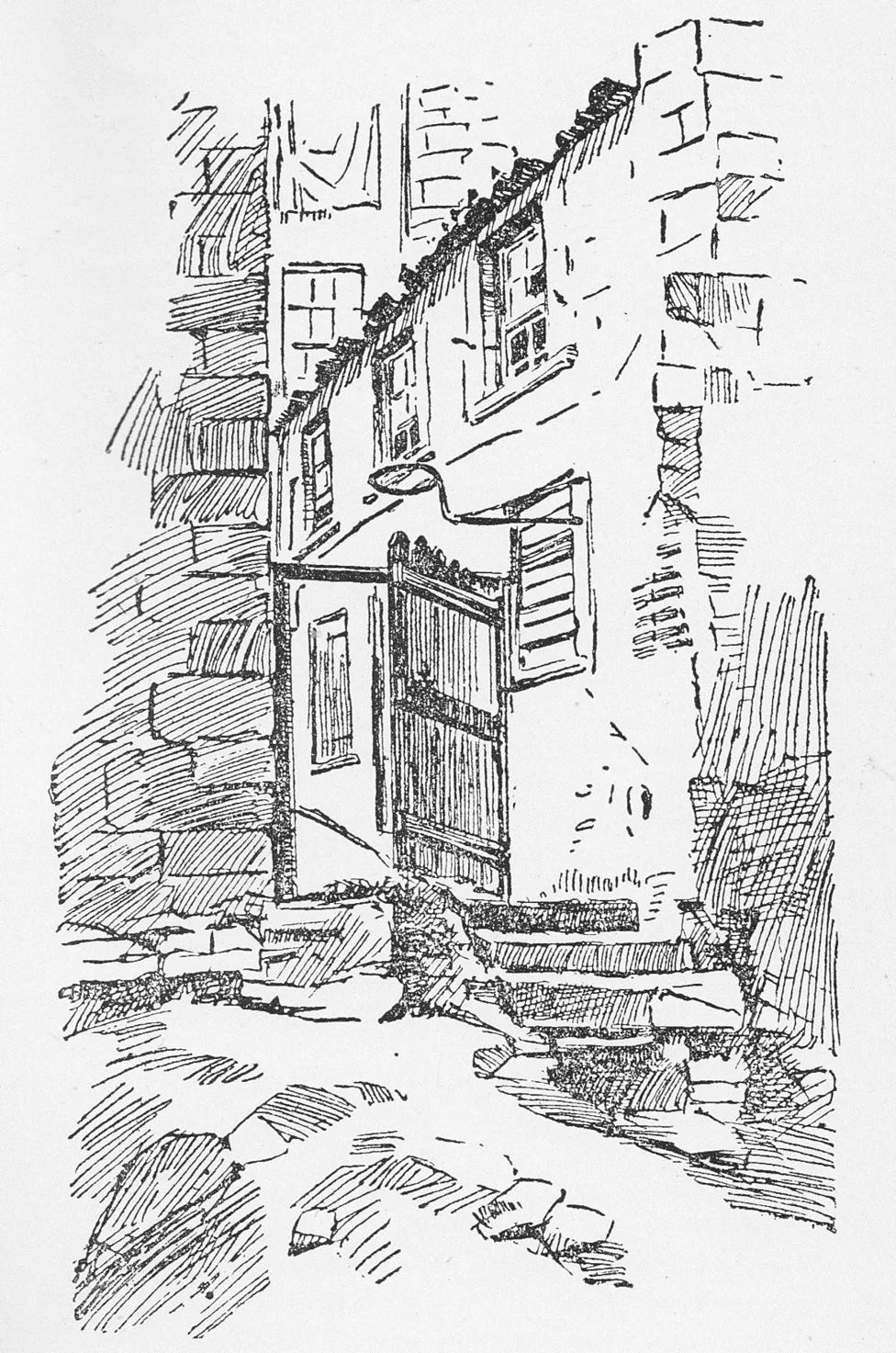
Meanwhile, Burke meets an old match-seller named Mary Docherty (based on real-life victim Margaret Docherty) in the tavern. He takes her back to his house at Tanners Close, where a Halloween party is taking place. This gives the final murder a strange and ugly atmosphere. People are drinking, laughing, and fighting, while the audience knows that Mary is in danger.
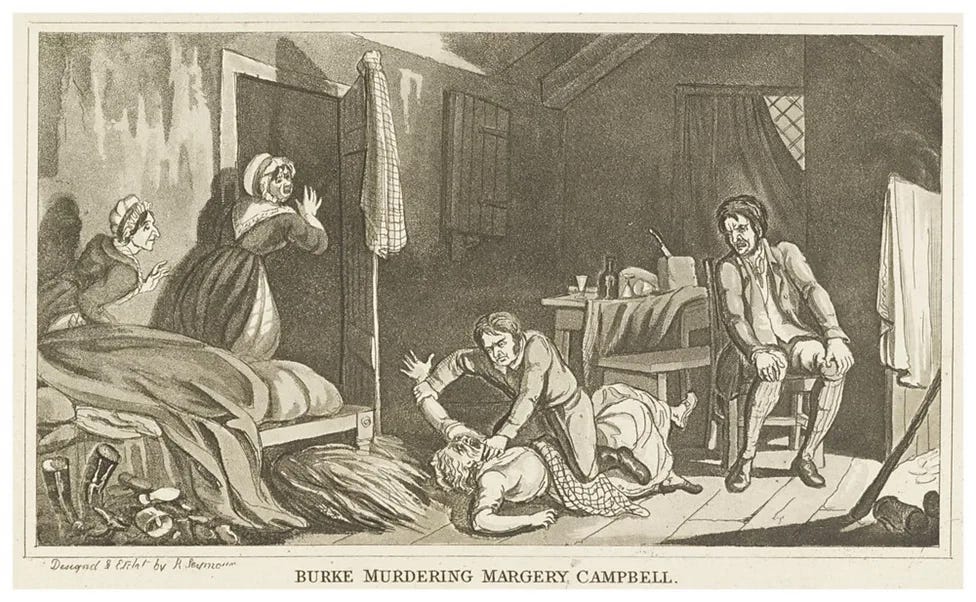
The party setting makes the ending feel chaotic and theatrical. It becomes a scene of drunken noise, violence, and fear. As the student arrives, a fight breaks out. He calls the city guard, who break up the fight and find Mary Docherty’s dead body. This discovery brings Burke and Hare’s crimes into the open.
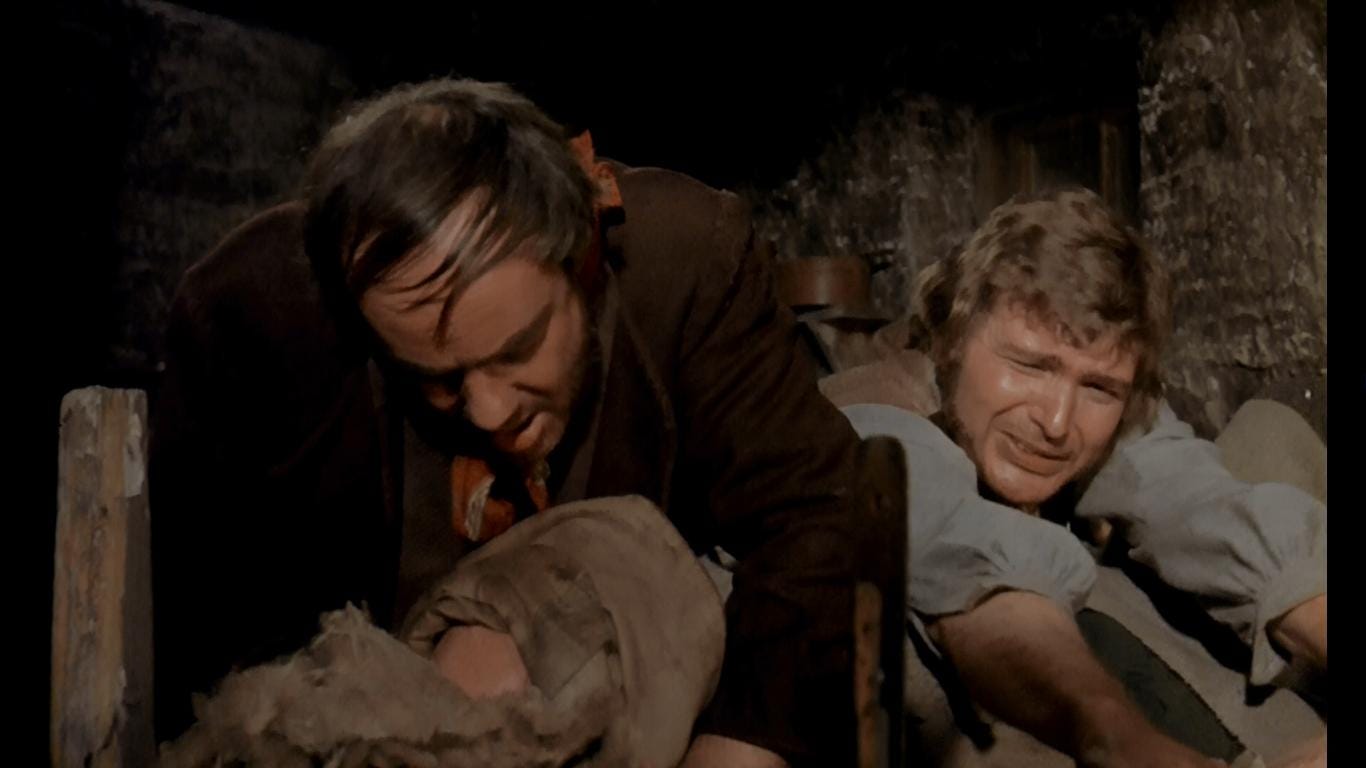
This is one of the biggest ways the movie dramatizes the real case. Historically, the discovery of the final victim involved suspicious lodgers and a police investigation. The film reshapes the event so that the student’s search for Marie leads directly to Burke and Hare. It connects the brothel storyline, Knox’s anatomy room, and the final murder into one cinematic ending.
Fact vs. Fiction
So, is Burke & Hare historically accurate? The fairest answer is: partly. The film is accurate in its basic foundation. Burke and Hare existed. Dr. Knox bought bodies. The activity began with a naturally dead lodger and moved into murder. Their victims came from vulnerable parts of society. Suffocation was their method. Daft Jamie and Mary Docherty connect the film to real parts of the case. Burke was eventually punished, while Hare avoided the same fate by cooperating with authorities.
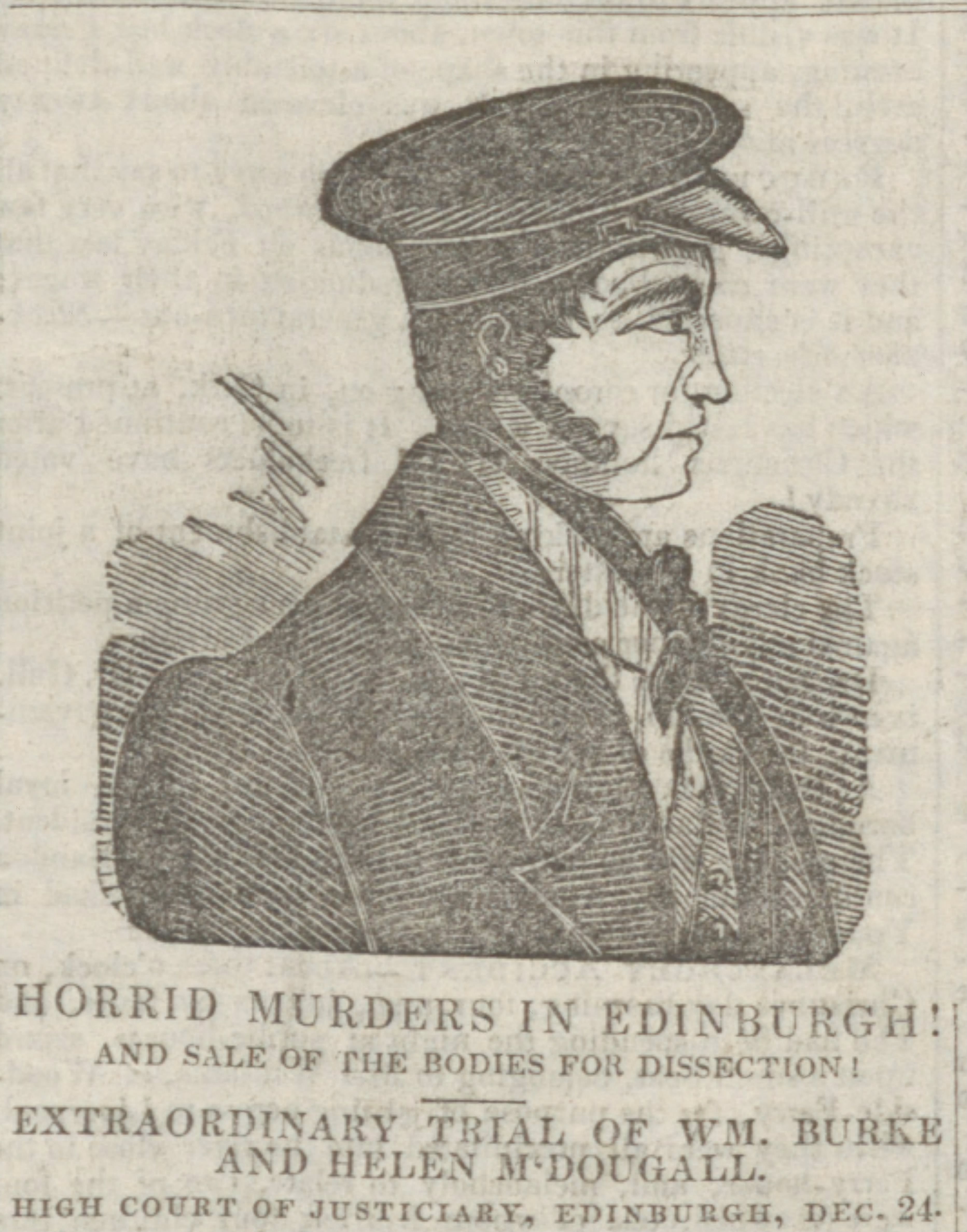
However, the film is not accurate in all its details. It adds fictional or heavily dramatized characters. It places extra emphasis on Marie and the brothel storyline. It reshapes the investigation into a more dramatic chain of events. It simplifies some relationships and makes certain characters more openly guilty or suspicious than history can fully prove.
In the film, the student’s search for Marie becomes the thread that pulls the whole mystery together. After discovering her body, he is led first to Madame Thompson, then toward West Port, and finally toward Burke and Hare’s house. This gives the ending a clearer dramatic shape, but it is entirely fictitious.
The film also makes Knox’s involvement feel more active than the historical record clearly shows. That choice makes him a stronger villain within the movie, but it should be understood as part of the film’s dramatic interpretation.
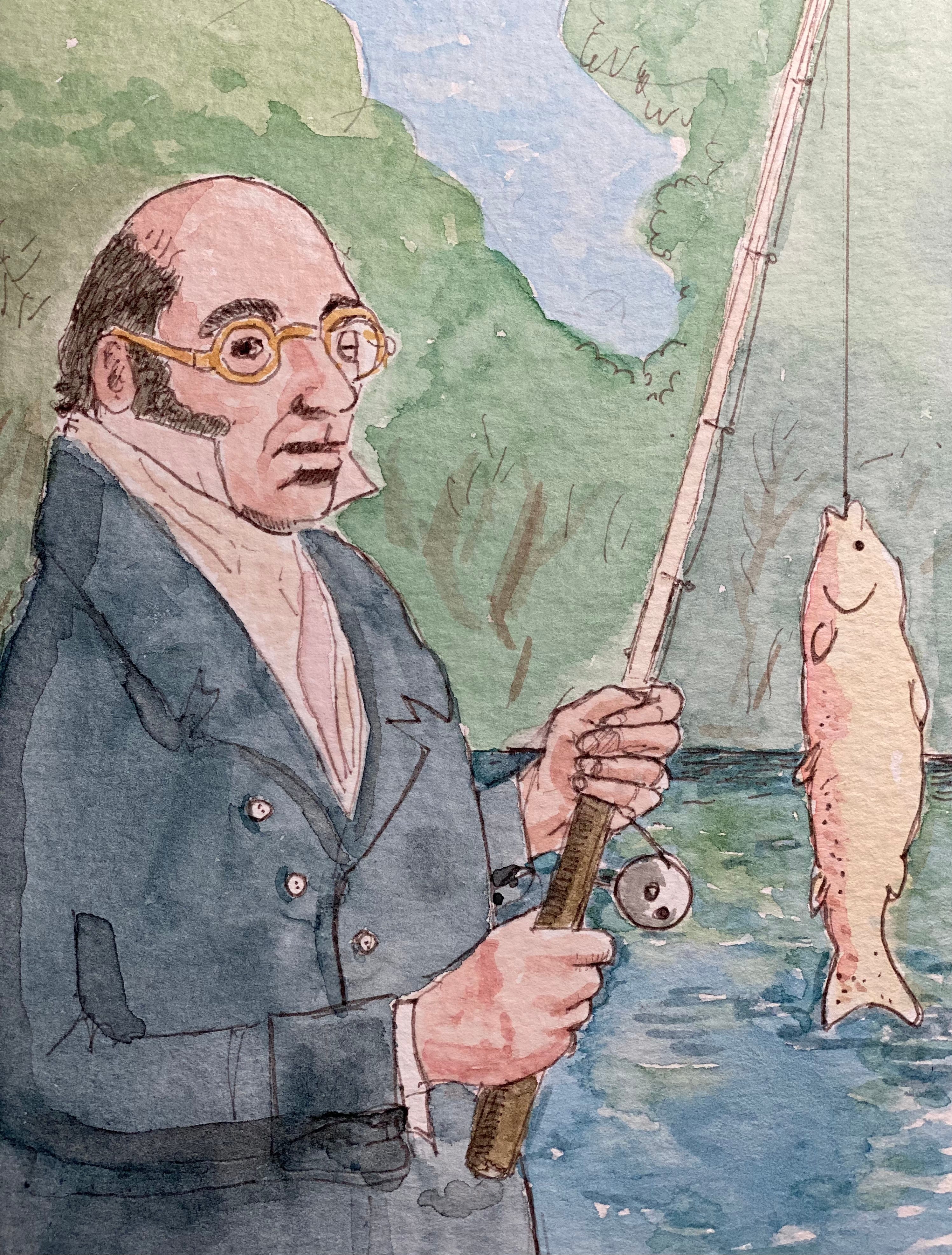
The film also presents Edinburgh in a very stylized way. The city becomes a place of dirty lodging houses, brothels, anatomy rooms, taverns, and corrupt silence. That atmosphere helps the movie, but it also makes the story feel more lurid than the real historical account.
Overall, the biggest difference is tone. The real Burke and Hare case was grim, desperate, and ugly. It was a story of poverty, anatomy, murder, and public outrage. The 1972 film keeps that darkness but adds a more sensational style. It spends a lot of time in brothels and uses sex, humor, and theatrical side plots in a way that belongs more to British horror cinema of the early 1970s than to the historical record.
In other words, Burke and Hare uses the real murders as its skeleton, but it dresses that skeleton in the style of 1970s British horror.

Sources:
Reineke, Hank. “Burke and Hare.” Cinema Retro, https://cinemaretro.com/index.php?/archives/13171-REVIEW-BURKE-AND-HARE-1972-
“Burke & Hare (1972)” Nostalgia Central, https://nostalgiacentral.com/movies/movies-a-to-k/movies-b/burke-hare-1972/
“Who were Burke & Hare? Edinburgh’s Infamous “Body Snatchers” Escape the Past, https://www.escapethepast.co.uk/post/burke-hare-edinburgh-body-snatchers
“The History of Burke and Hare and of the Resurrectionist Times (1884)” The Public Domain Review, https://publicdomainreview.org/collection/the-history-of-burke-and-hare-and-of-the-resurrectionist-times-1884/
“Anatomy and crime - Burke and Hare: The body snatchers.” BBC, https://www.bbc.co.uk/bitesize/articles/

The events likely inspired Robert Louis Stevenson's story "The Body Snatchers", which focus on some fictional counterparts to Burke and Hare.