


Background
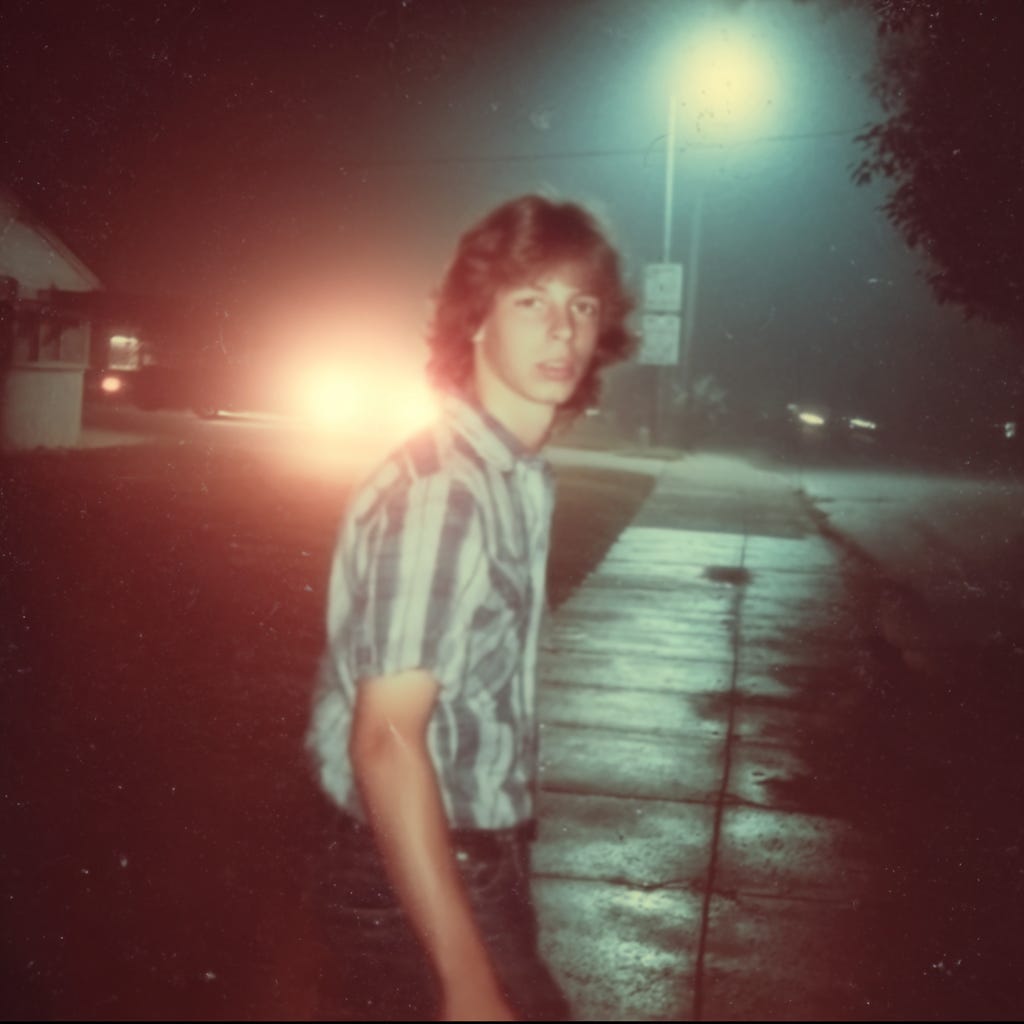
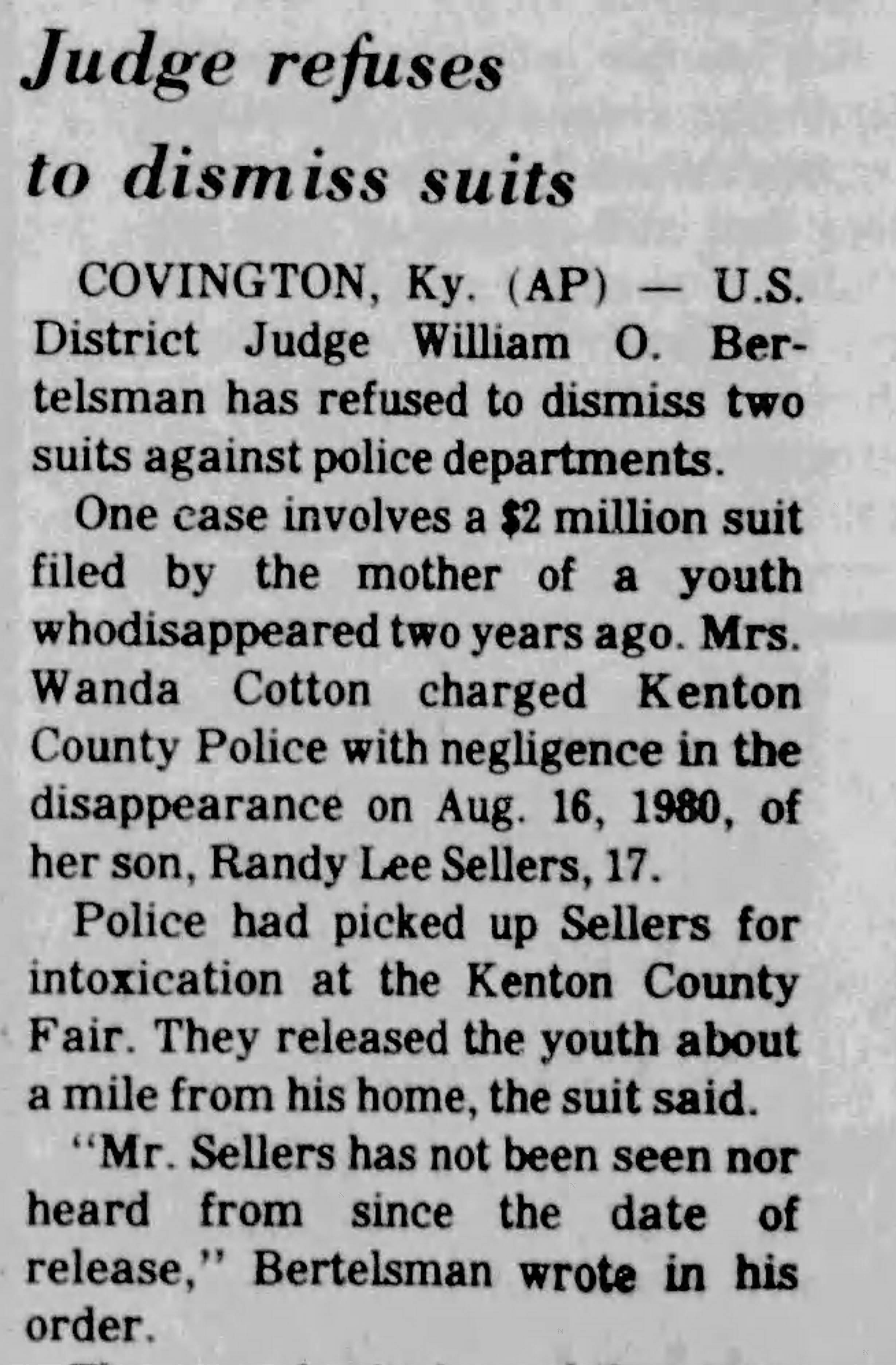
On August 16, 1980, 17-year-old Randy Sellers disappeared near his home in Visalia, Kentucky, just two weeks shy of his 18th birthday. There has been debate as to what may have happened to Randy that night. Two police officers picked Randy up at a nearby county fair for being intoxicated in public.
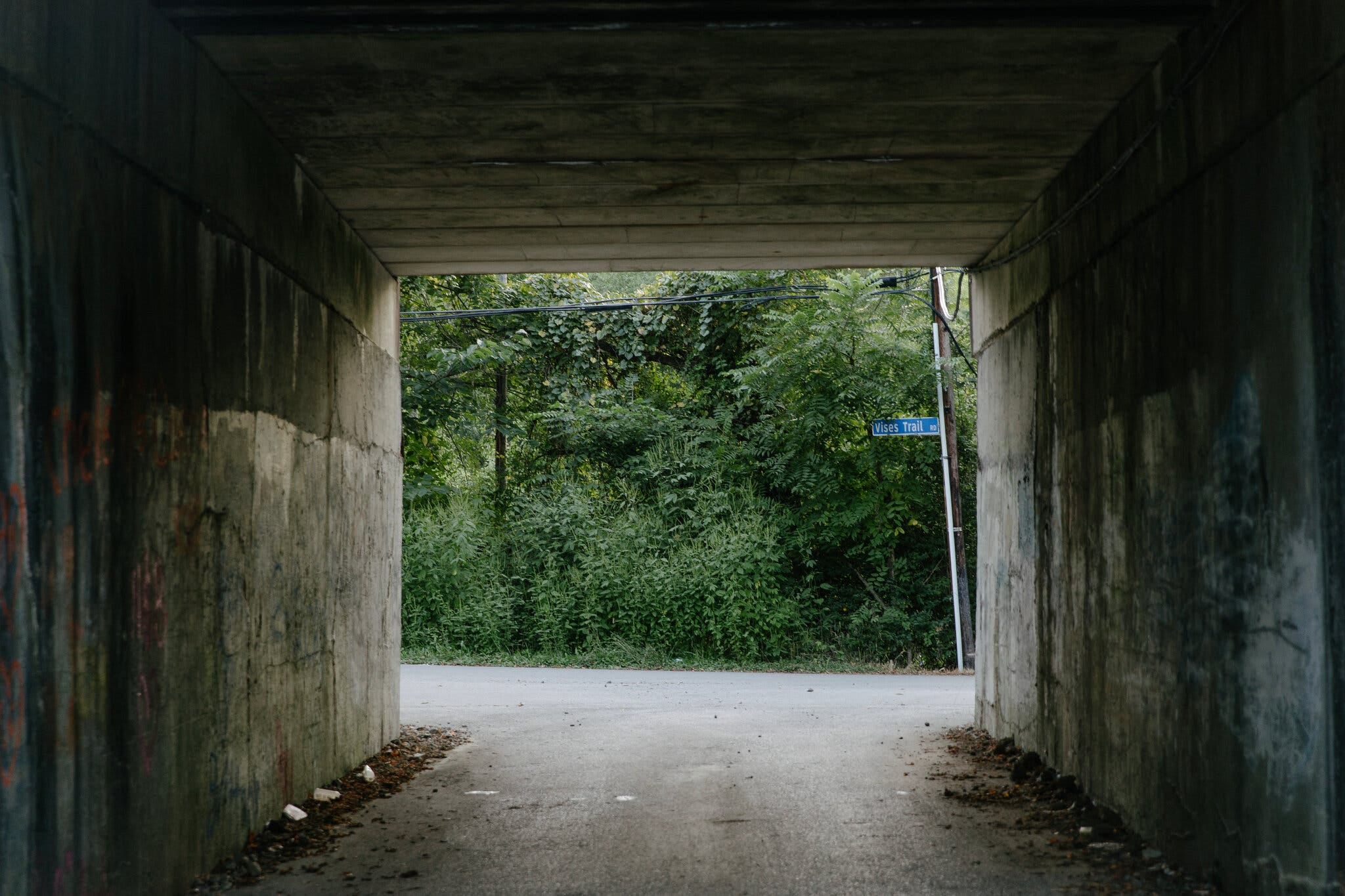
According to the two officers' account, Randy became aggressive toward them and refused to give them his address, so they dropped him off at a railway overpass near his home. After that, Randy Lee Sellers was never seen again.
45 years have passed since that night, and Randy’s case remains open. His story inspired national action that resulted in the creation of the National Center for Missing and Exploited Children. Yet, the mystery surrounding Randy’s disappearance remains as unsolved as the day he vanished.
Randy Sellers
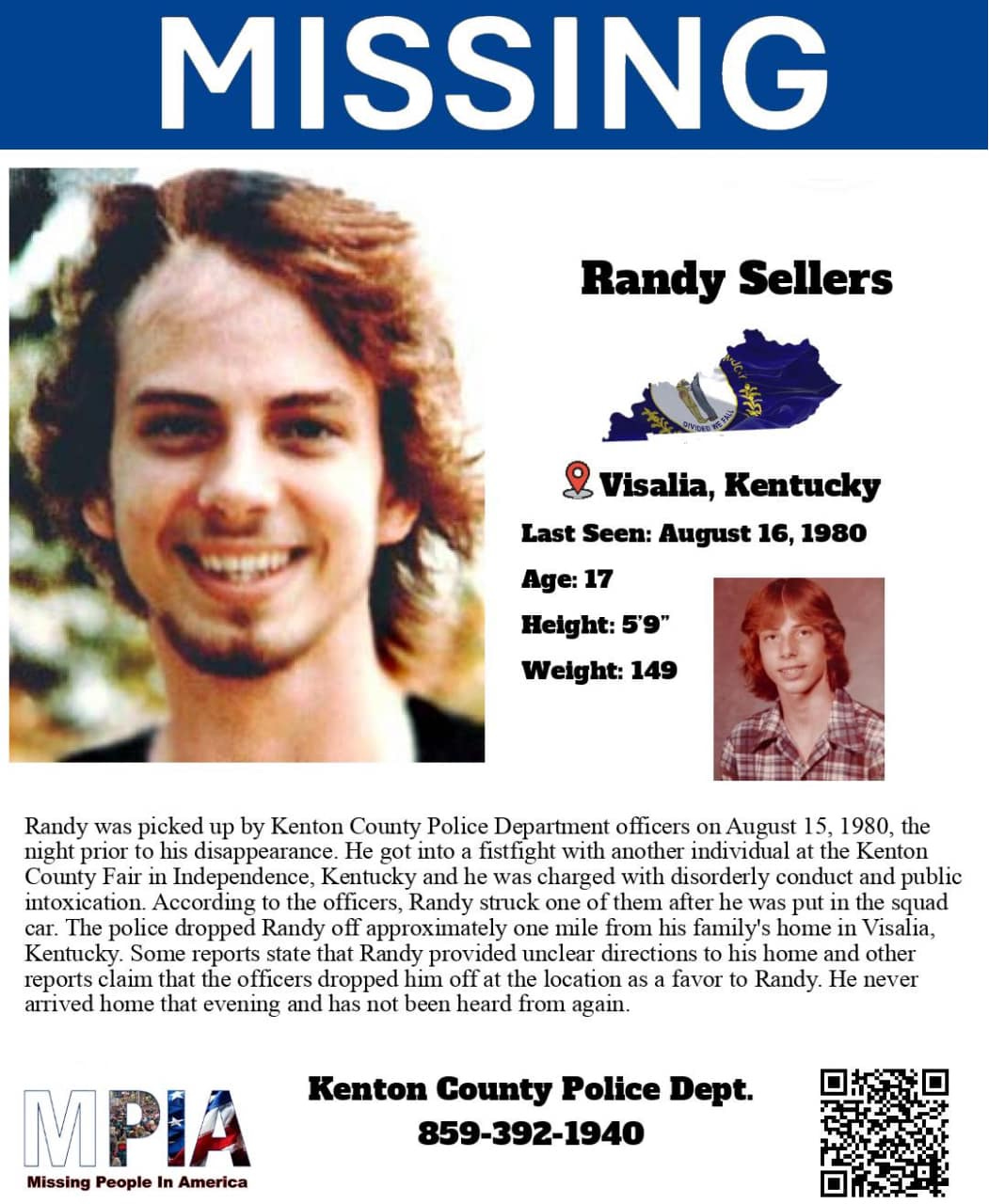
Randy Lee Sellers was born on September 6th, 1962. He grew up in Visalia, a small community in Kenton County, Kentucky. There, he lived with his mother, Wanda Cotton, and his stepfather, John. In 1967, the Sellers welcomed Randy’s younger brother, Tyran.
Visalia was a very small town in northern Kentucky, only 12 miles south of Covington, which borders Ohio. Though Visalia was once a thriving community and the former seat of Campbell County, by 2000, the town’s population was only 111. In 2006, the local government was dissolved.
As a teenager, Randy had expressed interest in following in his stepfather’s footsteps and becoming an ironworker.
Disappearance
On August 16th, 1980, Randy attended the Kenton County Fair with friends. He was two weeks shy of his 18th birthday. What started out as a fun night at the fair took a turn when Randy became intoxicated.
Some sources indicate that Randy may also have used drugs, likely marijuana, and was drinking during the course of the evening. After becoming intoxicated, Randy got into a physical altercation with another individual at the fairgrounds. At this point, police officers intervened.
The Kenton County police officers on the scene determined that Randy was under the influence. Randy was arrested on charges of public intoxication and disorderly conduct, but after police learned he was a minor, they decided to drive him home.
Allegedly, an officer reported being struck by Randy after taking him into custody. Randy lived only a short distance from the fairgrounds, approximately a 10-15 minute drive at most. The officers claim they dropped Randy off between a half-mile and a mile away from his home. The exact reason why they chose to drop him off rather than take him all the way home has been a subject of debate.
According to Randy’s mother, Wanda Cotton’s biography for The Surviving Parents Coalition, Randy had been dropped off in an area only a short distance from the Licking River, which at the time was nearly flooding.
Her biography also states that an eyewitness saw Randy staggering in the roadway and two police cars parked nearby. The eyewitness claims to have seen Randy walking down the road, but this was the last time he would ever be seen. Randy never returned home that night.
Investigation and Search
The next day, after Randy did not return to his parents’ home, the search began. Initially, investigators presumed that Randy had drowned. During the search, a disturbance was noted on the bank of the Licking River, and the impression in the mud suggested someone had slipped and potentially fallen into the water.
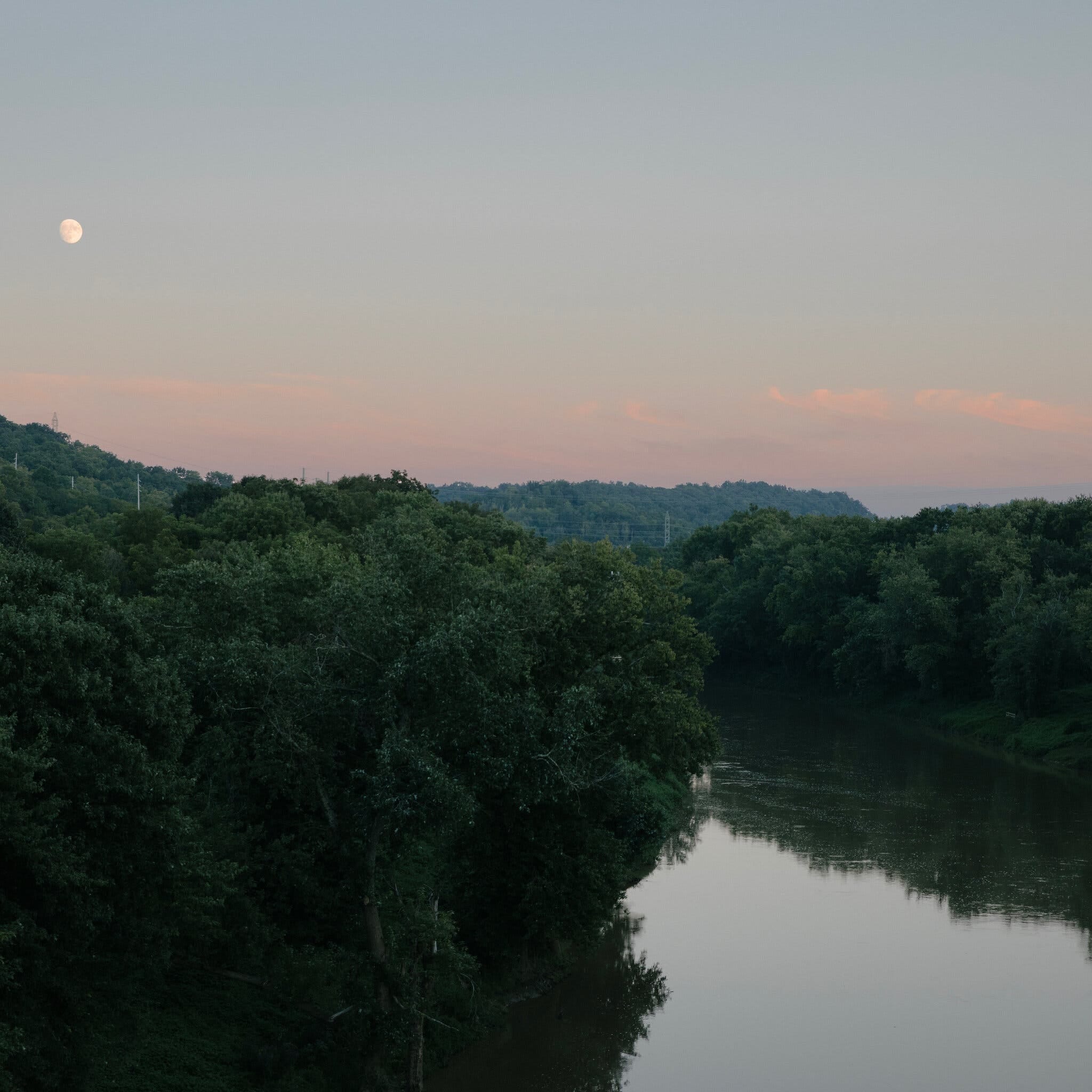
The river was searched extensively, and authorities even dragged the bottom in an effort to recover any evidence, but nothing was found. Eventually, they concluded that the disturbance on the riverbank was likely caused by someone searching for Randy, and not by Randy.
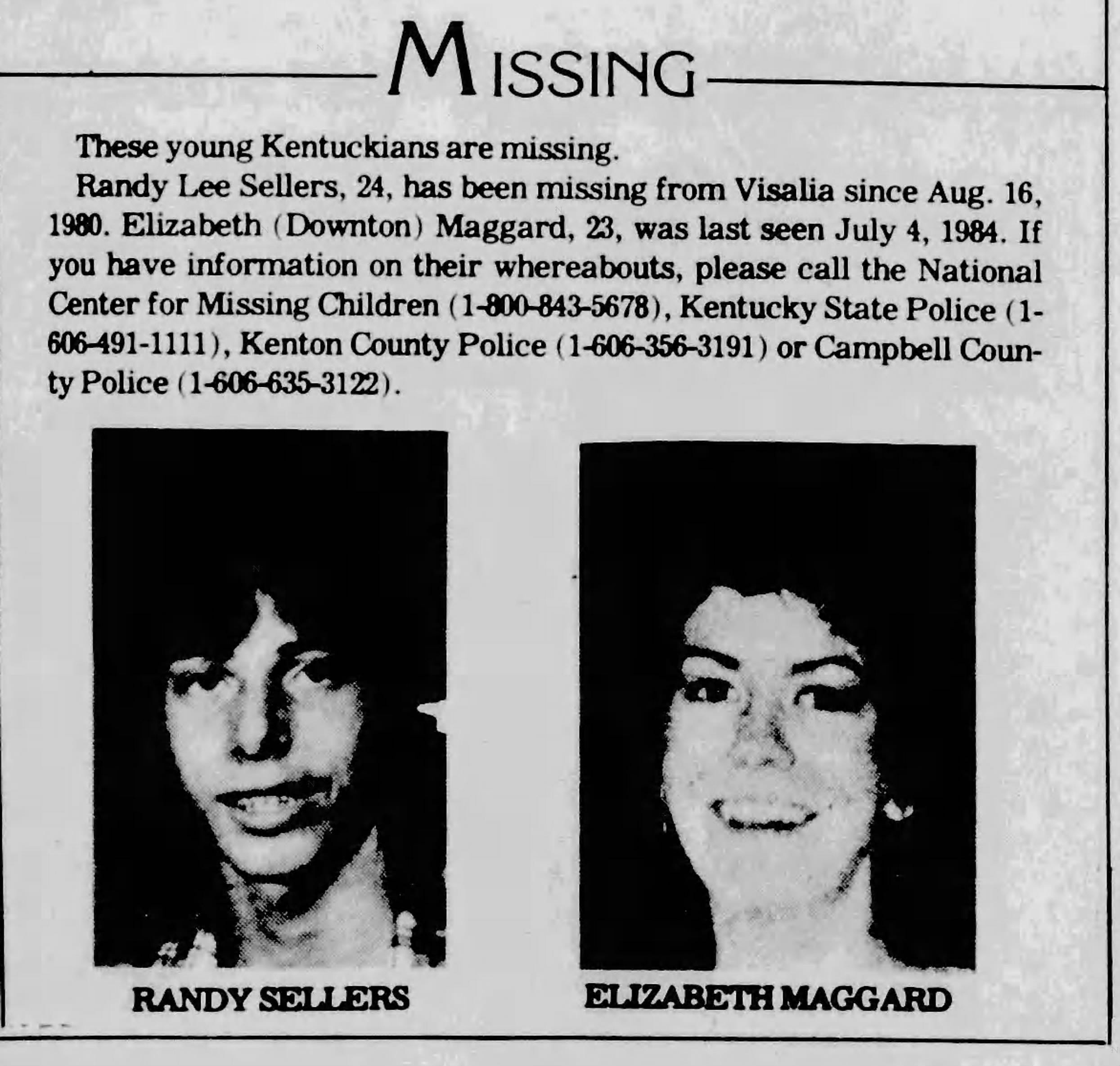
The search efforts continued, scouring the area near where Randy was last seen, but after extensive efforts, no evidence was recovered to aid in locating Randy. Eventually, the trail went cold. Wanda and John kept pushing local media to share Randy’s photo and his story, but he had seemingly vanished into thin air.
Potential Lead
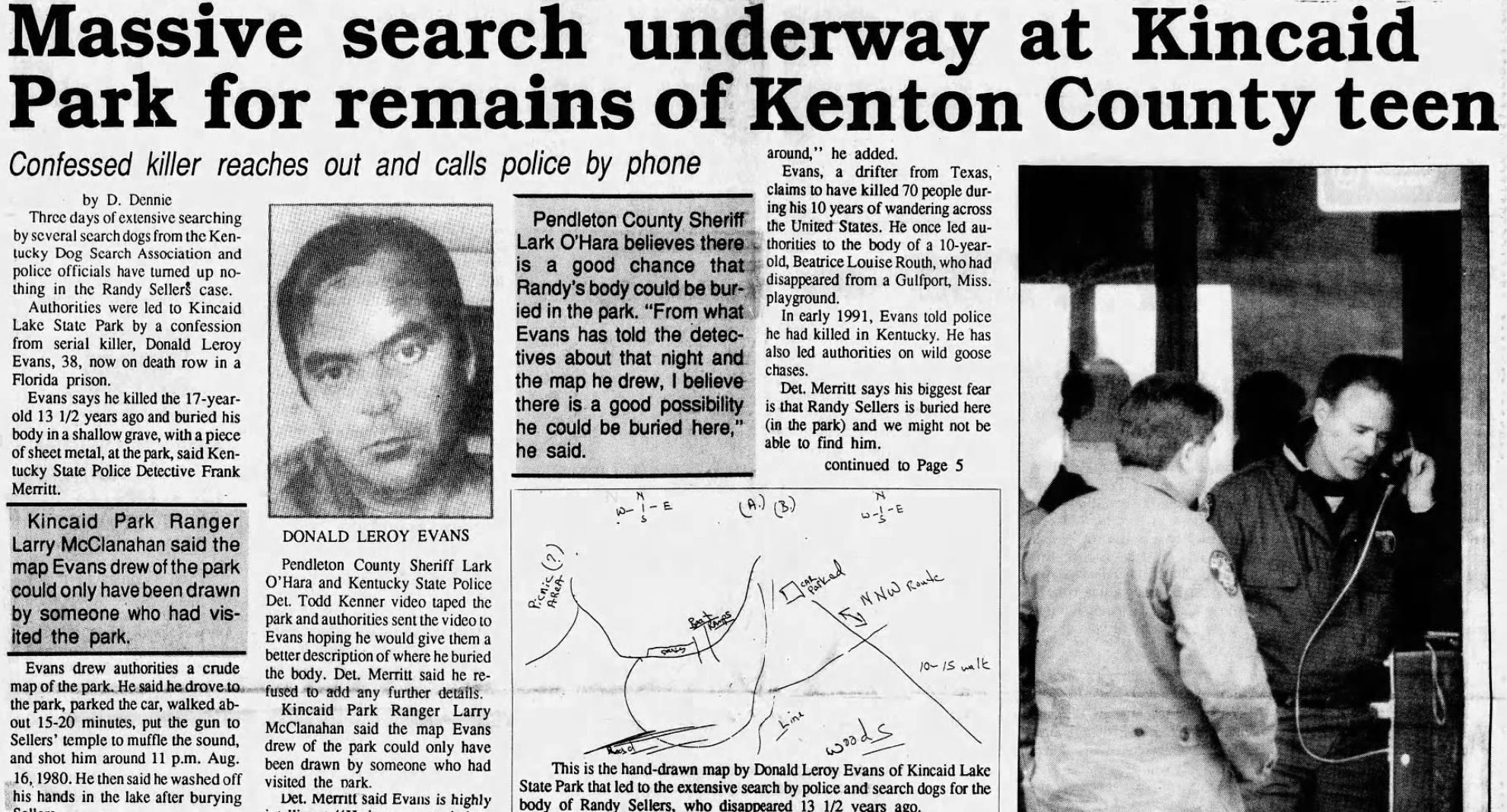
A potential lead in the case came in the early 1990s. Serial killer Donald Leroy Evans, who was convicted of murdering two women in early 1985 and one young girl in 1991, confessed to numerous other murders across 22 states.
Although most of these confessions were believed to be false, two of them aligned perfectly with two unsolved cases in Florida. Additionally, Evans confessed to murdering Randy Sellers, and this confession could not be written off as entirely false.
According to Evans, he picked up Randy after spotting him hitchhiking on Decoursey Pike near Randy’s home. After that, Evans drove them to Kincaid Lake State Park, where they shared beers and talked before Evans shot him in the back of the head and buried him in a shallow grave.
Evans’ confession was deemed “credible” because he provided a map of the park alongside his story. Although the supposed gravesite was searched and did not yield any evidence, the details Evans provided indicated he had at least visited the park at some point.
Unfortunately, any further information Evans may have held onto was lost when he was stabbed to death by a fellow inmate in 1999.
Ongoing Mystery
The tragedy left Randy’s family shattered. Wanda and John continued searching for clues about what may have happened to their son, but they were met only with unanswered questions. Randy’s brother, Tyran, was 13 at the time of Randy’s disappearance. Tyran went on to graduate from Conner High School, and he found work as a millwright, following his father into trade work.
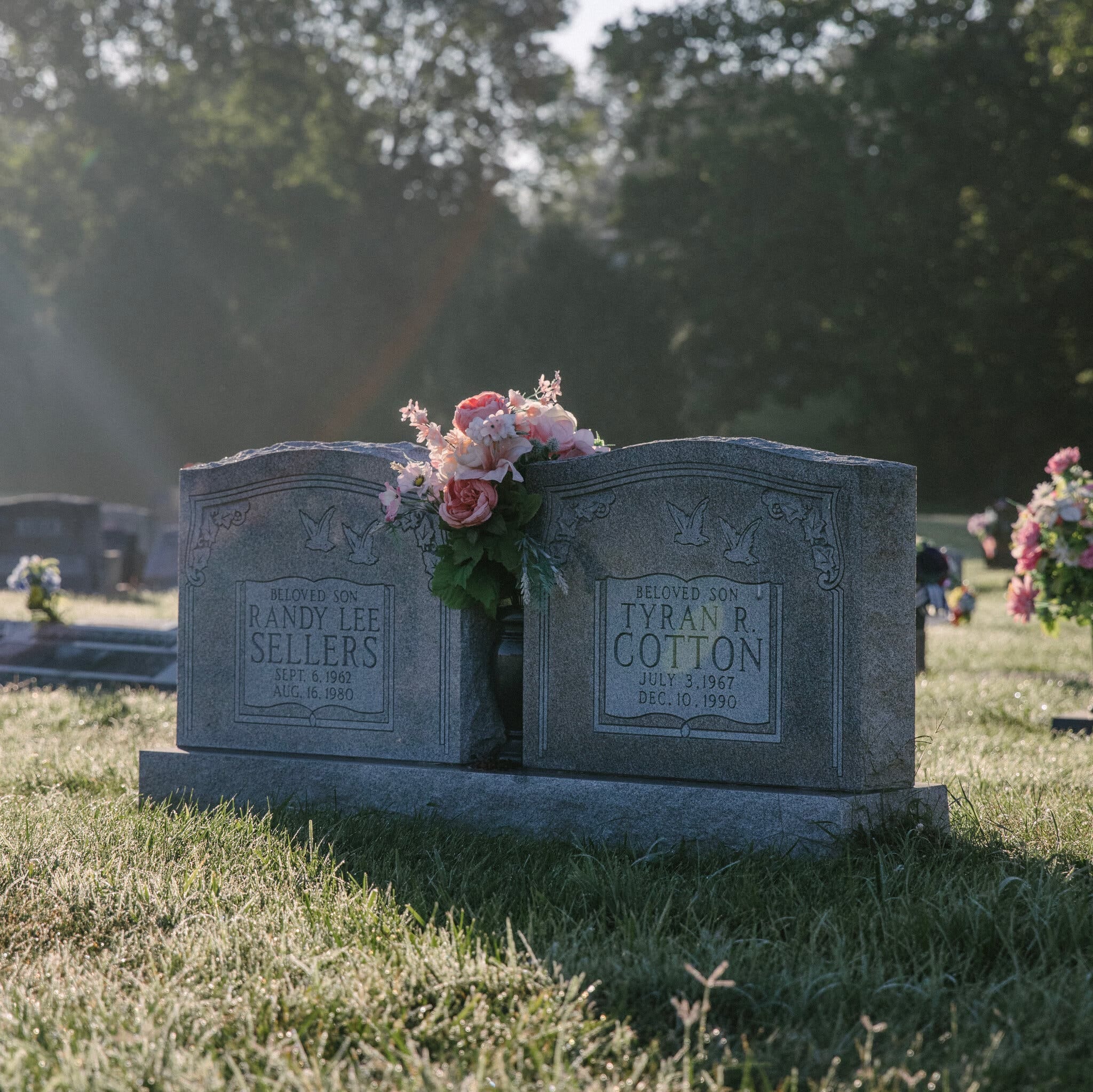
He had married and still resided in northern Kentucky. The ten-year anniversary of Randy’s disappearance took a toll on Tyran. On December 10th, he jumped from the Daniel Carter Beard Bridge into the Ohio River and drowned. Following Tyran’s tragic death, Wanda and John elected to honor both sons with a joint memorial service, presuming Randy to also be deceased.
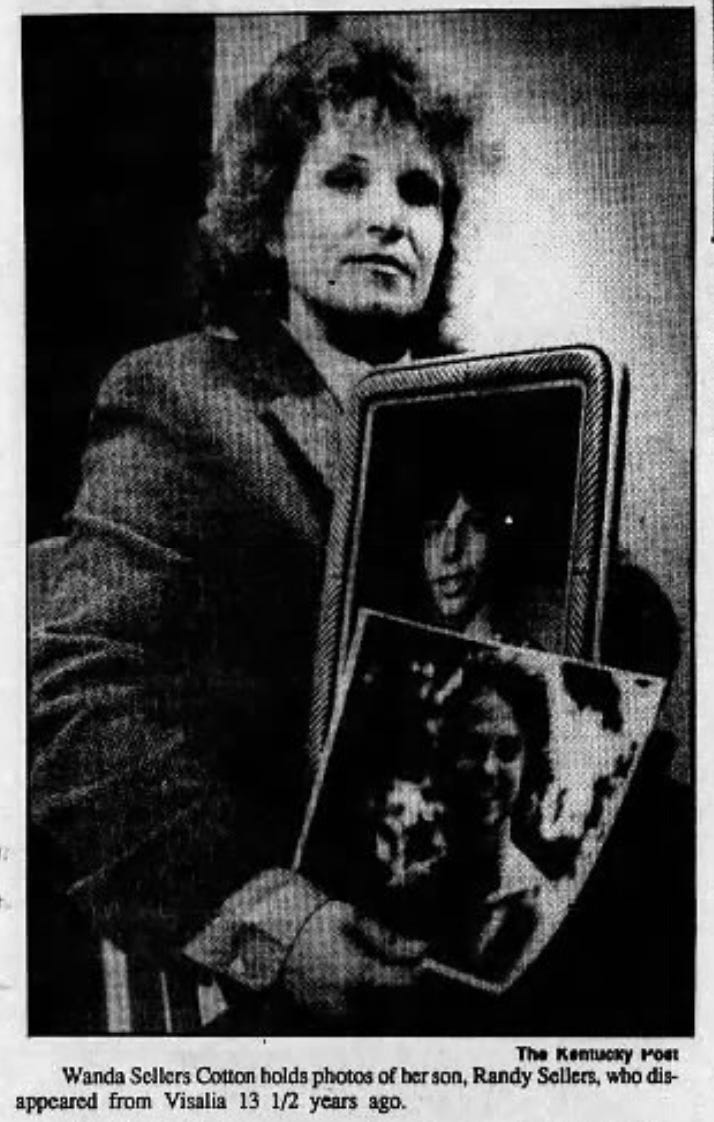
Wanda remained suspicious of the officers who drove Randy home on the night of his disappearance. Her suspicions are rooted in seemingly conflicting details of the officers’ accounts of what happened that night. One of the officers, Jay Seifried, defended their decision to drop Randy off a distance from his home, saying, “The young man was to turn 18 in two weeks, it was not yet 10 p.m., and I felt there was absolutely no danger in releasing him in a familiar neighborhood.”
Yet, 20 years later, Robert Wehner, the other officer, said during a police interview that Seifried had hit Randy in the face at some point- this shocking new detail only further fueled suspicion that the officers may have been involved in Randy’s disappearance.
Detective Brian Jones, who took over Randy’s case in 2018, was not quick to rule out the possibility of police involvement. He stated in 2021 that any lead involving Kenton County Police officers is immediately forwarded to the Kentucky State Police to keep investigative efforts transparent.
Detective Jones refers to Randy’s disappearance as a missing persons case, which he will maintain until facts prove otherwise. He also indicated in 2021 that there was an additional theory, aside from drowning, murder, or police involvement, that he could not speak openly about at that time. Investigators are not ruling out any theories, and even with more than 45 years since Randy vanished, the case remains open, and the search for answers continues.
Legacy and Closing Thoughts
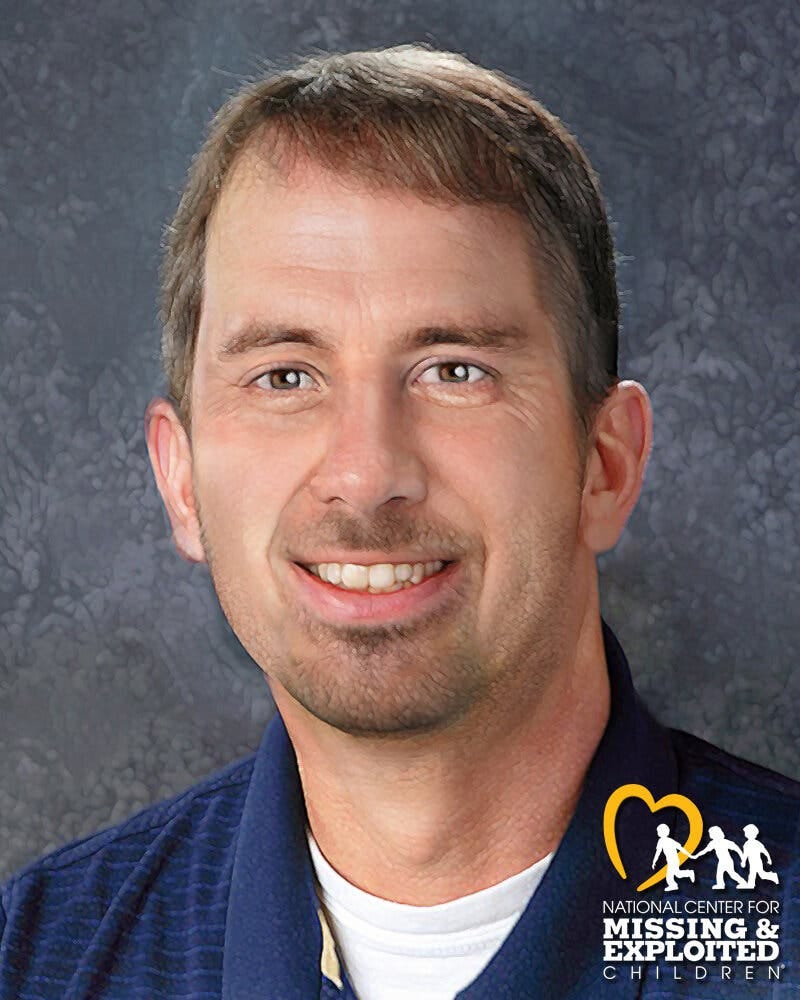
Randy Lee Sellers may have accidentally stumbled into a river and drowned. He may have been the victim of a serial killer known to target individuals in public parks and at rest stops. He may have been involved in some sort of incident with police officers that has been covered up for decades. Or, something else entirely may have happened to him. There is little information available about Randy’s case, and many unanswered questions remain.

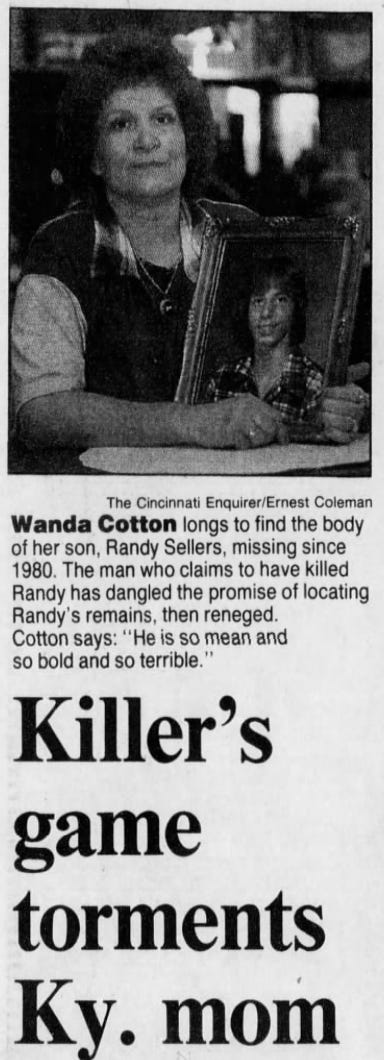
Through it all, Randy’s parents never gave up hope in finding answers, even as the decades passed. Wanda Cotton went on to become a champion for missing children, organizing a conference that led to a national effort and legislation which eventually resulted in the establishment of the National Center for Missing and Exploited Children.
Wanda was also a founding member of Kentucky’s Exploited Children Help Organization (ECHO) and trained to provide peer support to other parents facing similar circumstances.
In 1985, Wanda told a congressional subcommittee, “Since my son’s disappearance, I have made missing children my life.” Although Randy’s disappearance devastated his family in unspeakable ways, Wanda’s determination has made an impact on the lives of countless children throughout the country. Even if no answers are ever found in Randy’s case, his legacy will live on.
Sources:
Johnson, John. “New Wrinkles Emerge in Case of Teen Missing Since 1980.” https://www.newser.com/story/346195/new-wrinkles-emerge-in-case-of-teen-missing-since-1980.html
Schmidt, Jessica. “‘They’re Still Desperate for Answers:’ Search for Randy Sellers Continues Nearly 41 Years Later.” https://www.fox19.com/2021/07/29/theyre-still-desperate-answers-search-randy-sellers-continues-nearly-41-years-later/
The Surviving Parents Coalition: Wanda Cotton. http://www.spcoalition.org/cotton.html
“WCPO 9 Cincinnati.” WCPO 9 Cincinnati, 4 June 2019, https://www.wcpo.com/news/local-news/kenton-county/police-renew-search-for-randy-sellers-in-1980-missing-person-case
Weathers, William. “Tyran Cotton, Randy Sellers: Combined Service Set for Brothers Who Died 10 Years Apart.” The Cincinnati Enquirer, 17 Apr. 1991. https://www.newspapers.com/article/the-cincinnati-enquirer-obituary-for-tyr/55706605/?locale=en-US
Randy Lee Sellers was of Welsh ancestry, more precisely of Cambro-Norman ancestry: the middle name "Lee" and first name "Randy" specifically identify him as a descendant of the Cambro-Normans who were of the retinue of Strongbow who conquered Ireland. Welsh people are marginalized and at the time the Upland South overwhelmingly identified as English-American. The ethnic factor would have been a reason for the Anglo or token police officers to drop him off there. Similar drop-offs are common in Winnipeg, where police dump Native yobs 3 kilometres outside the city in winter and they freeze to death when walking home.