


Background
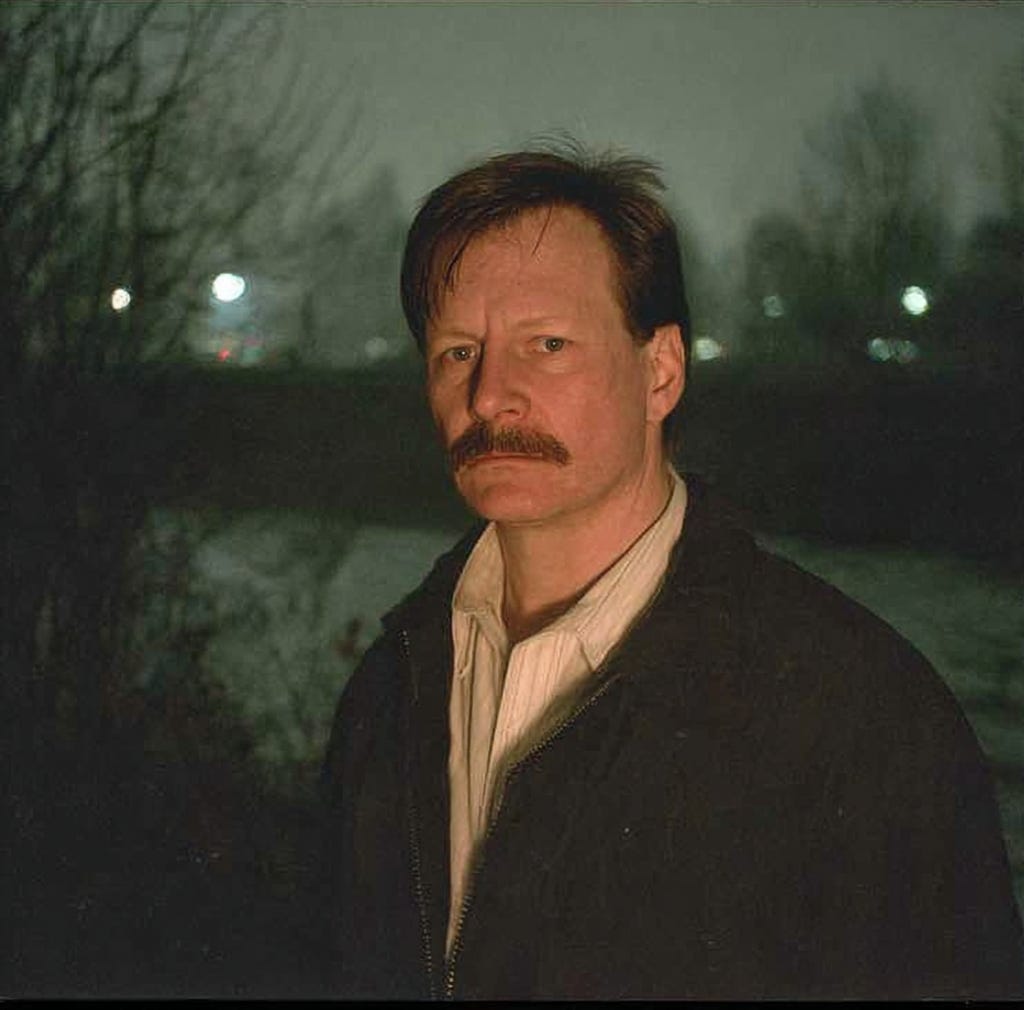
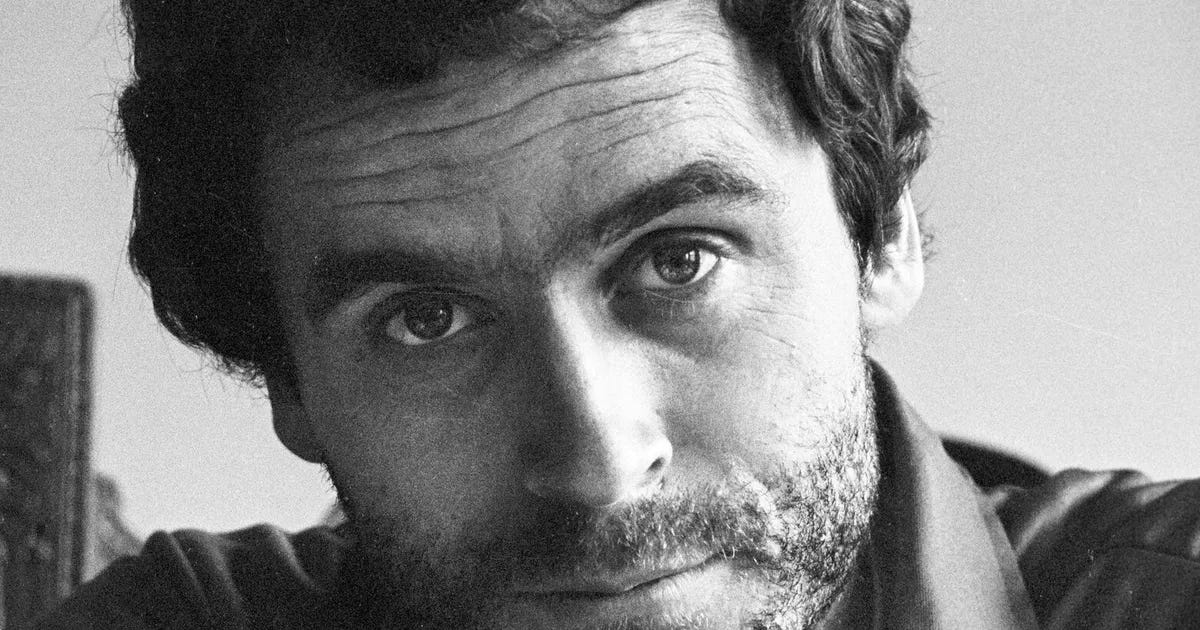
In 1984, incarcerated serial killer Ted Bundy reached out to Robert Keppel, the chief investigator for the Washington State Attorney General’s Office and a member of the Green River Task Force, under the pretense of assisting in the search for the Green River Killer.
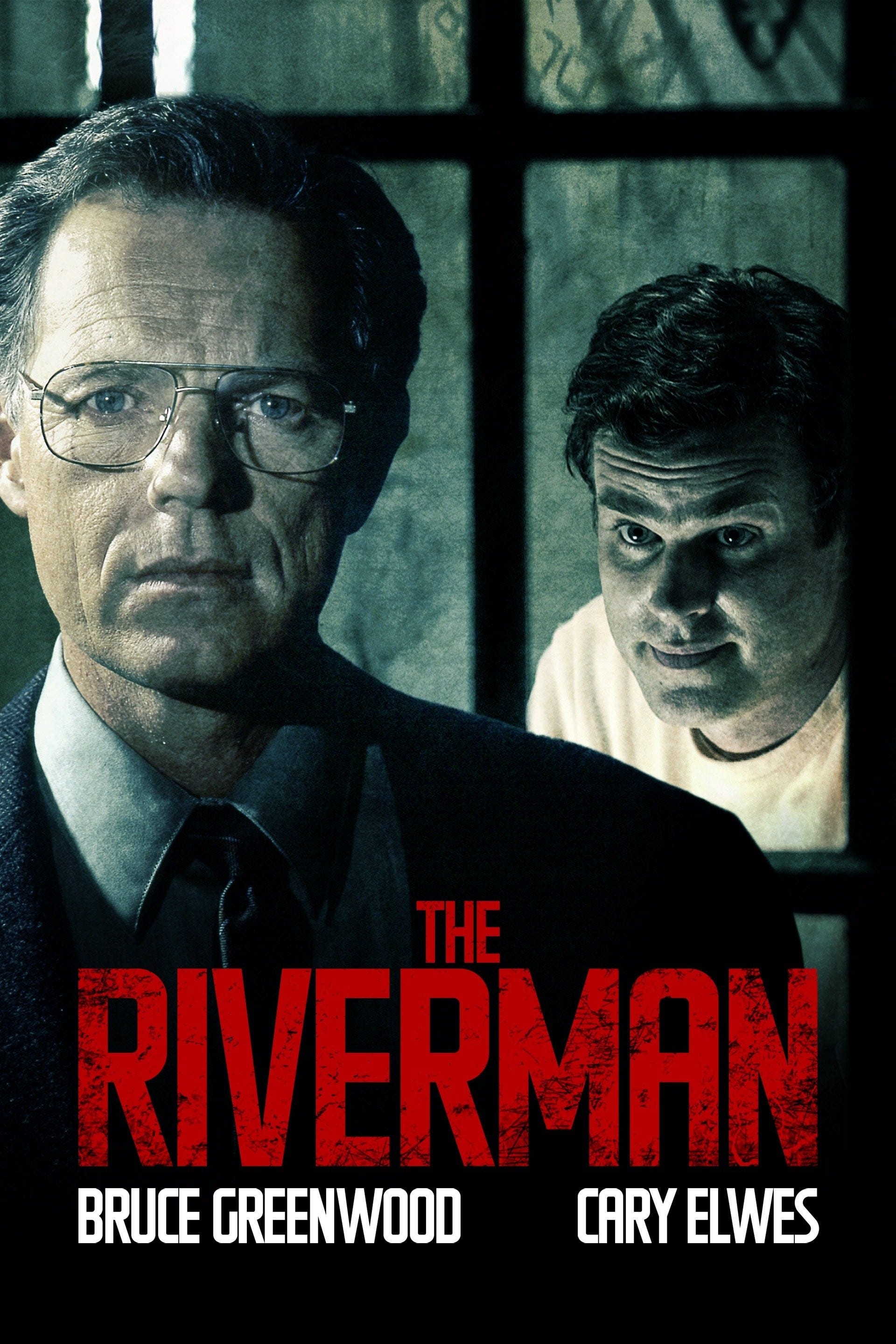
Keppel would go on to interview Bundy numerous times, and he documented his experiences in his 1989 book The Riverman: Ted Bundy and I Hunt for the Green River Killer. In 2004, the book was adapted into a made-for-TV movie entitled The Riverman. The movie is regarded as largely accurate, having been based on a book that includes firsthand accounts of the interviews; however, there are some details that didn’t translate to the final cut, particularly regarding Bundy’s motivations.
Plot Summary
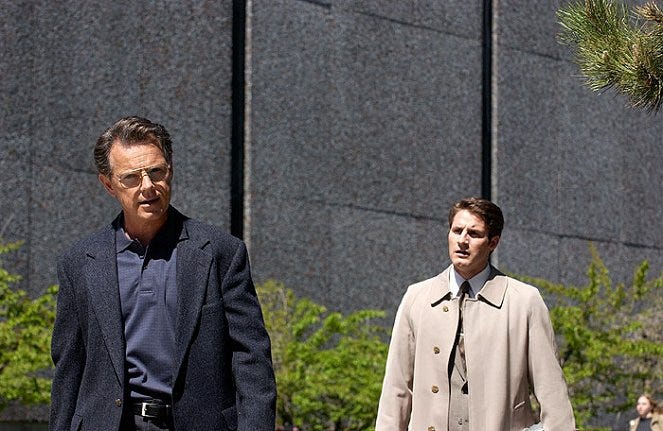
The film begins with a young detective, Dave Reichert, investigating the deaths of thirteen women along the Green River in Washington State. Reichert reaches out to former detective-turned-professor Robert Keppel, asking for his assistance with the investigation.
Keppel, still haunted by his time working on Ted Bundy’s case years prior, is reluctant to return to profiling serial killers. Eventually, he agrees and throws himself into the investigation with reckless abandon. One day in 1984, Keppel receives a letter sent from a Florida prison.
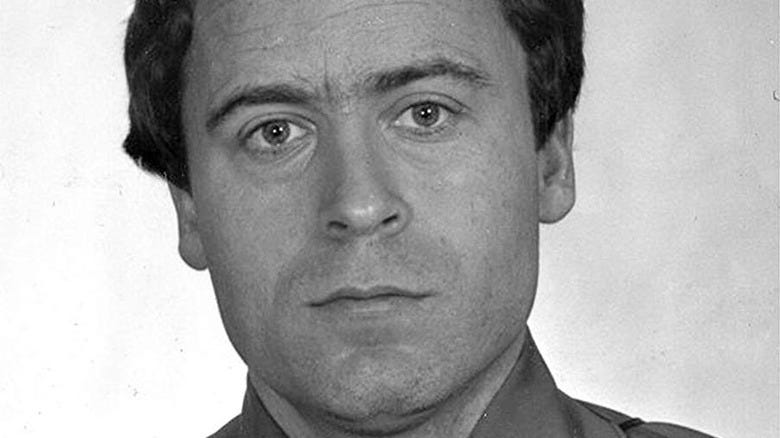
Notorious serial killer Ted Bundy had been arrested in 1978, and was given two death sentences. While sitting on death row, Bundy had seen news coverage of the unidentified Green River Killer. In his letter to Keppel, Bundy offers to provide insights into the case.
Against the wishes of his wife, still traumatized from watching her husband suffer in his first go around with Bundy, Keppel agrees to hear Bundy out. He and Reichert make their way to the prison to sit down with the killer himself.
Keppel and Reichert arrive and meet Bundy in his cell. In their initial interactions, Bundy’s disposition toward the detectives is warm and friendly. The film shows the inside of Bundy’s cell, where photos and newspaper clippings are displayed, suggesting he uses them to relive or reminisce about his crimes. Keppel grapples with being face-to-face with Bundy once more, but manages to retain his composure.
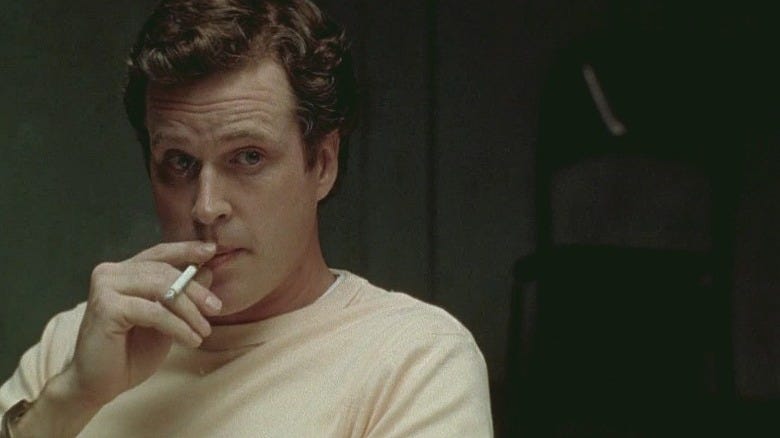
As Bundy examines the case files and photographs, it becomes clear that he is finding great satisfaction in admiring the handiwork of another psychopath, and the unsettling feeling is palpable. As the detectives try to get information from Bundy, Bundy tries to get inside their heads.
He taunts Reichert about his failure to solve eight murders in Washington, but with Keppel, he goes deeper. Bundy makes a concerted effort to corrupt Keppel’s mind and convince him that they really aren’t all that different. However, unbeknownst to Bundy, Keppel has his own reasons for interviewing the killer.
Though he puts little faith in Bundy’s ability to provide insight into the Green River case, Keppel is determined to get Bundy to reveal additional details of his own crimes prior to his execution.
Bundy nicknames the Green River Killer “The Riverman.” Over the course of the interviews, Bundy does not provide much help in psychoanalyzing the Green River Killer, but through carefully constructed conversation, Keppel manages to get Bundy to reveal some of his own pathology and motivations.
As his execution date approaches, Bundy becomes desperate for anything that might delay his execution. It is during these interviews that Keppel manages to break through some of Bundy’s defenses and uncover new information.
During these intense interviews, Keppel brings up some of the more heinous elements of Bundy’s murders, including how he would sexually assault his victims, even and especially after death, and how he often dismembered or decapitated the bodies. Bundy repeatedly places blame on an “entity” that caused him to do these things, but Keppel instead cites Bundy’s desire to “possess” his victims.
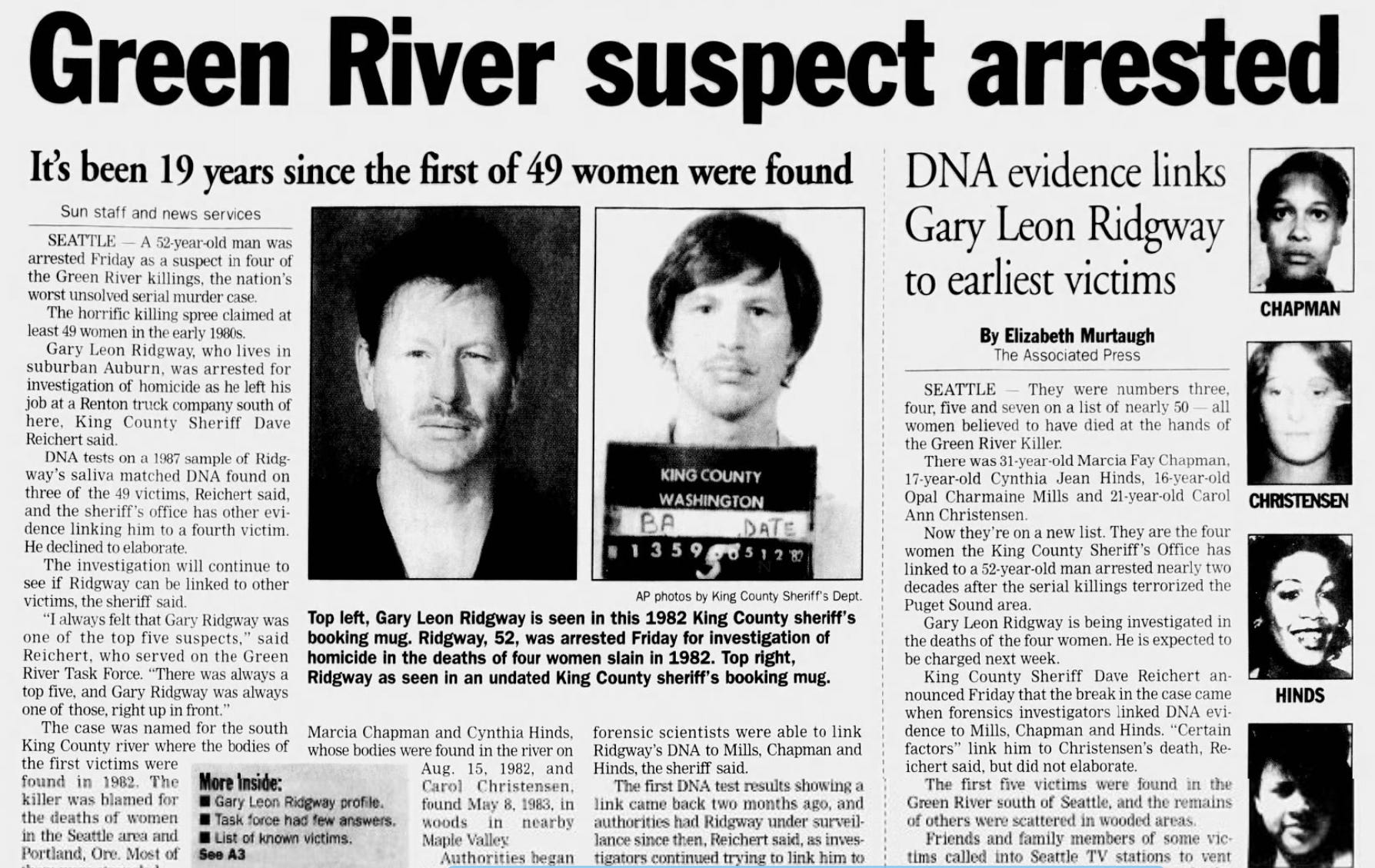
Over four days of interviews, Keppel gets Bundy to confess to thirty murders, some of which at the time were still unsolved. In the audience’s final view of Bundy, he becomes angry and demands that Keppel return for additional interviews. Two days after the final interview, Bundy is executed. Keppel and Reichert go on to question a suspect, Gary Ridgeway, who is eventually identified and convicted for the Green River killings.
Fact vs. Fiction
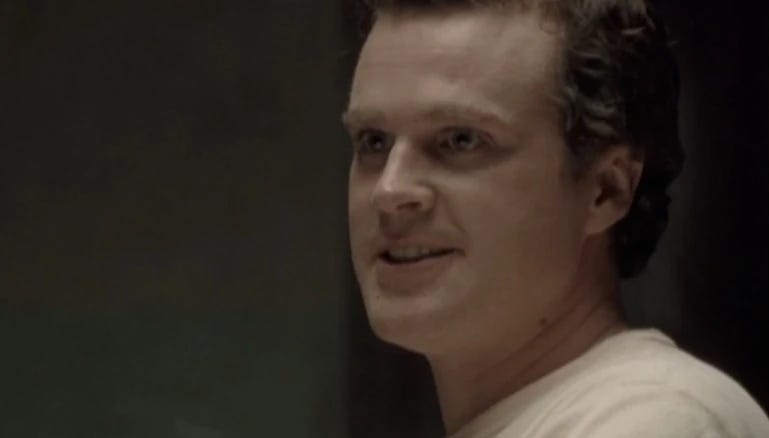
There have been numerous movies and television shows based on Ted Bundy’s story, with varying degrees of accuracy. The Riverman is regarded as a fairly accurate representation of Keppel’s interviews with Bundy. The actors delivered exceptional performances, with Bruce Greenwood portraying Keppel’s internal torment and Cary Elwes leaning heavily into Bundy’s sinister persona rather than his charming facade.
The movie largely centers on eerie, gritty, close-ups of conversations between Bundy and Keppel, the dynamic that inspired the infamous back-and-forth scenes in The Silence of the Lambs.
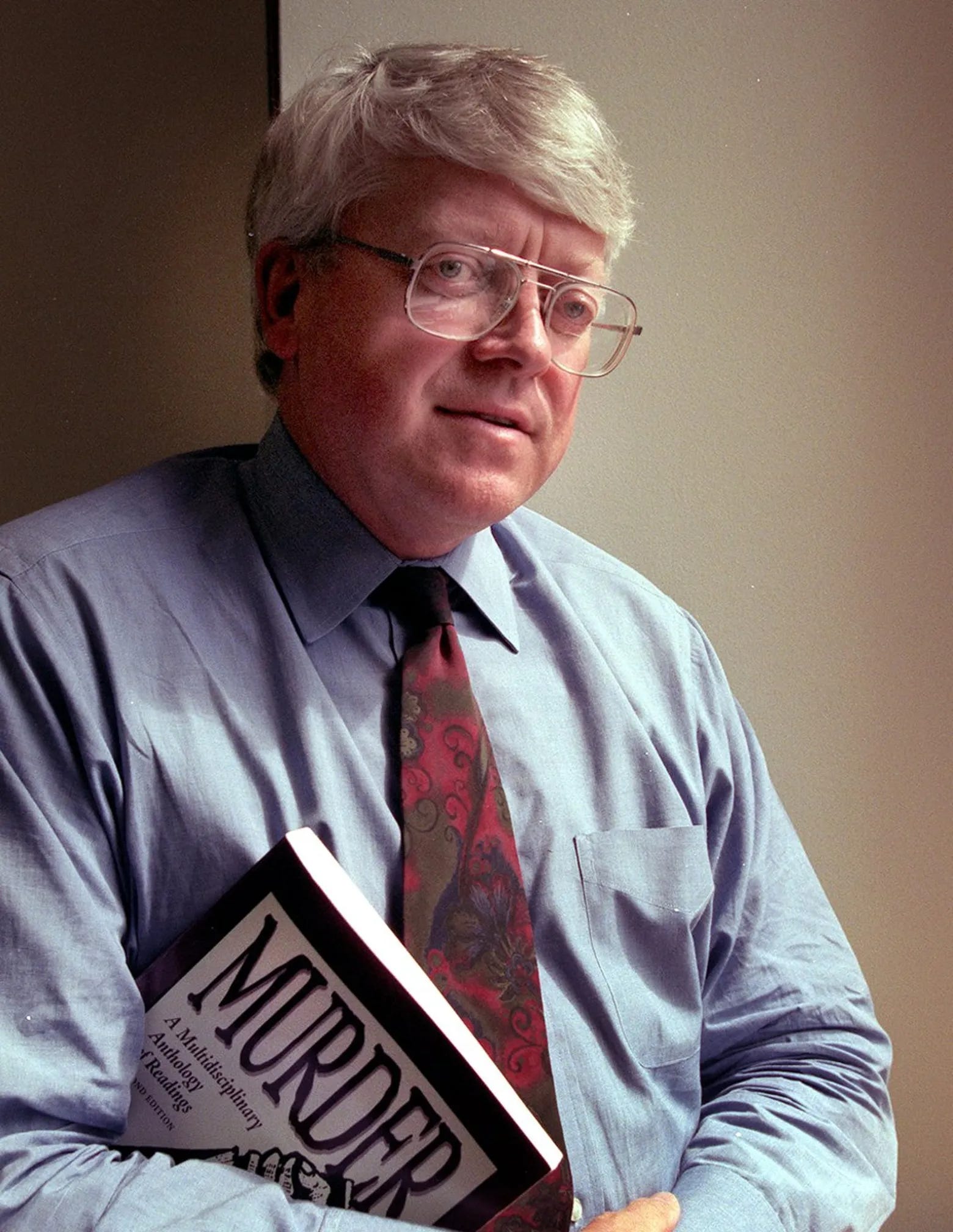
The prevailing facts presented by the film are also true – Ted Bundy did reach out to Robert Keppel and the Green River Task Force, offering his insight into the ongoing investigation. Keppel actually did interview Bundy in prison, numerous times, with the final interview occurring a few days prior to Bundy’s execution.
The film also accurately depicted Keppel’s obsession, for lack of a better term, with Bundy’s case. The case had haunted him for years, and when he had an opportunity to interview Bundy, he was motivated to use his profiling skills to get Bundy to confess. When he was facing his upcoming execution, Bundy did indeed confess to unsolved murders, giving Keppel the closure he was seeking.
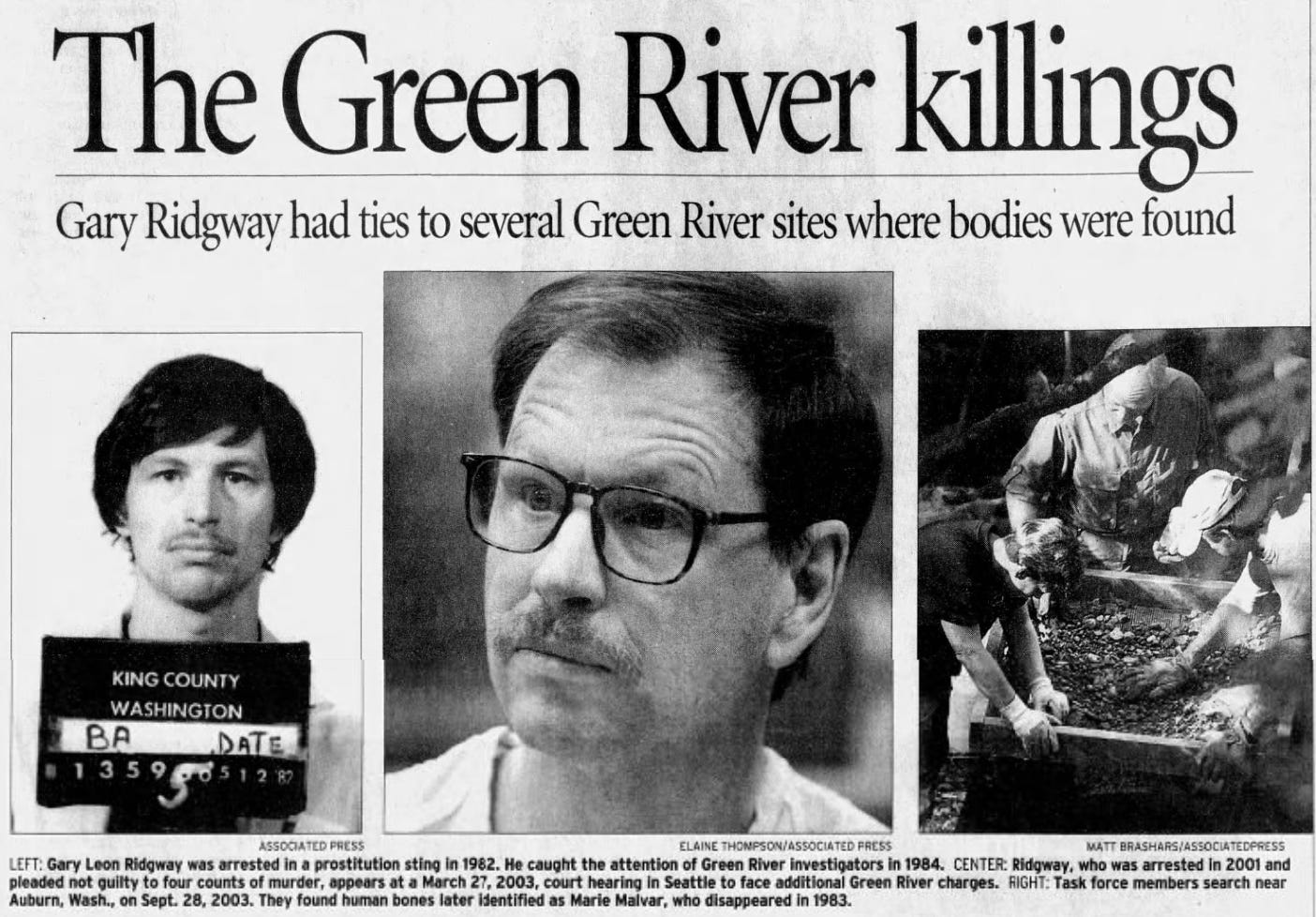
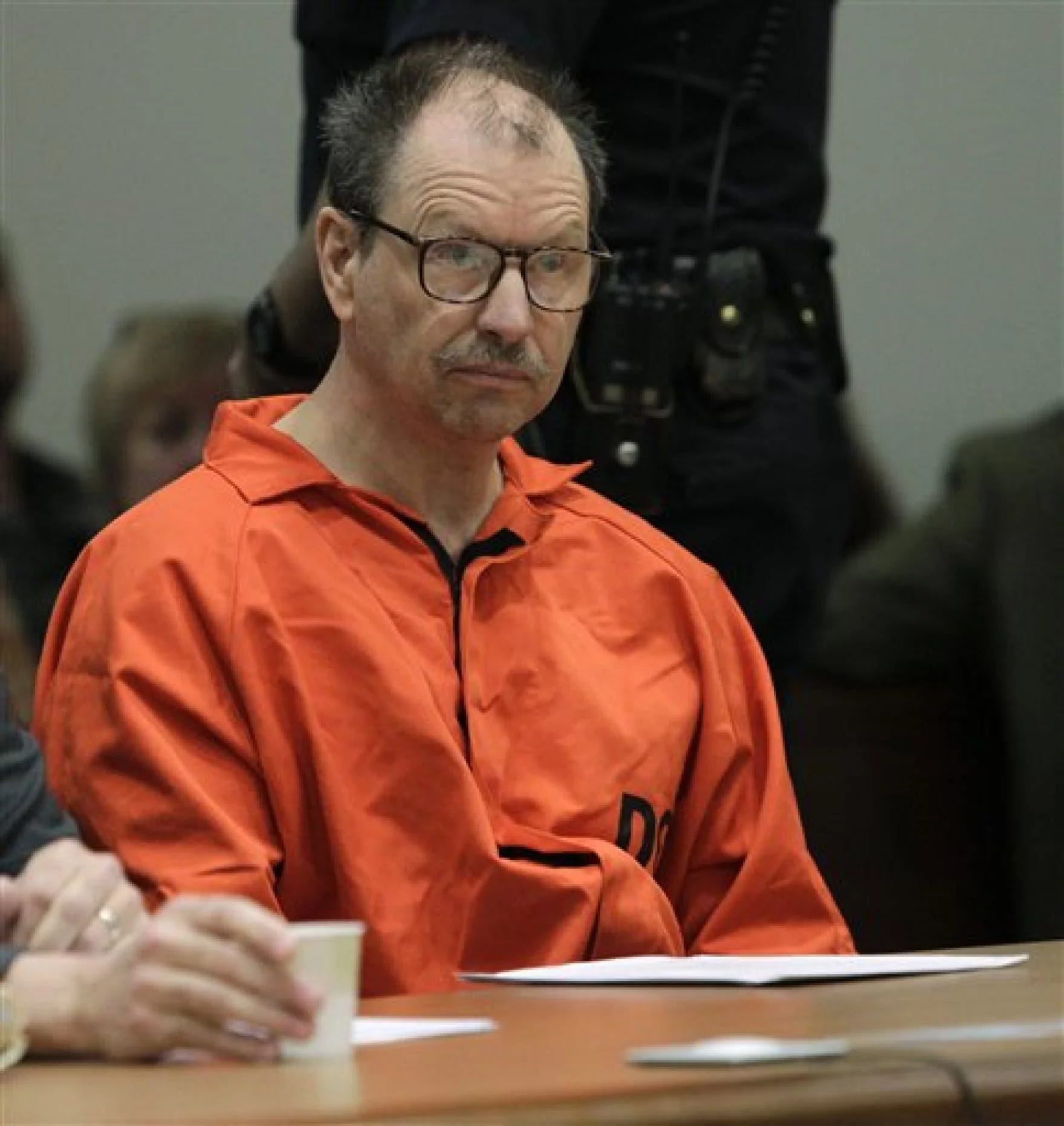
As depicted in the film, Dave Reichert and the Green River Task Force eventually solved the Green River case, arresting Gary Ridgway in 2001, thanks to advances in DNA technology.
While The Riverman is a fairly accurate depiction of events and avoids over-dramatizing the story, there are a few details that are inaccurate or poorly explained in the film. First, Bundy did not directly contact Keppel at his home; instead, he sent a letter to a judge in Pierce County offering to consult on the Green River case, which was forwarded to the Green River Task Force. In fact, Bundy later sent numerous letters, some pages long, providing his analysis of the case.
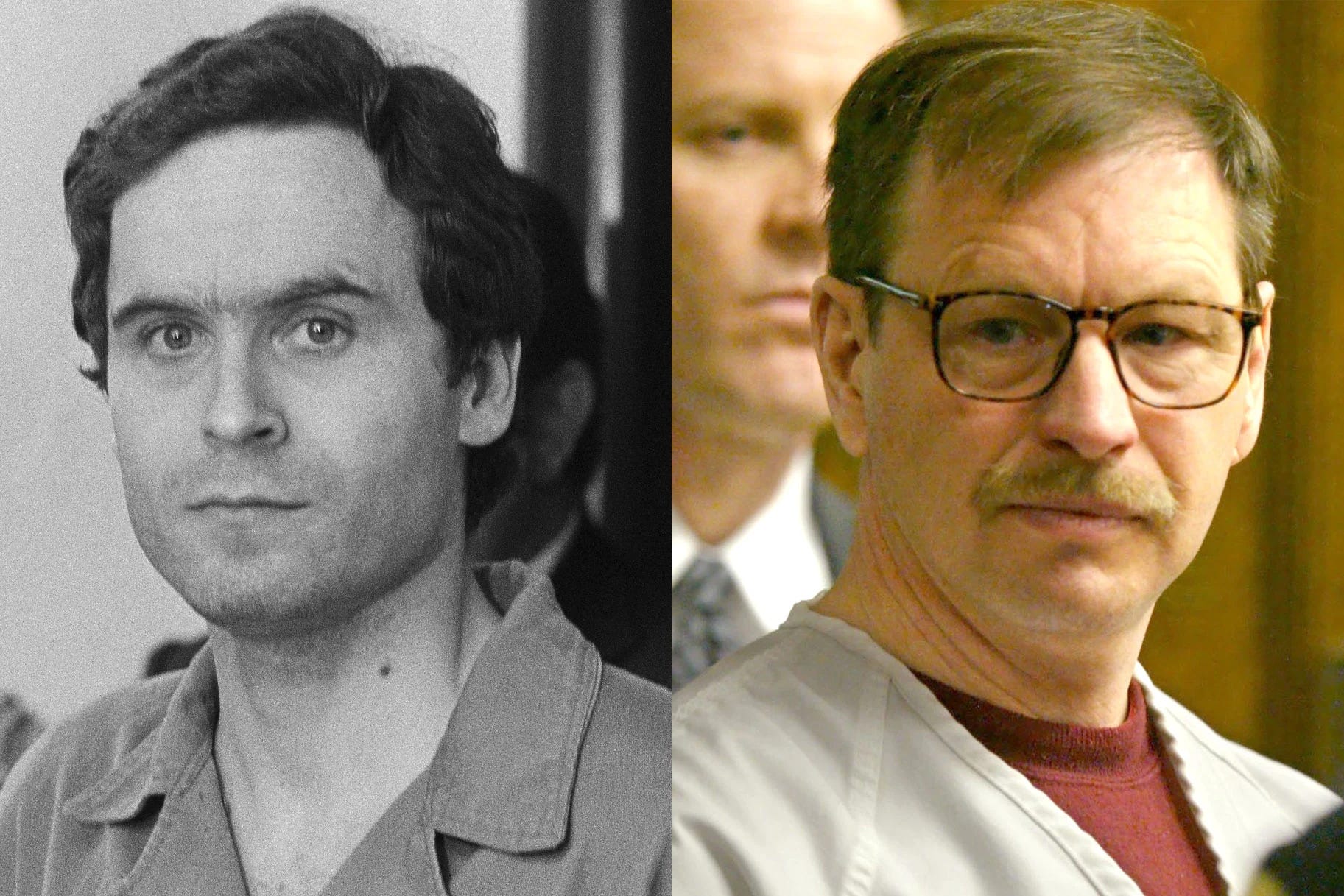
Ted Bundy vs. The Riverman
Bundy speculated that the Green River Killer, whom he’d dubbed The Riverman, was revisiting his dump sites and engaging in acts of necrophilia. After Gary Ridgway was arrested in 2001, he confessed to doing exactly what Bundy had described.
However, rather than being a gifted psychoanalyst, Bundy instead projected his own psychopathy onto the Green River Killer. If anything, Bundy’s profiling gifts were limited to the extent to which a depraved monster could recognize the work of another depraved monster, and that was the limitation of his so-called unique insight.
One element the film fails to fully depict is Bundy’s true motivations, though the final interview scene briefly touches on them. According to John Douglas, legendary FBI profiler and one of the founding minds behind the Behavioral Analysis Unit (BAU), Bundy proved to be overall unhelpful and incredibly manipulative during interviews.
The Riverman shows Bundy’s attempts to play mind games, but it does not fully explain his behavior. When Bundy reached out to assist with the Green River case, he had no intention of helping to solve it. Ted Bundy, often considered to be a textbook example of a psychopath, had no interest in doing anything altruistic.
Bundy’s motivations for offering his consulting services were not nuanced or complex. He wanted desperately to make himself relevant and “useful” only to the extent that he could delay his inevitable execution.
The letters Bundy sent to the Green River Task Force are available online, as are transcriptions from interviews with Keppel, including one just days before his execution. In the letters and transcripts, Bundy’s desperation is palpable, something only seen in the final part of the film.
Bundy wanted to string detectives along, giving them just enough information to keep them interested, but not too much that he risked running out of things to say. The perspectives that Bundy offered largely only revealed elements of his own psychopathy, and he used the conversations and case files to fuel his sick and twisted imagination.
The film did not show the many predictions and theories Bundy offered up that turned out to be dead wrong. He continually projected his own pathology onto Ridgway, likely due to his rampant narcissism, and only two primary points turned out to be correct. While The Riverman remains one of the least problematic pieces of Bundy-related media, it did, in part, contribute to a false narrative that Bundy was somehow helpful in solving the case of the Green River Killer.
Closing Thoughts
The Riverman gives audiences a first-person perspective of sitting across from one of America’s most infamous serial killers. Through the lens of a deeply haunted yet equally resilient Robert Keppel, we get an uncomfortably close look at one of the more sinister portrayals of Ted Bundy, abandoning his usual charming disposition and revealing the monster beneath.
While the film falls short of telling the full story, it is considered a fairly accurate recounting of interviewing Bundy in prison just before his execution. Ted Bundy did not contribute anything of substance or value in the Green River Killer investigation, but when he saw the clock ticking down on his life, he fell into the snare Keppel had laid for him and confessed to several unsolved murders.
The Riverman receives praise not only for staying mostly true to real-life events, but also for letting us see the darker side of Bundy that he kept hidden from courtroom cameras.


Sources:
“The Transcribed Interview Between Ted Bundy and Robert Keppel on January 20, 1989.” Another Bundy Blog., 4 Feb. 2025, https://anotherbundyblog.com/2025/02/03/the-transcribed-interview-between-ted-bundy-and-robert-keppel-on-january-20-1989/
Fries, Laura. “The Riverman.” Variety, 2 Sept. 2004, https://variety.com/2004/scene/markets-festivals/the-riverman
“Reflections on Green River: The Letters of and Conversations With Ted Bundy : Sara: A Survivor : Free Download, Borrow, and Streaming : Internet Archive.” Internet Archive, 13 Jan. 2022, http://archive.org/details/reflections-on-green-river-the-letters-of-and-conversations-with-ted-bundy
Whitley, Peyton. (Seattle Times) “Ted Bundy Helped Green River Investigation Detective Says Bundy Met With King County Officials Probing Killings.” The Spokesman-Review, 7 Aug. 1995, https://www.spokesman.com/stories/1995/aug/07/ted-bundy-helped-green-river-investigation/