


Background
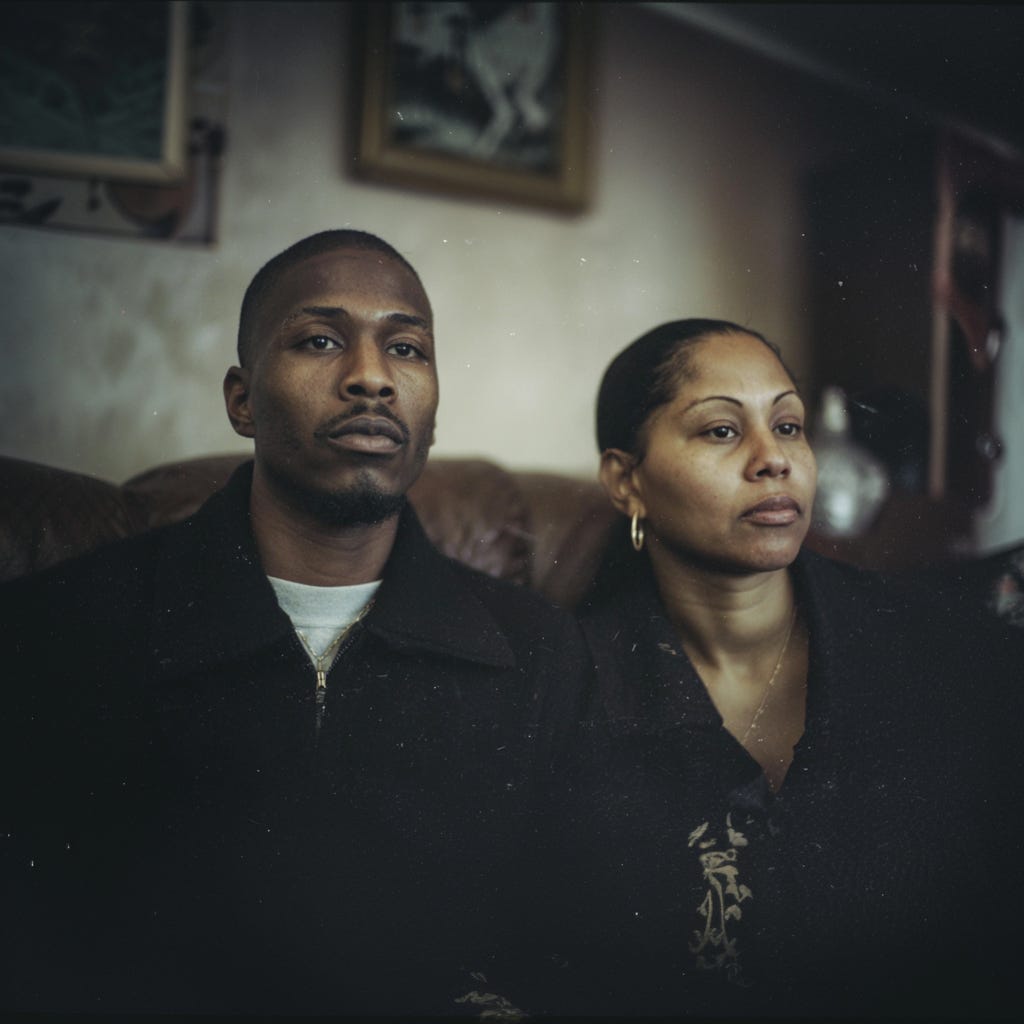
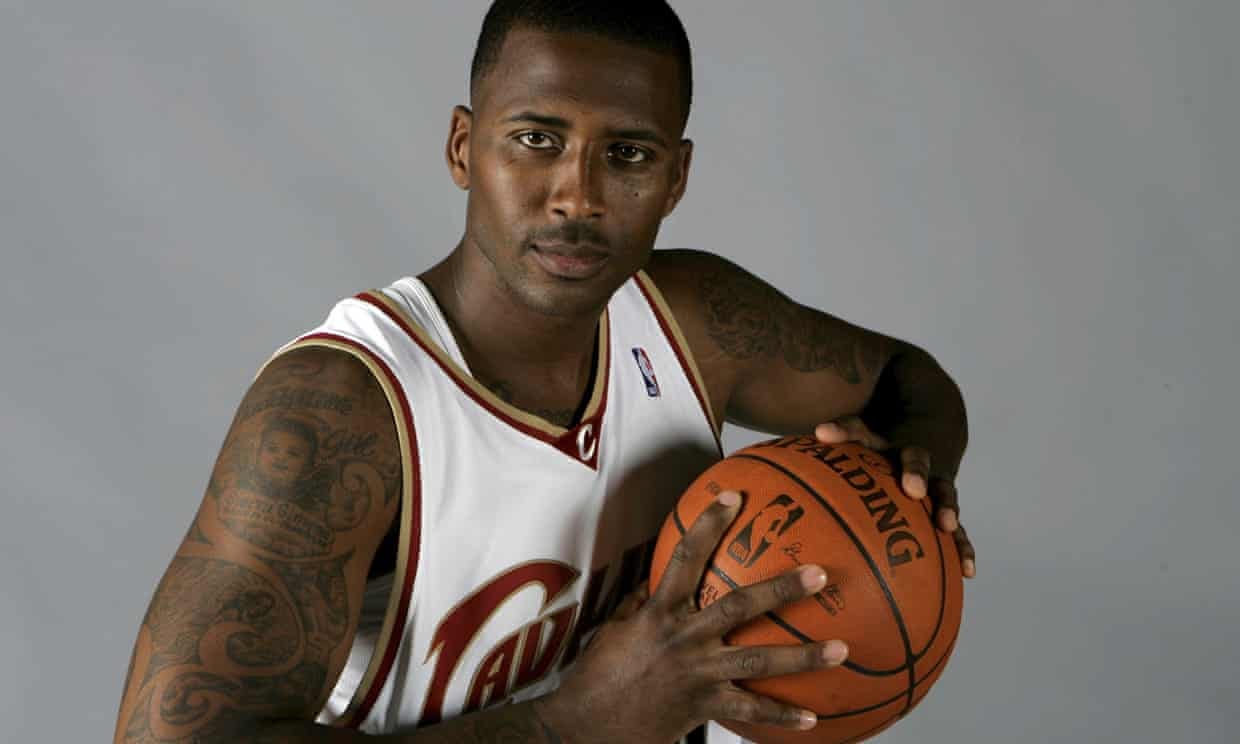
Lorenzen Wright was known for his strength, both on and off the basketball court. He had built a solid career in the NBA, earning respect across the league before returning home to Memphis to be close to his family. But in July 2010, he disappeared after leaving his ex-wife’s home late at night, only to be found six days later shot to death.
What followed was a painful journey marked by a decade-long search for justice.
A Natural Talent
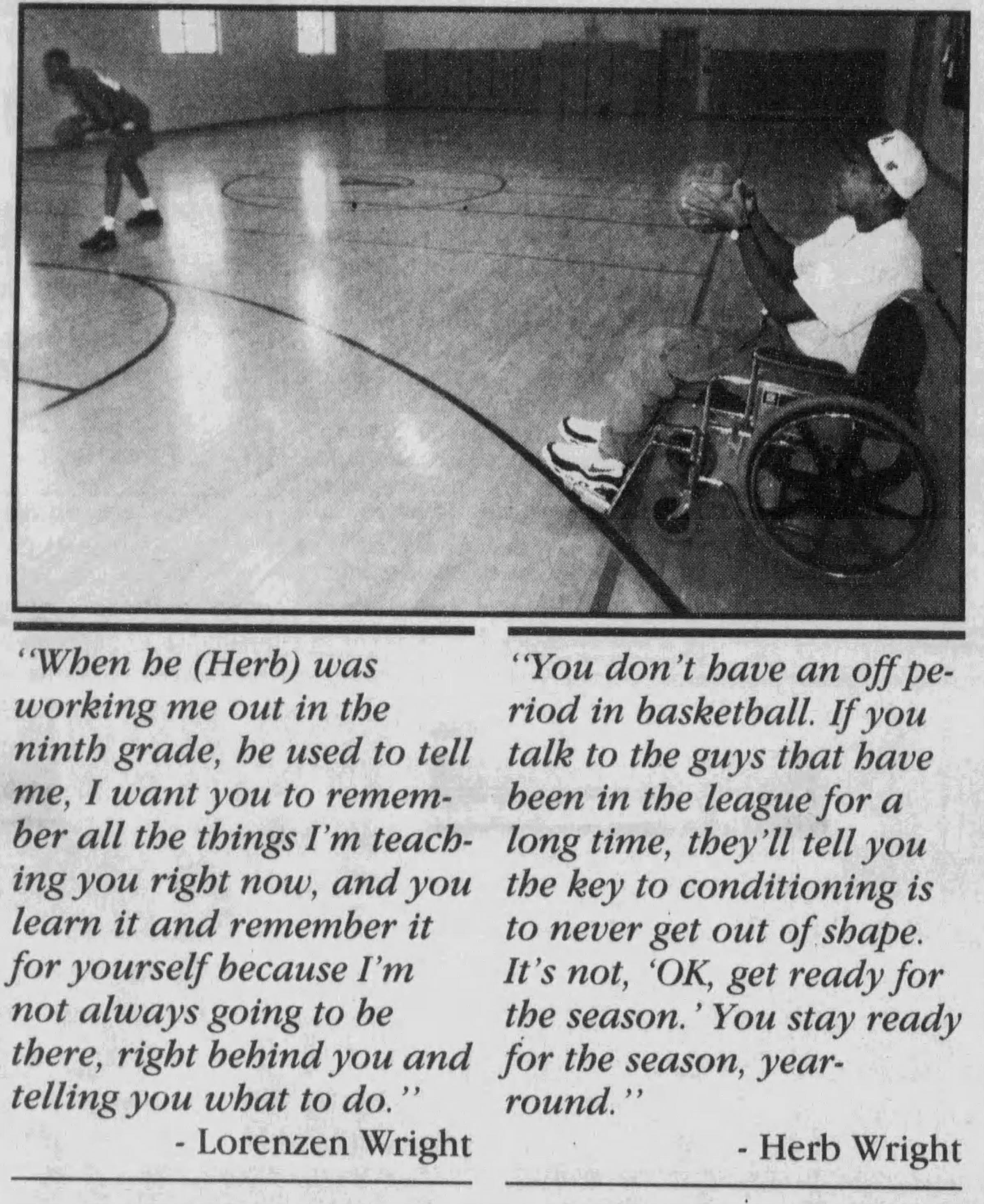
Lorenzen Wright was born on November 4, 1975, in Memphis, Tennessee. From a young age, he was drawn to the basketball court, and it was already part of his life because his father, Herb Wright, had also played basketball professionally overseas and even tried out for the NBA’s Utah Jazz. Because of that, young Lorenzen learned about and developed a love for the sport early.
As a child, Wright was known for being quiet, respectful, and extremely determined. But Wright’s childhood also had its challenges. When he was just seven years old, his father was seriously injured after being shot in the back while working for the Memphis Police Department. The injury left him paralyzed. Even though the situation was difficult, it made Wright more determined.
As he grew older, Wright’s height and athletic ability quickly set him apart. By his teenage years, he was nearly 6 feet 11 inches tall. This made him a powerful presence on the court. He first played high school basketball at Lafayette High School in Oxford, Mississippi, where coaches and scouts began to notice his talent. Later, he moved back to Memphis and finished high school at Booker T. Washington. His reputation as a basketball star continued to grow.
After graduating from high school, Lorenzen decided to stay close to his family and continue his basketball journey at the University of Memphis. In 1994, he joined the Memphis Tigers basketball team, where he quickly became one of the team’s most important players.
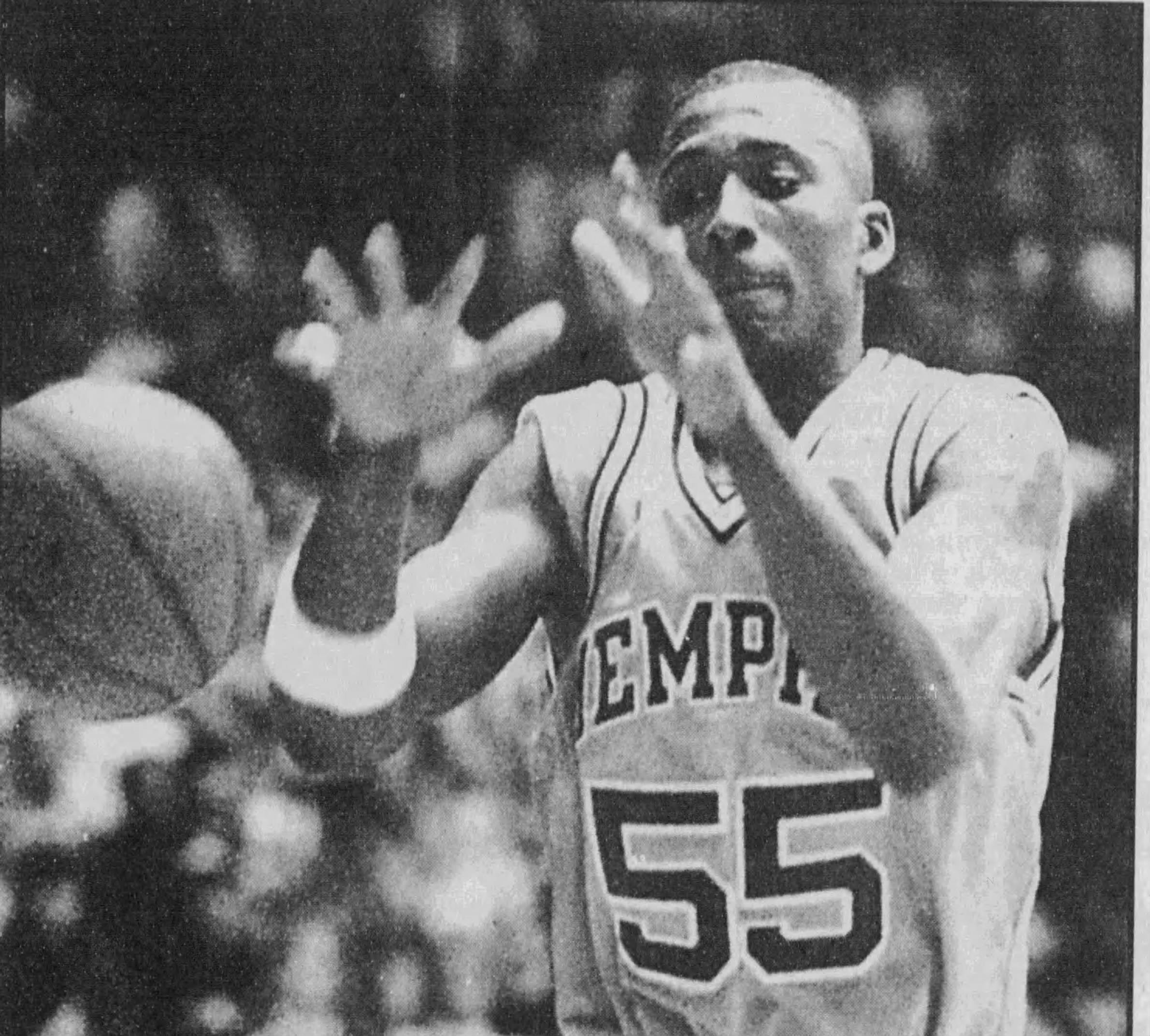
Over his two college seasons, Wright scored more than 1,000 points and recorded 31 double-doubles, meaning he reached double digits in two statistical categories in the same game. His strong performances helped the Tigers win more than 20 games in consecutive seasons and reach the NCAA Tournament, including a run to the Sweet Sixteen in 1995.
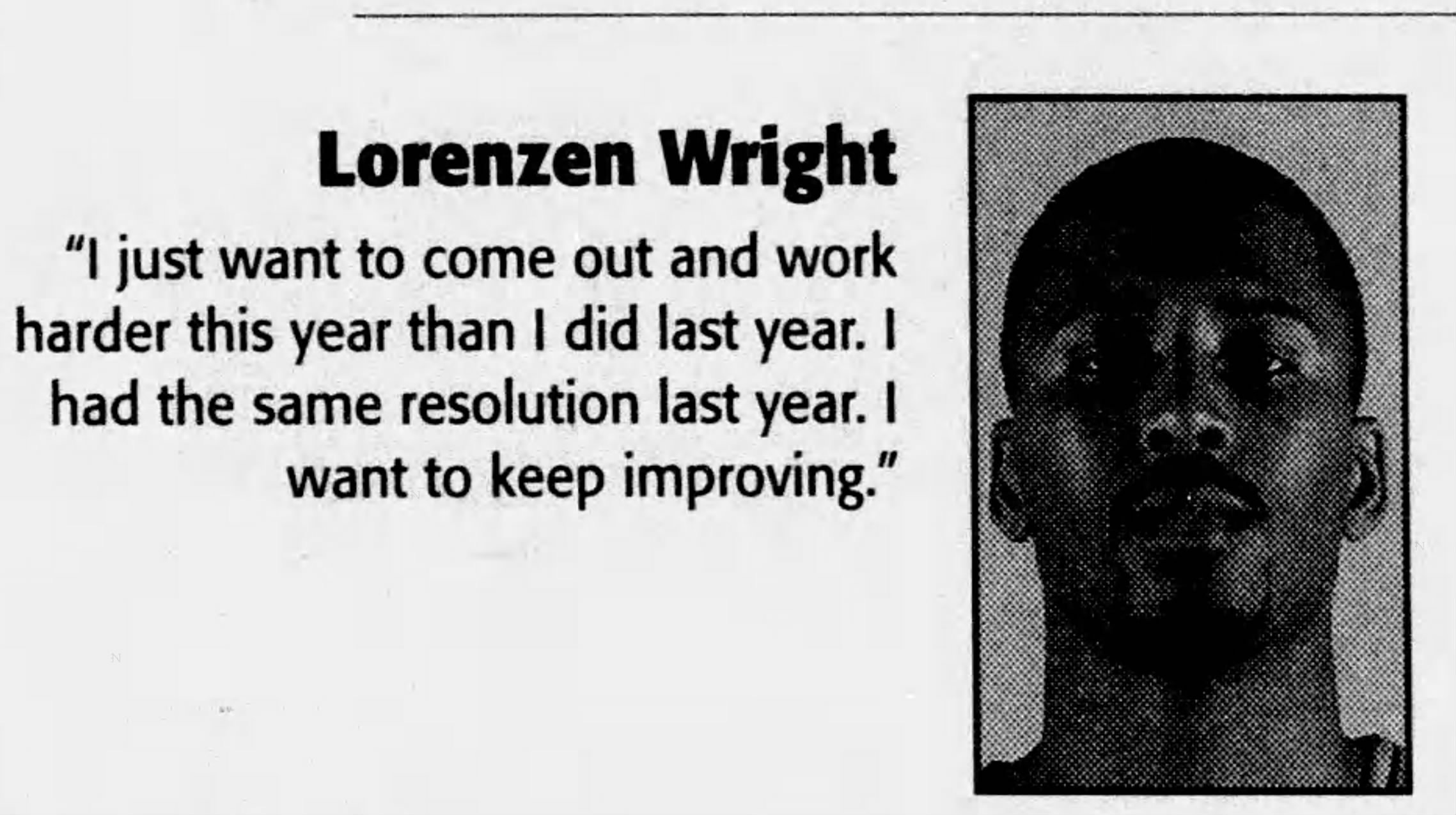
By the time he finished his sophomore year in 1996, Wright had built a reputation as a hardworking and determined player. Coaches admired his effort and physical strength, while fans loved his determination and loyalty to Memphis. Many experts agreed that he was ready for the next level.
NBA Career and Achievements
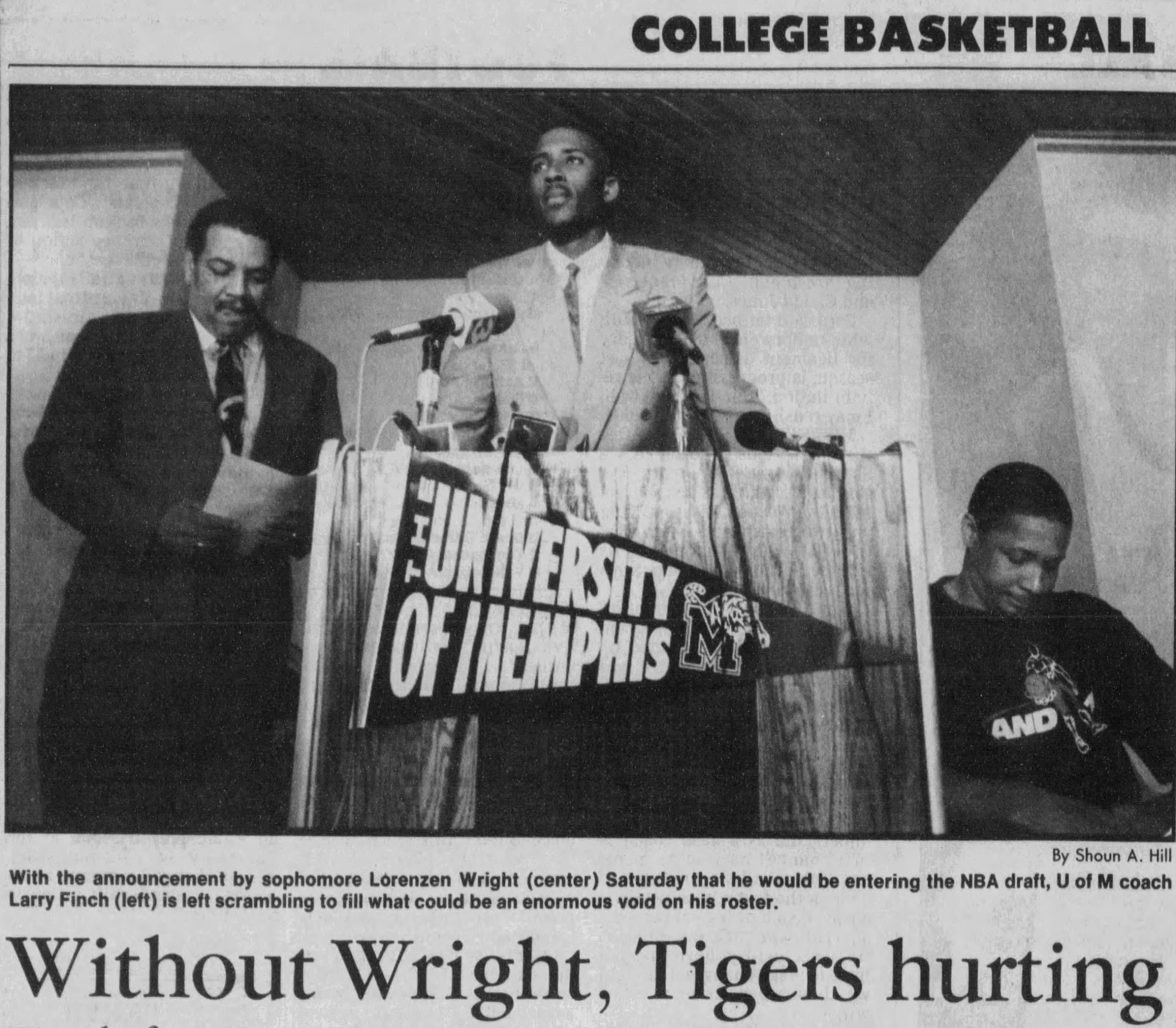
In 1996, the dream that Lorenzen Wright had worked toward since childhood finally became reality. After two strong seasons in college basketball, he declared for the 1996 NBA Draft, hoping to turn his lifelong dream of playing professionally into a reality. On draft night, the Los Angeles Clippers selected him with the 7th overall pick in the first round.
Lorenzen made his NBA debut on November 5, 1996, beginning his professional career. He spent his first three seasons from 1996 to 1999 with the Los Angeles Clippers. During those early years, he adjusted to the fast pace and physical style of the NBA. As a young player, he focused on defense, rebounding, and protecting the rim.
By his second season, he was already becoming a reliable player for his team. In the 1997–1998 season, Wright averaged close to 9 points and nearly 9 rebounds per game, showing that he could compete against the league’s top big men. Over the next decade, Wright played for several teams across the league, including his hometown Memphis Grizzlies from 2001 to 2006.

In total, Wright played 13 seasons in the NBA, appearing in 778 games. He had several strong seasons, especially while playing for the Memphis Grizzlies. During his career, Wright averaged about 8 points and 6.4 rebounds per game. While these numbers might not look flashy compared to superstar players, they showed he was a dependable role player who contributed to every team he joined.
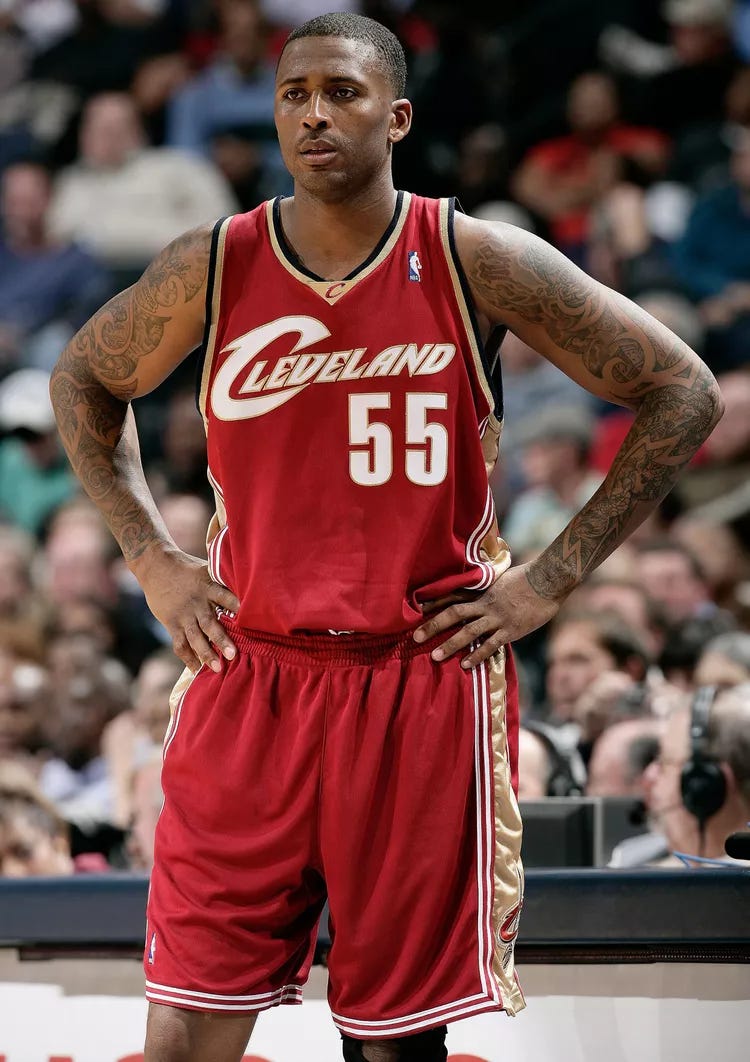
By 2009, after more than a decade in professional basketball, Wright’s time in the NBA began to wind down. His final season included short stints with the Sacramento Kings and the Cleveland Cavaliers during the 2008–2009 season. Later that same year, Wright retired from professional basketball.
Life After Basketball
After retirement, Wright returned to Memphis, the city where his basketball journey had begun. He wanted to spend more time with his family and remain connected to the community that had supported him since he was a young player with big dreams.
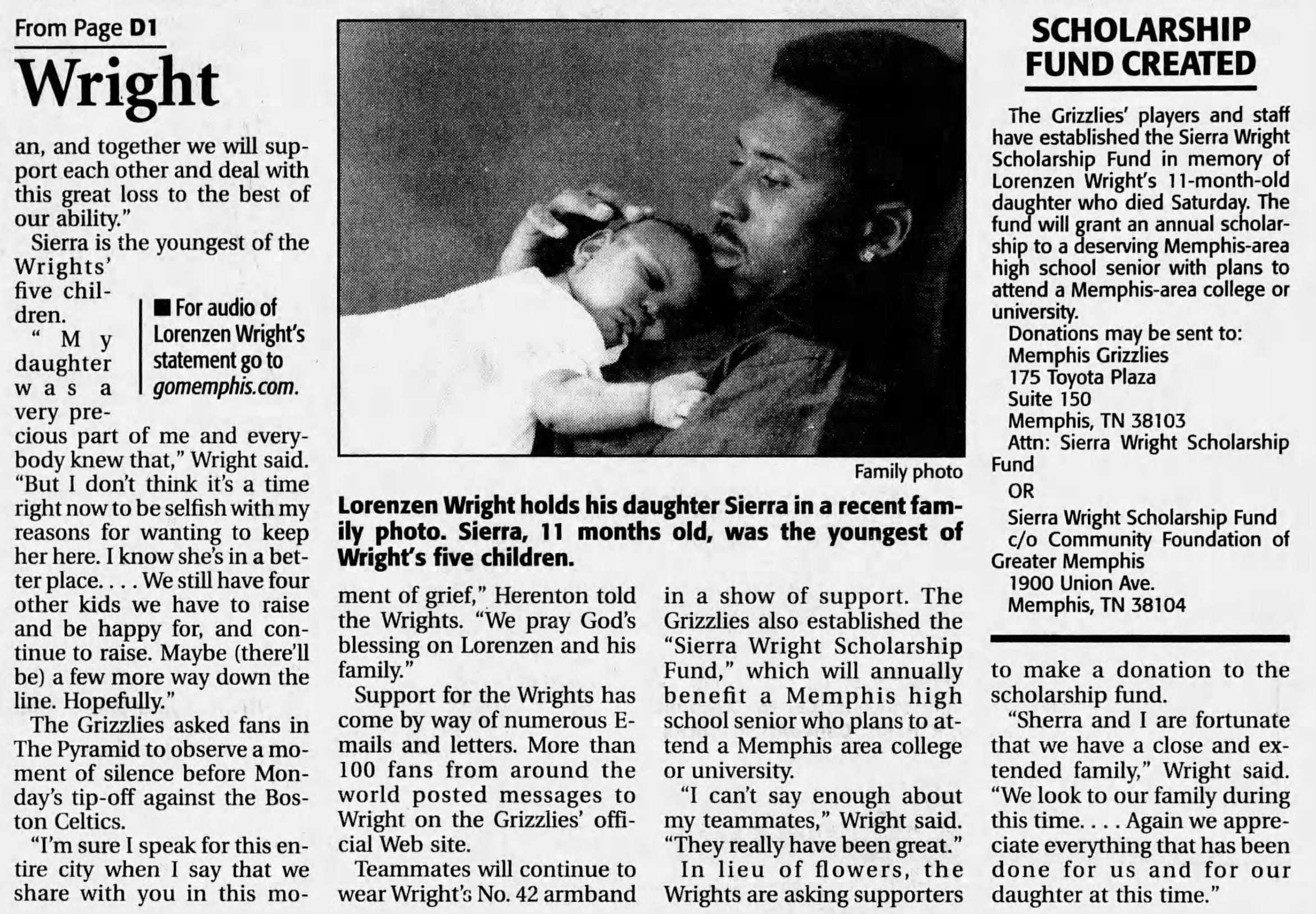
Wright was the father of seven children, and despite the busy life of an NBA player, those close to him often said that his kids were the most important part of his life. His children were Lorenzen Jr., Loren, twin boys Lamar and Shamar, Sierra, Sofia, and Lawson. The family had experienced heartbreak years earlier. In March 2003, their baby daughter, Sierra Simone Wright, died at just 11 months old from sudden infant death syndrome.
That tragedy deeply affected Wright and his family, leaving them with emotional scars that never fully healed. So after leaving the NBA, he wanted to be more present in his children’s daily lives. He attended their activities, supported their interests, and wanted to make sure they had a stable future.
Separation and Divorce
However, life at home was not always peaceful. Wright’s relationship with his wife, Sherra Wright-Robinson, had become strained over the years. The two had first met when Wright was still a teenager during the time Sherra’s father had coached him in youth basketball. They began dating during his high school years, and they eventually married on June 6, 1998.
But after more than a decade of marriage, the relationship began to fall apart. Friends later said the couple struggled with trust issues and personal conflicts. The couple decided to separate, and their divorce was finalized in February 2010, after 13 years of marriage.
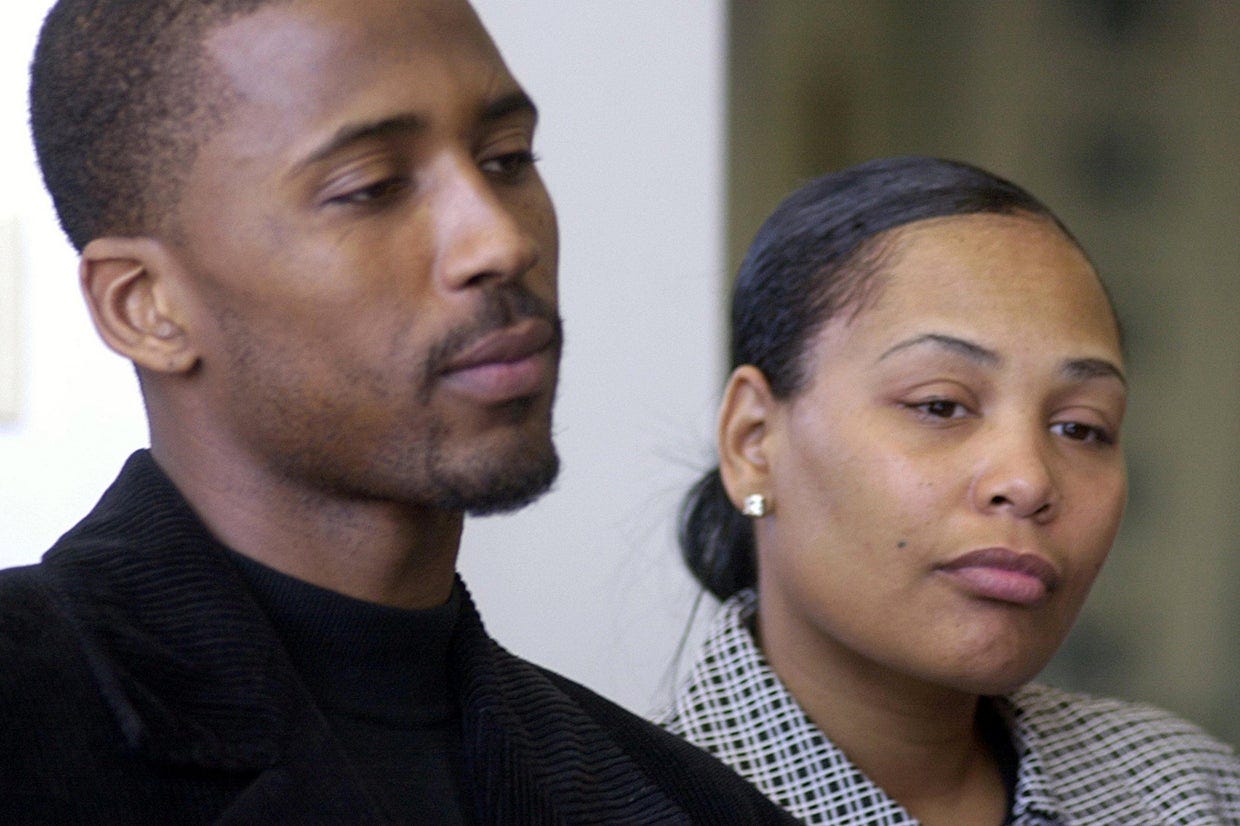
Despite their divorce, Lorenzen and Sherra remained connected because of their children. They tried to keep communication open so they could raise their kids together. In fact, on several occasions after the divorce, Wright was still seen spending time at Sherra’s home in Collierville, Tennessee.
Disappearance
In July 2010, Lorenzen Wright was back in the Memphis area visiting family and spending time with his children. It had only been a few months since his divorce from Sherra earlier that year, and he was trying to adjust to a new chapter in life. On the evening of July 18, Wright visited his ex-wife at her home in Collierville, Tennessee, about 30 miles east of Memphis. According to Sherra Wright-Robinson, he stopped by to see their children and talk for a while before leaving later that night.
Sometime around 10:00 p.m., Lorenzen left the house. Sherra later told investigators that he said he was going to meet someone. A few hours later, at 12:18 a.m. on July 19, a 911 operator in Germantown, Tennessee received a strange call from Wright’s cell phone.
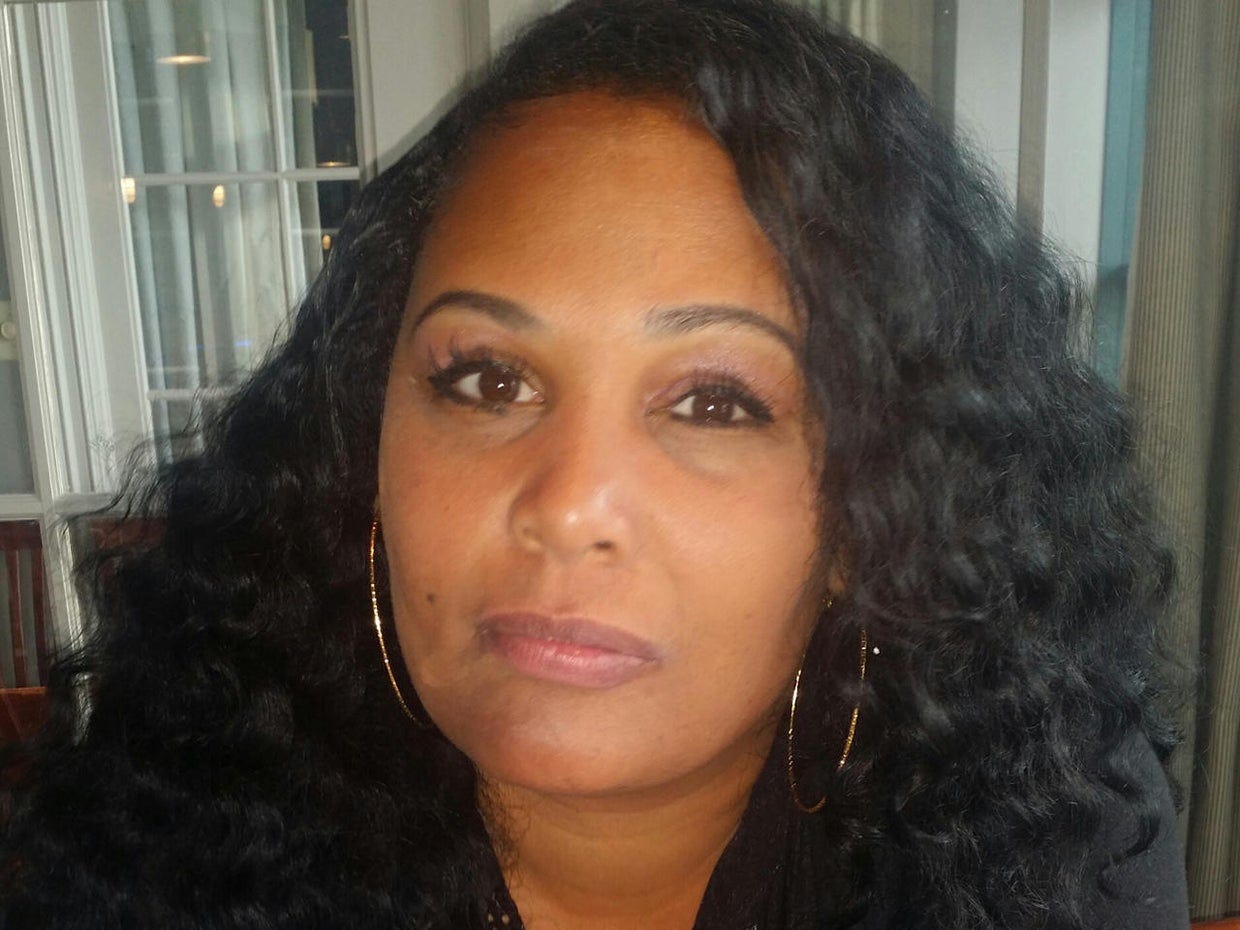
During the call, Wright’s voice could be heard speaking briefly with the dispatcher. According to reports, Wright shouted a curse word as if something terrible had just happened. Suddenly, the sound of multiple gunshots rang out through the phone. The dispatcher heard between nine and eleven shots fired during the call. After the gunfire, the line went completely silent.
Because the system could not confirm the exact location of the call, the incident was not immediately reported to other police departments. This mistake would later become a serious controversy and lead to criticism of the emergency response system.
Wright’s family began to worry. It was unusual for him to disappear without telling someone where he was going. Friends and relatives tried calling his phone, but it went straight to voicemail. Days passed with no sign of the former NBA star. Finally, on July 22, 2010, Lorenzen Wright’s family contacted authorities and filed a missing person report with the Collierville Police Department. Police soon began searching for Wright.
Authorities began attempting to trace his last known movements. Investigators reviewed phone records, spoke with family members, and searched locations where he had last been seen.
The most crucial piece of the investigation concerned the strange 911 call placed from Wright’s cellphone early on July 19, 2010. Investigators eventually confirmed that the call had come from a wooded area outside Memphis. That information helped guide search teams toward the area where they believed Wright might have been. For several days, police searched parts of southeast Memphis, especially woodland and empty fields where the call may have originated.
A Grim Discovery
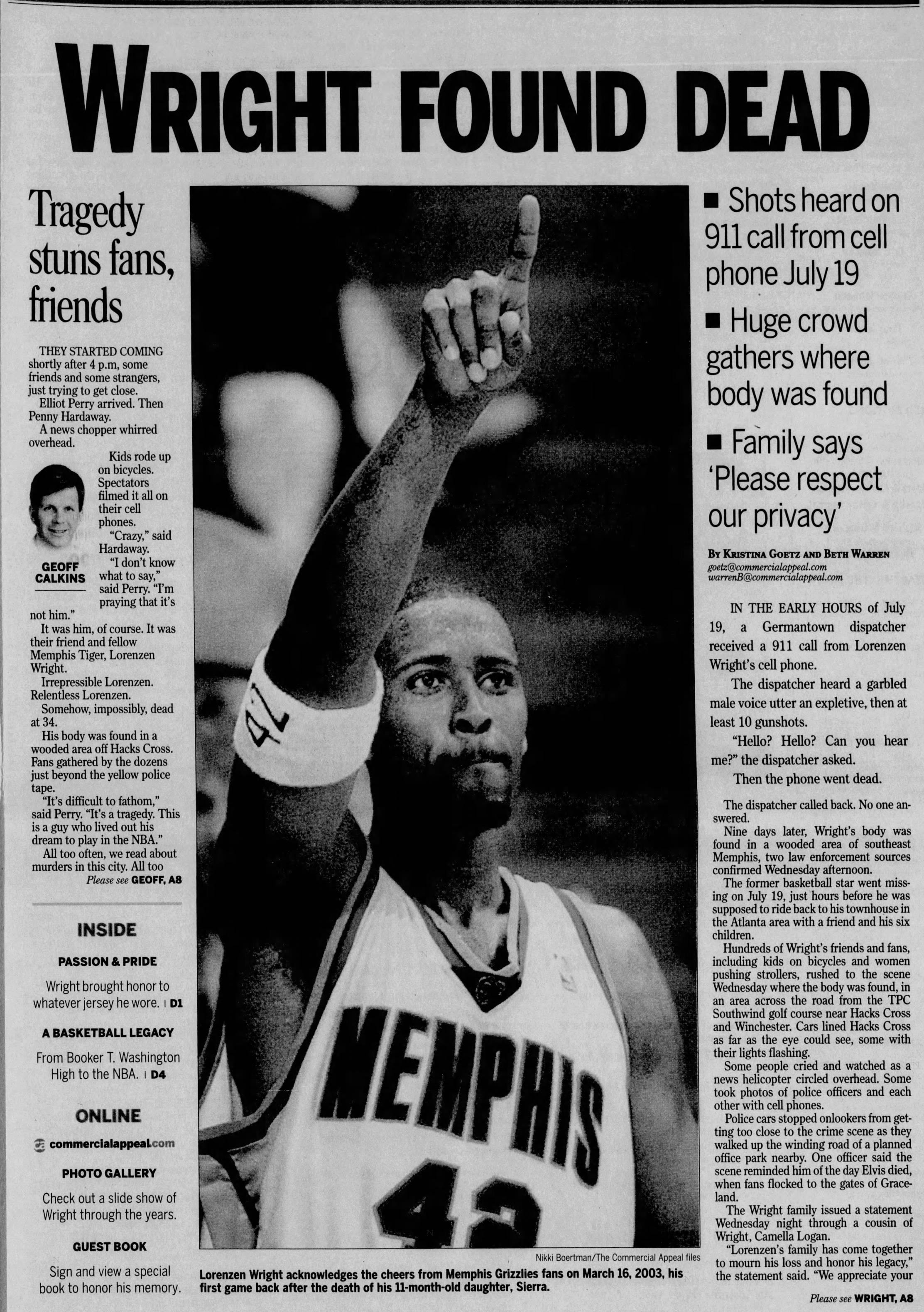
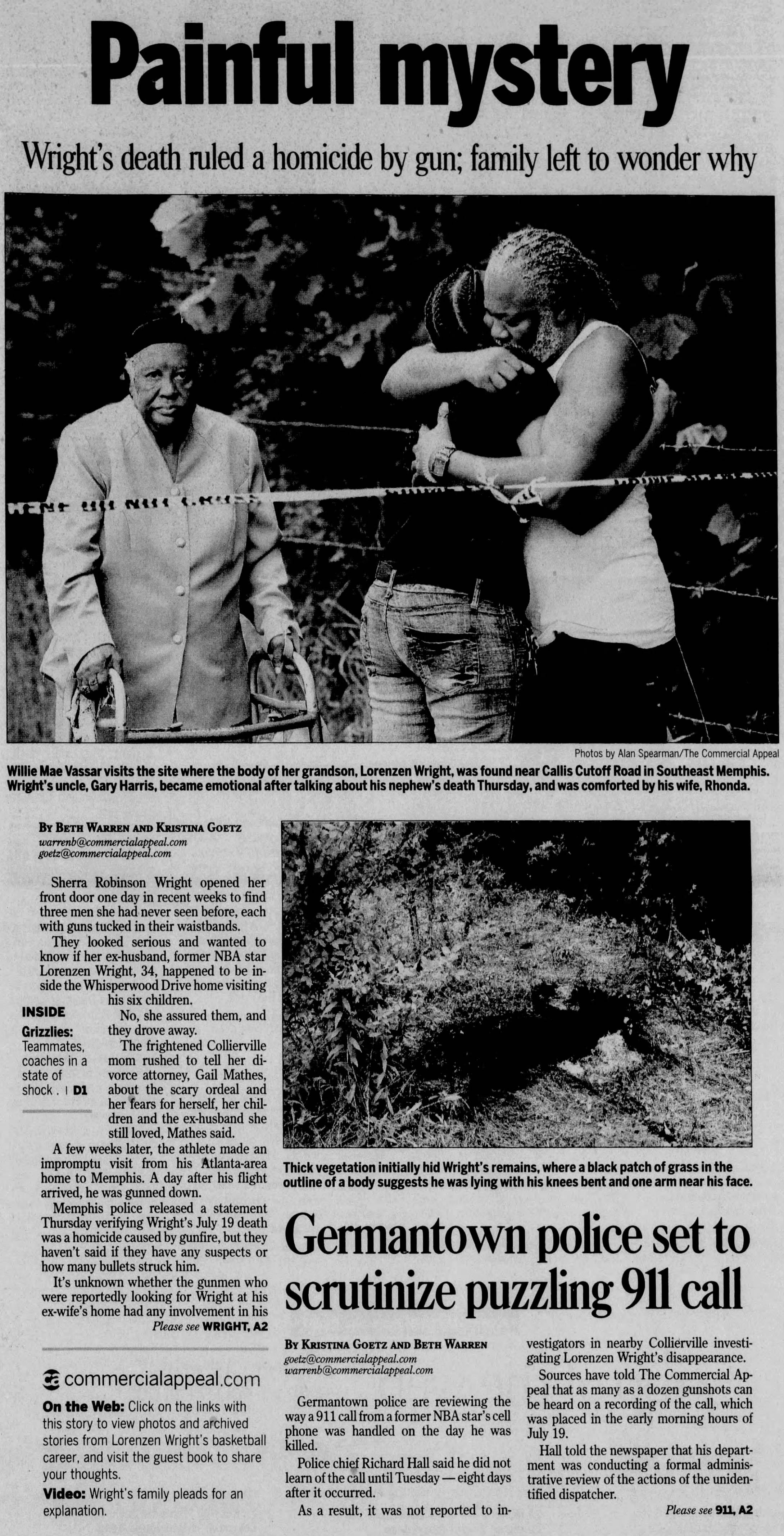
On July 28, 2010, about ten days after Wright disappeared, searchers made a grim discovery. A city worker discovered a body in a wooded field near Callis Cutoff Road in southeast Memphis, not far from where the 911 call had likely been made. The area was a quiet, undeveloped area of land near a neighborhood called Hickory Hill.
The remains were confirmed to be those of 34-year-old Lorenzen Wright. The tragic news shook the city. For days, people had hoped the former NBA player would be found safe. Instead, the search ended in heartbreak.
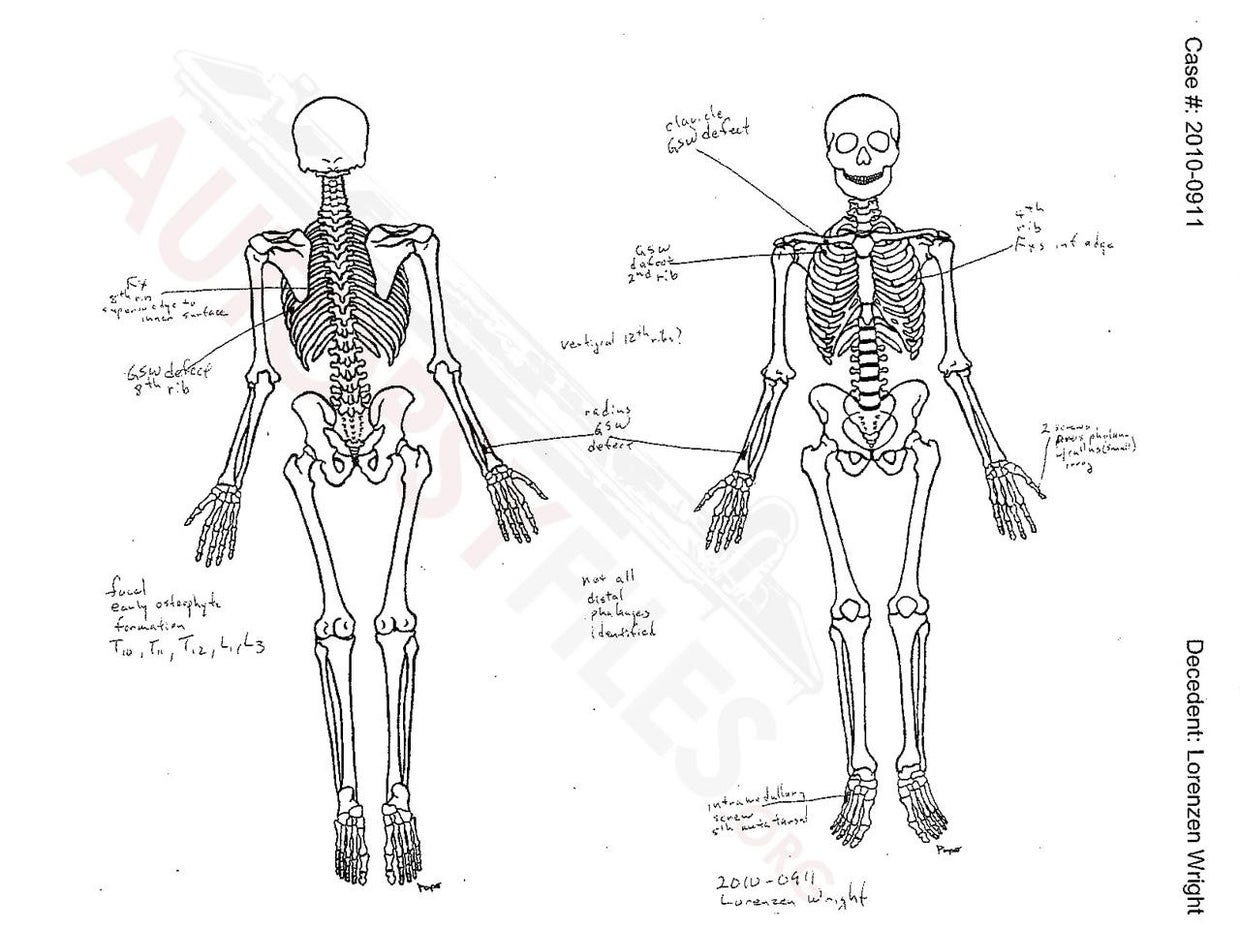
An autopsy was performed by the Shelby County Medical Examiner’s Office to determine the cause of death. The medical examiner found that Wright had been shot at least five times. According to the report, he suffered two gunshot wounds to the head, two to the chest, and one to his right forearm.
Investigators also discovered shell casings from different types of guns at the scene, suggesting that more than one weapon had been used during the attack. Wright’s death was ruled a homicide caused by gunshot wounds.
Investigation
In the days following the discovery of Wright’s body, detectives from the Memphis Police Department began carefully examining the crime scene. Investigators collected evidence, searched the surrounding wooded area, and studied Wright’s phone records. Aside from the shell casings found, the scene provided few clues as to the identity of the killer or killers.
Police believed Wright had been lured to the location before he was shot, but they did not know who had arranged the meeting or why. Detectives began interviewing people who had been close to Wright and those who had seen him during his final hours.
One of the most important interviews was with Wright’s ex-wife, Sherra Wright-Robinson. Sherra told investigators that Wright had left her house late that night with someone in a vehicle she did not recognize. She also said that before leaving, Wright had been talking on the phone about a possible deal involving $110,000, though the details of the conversation were unclear.
Detectives also looked into Wright’s personal life, financial records, and recent activities. They wanted to know if he had conflicts with anyone, business problems, or personal issues that could explain why someone would want to harm him. Despite months of interviews and investigation, no clear suspect emerged.
In 2011, a reward of more than $20,000 was offered for information about Wright’s murder. Crime Stoppers, the state of Tennessee, the city of Memphis, and the Memphis Grizzlies all contributed money towards the reward.
Controversy
One of the most troubling parts of the investigation involved the 911 call made from Wright’s cellphone on the night he disappeared. The police dispatcher had not immediately alerted officers or other departments about the call. Officials said this was because they could not confirm exactly where the call originated or whether it was within their jurisdiction.
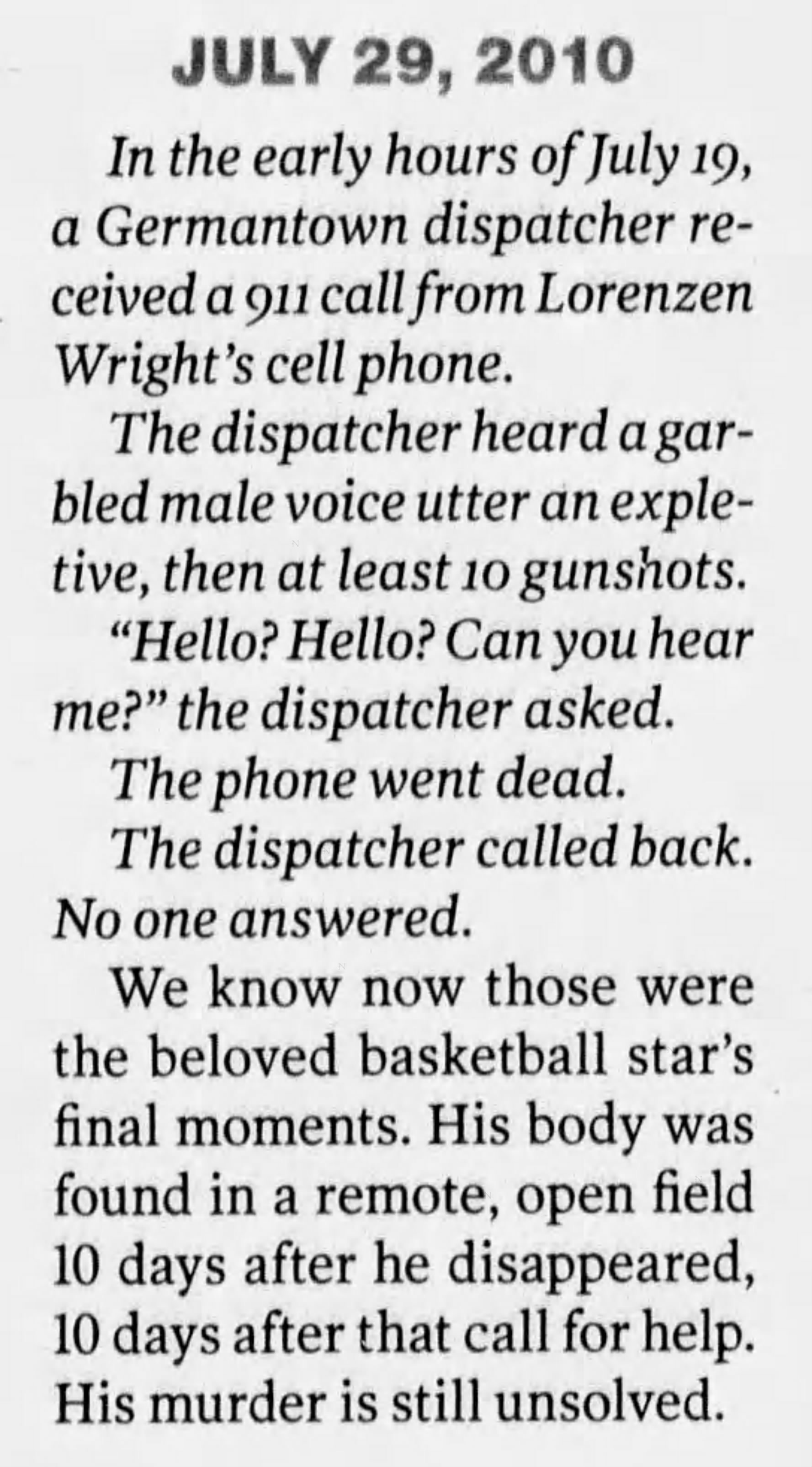
The situation caused anger and frustration among Wright’s family, who believed the call should have been treated as an emergency from the start, especially because there were audible gunshots in the background during the call. Many people believed that if this information had been shared sooner, police might have been able to find Wright faster.
The city of Germantown, Tennessee, where the call had been received, later faced criticism and legal action related to the handling of the call. But despite the considerable attention surrounding the case, months turned into years without any arrests.
Breakthrough
Nearly seven years after Lorenzen Wright’s death, investigators uncovered a crucial piece of evidence that completely changed the direction of the case. Earlier in the investigation, a witness had told authorities that the gun used in the killing had been thrown into a lake in Walnut, Mississippi, a small town about 75 miles east of Memphis. For years, that claim had led nowhere, but detectives decided to try once more.
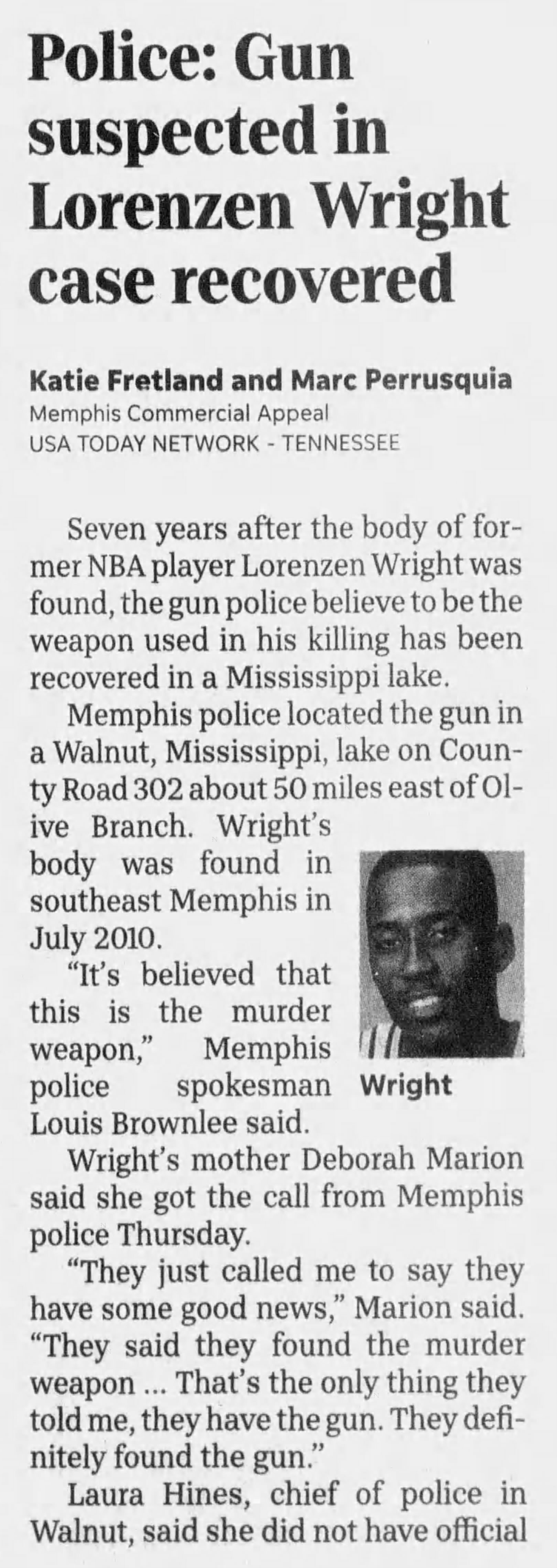
In 2017, an FBI dive team returned to the lake. During the search, divers recovered a 9-millimeter Smith & Wesson pistol. Ballistics testing later matched the gun to shell casings that had been found near Wright’s body in Memphis.
With the weapon linked to the crime scene, detectives in Memphis began reviewing the case again from the beginning. Old witness statements were reexamined, and investigators started connecting new pieces of information with what they already knew.
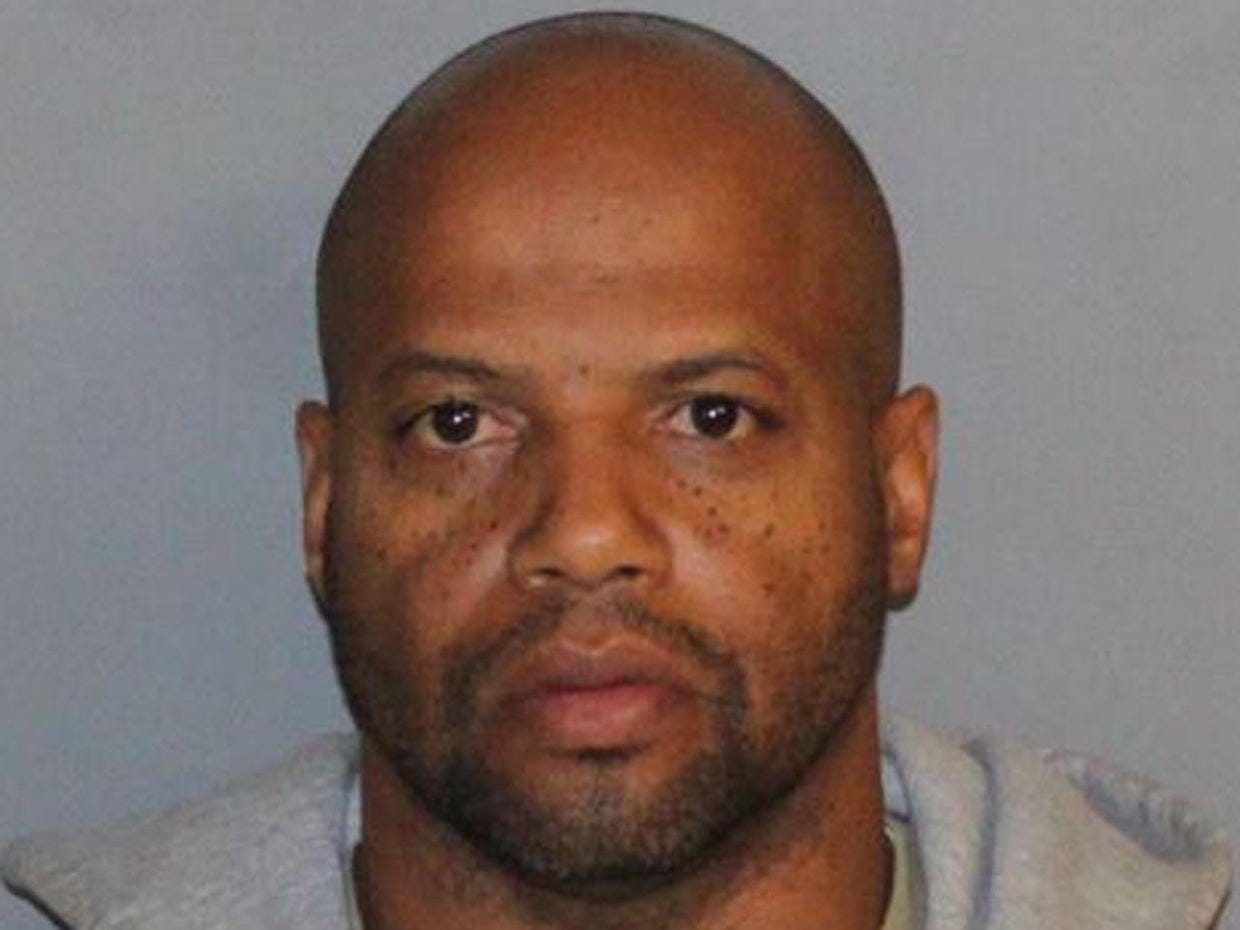
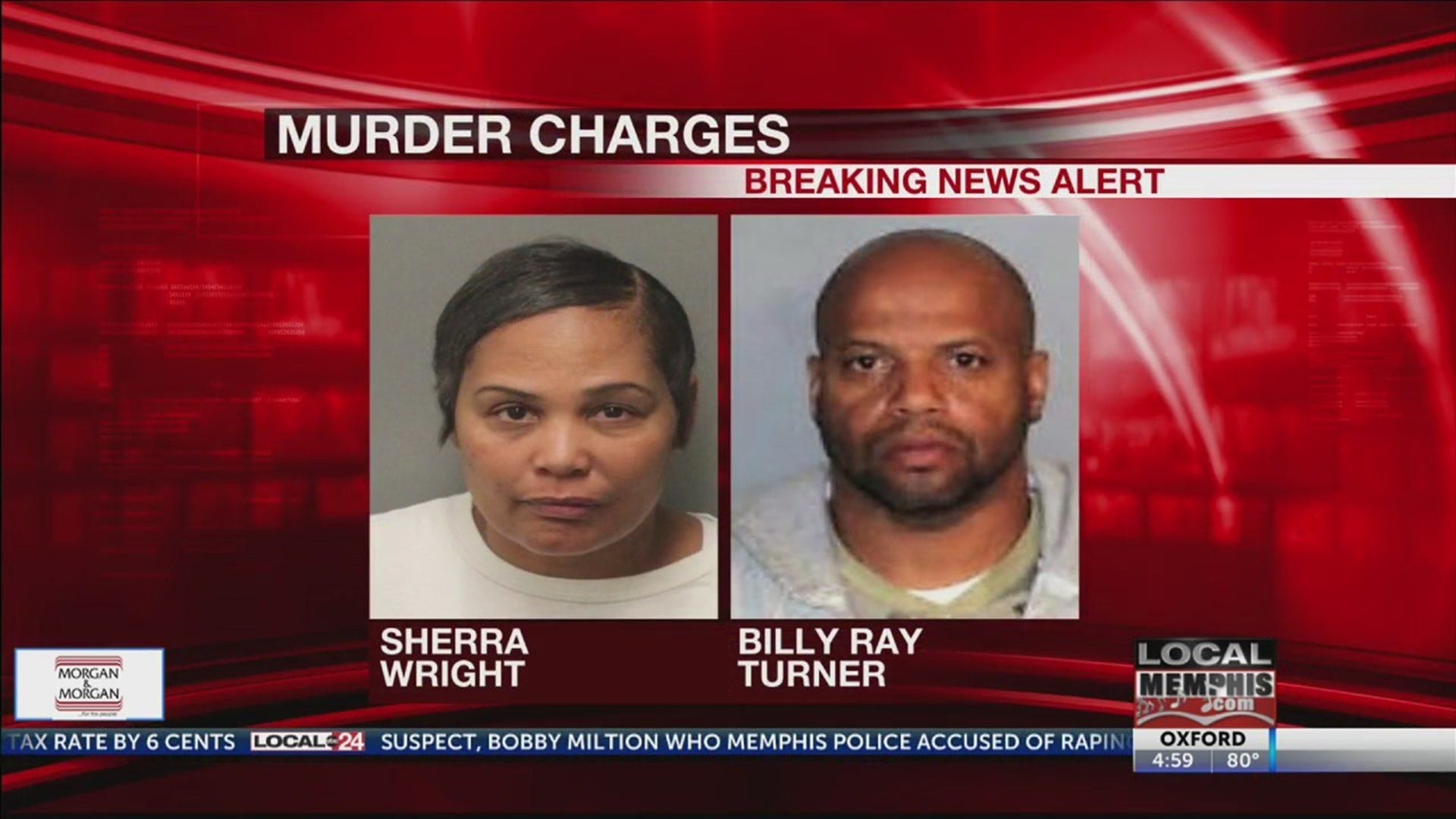
They also obtained court permission to monitor certain phone calls connected to people involved in the investigation. Slowly, the pieces of the puzzle began to come together. On December 5, 2017, police arrested Billy Ray Turner, a landscaper and church deacon from Collierville, Tennessee. He was charged with first-degree murder in connection with Wright’s death.
A Shocking Revelation
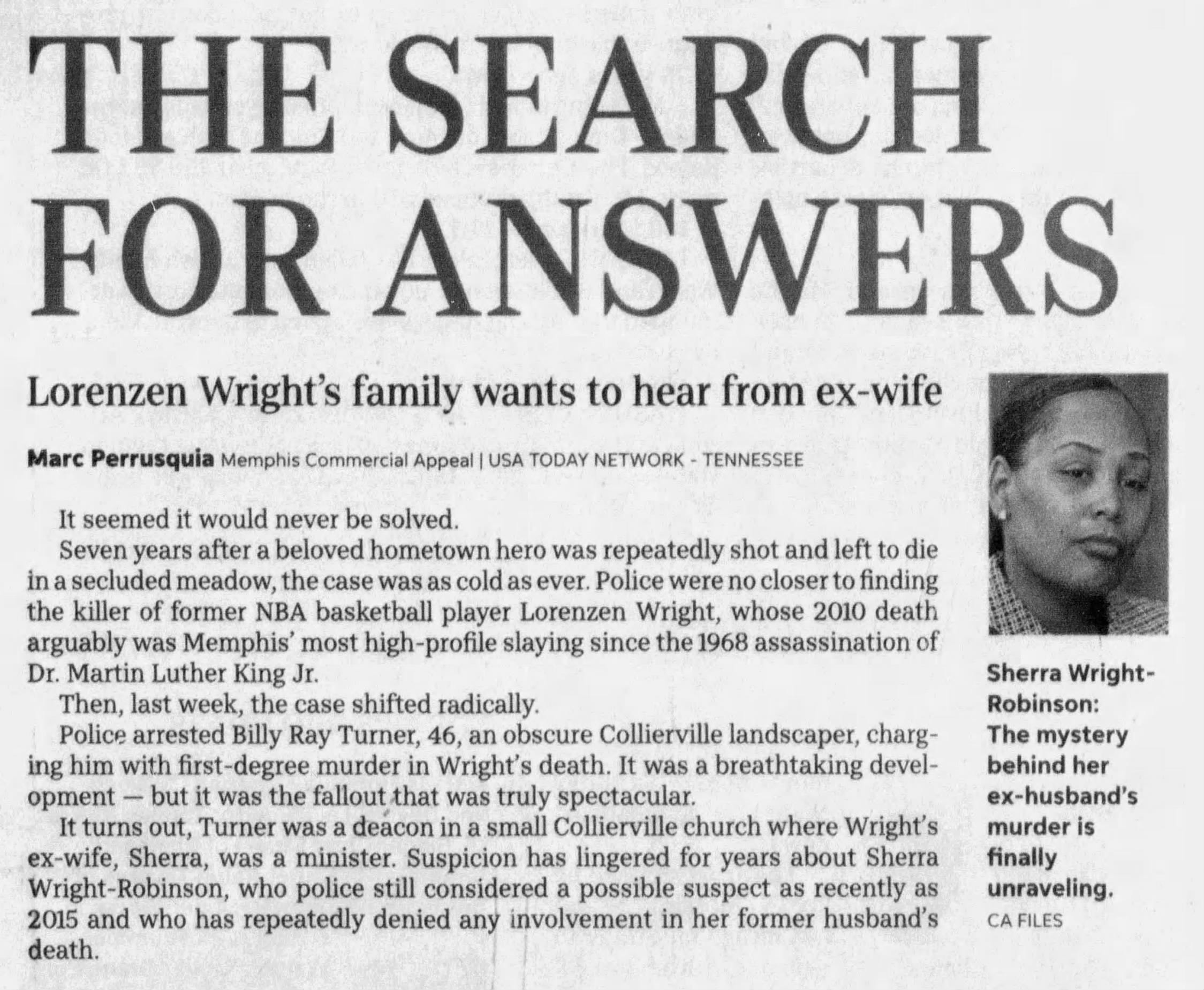
On December 15, 2017, investigators arrested another suspect who was much closer to the victim. That person was Sherra Wright-Robinson, Lorenzen Wright’s former wife. Authorities arrested Wright-Robinson in Riverside, California, and charged her with first-degree murder, conspiracy, and solicitation to commit murder, accusing her of helping plan the murder of her ex-husband.
Sherra Wright-Robinson and Billy Ray Turner had both attended the same Mount Olive Missionary Baptist church in the Collierville area, where Turner served as a deacon. According to prosecutors, the two became close over time. Witnesses later told investigators that the relationship may have been more than just friendship. Some reports suggested they were romantically involved, though Turner denied it.
Another man, Jimmie Martin, was also believed to have been involved in the plot. Martin later cooperated with investigators and helped provide information that led to the discovery of the murder weapon.
Court testimony later described how Wright may have been led to the remote field where he was killed. According to a key witness, Sherra told Lorenzen she needed to meet someone in Memphis to collect money. She allegedly asked him to come with her.
When Wright arrived at the location, he was ambushed by the attackers. Witness testimony suggested he tried to escape by jumping a fence and running across the field. During those terrifying moments, Wright managed to call 911, which captured the sound of gunshots before the line went silent.
It was alleged that money may have been a motive for the crime. Lorenzen had taken out a $1 million life insurance policy before his death. After he died, Sherra received the money because she had been named as the beneficiary. The insurance was supposed to benefit Wright’s children, but reports said the funds had been spent within a few years.
Legal Proceedings and Sentencing
On July 25, 2019, Sherra Wright appeared in a courtroom in Shelby County, Tennessee, and pleaded guilty to facilitation of first-degree murder. By accepting the plea deal, she admitted that she helped plan the events that led to Wright’s death, even though she did not personally carry out the shooting.
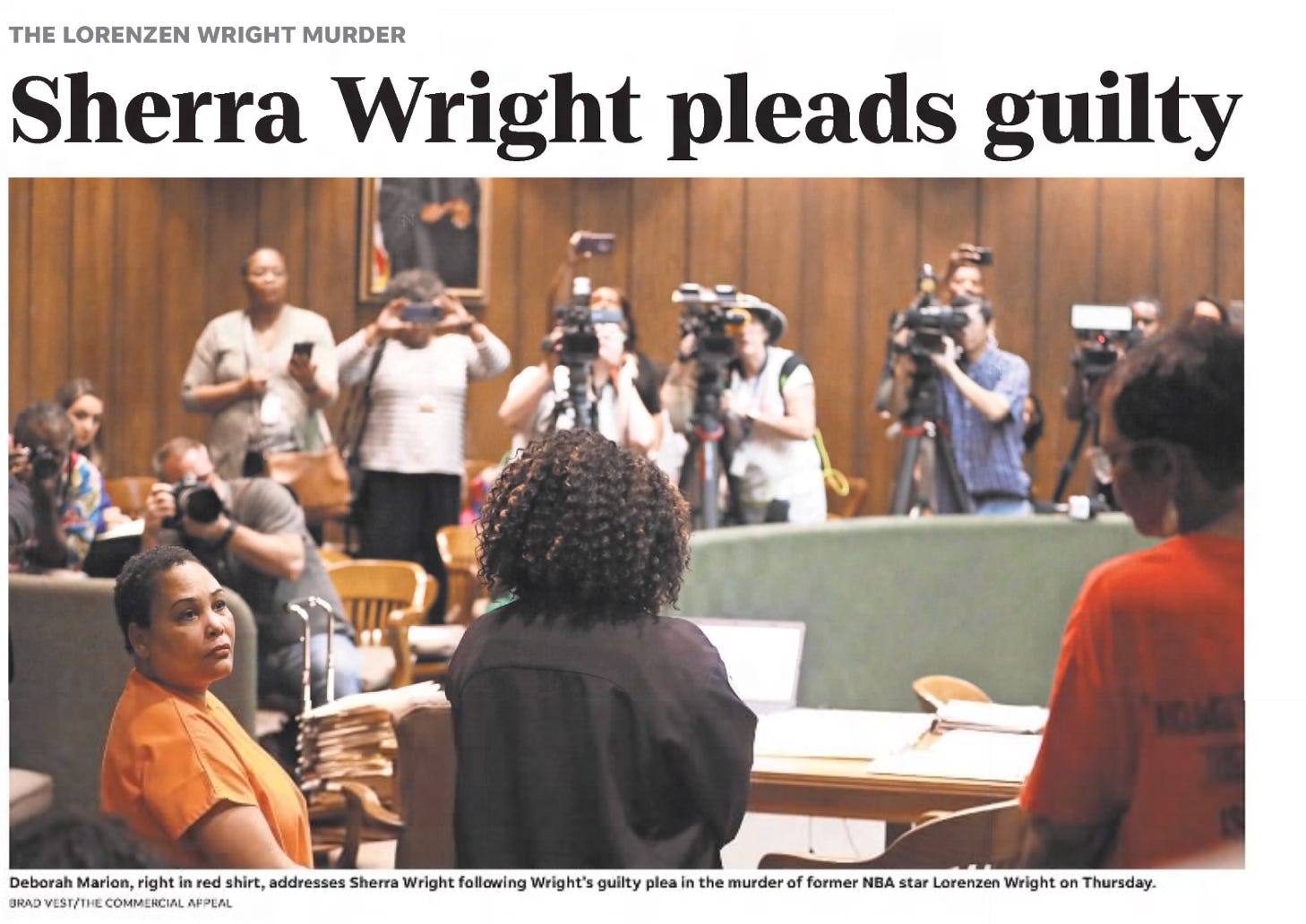
The plea agreement helped prosecutors avoid a prolonged trial. It also meant Sherra Wright-Robinson would not face the possibility of a life sentence for first-degree murder. As part of the plea agreement, Sherra Wright-Robinson was sentenced to 30 years in prison. She was denied parole in May 2022 and will next be eligible in May 2027.
Unlike Sherra Wright-Robinson, Billy Ray Turner chose not to plead guilty. Instead, he decided to fight the charges in court. Turner’s trial began in March 2022 in Shelby County. Prosecutors presented evidence collected during the investigation, including witness testimony, phone records, and details about the recovered murder weapon.
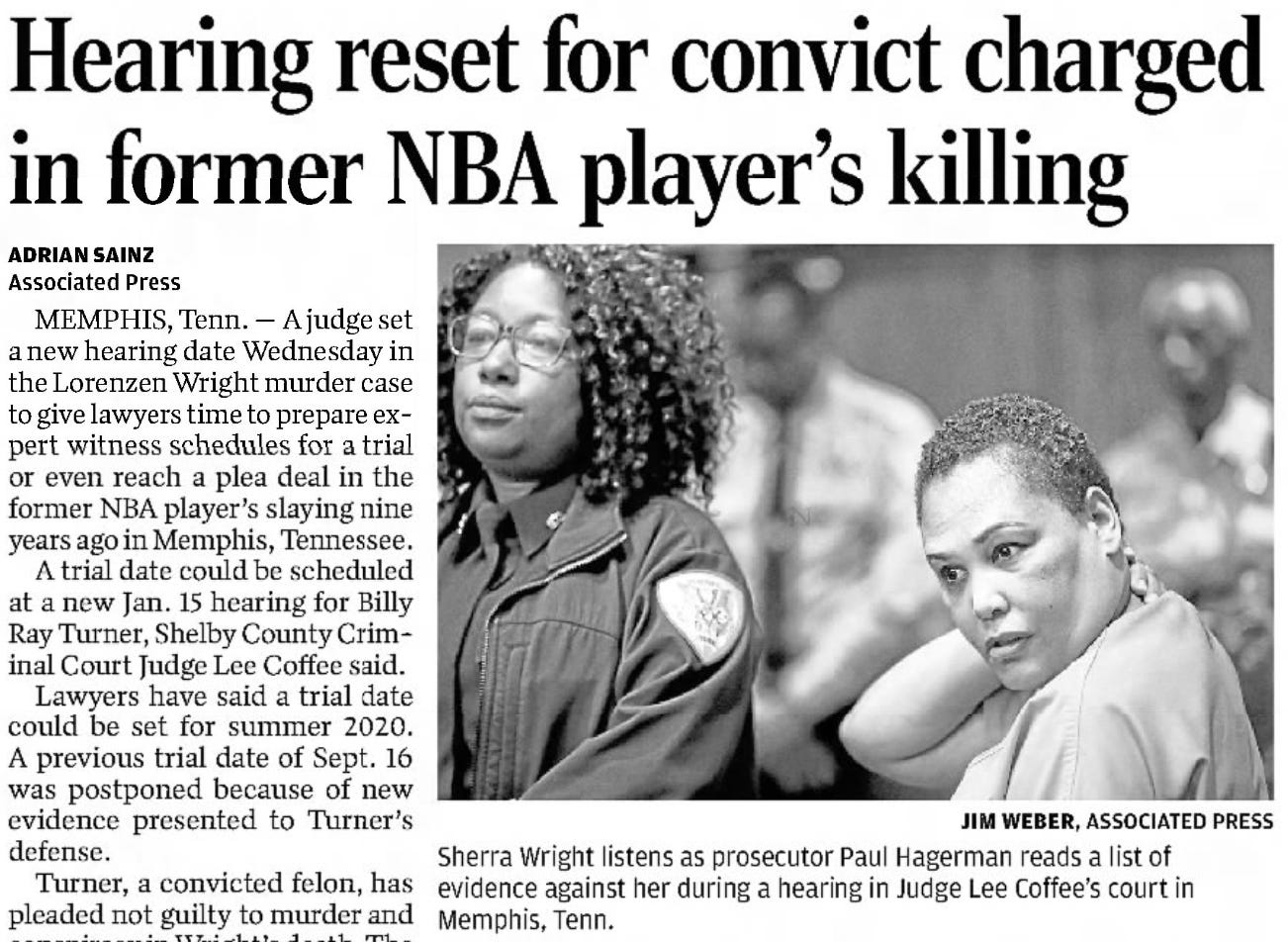
One of the key witnesses was Jimmie Martin, a cousin of Sherra Wright-Robinson. Martin testified that he helped Turner dispose of the gun used in the murder by throwing it into a lake in Mississippi. Jurors also heard the 911 call that Lorenzen Wright made during the shooting, where gunshots could be heard before the call suddenly ended.
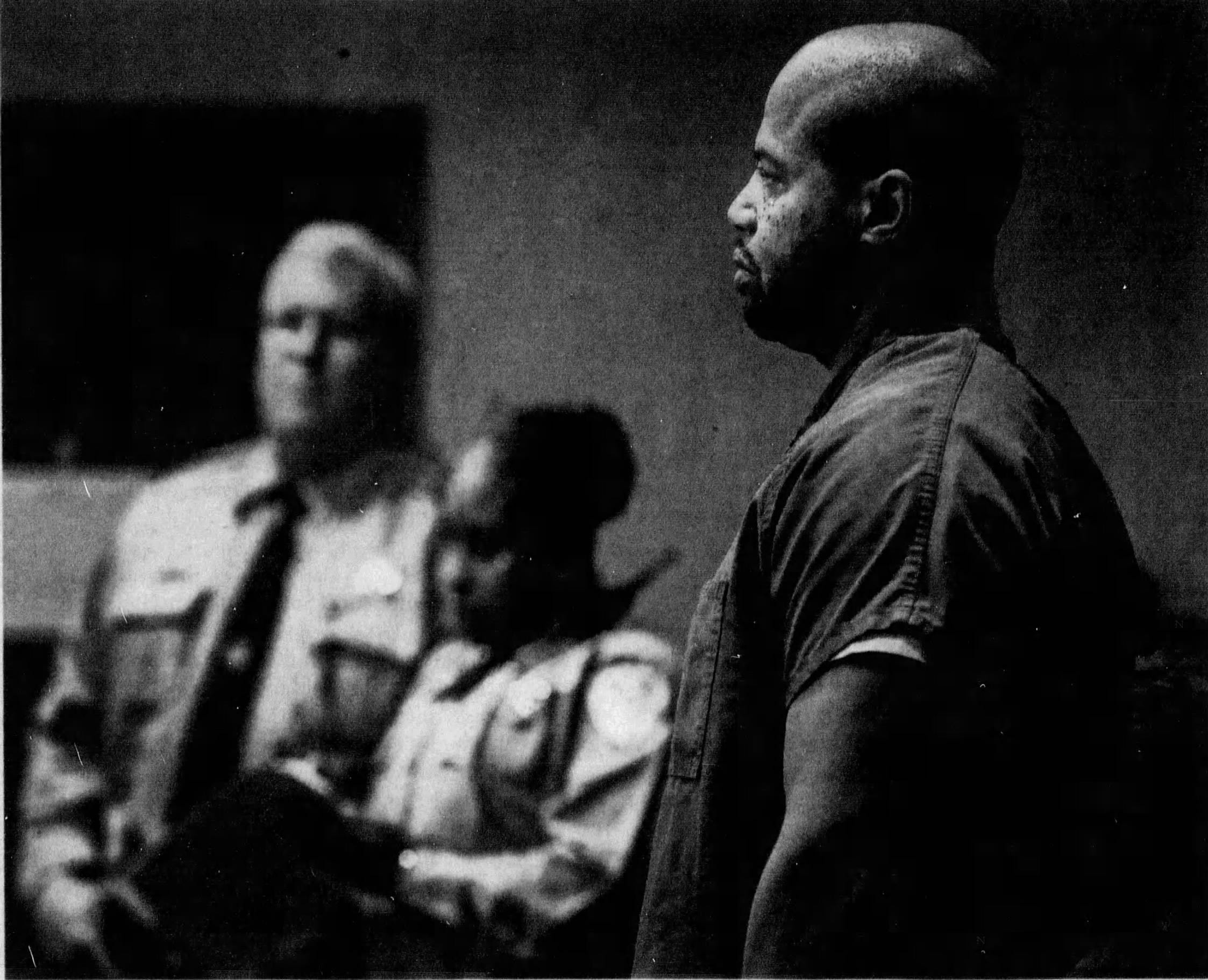
On March 21, 2022, Billy Ray Turner was found guilty of first-degree murder, attempted murder, and conspiracy to commit murder in connection with Lorenzen Wright’s death. Judge Lee Coffee then sentenced Turner to life in prison.
When the verdict was announced, Wright’s mother, Deborah Marion, expressed relief after waiting more than a decade for justice. Although nothing could bring Lorenzen back, the verdict finally delivered a sense of justice for the beloved Memphis basketball star whose life had ended in such a tragic way.
Impact and Legacy
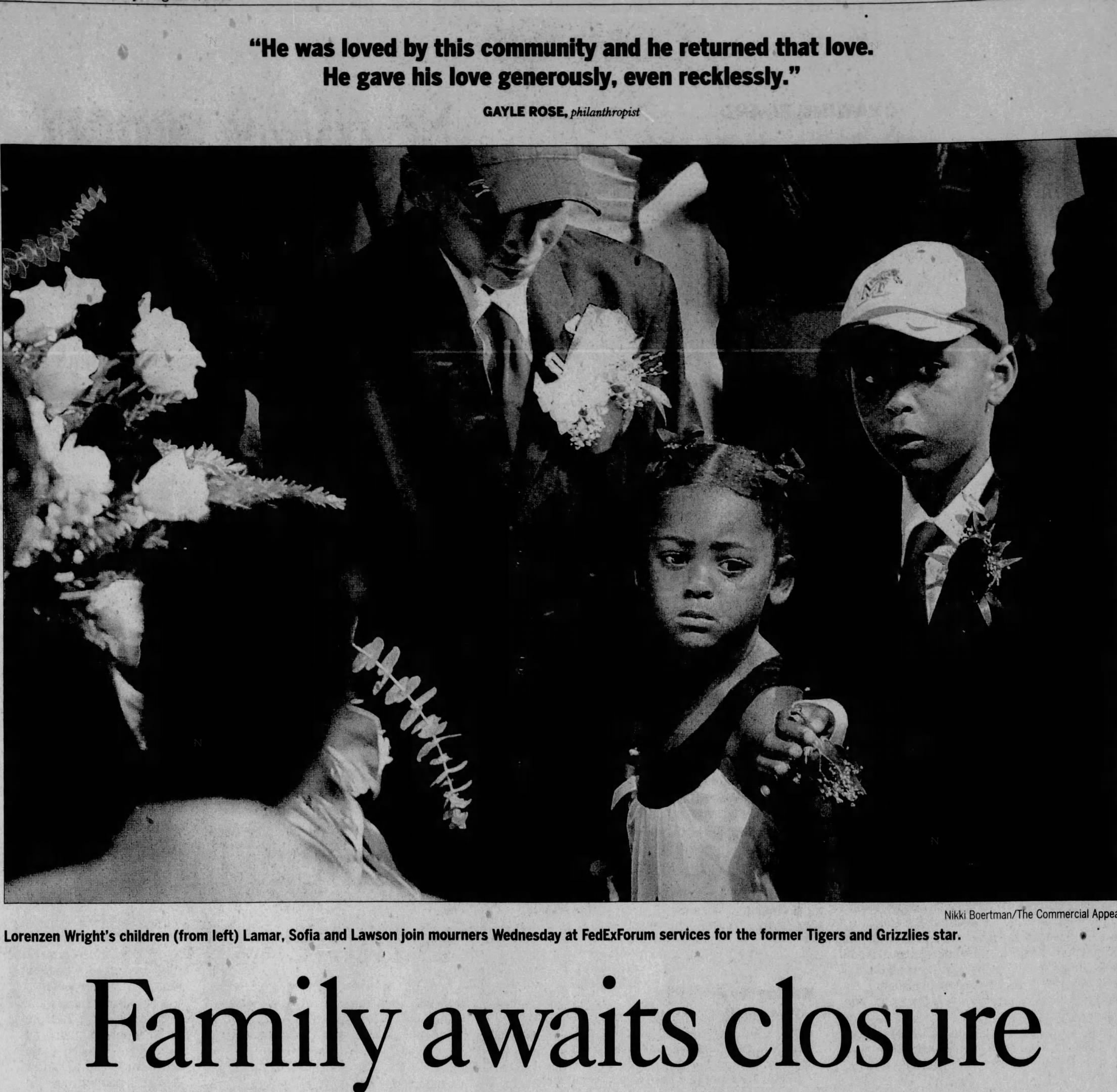
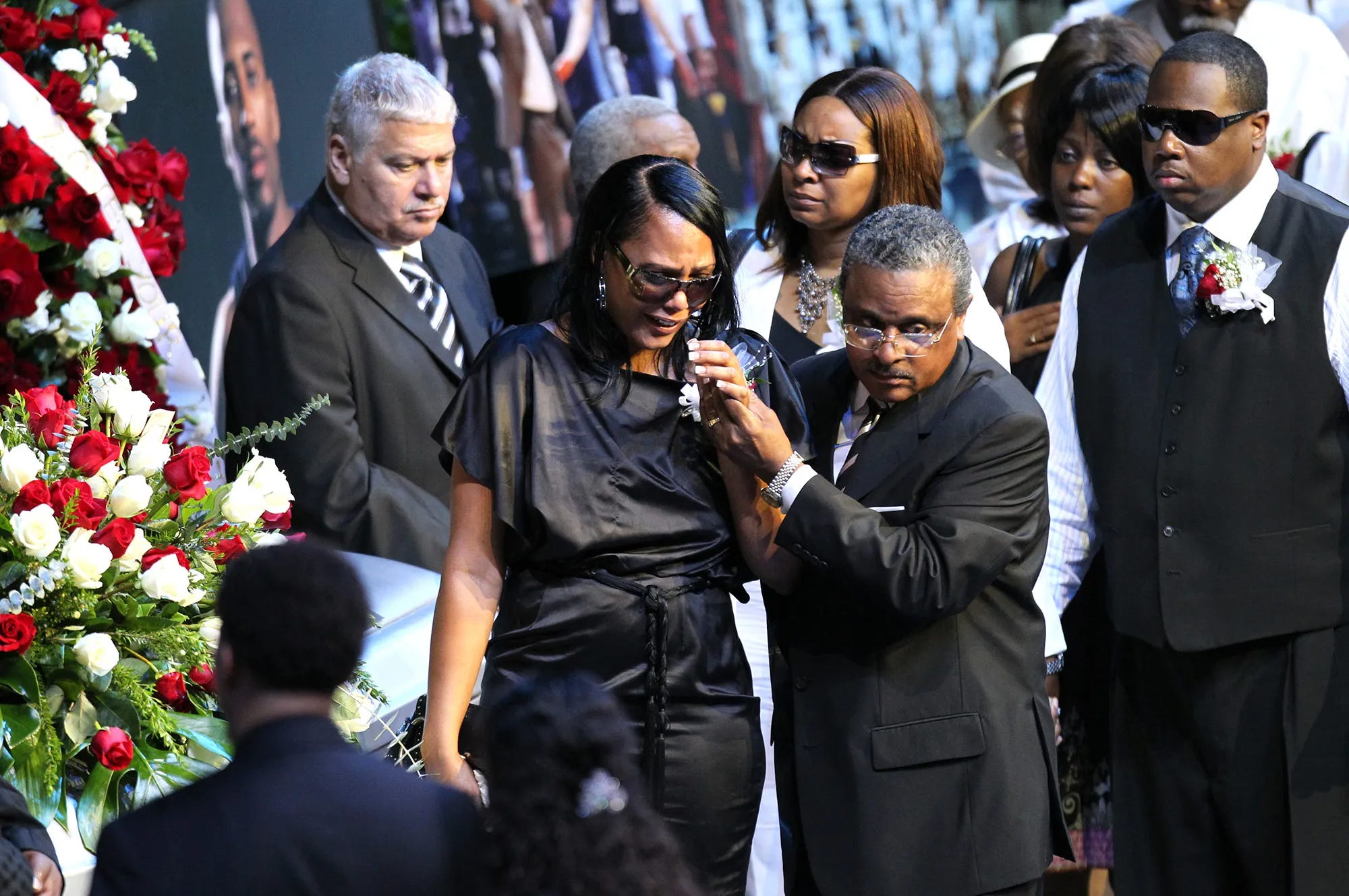
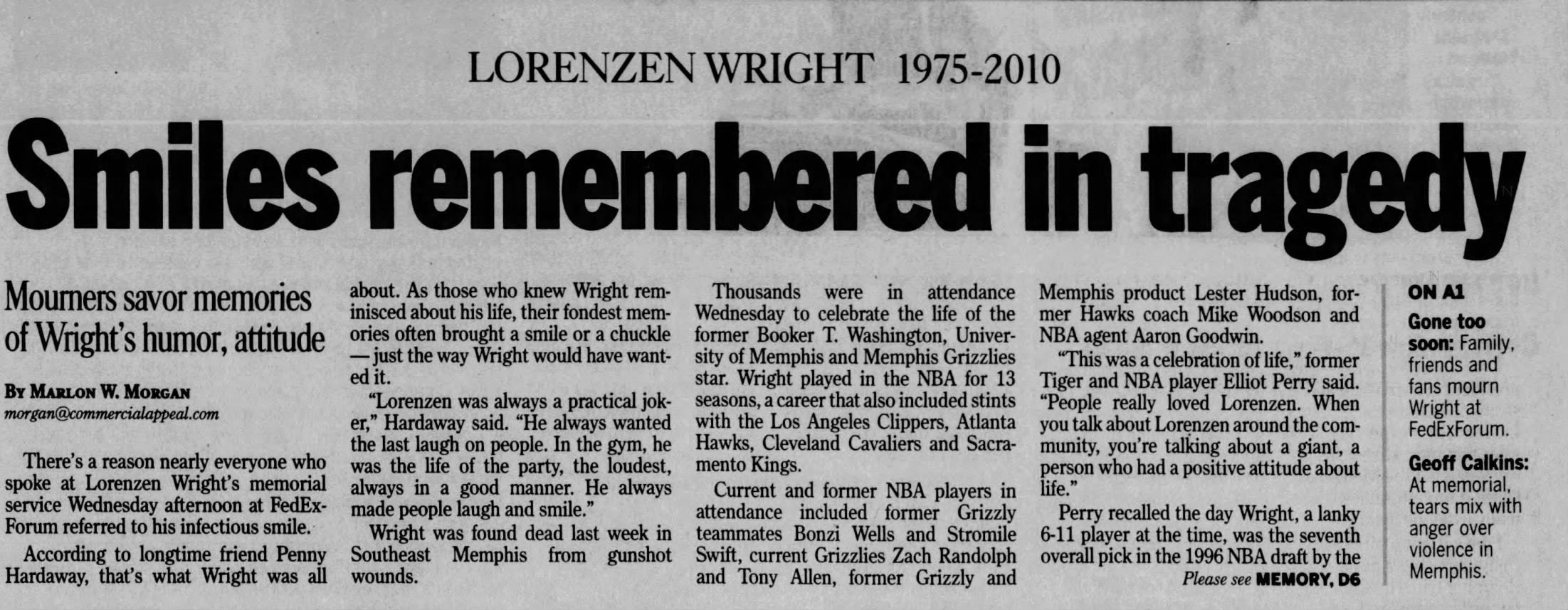
When news spread that Lorenzen Wright had been found dead on July 28, 2010, thousands of fans, friends, and fellow athletes mourned his death. Memorial services were held across the city, including a large public gathering at the FedExForum, the home arena of the Memphis Grizzlies.
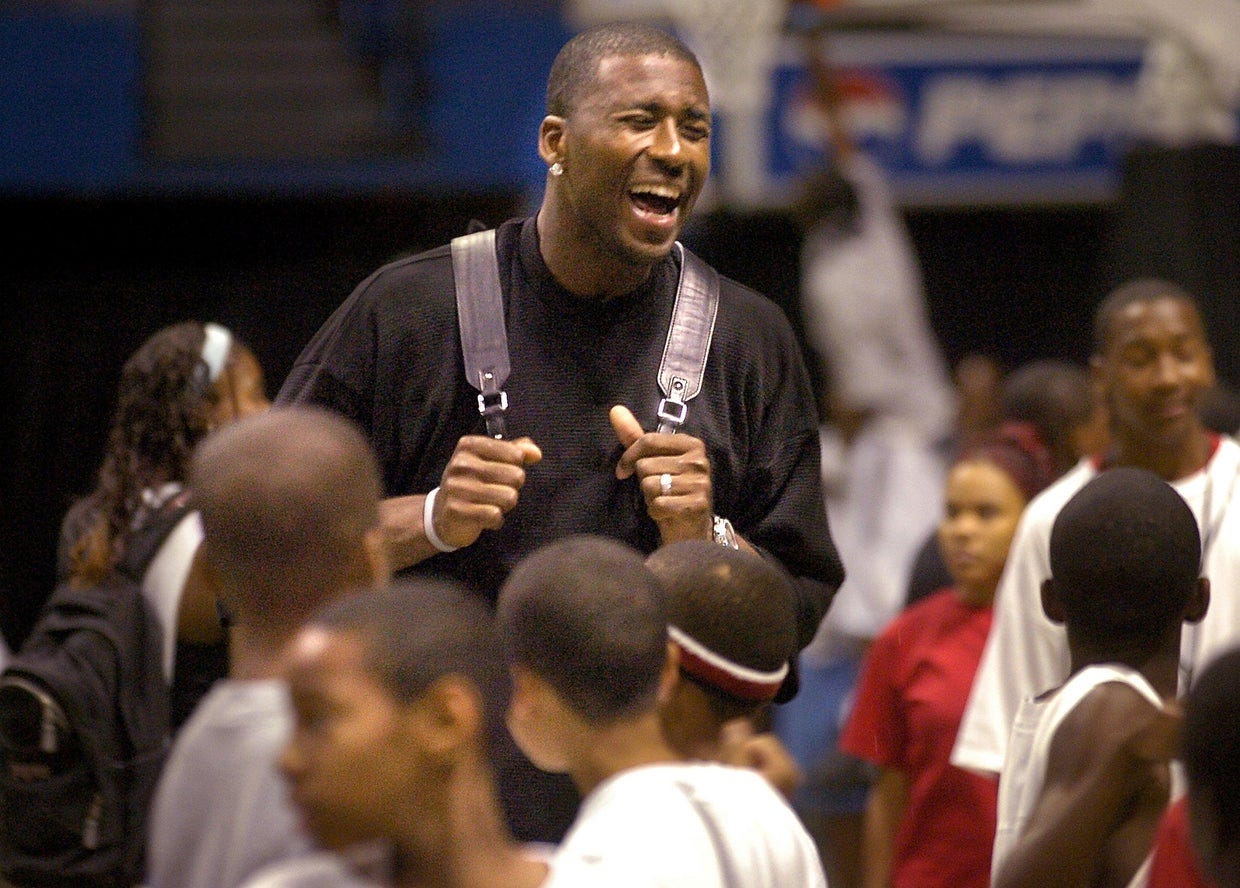
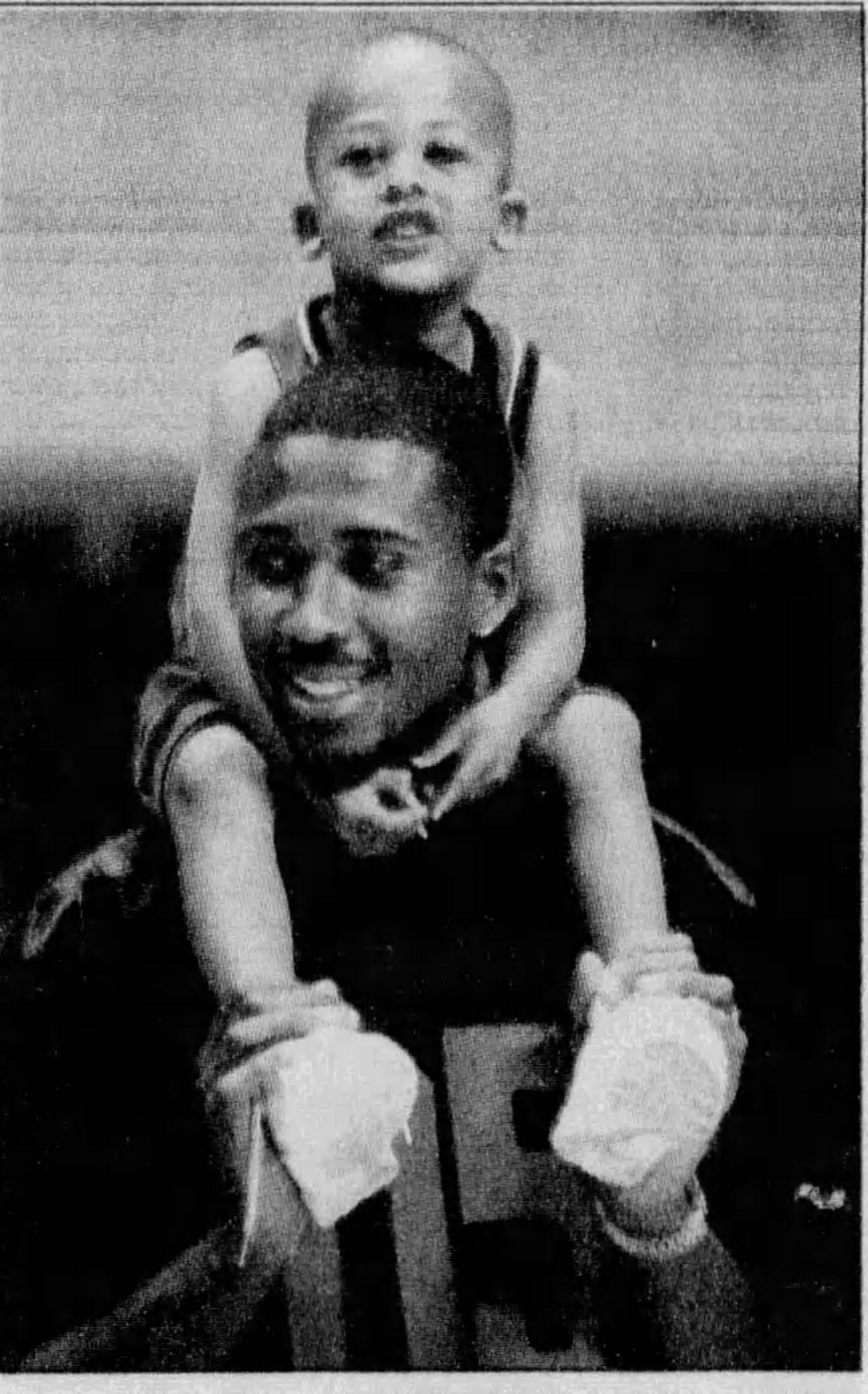
Many remembered how he had organized free youth basketball camps and often gave trophies and gifts to children who attended. Those acts of generosity helped people see him not just as a professional athlete but as someone who truly cared about the next generation.
In an effort to channel their pain into something positive, Lorenzen’s family created the Lorenzen Wright Foundation, an organization dedicated to honoring his life and continuing the kind of work he cared about. The foundation focuses on helping families who are facing difficult times, especially those dealing with loss, financial struggles, or challenges in raising children. It also supports youth programs, giving young people opportunities in sports and education.
These efforts are meant to keep Wright’s memory alive while helping the next generation build better futures. For many people, Wright’s legacy is now tied not only to basketball but also to giving back, supporting others, and staying connected to the community. Through his family, his foundation, and the people who continue to remember him, his legacy endures.
Sources:
Sederstrom, Jill. “The Shocking Murder of NBA Star Lorenzen Wright: ‘Ultimate Evil.” Oxygen, 22 March 2024, https://www.oxygen.com/dateline-unforgettable/crime-news/how-did-nba-star-lorenzen-wright-die-murder-sherra
“Ex-Wife Pleads Guilty in Slaying of NBA Star Lorenzen Wright.” CBS News, 25 July 2019, https://www.cbsnews.com/news/lorenzen-wright-death-ex-wife-sherra-wright-pleads-guilty-in-killing-of-nba-star-today-2019-07-25/
“Man Sentenced to Life for Murder of Former NBA Star Lorenzen Wright.” The Guardian, Guardian News and Media, 22 March 2022, https://www.theguardian.com/sport/2022/mar/22/man-sentenced-to-life-for-of-former-nba-star-lorenzen-wright