


*Warning: This Article Contains Sensitive Subject Matter*
Background
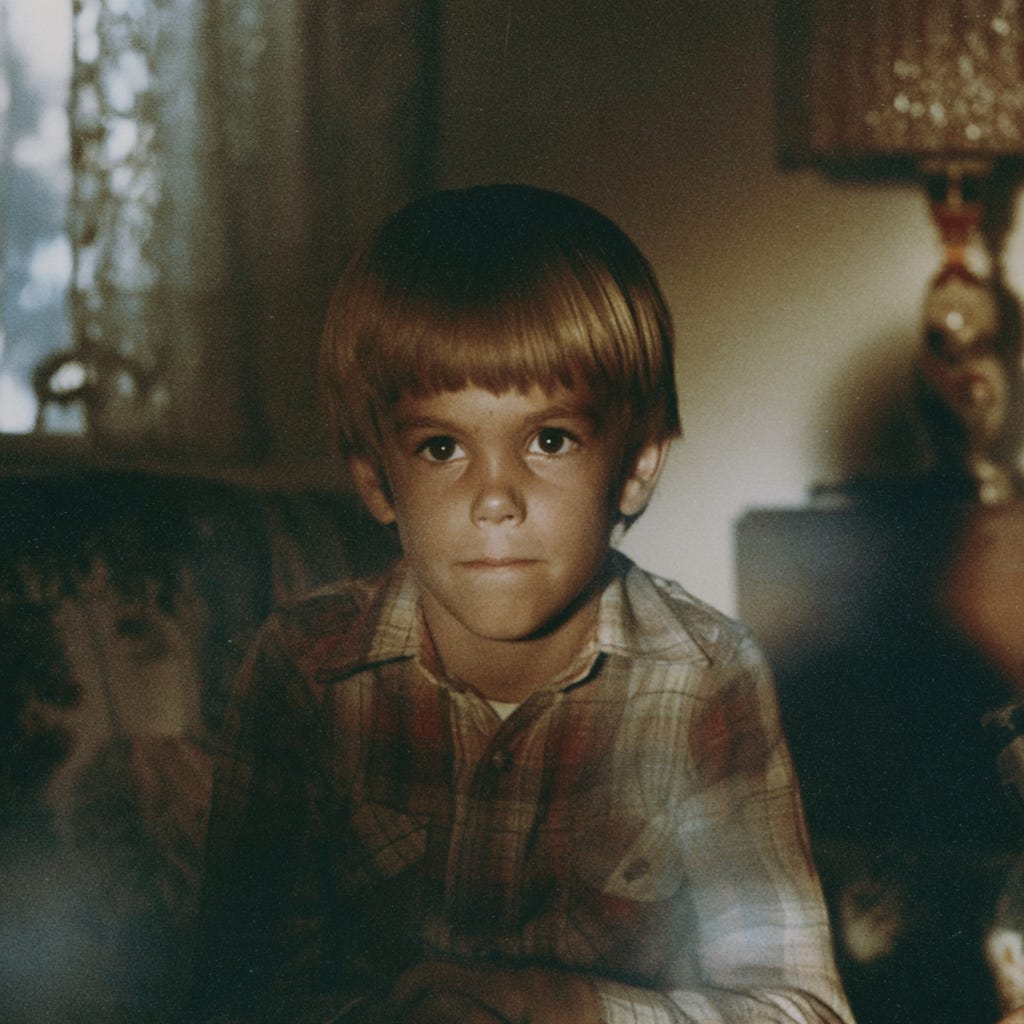
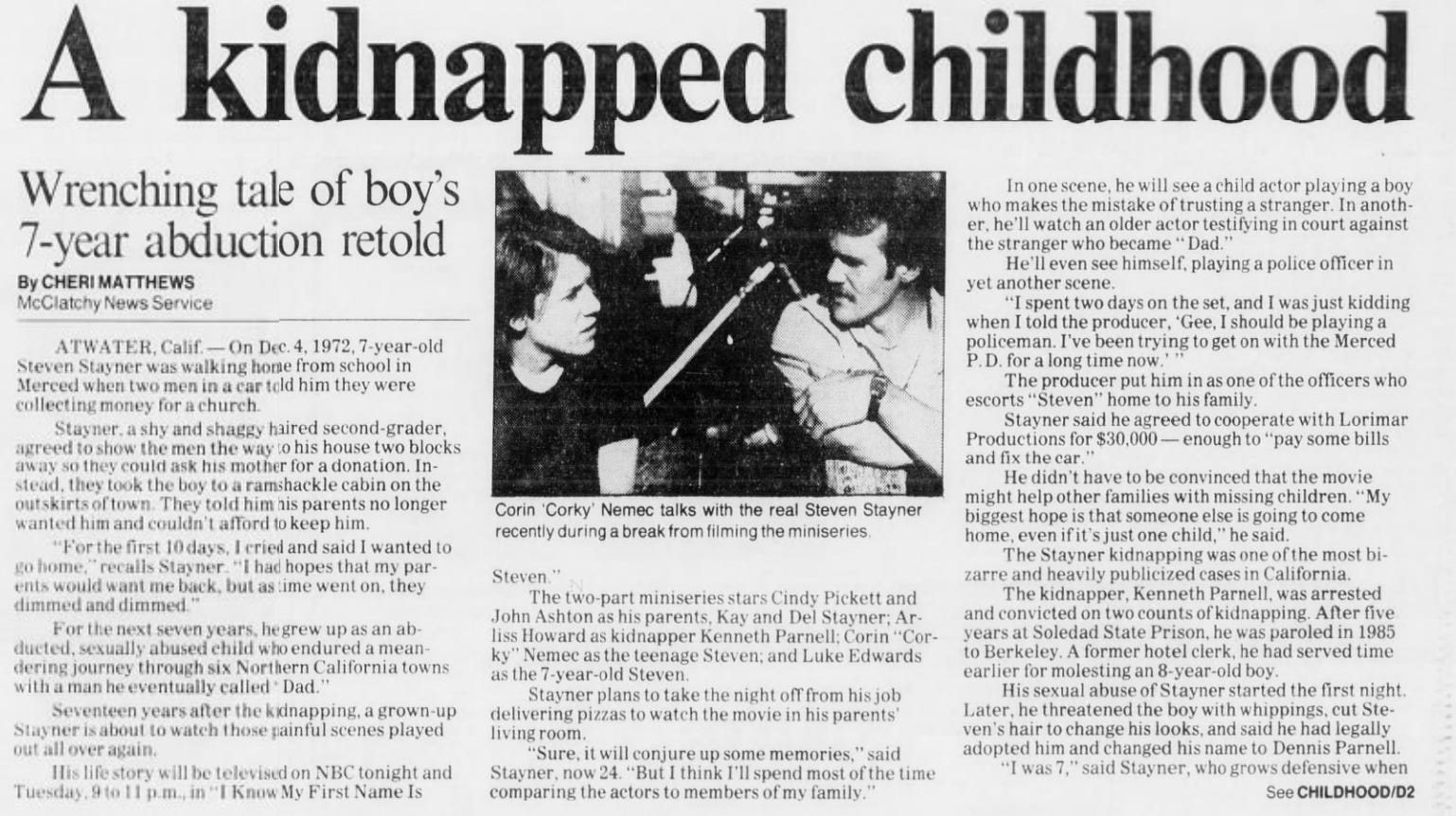
On December 4, 1972, 7-year-old Steven Stayner vanished while walking home from school in Merced, California. For more than seven years, his family searched for answers, never knowing what happened. Then, in March 1980, they were unexpectedly reunited after Steven and another boy managed to escape from their captor.1
The details of Steven’s ordeal were shocking and heartbreaking. He had been abducted and held prisoner for years by a vile, twisted predator with a long history of abusing children. Though Steven had defied the odds and escaped, the years of abuse and trauma had taken a toll and would impact the rest of his life.
Abduction of Steven Stayner
Steven Gregory Stayner was born on April 18, 1965, in Merced, California, the third of five children of Delbert and Kay Stayner. He grew up in a close-knit family with three sisters and an older brother, Cary, in a small agricultural community in California's Central Valley. By every account, he was an energetic, friendly, and trusting boy.[1]
On December 4, 1972, Steven left school and started his walk home. He never arrived. During his walk, a young man approached Steven, claiming to be a local church representative passing out religious tracts. The man said he was seeking donations and asked if Steven’s mother might be able to contribute.

The trusting 7-year-old said she might, and the man then coaxed him into a waiting vehicle. Inside was Kenneth Parnell. The men drove Steven far from Merced to a cabin near Catheys Valley, California, where Parnell began building a false world around him. He told Steven his parents could no longer afford him and had signed over legal custody. To a terrified child cut off from everyone he knew, the lies took hold. Parnell gave the boy a new name: Dennis Gregory Parnell. [1]
The abuse began almost immediately and escalated over the days that followed. Parnell sexually assaulted Steven soon after taking him and, within about two weeks, was raping him repeatedly, all the while repeating the lie that his family had abandoned him and there was nowhere else to go.
When hours passed with no sign of Steven, the Stayners reported him missing, and an urgent search began. Days became weeks and weeks became months with no answers. What the family could not have known was that Steven had been taken by a sexual predator who had planned the crime carefully.
A Dangerous Predator
Kenneth Eugene Parnell was born on September 26, 1931, in Amarillo, Texas, into instability. His father was an alcoholic who abandoned the family when Parnell was six. Parnell's biographer Mike Echols later wrote that the boy was so distraught by the abandonment that he pulled four of his own teeth out with pliers. 2
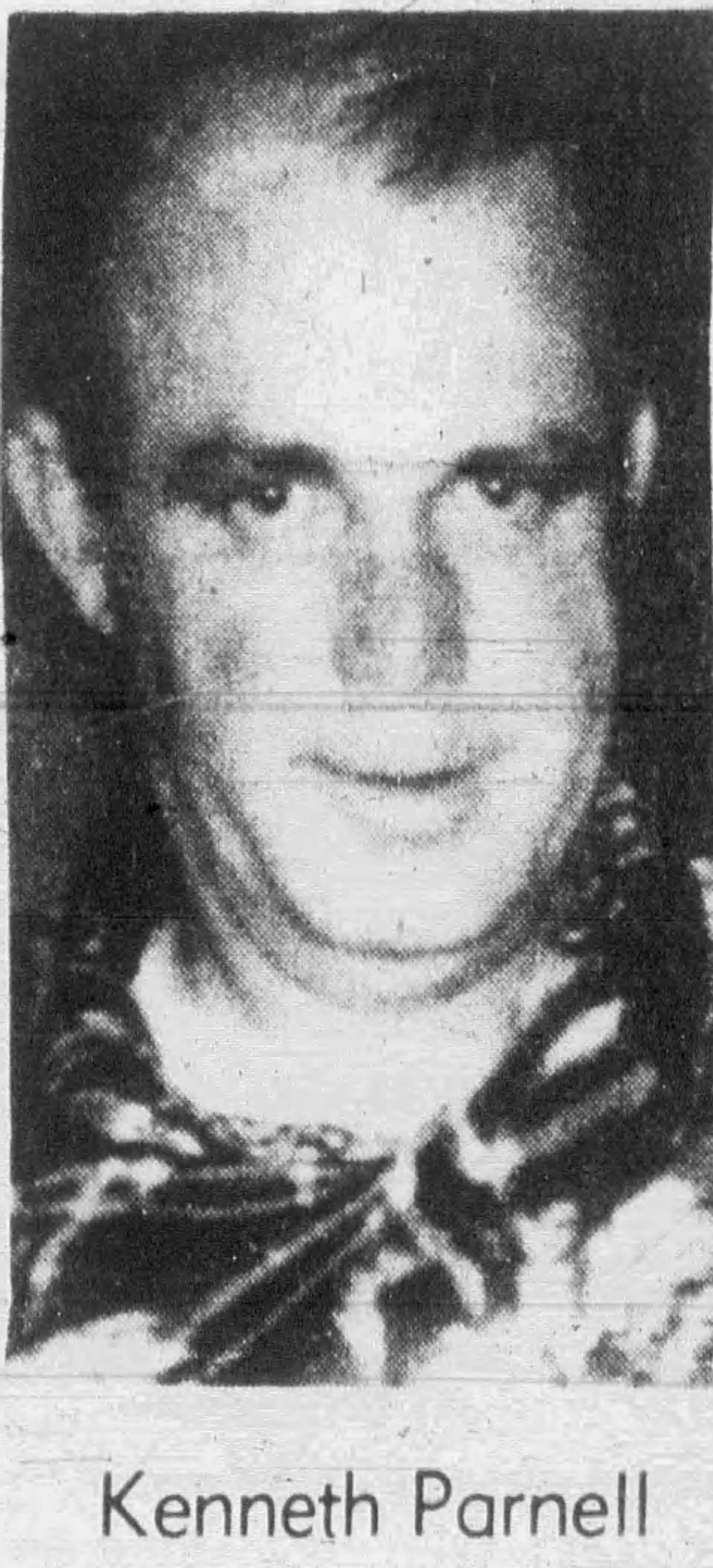
After his father left, Parnell, his mother, and his half-siblings moved to Bakersfield, California, where she ran a boarding house. At 13, Parnell was allegedly sexually abused by one of the boarders (though he would deny this in a later interview). As a youth, Parnell was arrested several times for crimes such as arson and car theft.[2]
In March 1951, at age 19, Parnell was convicted of sexually abusing an eight-year-old boy and impersonating a police officer. A court-appointed psychiatrist labeled him a "sexual psychopath," and he was sentenced to three to four years in San Quentin State Prison. Only days before the trial, his 15-year-old wife had given birth to a daughter; after the conviction, she left him, and a court order barred him from contact with the child.3
Parnell served his time, but the offenses did not stop. Over the following two decades, he cycled through various arrests and institutions, including an armed robbery conviction in Utah.
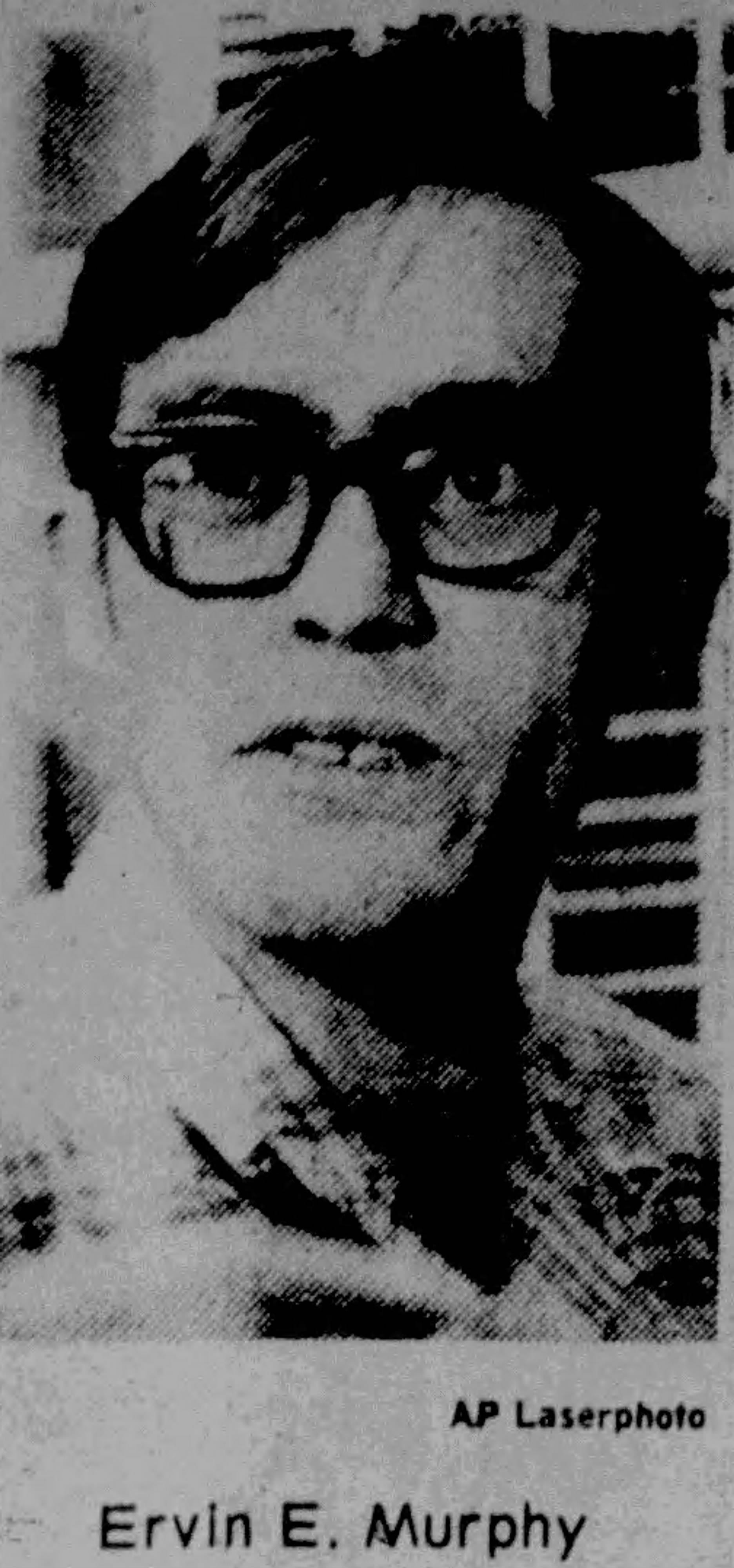
By the early 1970s, Parnell was working around Yosemite National Park, where he met Ervin Edward Murphy, a younger, more suggestible and naive man whom Parnell was able to manipulate. Parnell told Murphy he wanted to take a boy and raise him under a religious-style arrangement. Murphy later said he never grasped Parnell's true intentions, but he nonetheless helped Parnell search for a child.4
It was Murphy who first initiated contact with Steven on December 4, 1972, gaining the boy’s trust and coaxing him into the car where Kenneth Parnell was waiting.[4]
A Childhood Stolen
Unlike many abductors, Parnell did not keep his victim hidden away. He moved Steven around Northern California, posing as his father, enrolled him in local schools under the name Dennis Parnell, and even registered his real birth date, April 18, 1965. [1] To the outside world, they looked like an ordinary father and son. But behind this facade was a kidnapped and abused child.[1]
Parnell also allowed Steven unusual freedoms for a boy his age, letting him smoke marijuana and drink while still just a child. These privileges made Steven feel older and more mature, even as they bound him more tightly to the life Parnell had built. Those distorted years would shape Steven long after his escape.[1]
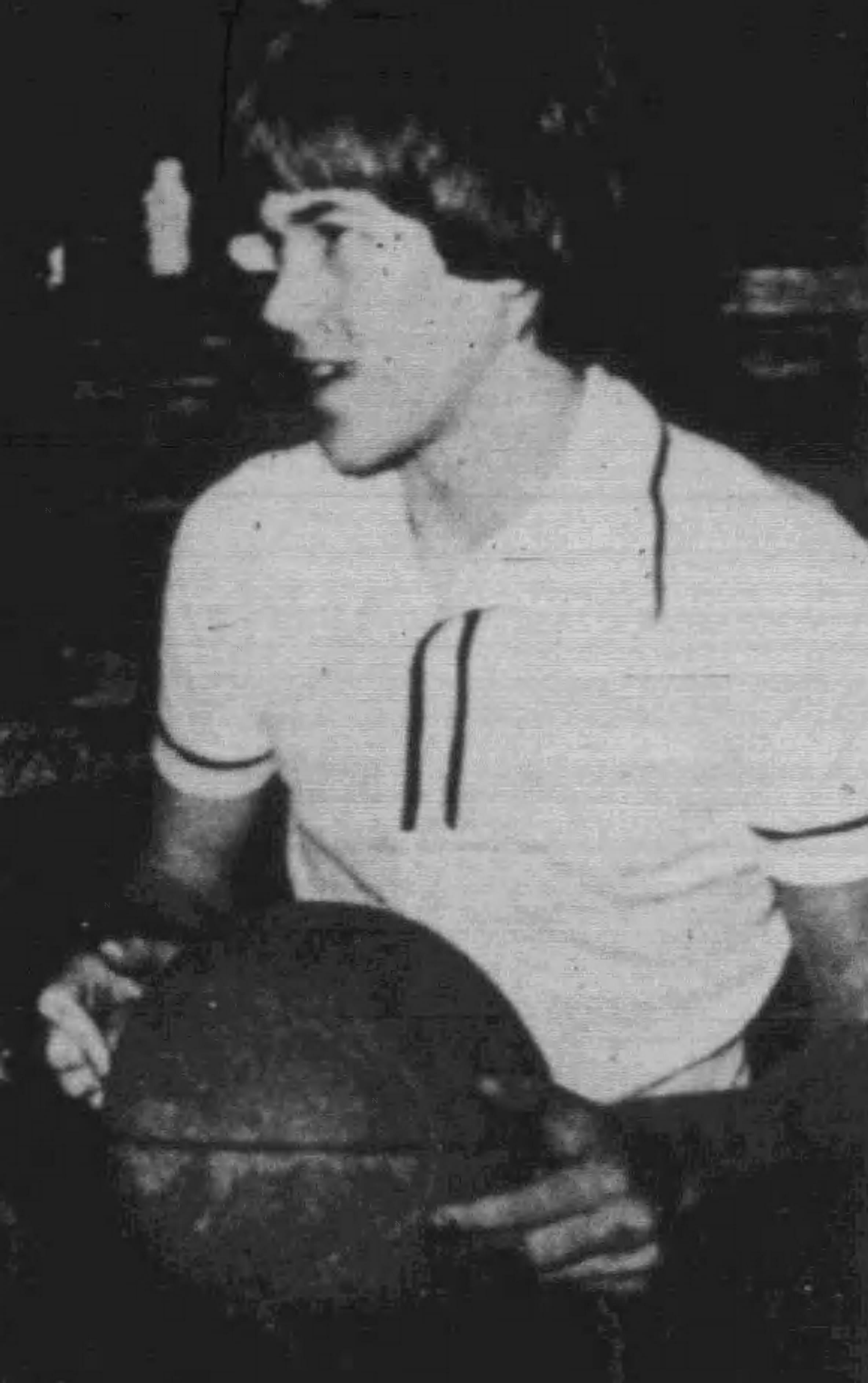
One unexpected comfort in those years was a dog named Queenie, given to Steven by Parnell. The dog had come from Parnell's own mother, who had no idea a captive child was living under her son's control. In a childhood stripped of nearly everything familiar, Queenie was one of Steven's few sources of companionship.[1]
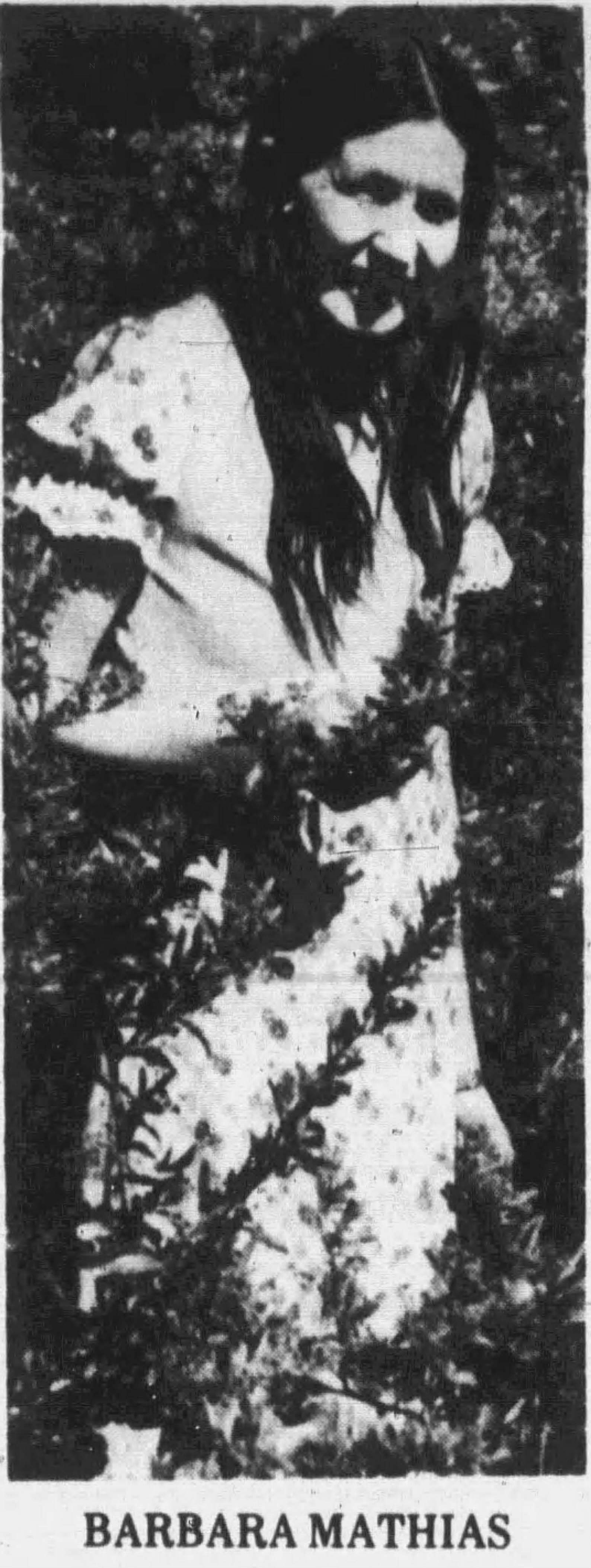
For roughly eighteen months, Parnell lived with a girlfriend, Barbara Mathias, who became part of the household in which Steven was held. By Steven's later account, Mathias took part in the abuse, and he said that at nine years old he was assaulted by both Parnell and Mathias.5
In 1975, on Parnell's instruction, Mathias tried to lure another boy from the Santa Rosa Boys' Club. The attempt failed. Mathias later claimed she never knew "Dennis" had been kidnapped. [5] Parnell also tried to use Steven to gain other children's trust. Steven later said he intentionally sabotaged these attempts because he did not want to see another child face the same trauma that he had endured.[1]
Kidnapping of Timothy White
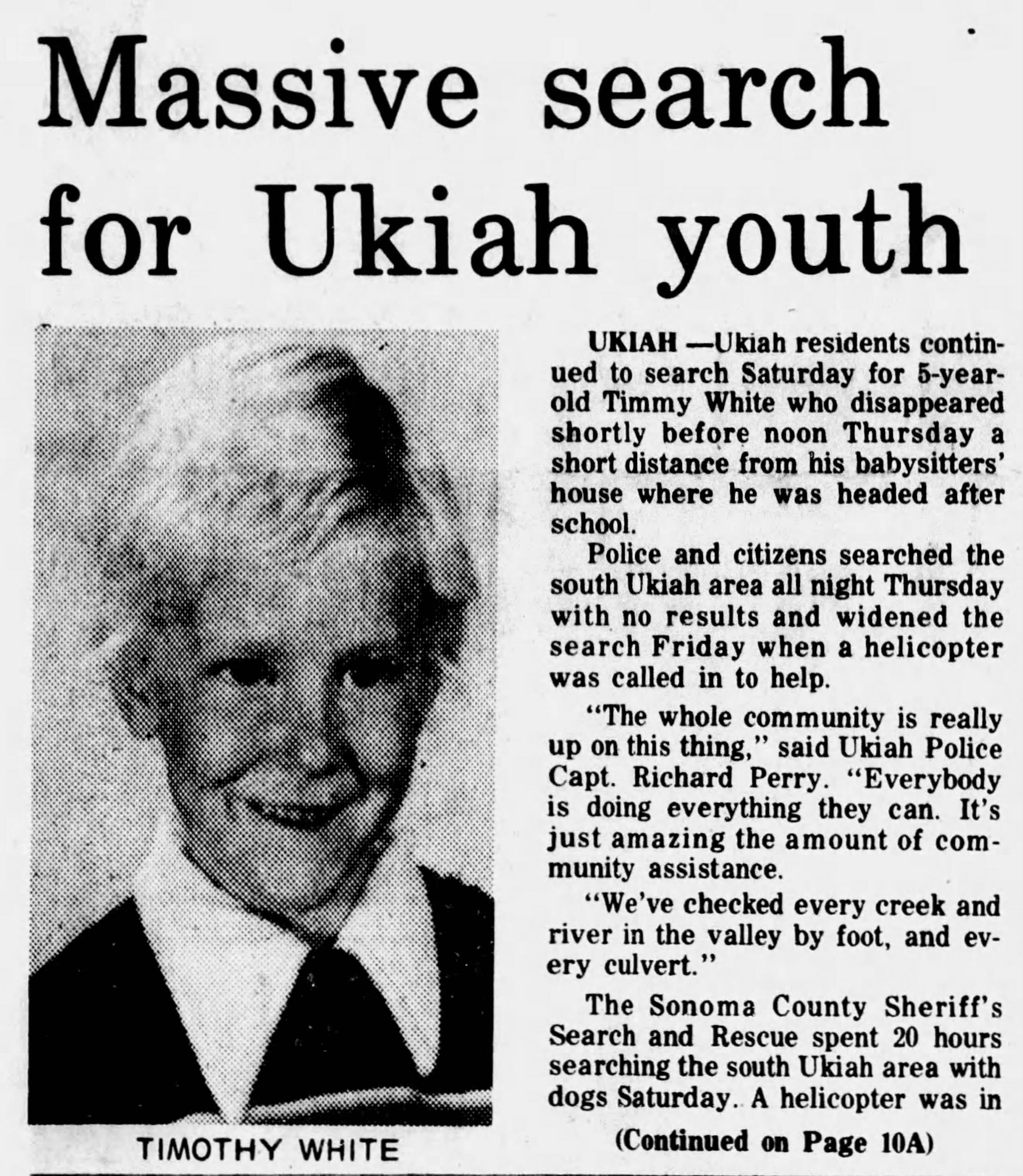
By early 1980, Steven Stayner was fourteen and understood the truth: Kenneth Parnell had lied to him. His parents had never abandoned him. Then, on February 14, 1980, Parnell and an acquaintance of Steven's, Randall "Sean" Poorman, kidnapped five-year-old Timothy White in Ukiah, California. Parnell dyed the boy's blond hair darker to disguise him, intending to repeat what he had done to Steven years earlier.6
But Steven was no longer the frightened 7-year-old who had vanished from Merced. In White's situation, he recognized his own, and he knew exactly what lay ahead for the boy if no one stepped in.
Escape
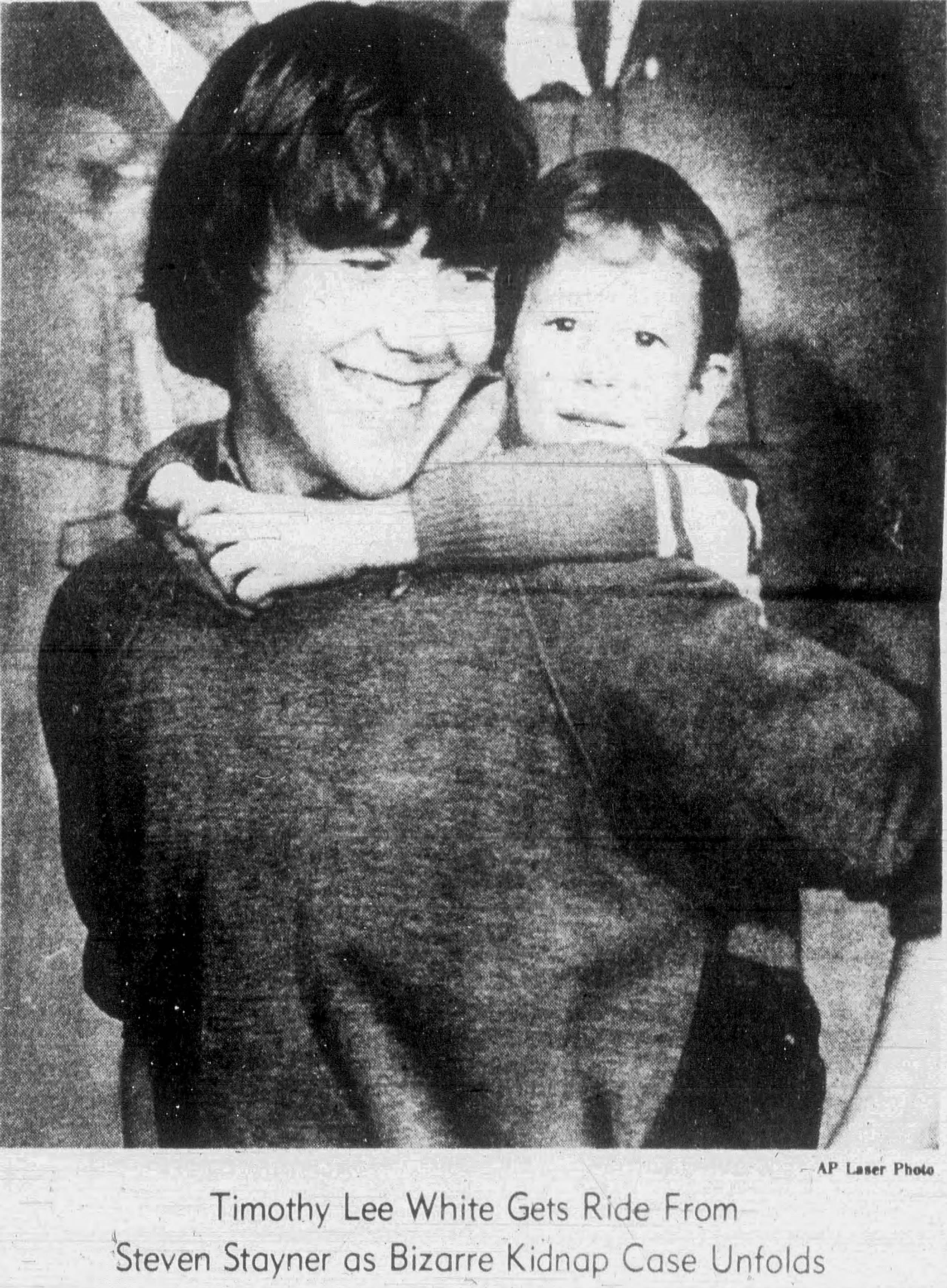
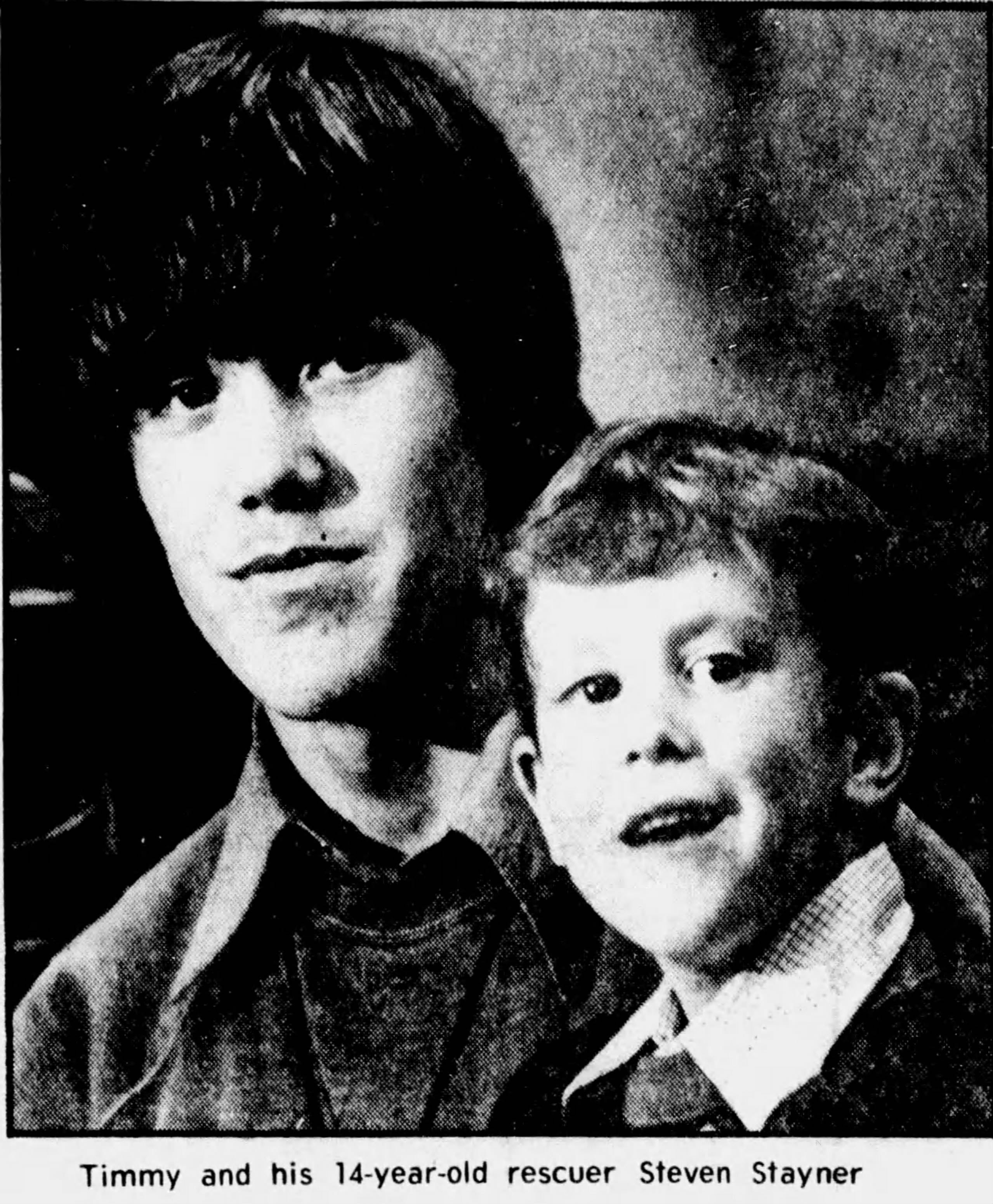
On March 1, 1980, after Parnell went to his job as a night-shift security guard, Steven took Timothy and left. The two boys hitchhiked roughly twenty-four miles through the dark, eventually making their way to the Ukiah police station in Mendocino County. [6] Steven told officers his harrowing story as well as his real identity.[1]
His bravery had prevented another child from suffering the same abuse that he had endured. Reflecting on his escape in a 1984 Newsweek interview, he stated, “I couldn’t see Timmy suffer; it was my do-or-die chance.”7
Before he even got to see his family, he was already being interviewed by the news media. His emotional reunion with his parents was captured live on camera. Many more interviews followed as Steven’s amazing story became highly publicized national news.
Investigation
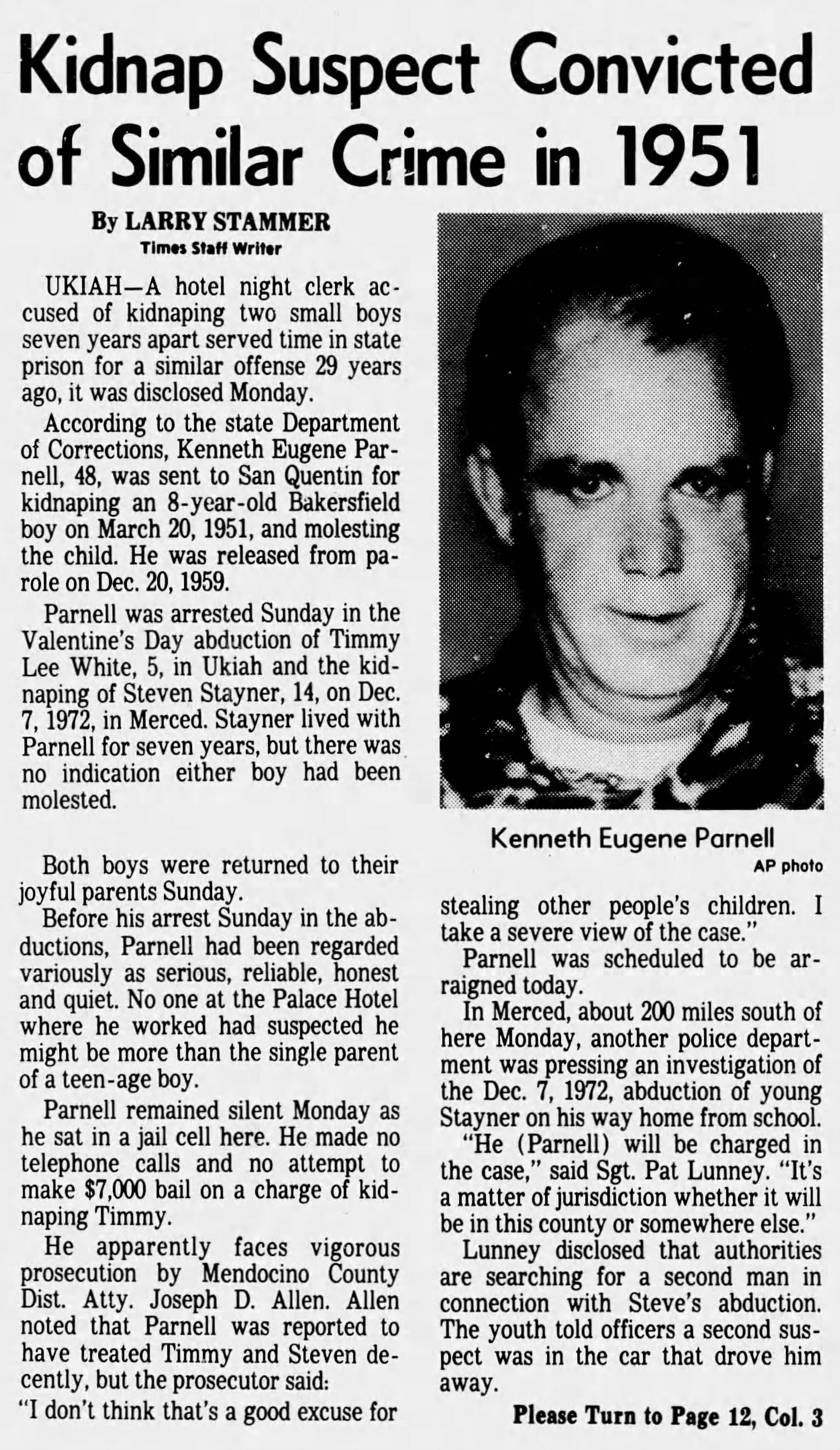
On March 2, 1980 — one day after the escape — Kenneth Parnell was arrested.[1] As detectives looked into Parnell’s past, they found a man with a long history of targeting children, including his 1951 arrest and subsequent conviction. However, despite the horrific nature of his crimes and the obvious danger he posed, the Mendocino County prosecutors elected not to prosecute Parnell for the sexual assaults that occurred within their jurisdiction.
Many of the other assaults were not charged either, as they occurred outside Mendocino County or were outside the statute of limitations. This stunning decision became part of the case's lasting controversy.[3]
Trial and Conviction of Kenneth Parnell
Kenneth Parnell was tried for the kidnappings of Steven Stayner and Timothy White but not for the sexual abuse. In 1981, Parnell was convicted at trial; the verdict in the Stayner kidnapping came down in December 1981.8
Parnell was sentenced to just seven years in prison and served five before being paroled in 1985.[4] To many, the sentence was a shocking disgrace that did not begin to make up for the damage he had done.
Ervin Murphy, the young man who had lured Steven into the car in 1972, was also convicted and sentenced to five years, with credit for twenty-three months already served.[4]

Lasting Damage
Steven Stayner had vanished as a seven-year-old and returned as a teenager. The reunion with his family proved to be as complicated as it was joyful. He had been raised for years under Parnell's influence, granted adult freedoms no child should have, and coming home meant learning to be a son again. He later recalled:
"I returned almost a grown man, and yet my parents saw me at first as their 7-year-old. After they stopped trying to teach me the fundamentals all over again, it got better. But why doesn't my dad hug me anymore? Everything has changed. Sometimes I blame myself. I don't know sometimes if I should have come home. Would I have been better off if I didn't?"[1]
Readjusting to life after his ordeal proved to be difficult. Steven refused to discuss the details of his abuse. His sister would later say that Steven did not seek counseling because his father said he “didn’t need any.” He was frequently bullied in school, and his relationship with his family became strained.
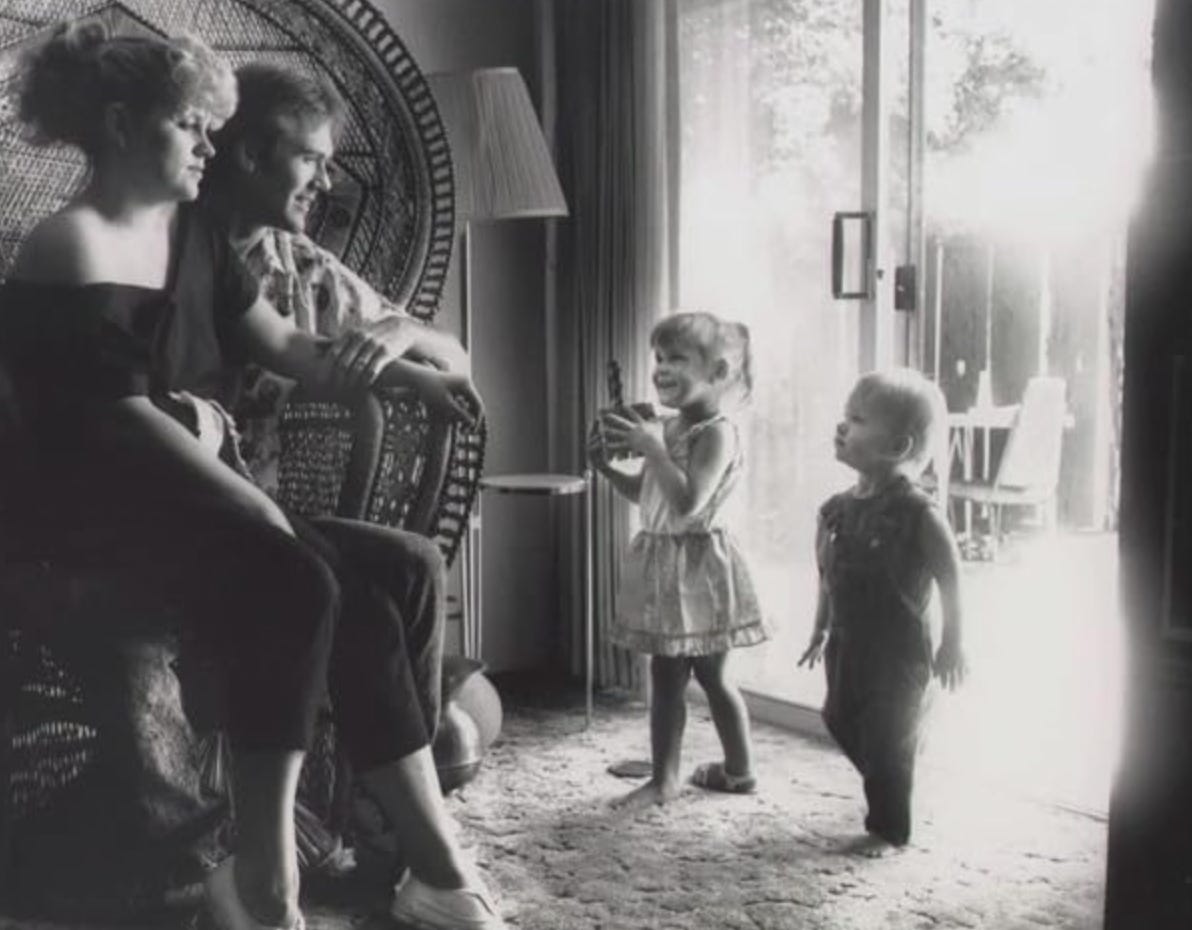
Though the world called him a hero, privately he was a young man working to understand what had happened to him. In 1985, he married Jody Edmondson, and the couple had two children, Ashley and Steven Jr.
Building a stable family mattered fiercely to a man whose own childhood had been stolen. He spoke out for missing children, and in 1989 his story reached millions through the television miniseries I Know My First Name Is Steven.[1]
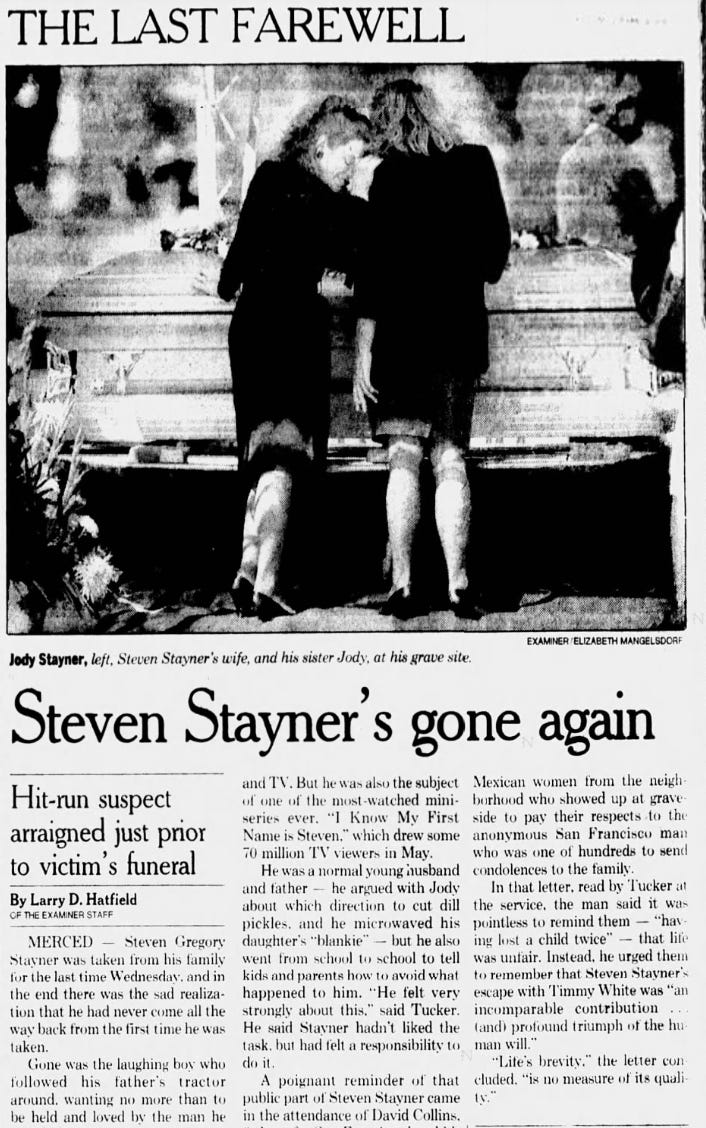
On September 16, 1989, Steven Stayner was tragically killed at the age of twenty-four in Merced, California. Riding home from his job at a pizza parlor on a rainy evening, his motorcycle was struck by a car that turned in front of him; the driver sped off, and Steven, who was not wearing a helmet, died from his injuries.9
The funeral for Steven Stayner, the brave young man who had escaped captivity nearly a decade earlier, was attended by nearly five hundred people, with 14-year-old Timothy White serving as a pallbearer.
Further Crimes and Death of Kenneth Parnell
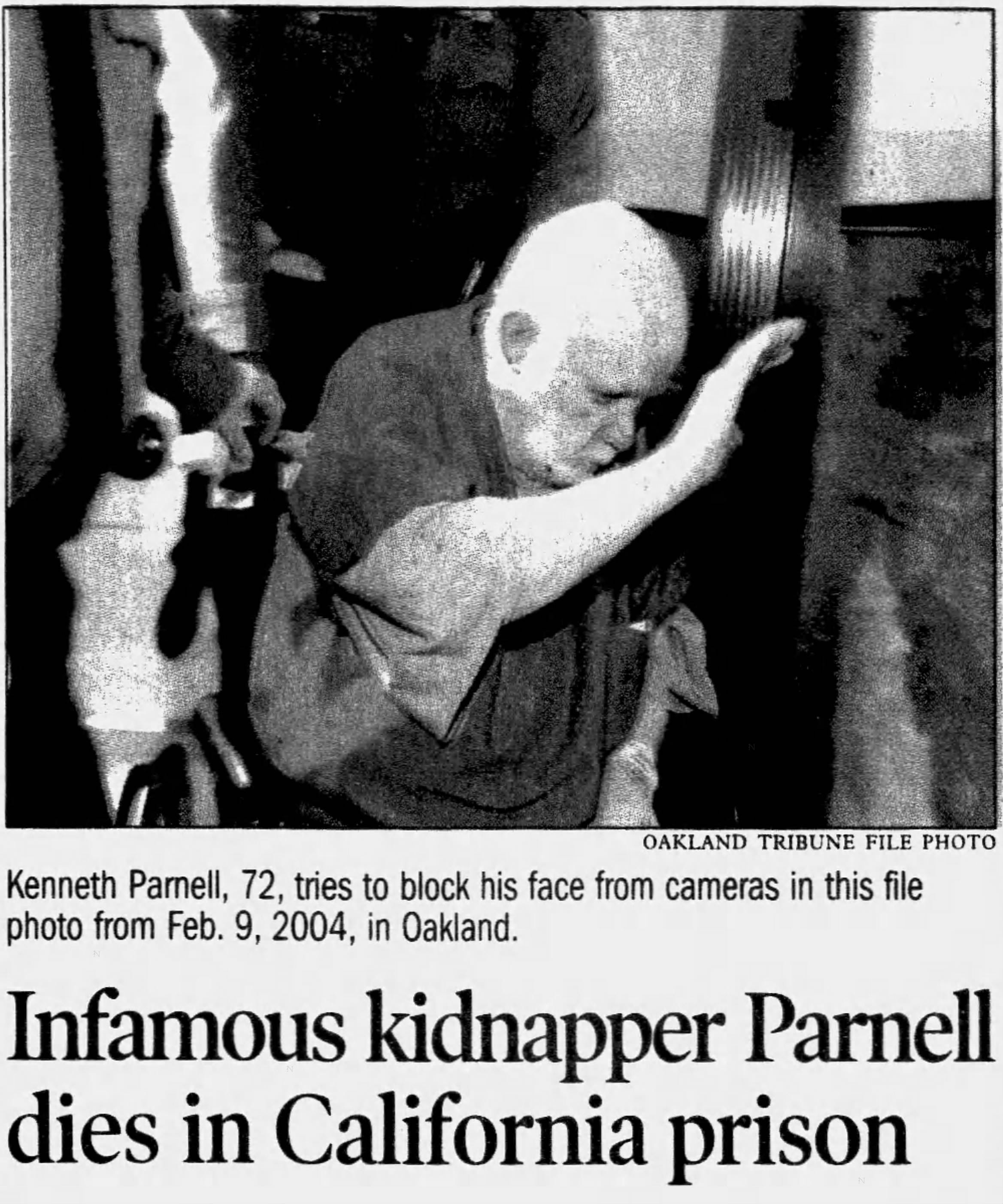
Not surprisingly, Kenneth Parnell’s inexplicably light prison sentence did not deter his predatory ways. By the early 2000s, he was living in Berkeley, California, and though wheelchair-bound and needing around-the-clock care after a stroke, diabetes, and emphysema, he was still dangerous.
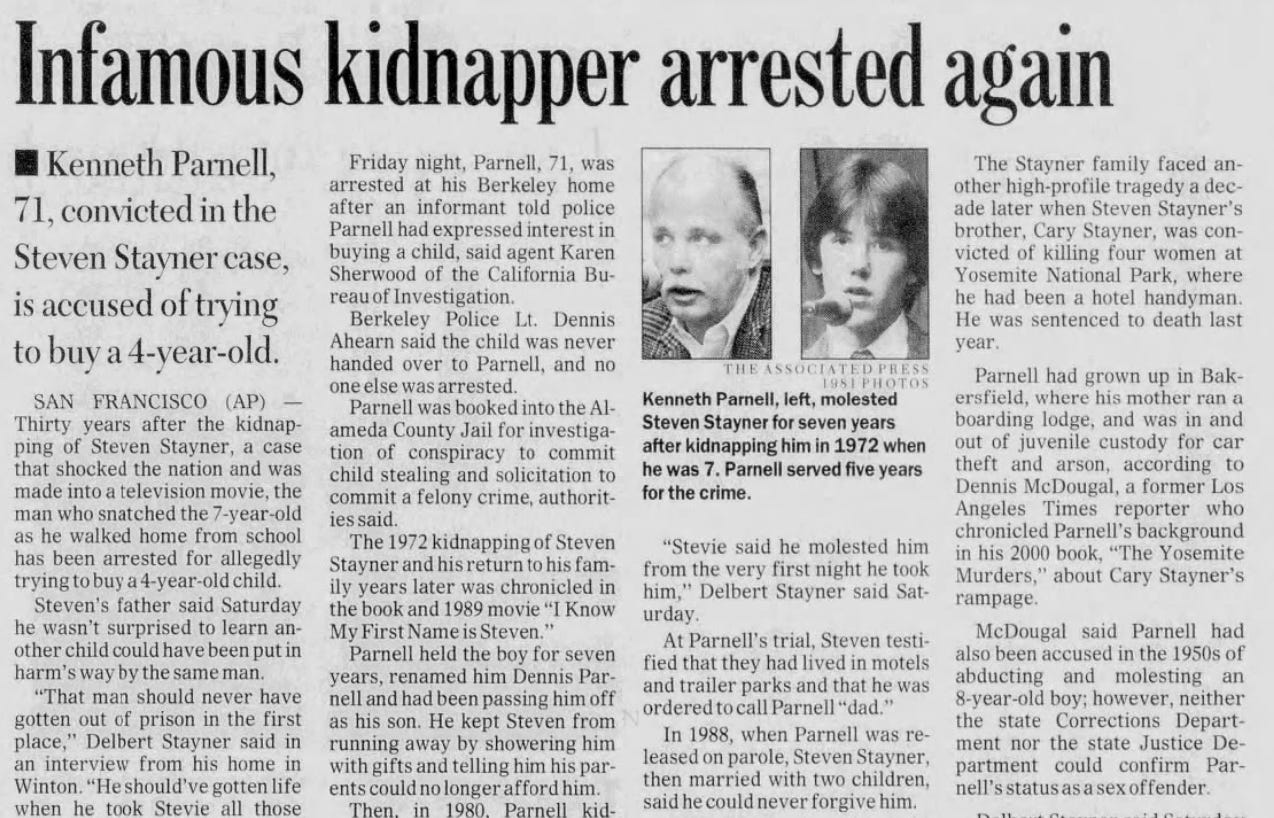
In late 2002 and early 2003, he asked his caregiver, Diane Stevens, to help him obtain a young child. Stevens, who had learned of his history, went to the police. Parnell offered $500 for a 4-year-old boy ($100 for a birth certificate and $400 upon delivery). The child (who did not exist) was part of a sting operation. Police arrested Parnell in January 2003.10
In 2004, at 72-years-old, Parnell was convicted of attempting to purchase a child and related charges and sentenced to 25 years to life under California's three-strikes law. He died on January 21, 2008, at the California Medical Facility in Vacaville, at age 76.[10]
Legacy
Steven Stayner's story remains one of the most remarkable survival cases in American criminal history. Despite his own horrific trauma and abuse, he risked everything to help save another child. Timothy White grew up to become a Los Angeles County sheriff's deputy and stayed close to the Stayner family. On April 1, 2010, Timothy White died of a pulmonary embolism at age 35.11
That August, a memorial statue was dedicated at Applegate Park in Merced, depicting a teenage Steven leading young Timothy White by the hand, a moment that changed both their lives.[1]
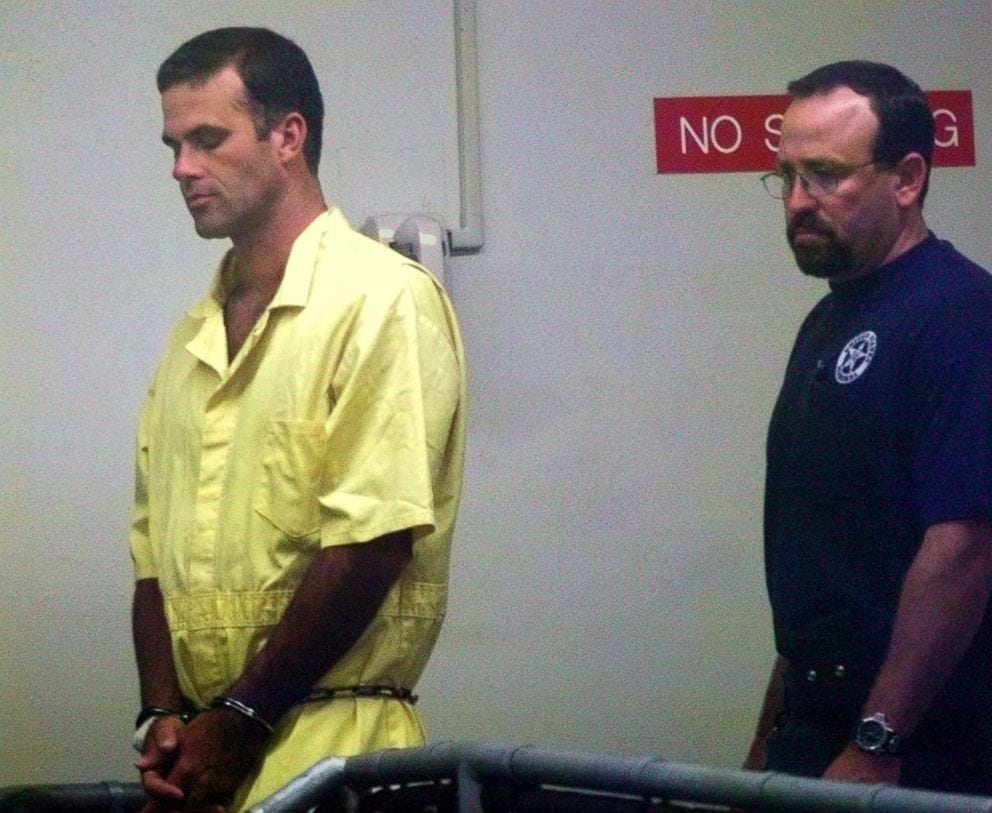
The Stayner family would be marked by darkness once again when, in 1999, a decade after Steven's death, his older brother, Cary Stayner, murdered four women in and around Yosemite National Park. Convicted and sentenced to death, Cary turned a family already defined by one of America's most harrowing survival stories into the subject of one of its most disturbing.12
Steven Stayner survived something unimaginable, but survival alone did not erase the scars of what had been done. His story is a reminder that escaping captivity is only the beginning, that the work of healing can last a lifetime, and that a single act of courage can give another person the future you were nearly denied.
Wikipedia, "Steven Stayner." https://en.wikipedia.org/wiki/Steven_Stayner
Mike Echols, I Know My First Name Is Steven (New York: Kensington, 1991); see also AllThatsInteresting, "The Sickening Crimes of Kenneth Parnell." https://allthatsinteresting.com/kenneth-parnell
A&E, "Who Was Kenneth Parnell, Steven Stayner's Captor?" https://www.aetv.com/articles/kenneth-parnell-steven-stayner-abductor
UPI Archives, "Kenneth Parnell, convicted of kidnapping a 7-year-old boy," February 3, 1982. https://www.upi.com/Archives/1982/02/03/Kenneth-Parnell-convicted-of-kidnaping-a-7-year-old-boy-and/3908381560400/
Wikipedia, "Kenneth Parnell." https://en.wikipedia.org/wiki/Kenneth_Parnell
Wikipedia, "Timothy White (abduction victim)." https://en.wikipedia.org/wiki/Timothy_White_(abduction_victim)
The Independent, "Two kidnapped boys, a hero's return, then a tragic twist." https://www.the-independent.com/news/world/americas/steven-stayner-documentary-captive-audience-b2067686.html
The New York Times, "2 Convicted in '72 Kidnapping of 7-Year-Old California Boy," January 7, 1982. https://www.nytimes.com/1982/01/07/us/2-convicted-in-72-kidnapping-of-7-year-old-california-boy.html
UPI Archives, "Hit-run killer of kidnap victim sought," September 17, 1989. https://www.upi.com/Archives/1989/09/17/Hit-run-killer-of-kidnap-victim-sought/6040622008000/
Oxygen, "Where Is Kenneth Parnell, Who Kidnapped Steven Stayner, Now?" https://www.oxygen.com/true-crime-buzz/where-is-kenneth-parnell-who-kidnapped-steven-stayner-now
Portland Press Herald / Associated Press, "Kidnapping survivor dies 30 years later," April 10, 2010. https://www.pressherald.com/2010/04/10/kidnapping-survivor-dies-30-years-later_2010-04-10/
Wikipedia, "Cary Stayner." https://en.wikipedia.org/wiki/Cary_Stayner
The detail that breaks my heart isn't the escape — it's that he was 14 and already understood he had to be the adult in the room: "I couldn't see Timmy suffer; it was my do-or-die chance." A child failed by every adult around him, and his first act of freedom was making sure another kid didn't go through it. And then the system's answer was seven years for Parnell, five served. The Stayner family's story keeps asking the same question: who was actually being protected here?