


Background
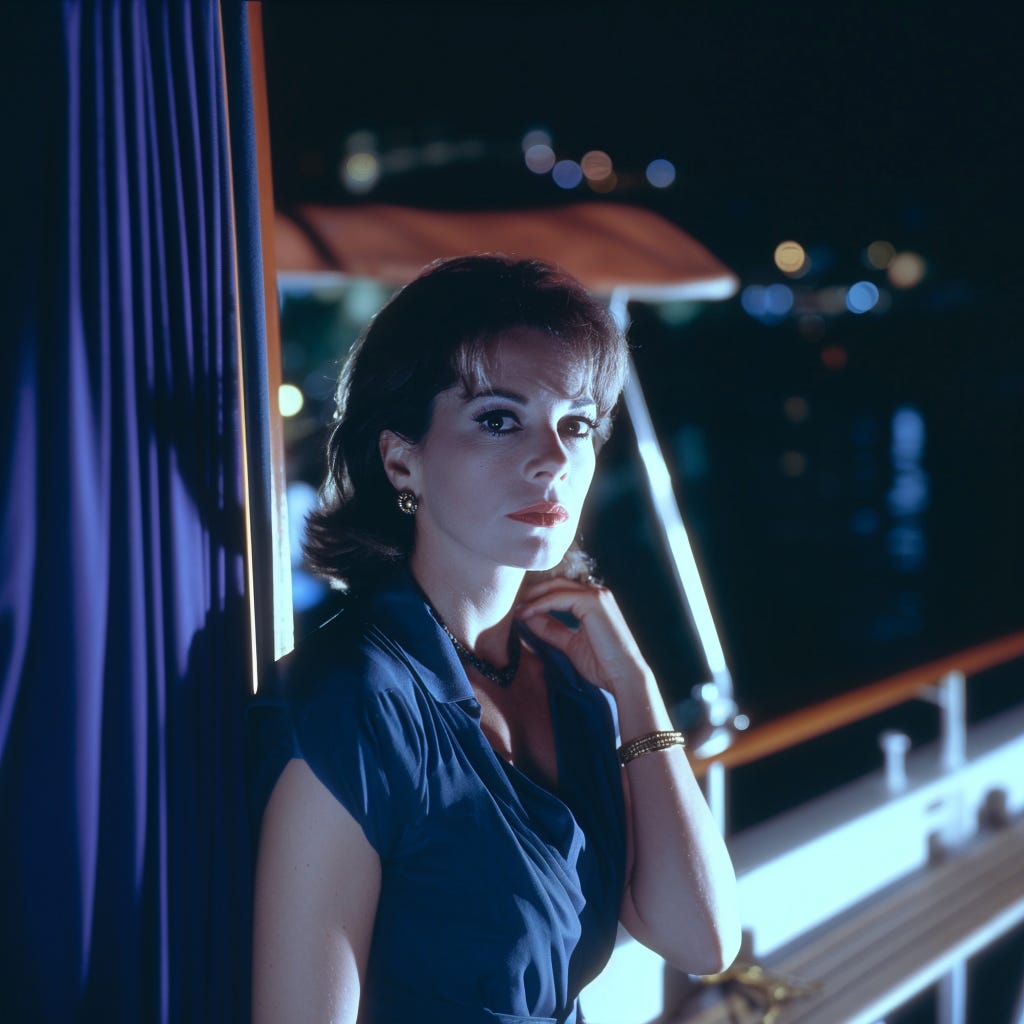
The November 1981 drowning death of actress Natalie Wood remains one of Hollywood’s most intriguing unresolved mysteries. Nearly 45 years after it occurred, many questions linger, including how a woman who had a well-known phobia of being in dark water and whose greatest fear was drowning ended up in the Pacific Ocean on a chilly November night.
Her death was ruled an accidental drowning, but after decades of scrutiny and speculation, her case was reopened and reclassified, leaving many to wonder: What actually happened to Natalie Wood?
A Star is Born
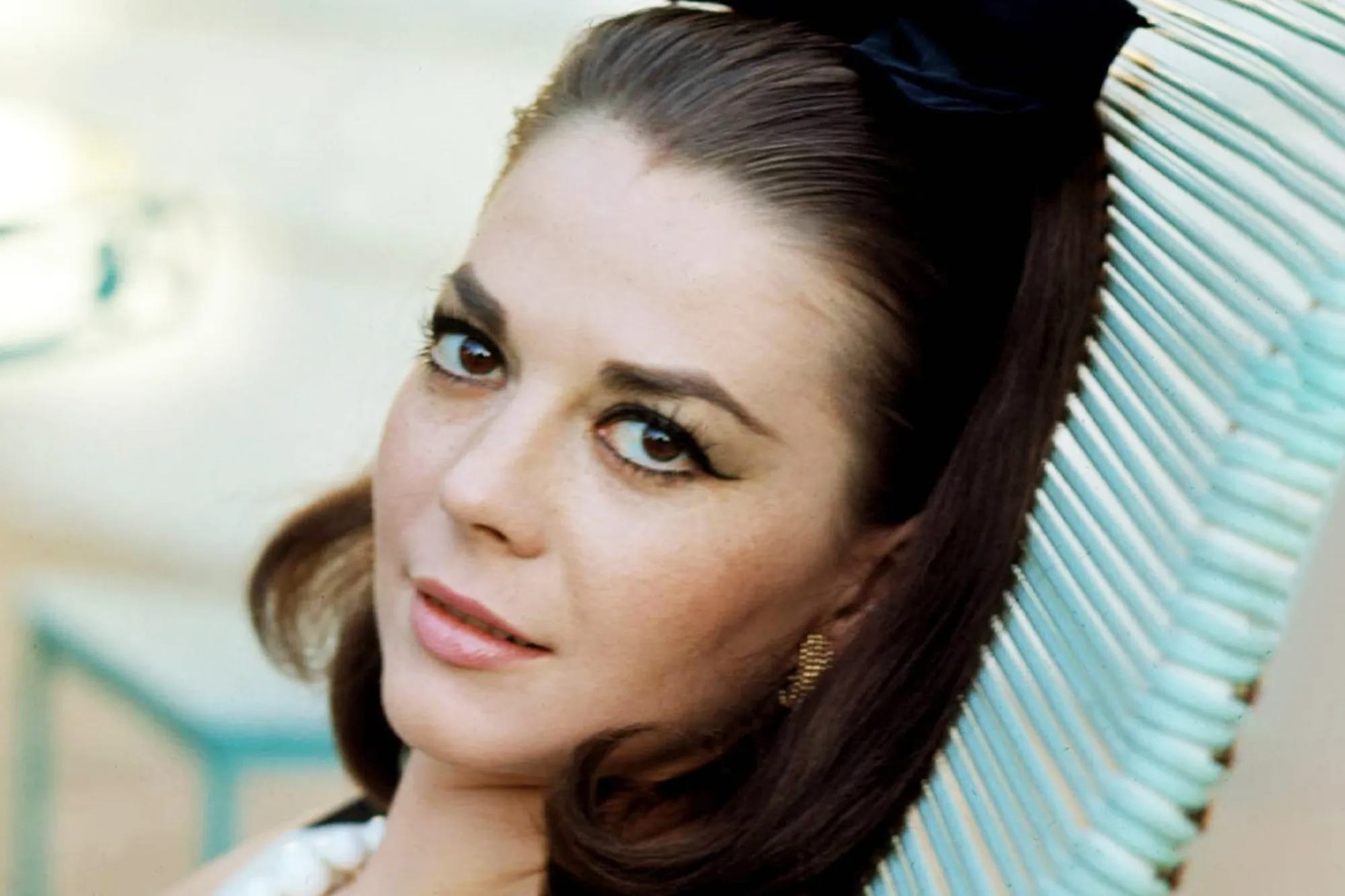
In the 1960s, everyone knew the name of Hollywood starlet Natalie Wood. After finding success as a child star, Natalie went on to have a long and illustrious career, becoming one of the two youngest people to earn three Golden Globe nominations. Natalie’s destiny was fated, and her mother insisted on making her a star by any means necessary.
Natalie’s mother, Maria Zoudilova, was a Russian immigrant whose family had fled to China at the start of the Russian Civil War. In 1928, Maria and her husband, Alexander, had a daughter, Olga. In 1930, the three of them traveled by ship to America. Six years later, Maria and Alexander divorced.
Maria soon met Nicholas Zacharenko, who was also of Russian descent and had likewise fled with his family to China at the outbreak of the Russian Civil War. The family would later make its way to America in 1933. Maria and Nicholas were married in February 1938. Their daughter, Natalie Zacharenko, was born on July 20th, 1938, in San Francisco, California.
A year after Natalie was born, Nicholas changed the family’s surname to Gurdin, and by 1942, the family had settled in Santa Rosa, California. In 1946, Natalie’s sister Svetlana was born. She would later become an actress and change her name to Lana Wood.
Natalie’s future was largely determined by her mother, who had long dreamed of being a starlet herself, and since that had not come to pass, she was insistent on transferring that dream onto young Natalie. Despite being so young, Natalie was pushed toward acting opportunities under the strict tutelage of her mother, who remained desperate to live vicariously through her daughter.
Maria’s delusions were fueled by the words of a fortune teller, who had told her that her daughter would be a beautiful star and reach international fame.
Early Career
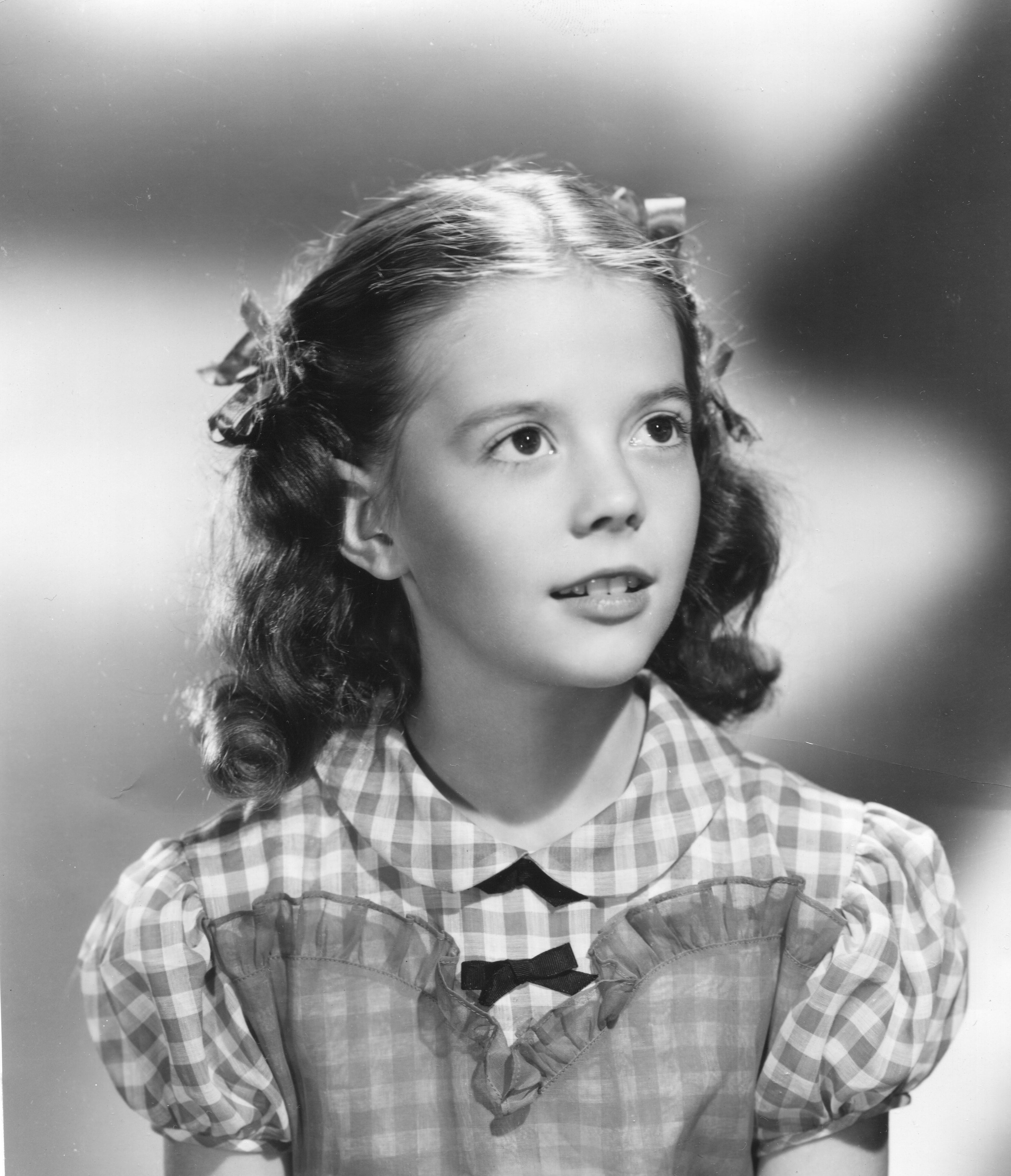
To Maria’s delight, young Natalie caught the attention of producers working on a film in downtown Santa Rosa. After her discovery, RKO film executives suggested she use the stage name Natalie Wood in order to sound more American. Her first on-screen appearance came at just 4 years old, in The Moon is Down, a film adapted from a John Steinbeck novel.
She earned the favor of director Irving Pichel, who cast her again in the 1943 film, Happy Land. Pichel kept in touch with Maria, contacting her whenever a role came up that he thought might suit young Natalie.
Eventually, Maria insisted on relocating the entire family to Los Angeles. Though Natalie’s father opposed the idea, Maria was insistent that making Natalie a star was her one and only priority. She often neglected Olga and her youngest daughter, Lana, instead focusing all her effort and energy on Natalie’s acting career.
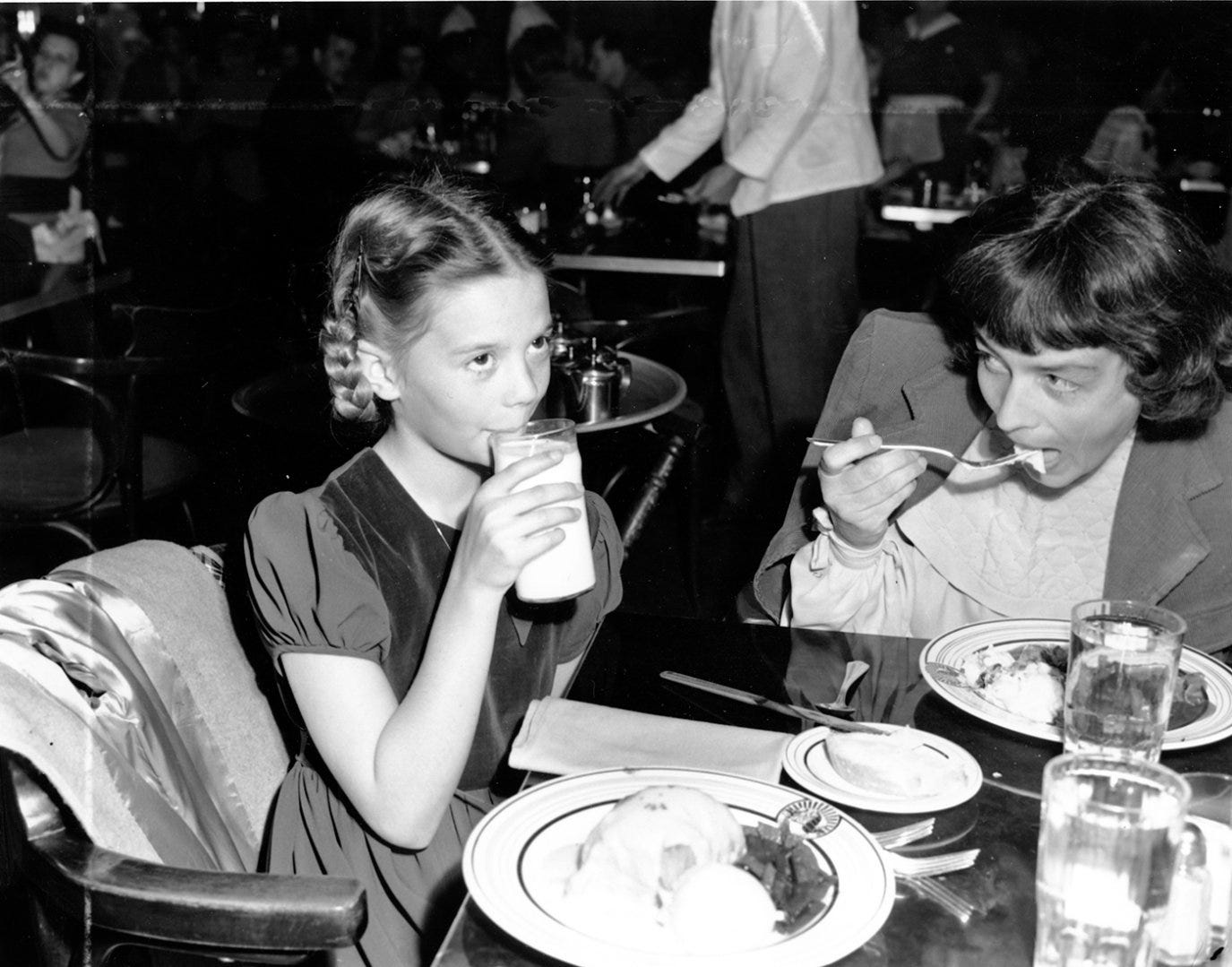
At age seven, Wood would appear alongside Orson Welles in Tomorrow is Forever, released in 1946. It was during filming for this movie that others on set had a firsthand look at how cruel and harsh Maria could be as a stage mom. When Natalie was unable to cry during one of her scenes, Maria ripped a butterfly to pieces in front of her, causing her to break down sobbing.
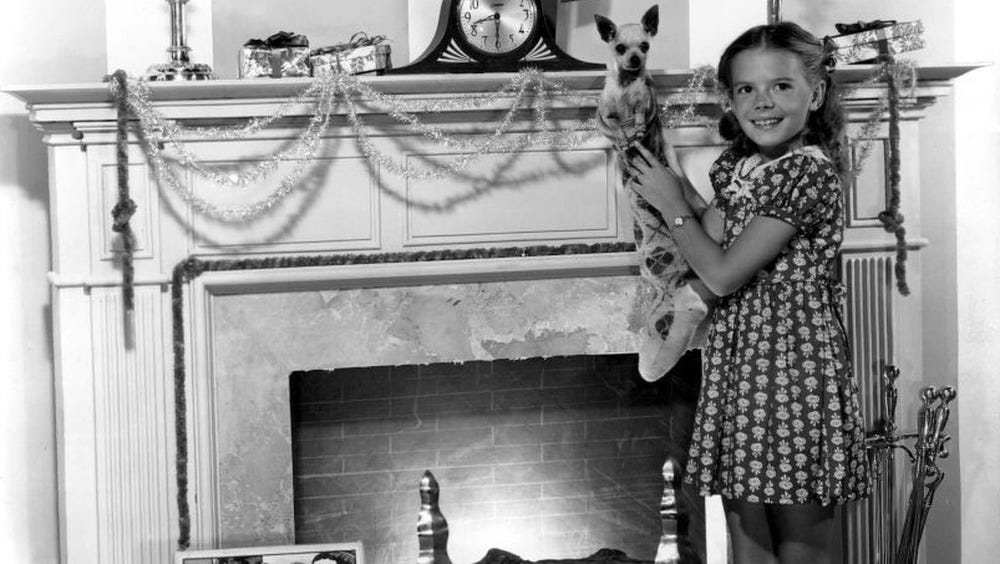
The breakout role of Natalie’s early career came in 1947 when she starred in Miracle on 34th Street, a film that became a Christmas classic. Her success in this role launched her acting career in earnest, and soon she was one of the top child stars in Hollywood. She would go on to star in more than 20 films during her childhood.
Natalie was never given the opportunity to simply be a kid. Because her career started so young, she never had the opportunity to go to school or make friends as a normal child might. Natalie’s early education happened on set, spending three hours per day with a teacher learning school curriculum before racing back to the studio to film her scenes.
Leading Lady
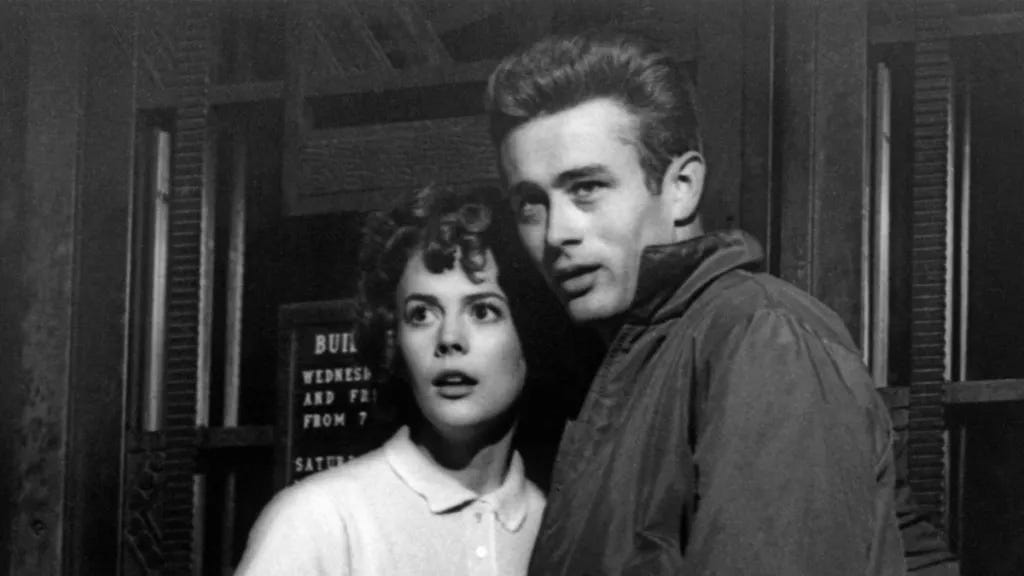
Natalie continued acting in both film and television into her teen years. In 1955, at age 16, Natalie starred alongside James Dean in Rebel Without A Cause. According to her, this was the first film Natalie chose to do on her own; up until this point, all her roles had been strictly dictated by her mother.
Natalie signed a contract with Warner Bros. for this movie, and she earned an Academy Award Nomination for Best Supporting Actress. After completing high school in 1956, Wood signed another contract with Warner Bros. She began starring in leading roles after her performance in Rebel Without a Cause gave her a new level of fame.
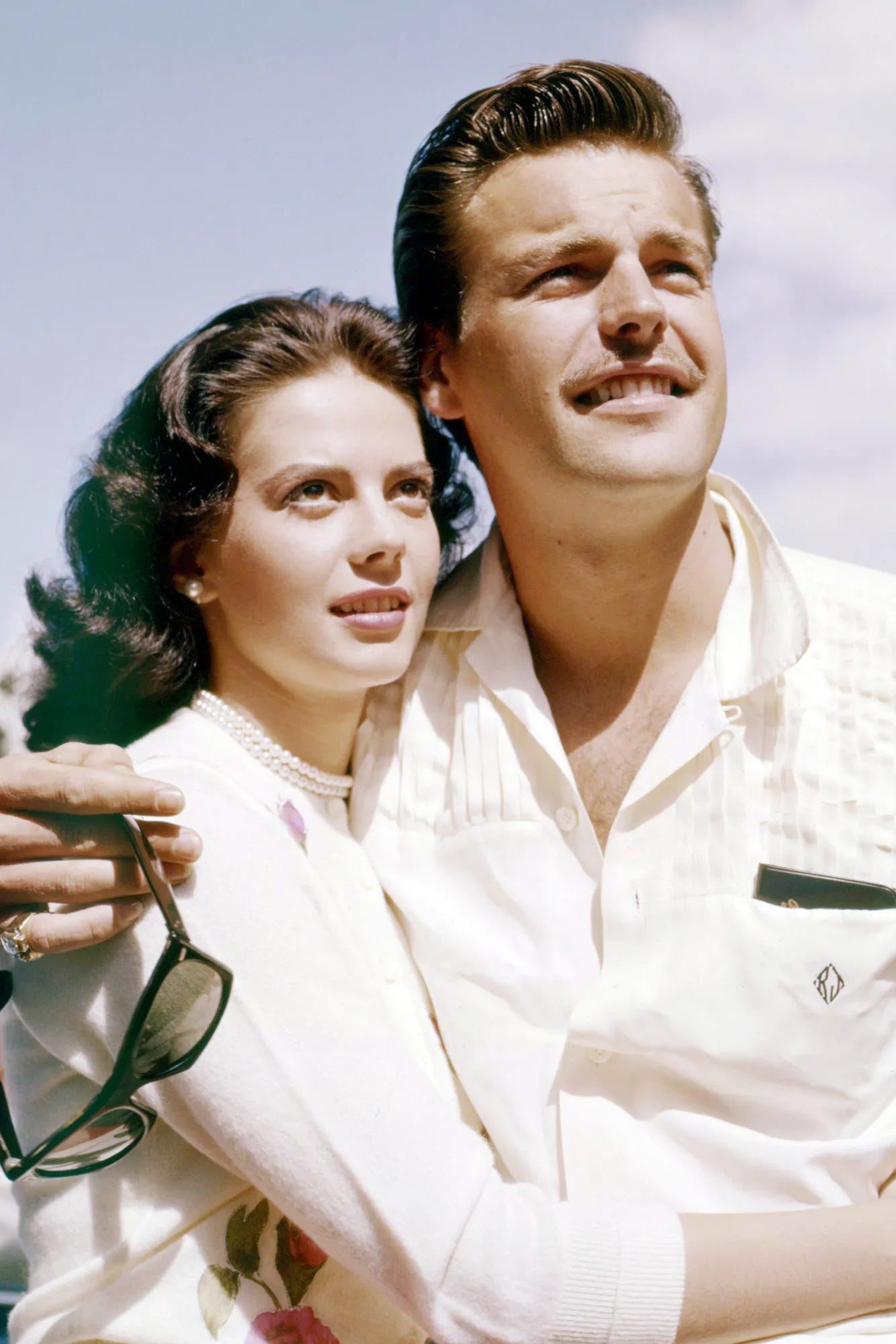
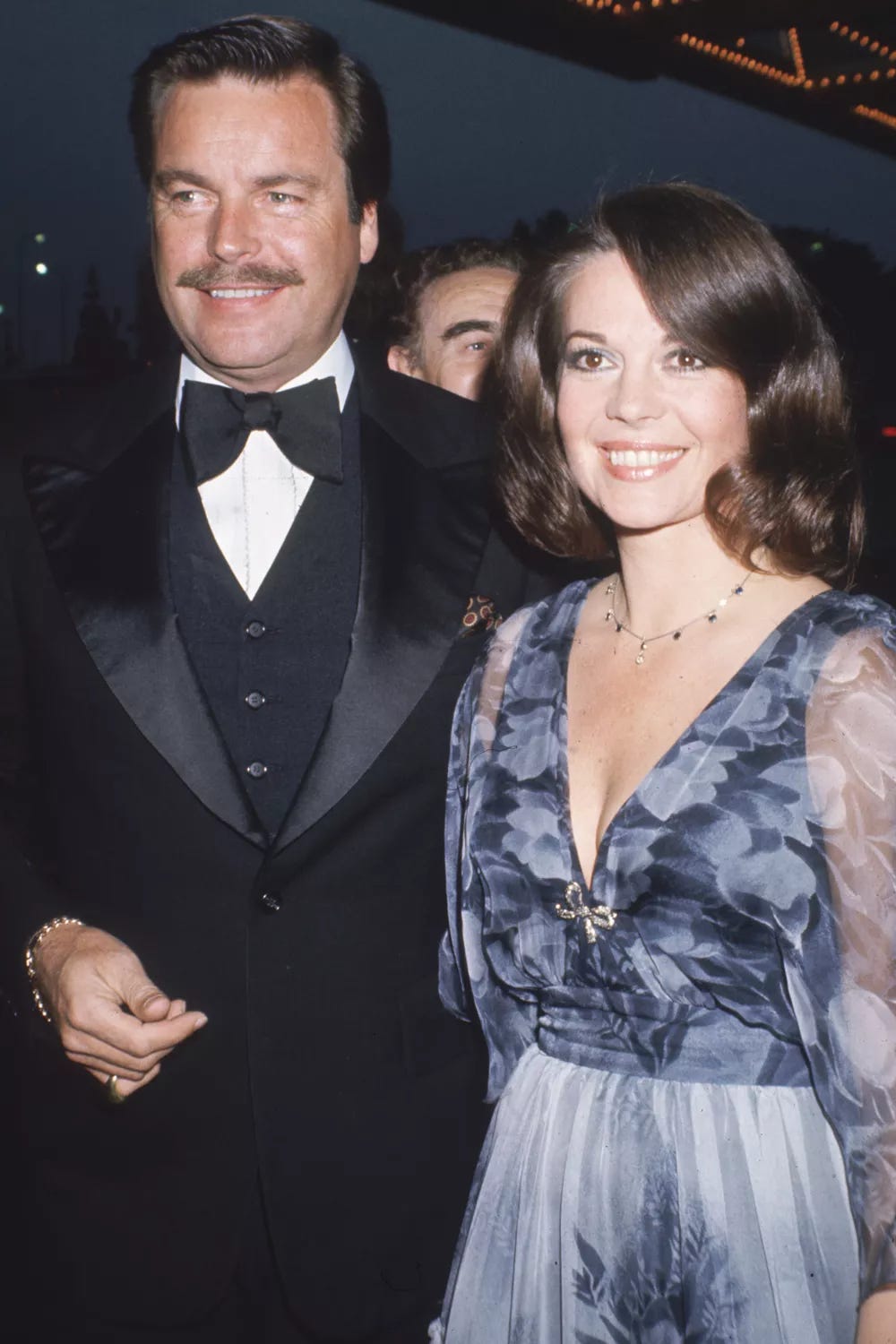
The following year, in December 1957, 19-year-old Wood married 27-year-old actor Robert Wagner, known to friends as R.J. They became one of the most high-profile and talked-about couples in Hollywood. Though Wagner was eight years her senior, Wood had far more experience in the industry, having started at such a young age. At the time, many speculated that the marriage would help to boost Wagner’s career.
In 1958, Natalie starred opposite Frank Sinatra in Kings Go Forth. After a brief hiatus and a temporary suspension from Warner Bros. due to her refusal of certain roles, she had another appearance as leading lady in the 1960 film Cash McCall before her career took a turn.
A combination of her hiatus and a poorly-received film left Natalie’s career, once flourishing, in an awkward slump. Now in her early twenties, she was struggling to pivot from the innocence of her child star status to a serious actress, taking on more mature roles. Critics were not kind, and at only twenty-two, she was painted as a “washed-up” actress. However, director Elia Kazan saw Wood in a different light.
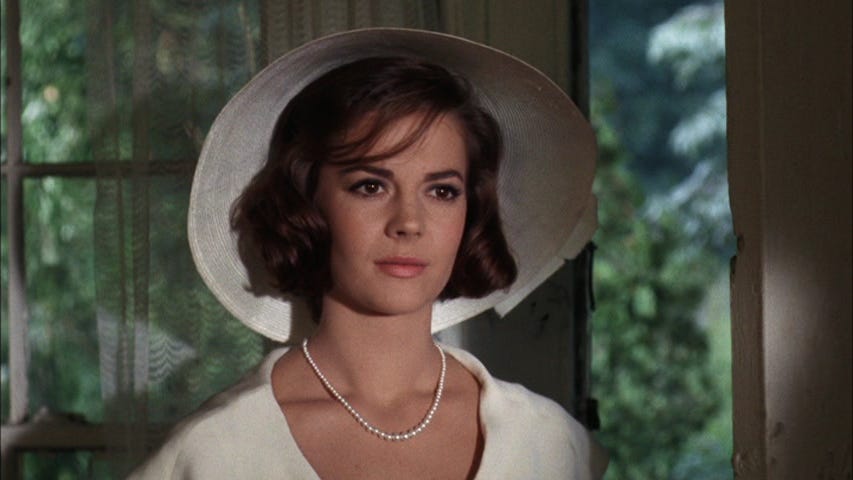
In 1961, Kazan cast Natalie in the film Splendor in the Grass. Kazan was able to draw out the depth and power he knew Natalie possessed. Wood’s performance in the film earned her many accolades, including nominations for an Academy Award, Golden Globe, and BAFTA Award. Another standout performance later that year in West Side Story reestablished Wood’s career.
Despite her on-screen resurgence, Wood, like everyone else, had her issues. As her sister, Lana, stated in a 2000 Vanity Fair article, “Hollywood prepares you for life in front of the camera, but it doesn’t prepare you for private life.” Wood had begun taking sleeping pills to deal with her chronic insomnia and was regularly seeing a psychiatrist, even passing up acting roles that would interfere with her sessions.
Her marriage to Robert Wagner was also becoming strained, and tensions were exacerbated with rumors of a fling between Natalie and her Splendor in the Grass co-star Warren Beatty. Wagner and Wood divorced in 1962.
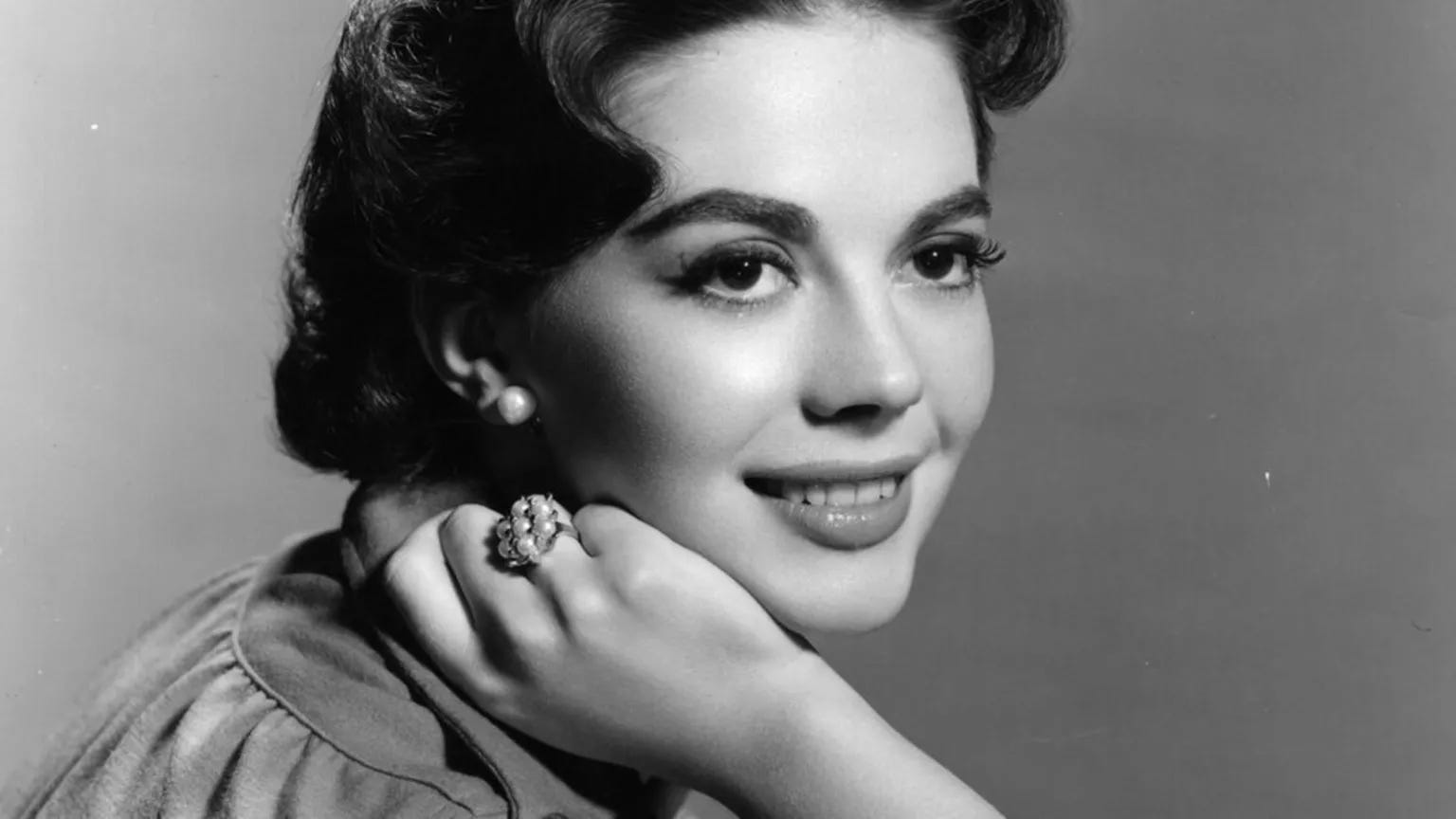
That year, Wood debuted her singing skills in Gypsy, and a year later, earned her third Academy Award nomination for her performance in Love with the Proper Stranger. At 25, she had now tied the record for the youngest person to earn three Oscar nominations. She also received multiple additional Golden Globe nominations for her work.
Hiatus and Marriages
In 1966, following health problems and the disappointing reception of the film Penelope, Natalie began a three-year hiatus from acting. She fired her entire team and paid $175,000 to Warner Bros. to buy herself out of her contract. She started dating British producer Richard Gregson, and in 1969, the two were married.
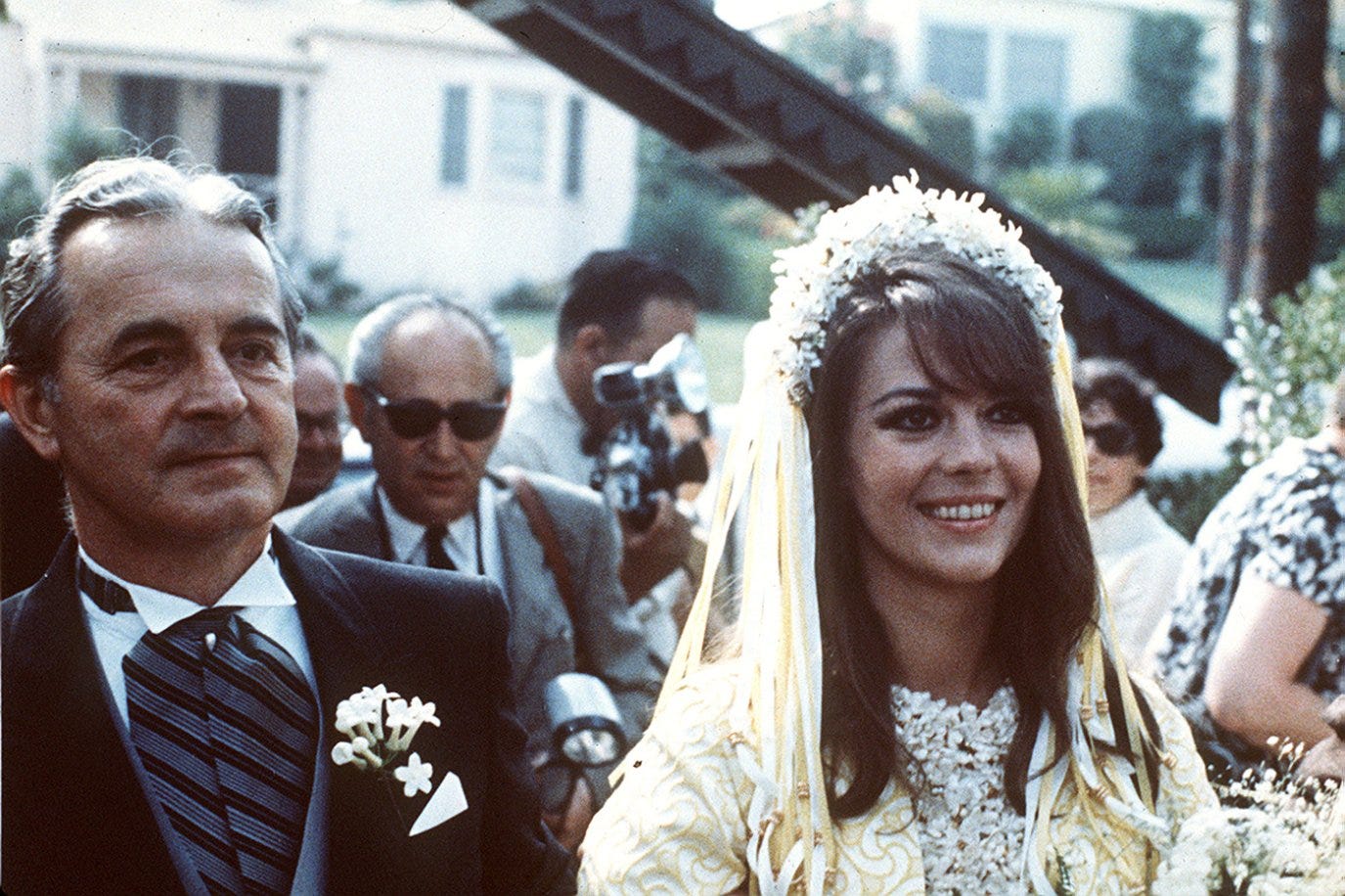
That same year, Natalie returned to acting, starring in Bob & Carol & Ted & Alice, which was a resounding success. In 1970, Natalie and Richard welcomed their daughter, Natasha. After Natasha's birth, Natalie mostly stopped pursuing film roles, appearing in only four more films. Instead, she began appearing in various television shows, including The Affair.
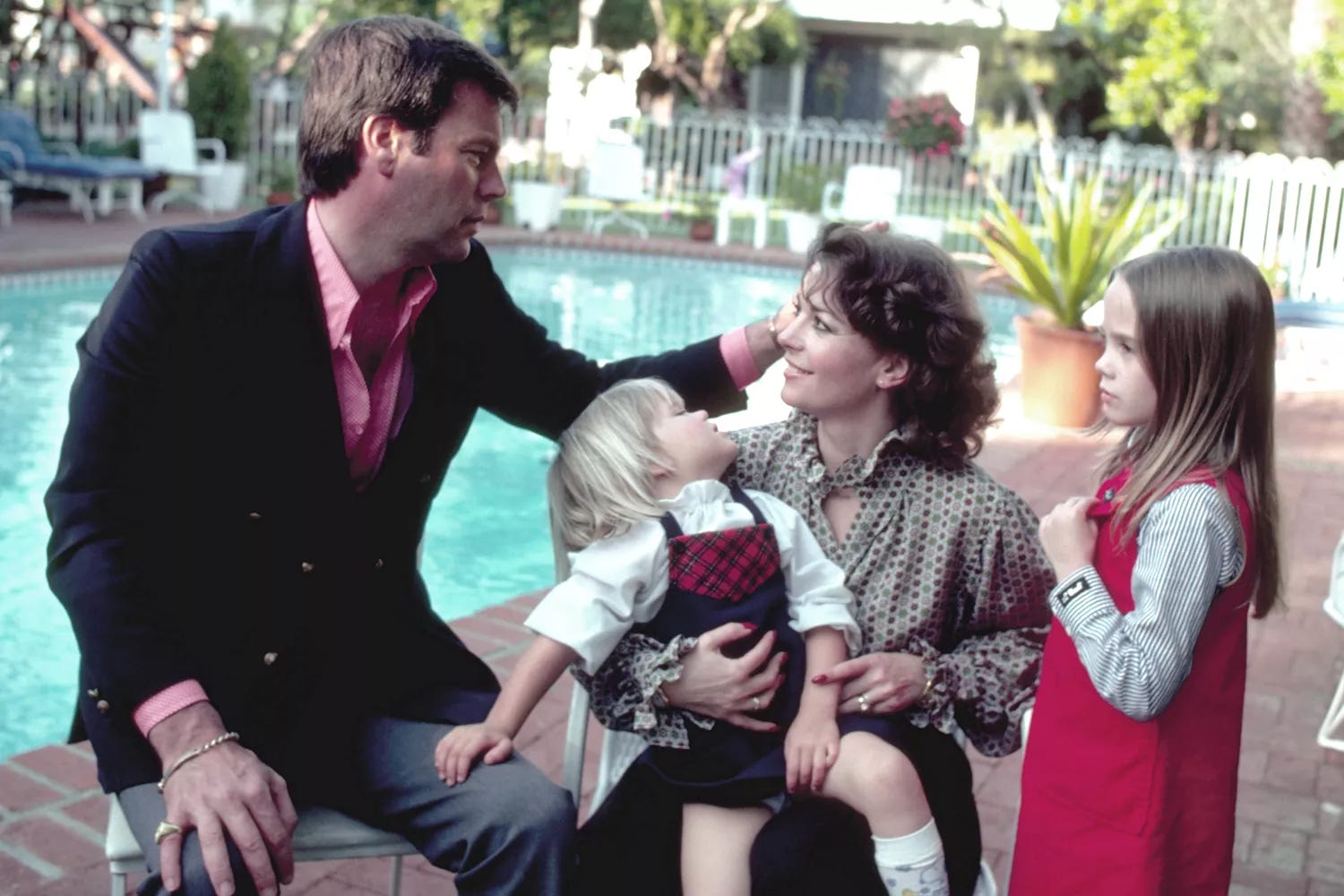
This work led her to reconnect with her ex-husband and now co-star, Robert Wagner. In 1972, Natalie divorced Richard Gregson. Later that year, she would remarry Robert Wagner, who was also recently divorced from actress Marion Marshall. Two years later, Natalie and Robert had a daughter, Courtney, who would be raised alongside Natasha and Robert’s daughter, Katie.
Natalie’s acting career continued, though she appeared less often and was more focused on television roles. She was said to be a loving and devoted mother and called her life with her daughters and Robert her “fantasy fulfilled”, but that fantasy would be tragically cut short.
Dark Waters
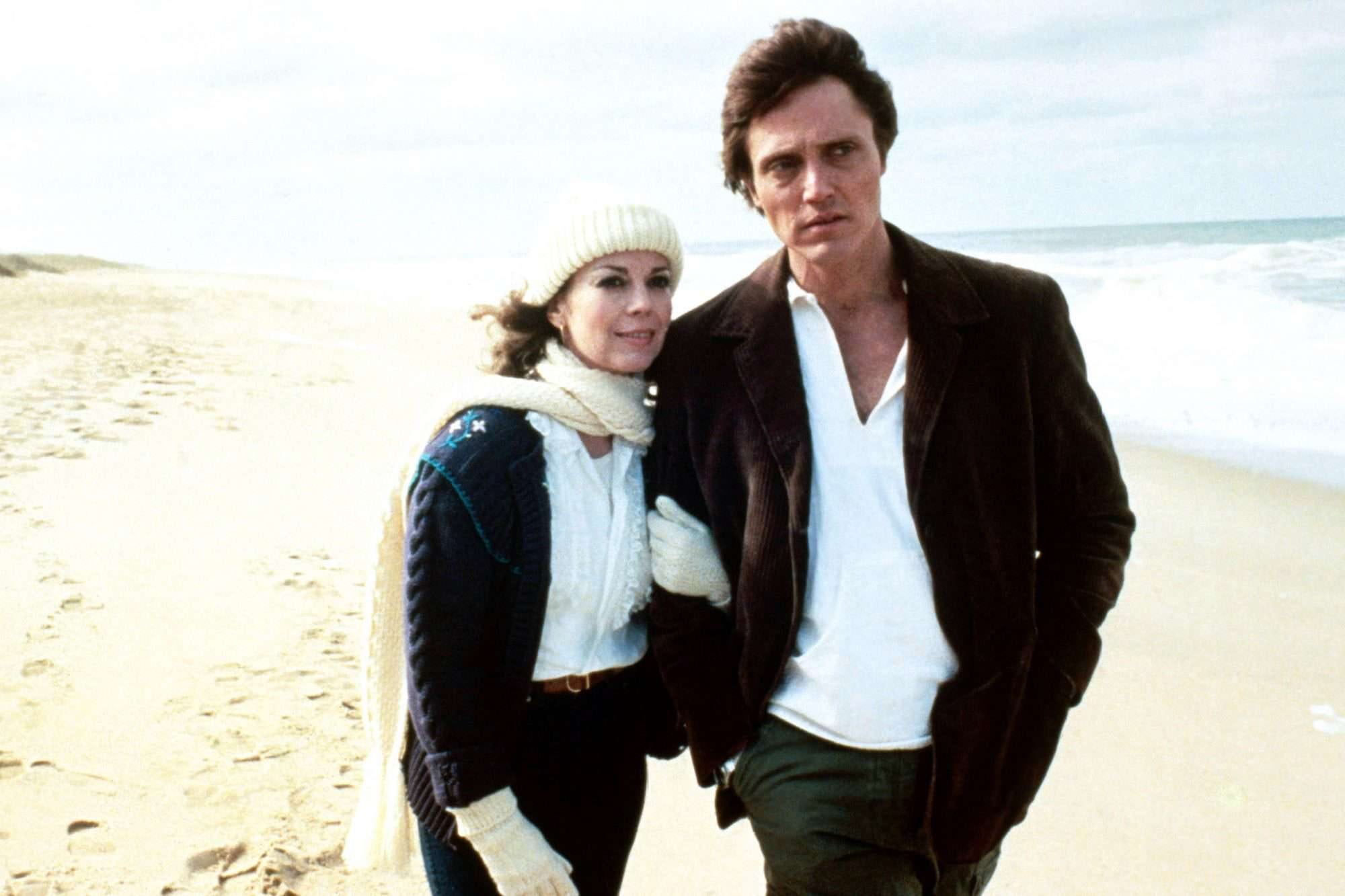
In 1981, 43-year-old Natalie Wood and 38-year-old co-star Christopher Walken were filming Brainstorm, a science fiction movie with an impressive $15 million budget. On Thanksgiving weekend, Natalie and Robert were planning to take his yacht out to Catalina Island, a rocky 22-mile-long island off the coast of southern California.
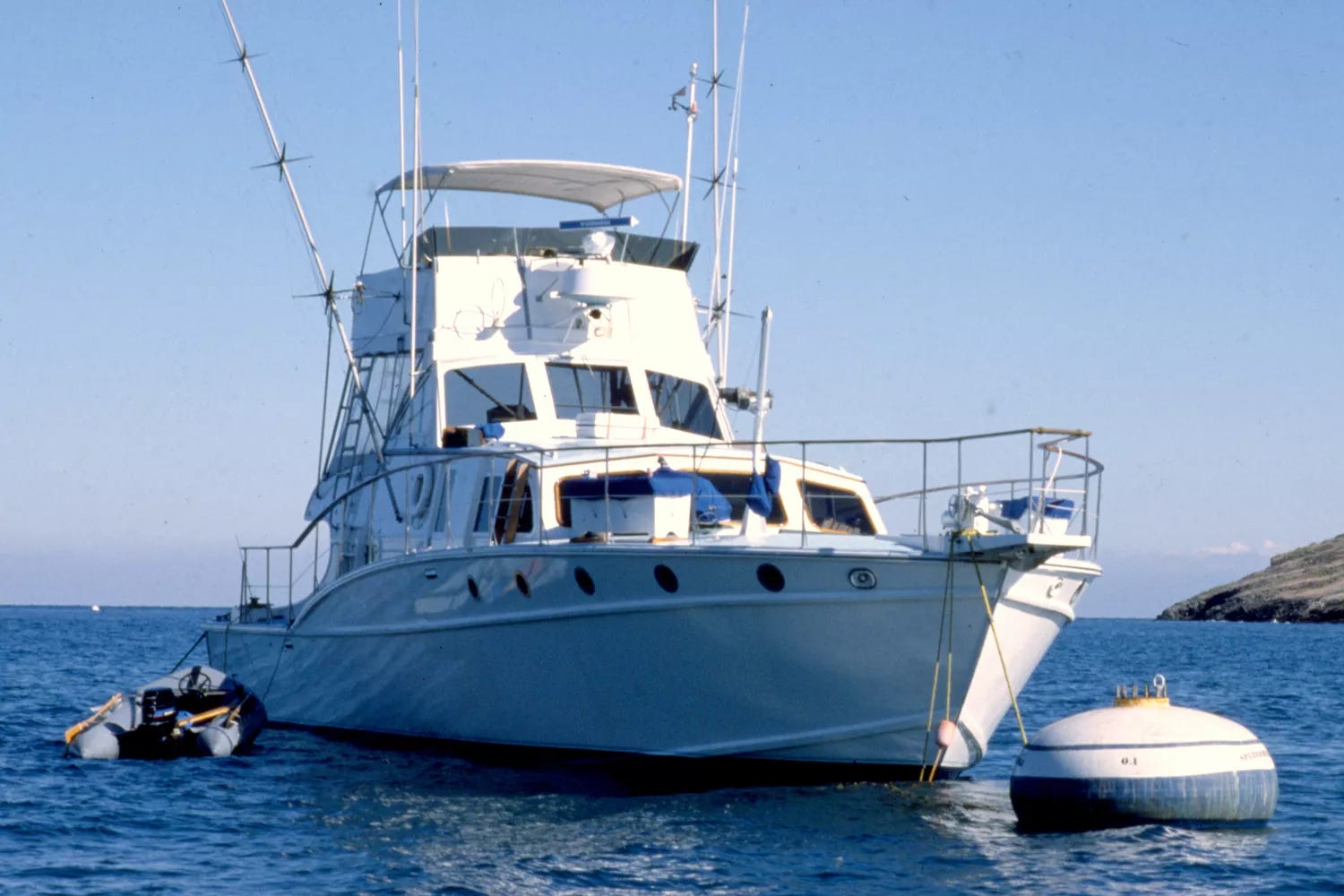
Natalie invited co-star Christopher Walken to join them onboard Splendour, named for Wood’s iconic 1961 film. According to the boat’s captain, Dennis Davern, the atmosphere was somewhat awkward because Wagner and Walken did not know each other. Meanwhile, Walken and Wood had developed a rapport while working together.
Nevertheless, the three of them, along with Davern, set sail. On November 28th - Thanksgiving Day- they sailed to Avalon, the only incorporated city on the island, and spent the evening shopping and dining. They then returned to the boat, where the sea was reportedly rough and choppy.
There have been conflicting statements; however, it later emerged that Wood requested to return ashore and was escorted by Davern. They were able to find lodging at a nearby hotel. According to the Vanity Fair article, Davern would tell police, "We thought it was best for me to stay with her, for protection. She knew I wasn't going to make any kind of play for her—she was comfortable with me."
They returned to the Splendour the next morning, and according to Davern, Natalie cooked a large breakfast for everyone. That afternoon, the four of them sailed to the northern end of Catalina Island and anchored in Isthmus Cove, where they dined at Doug’s Harbor Reef, a favorite of the yacht community. According to Davern and several of the restaurant staff, they were all drinking heavily and had finished several bottles of wine and champagne.
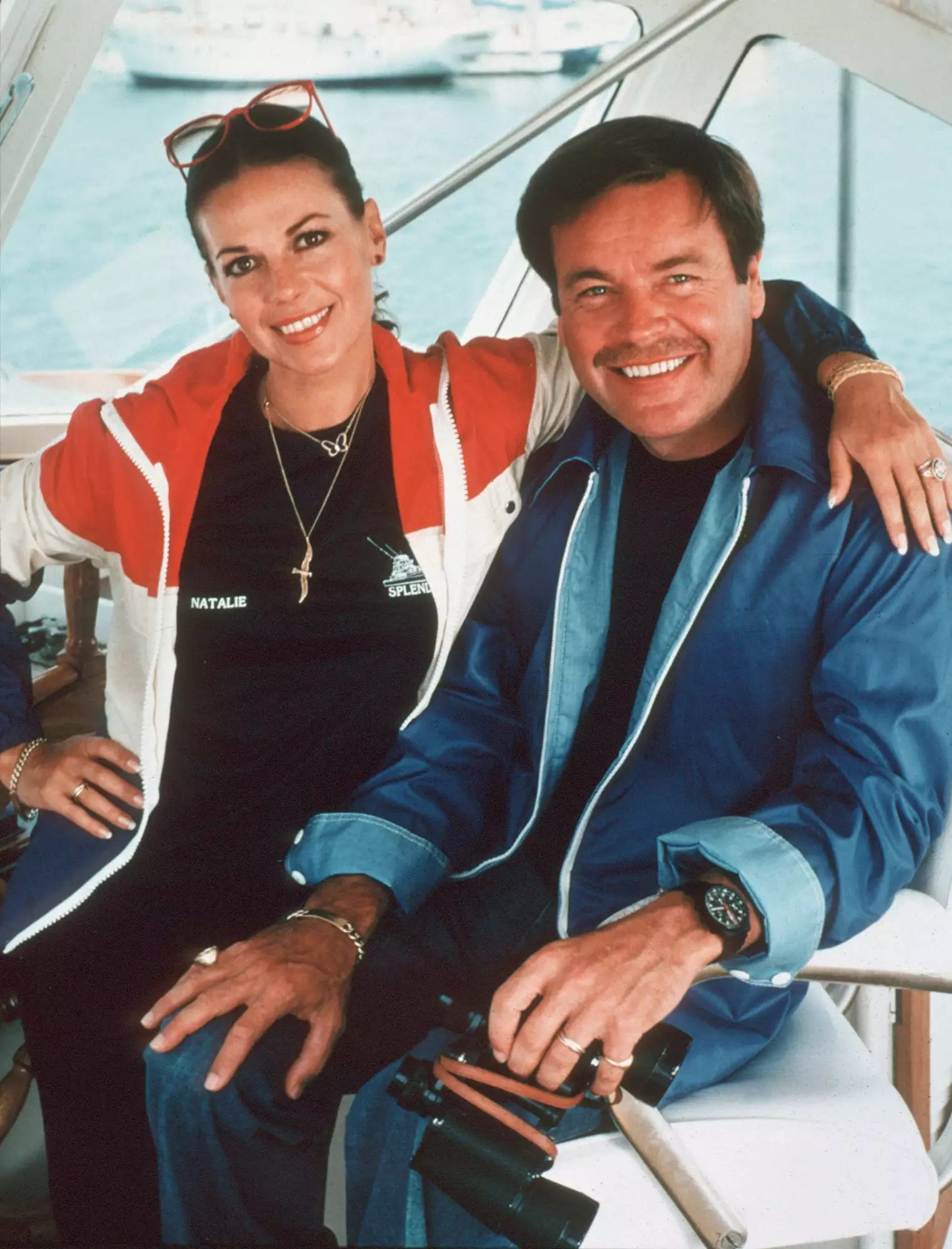
The details of what happened after they left the restaurant are a subject of much debate, even to this day. At some point that evening, Natalie retired and presumably went to bed. Later, when her husband went to look for her, he found that Natalie was not on board the 60-foot vessel. She was nowhere to be found, and the yacht’s dinghy was also missing.
At approximately 1:30 a.m. on November 29th, a distress call came from the Splendour. Authorities responded to the call for help, and the search began. It took around six hours to locate Natalie, and when they finally did, it was too late.
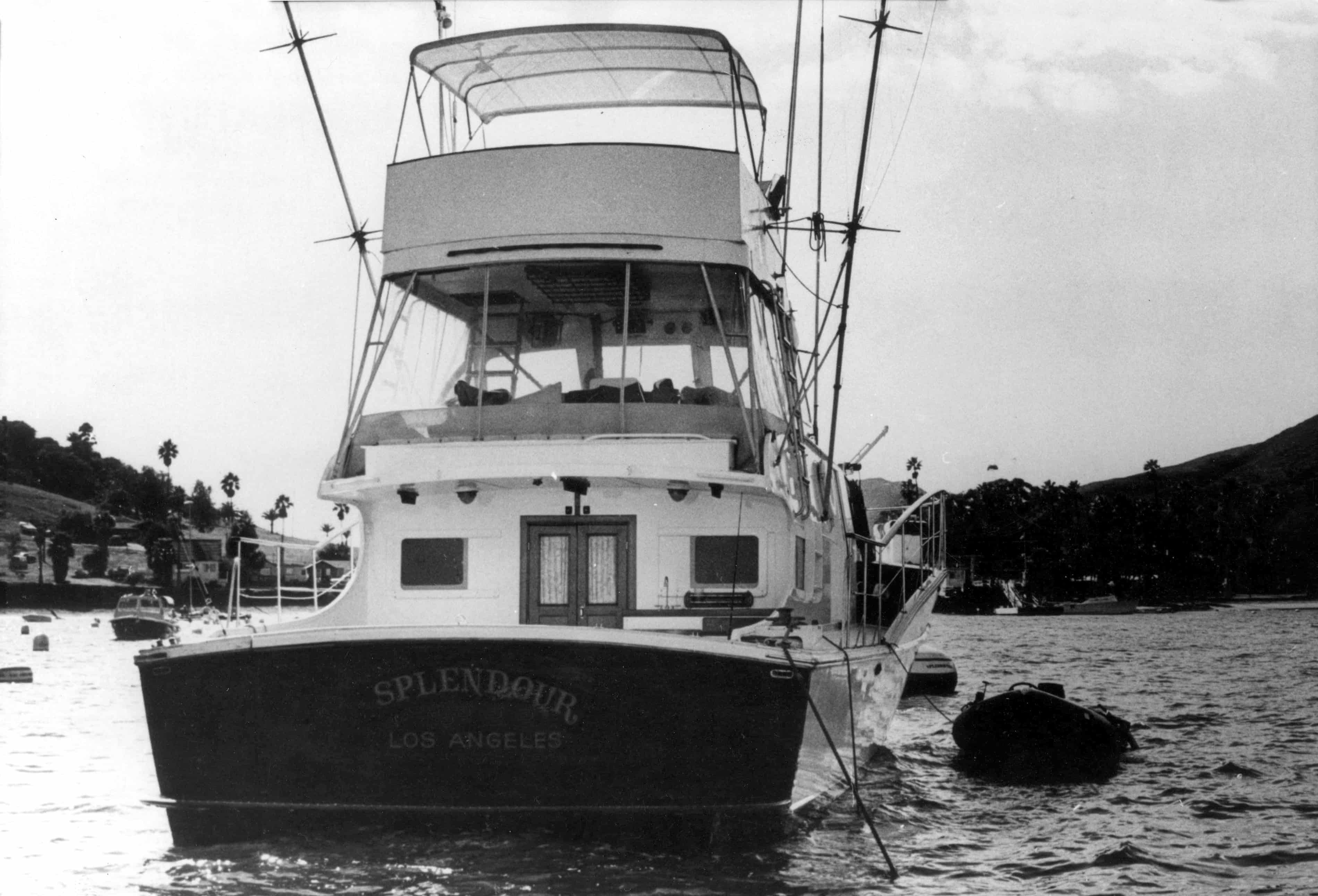
Natalie’s body, dressed in a flannel nightgown, blue wool socks, and a red down jacket, was floating face down approximately 200 yards off the coast of Catalina Island. To the south, the inflatable dinghy had washed up on the rocks along the shoreline. Her death came as a shock to Hollywood and to the world.
Los Angeles County coroner Thomas Noguchi determined Natalie’s death was the result of an accidental drowning and the combined effects of hypothermia. Noguchi cited Natalie’s intoxicated state as a possible reason for her being unable to climb back into the dinghy after slipping off.
But why would Natalie have been on the dinghy in the first place, in the darkness of night and in such rough conditions? That is the question that makes this tragedy more complicated than it may initially seem, and is only deepened by Natalie’s lifelong traumas.
Investigation
Initial reports included statements from witnesses who heard strange screaming on the night of Natalie’s death. According to John Payne and Marilyn Wayne, a couple who had been sleeping onboard a boat anchored near the Splendour, they’d heard a woman screaming for help around midnight. They thought the voice sounded like it was coming from the stern of the Splendour, and more specifically, from someone in the dinghy.
They didn’t immediately rush to help because a nearby yacht was having a late-night party, and they’d heard a man’s voice calling back in a joking tone. It wasn’t until they saw the news of Natalie’s death that they thought to make a police report. Natalie’s toxicology report indicated a blood-alcohol level of 0.14 percent, above the threshold that would merit a DUI charge if driving. The autopsy revealed bruising on Natalie’s arms, legs, and her left cheek, which Noguchi cited as evidence of an accidental fall into water.
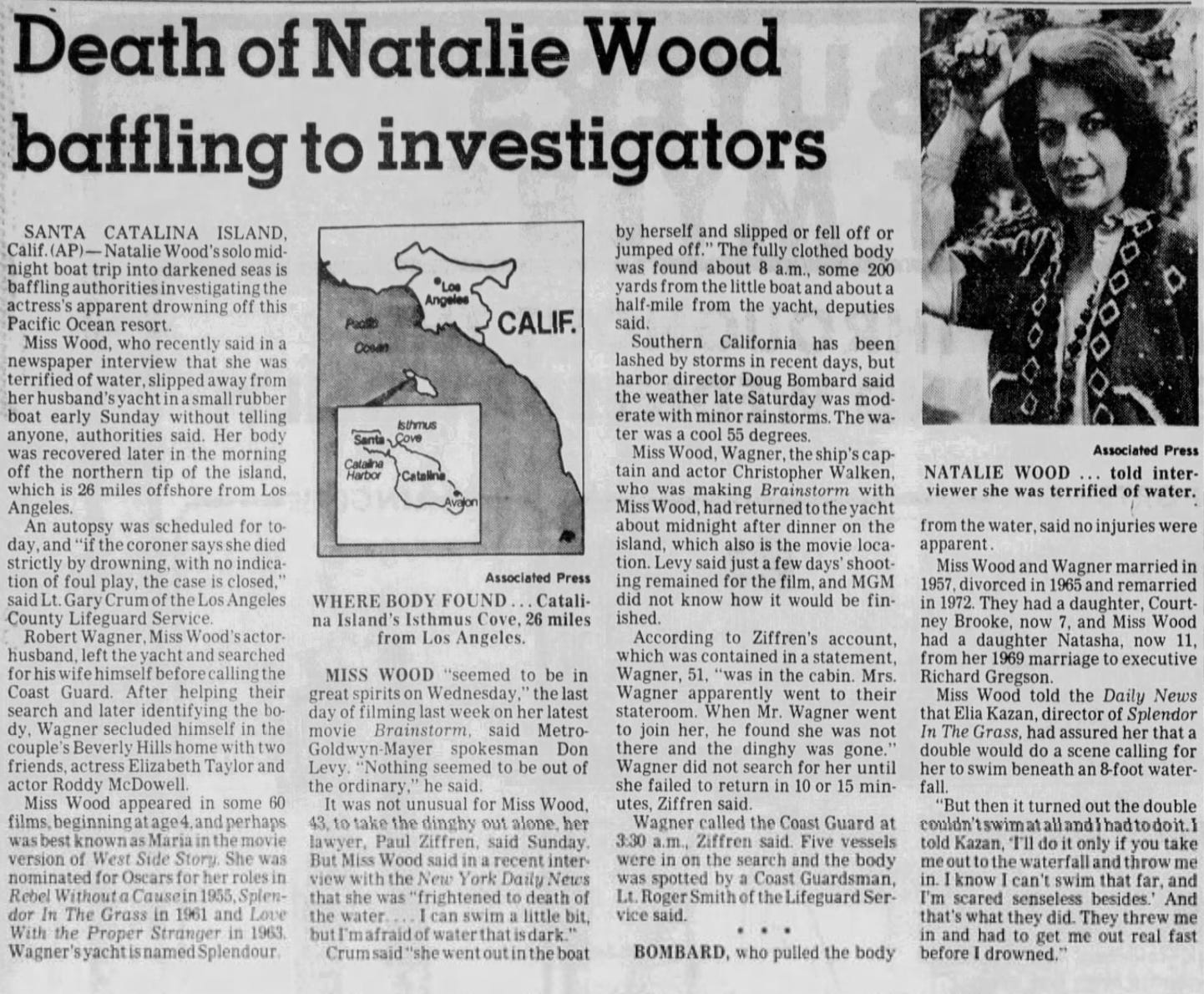
Scratch marks on the side of the dinghy, apparently made by fingernails, were consistent with Natalie attempting to climb back into the inflatable vessel. Her down jacket would have made this a very difficult task once the feathers were weighted down with water. Noguchi thought she had accidentally slipped off the dinghy, was too intoxicated to think rationally, and clung to the side of the dinghy as it drifted away, until she eventually gave out from exhaustion and hypothermic effects and drowned.
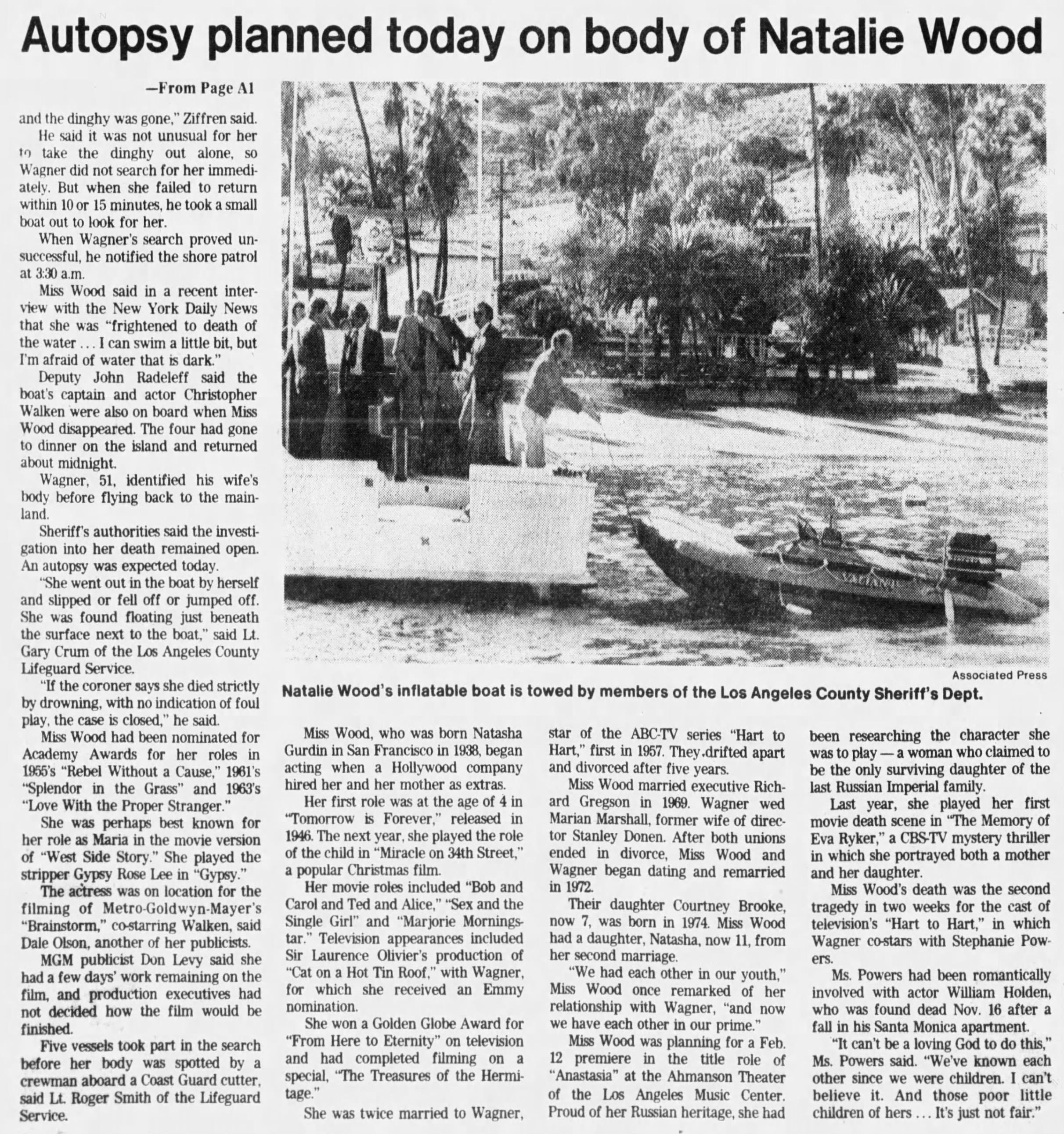
While the story of how Natalie had died seemed plausible, the question of why she was on the dinghy in the first place remained. Noguchi commissioned a “psychological autopsy” to analyze Natalie’s reasoning for leaving the yacht in the first place. When this report was completed, Noguchi decided against releasing it to the public.
This decision led to overwhelming backlash, including pointed criticism from the Screen Actors Guild and Natalie’s former co-star, Frank Sinatra, which eventually resulted in Noguchi losing his job the following year. However, Noguchi’s ruling of accidental drowning as Wood’s cause of death remained.
Case Reopened
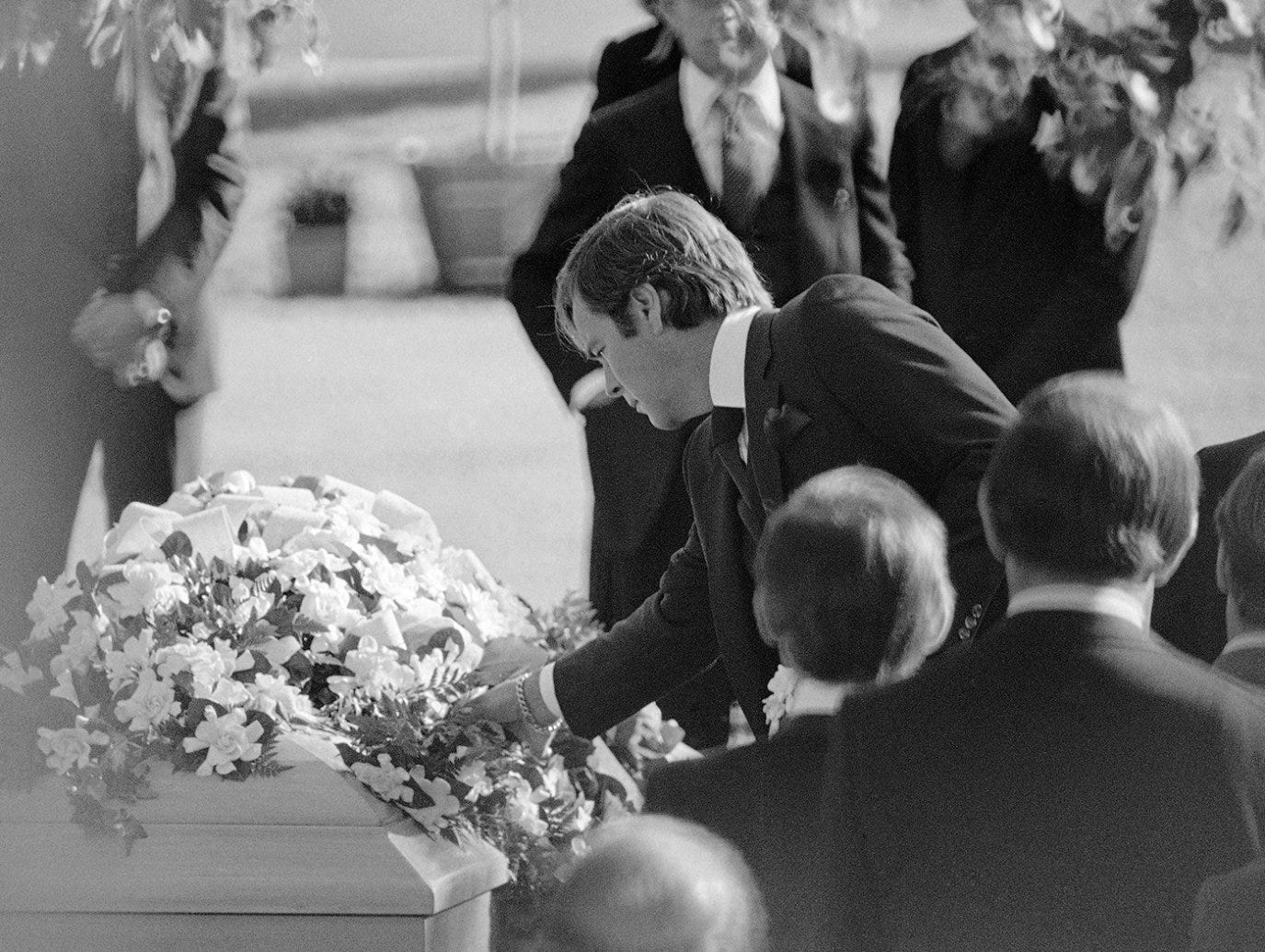
In 2011, Natalie’s case, which had been closed since Noguchi’s ruling on her manner of death, was reopened. Dennis Davern made a public statement, confessing that he had lied to police during his initial interview. He claimed that Natalie and Robert had been arguing on the night of her death, and that Wagner became enraged with jealousy after accusing her of flirting with Christopher Walken.
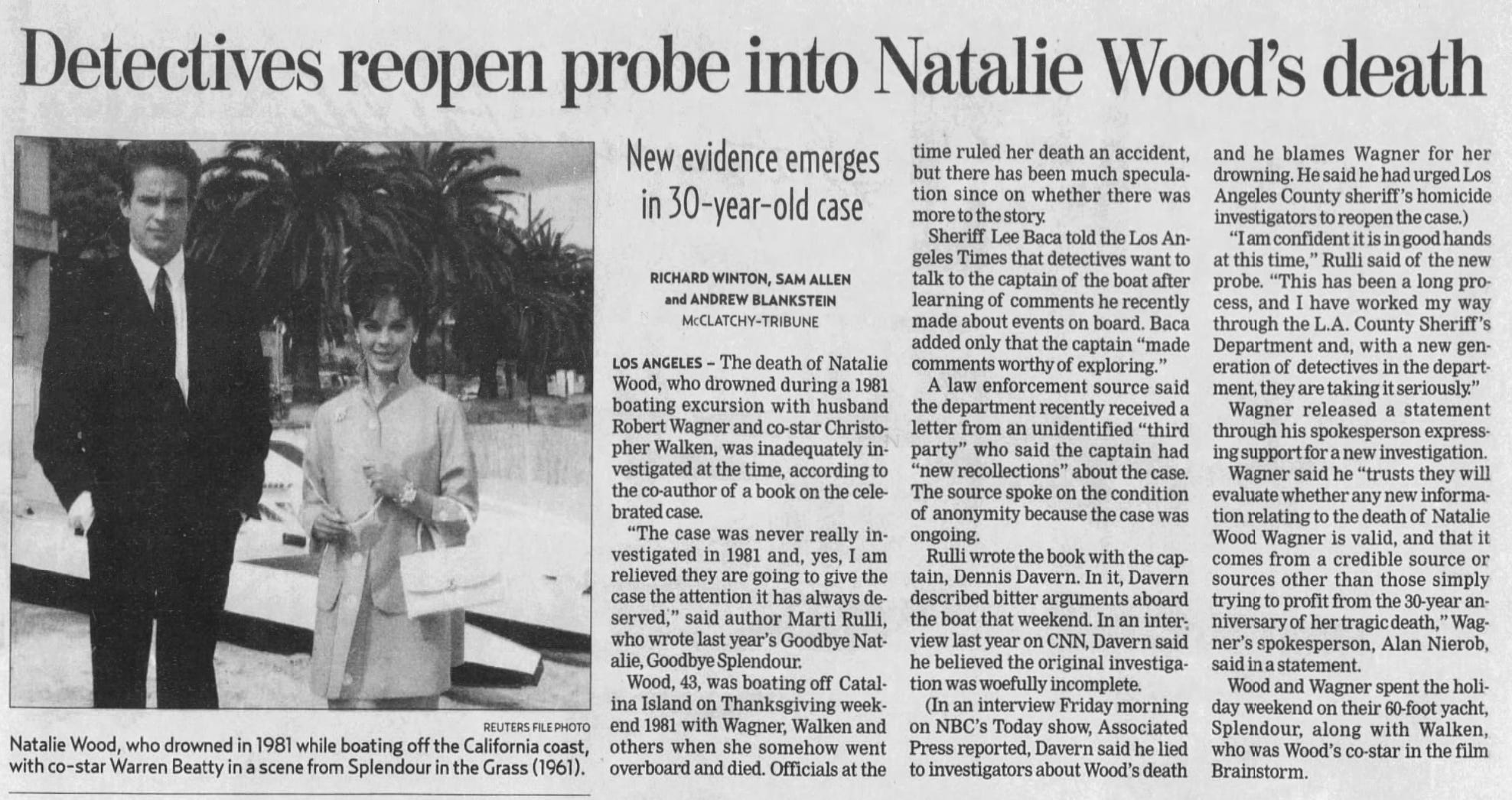
Davern has maintained that Natalie’s death was not the tragic accident it was painted to be. He pointed the blame at Wagner, whom he claimed had ordered him not to turn on the search lights or contact authorities when Natalie initially vanished. He has said that for the two days of the trip, Natalie and Robert had both been drinking heavily, and that the tension onboard the yacht was unbearable.
On the night of Natalie’s death, Davern witnessed a heated argument between Wagner and Walken over Natalie’s career and future. Walken defended Natalie and her independence, which caused Wagner to explode with rage, shattering a bottle of wine and screaming jealous accusations at Walken.
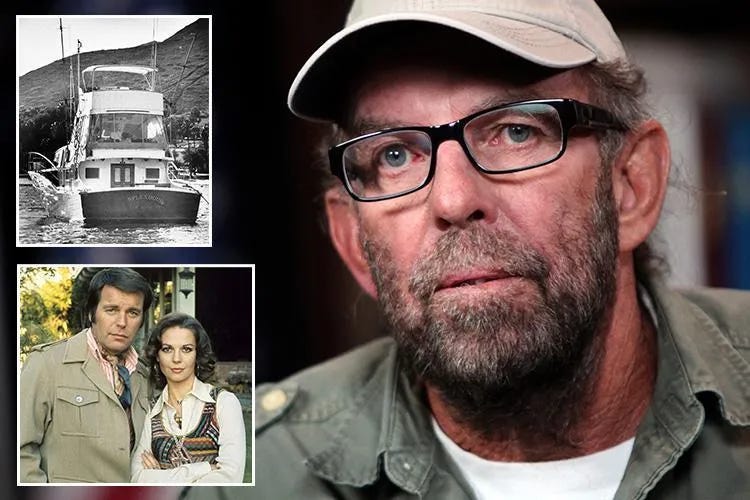
Though Davern’s credibility as a witness, given his initial dishonesty, is in question, Wagner himself confirmed in a 2020 documentary that he did smash a bottle of wine in the yacht’s main salon, but that he and Walken had then cooled off on the deck, while Natalie retired to her room.
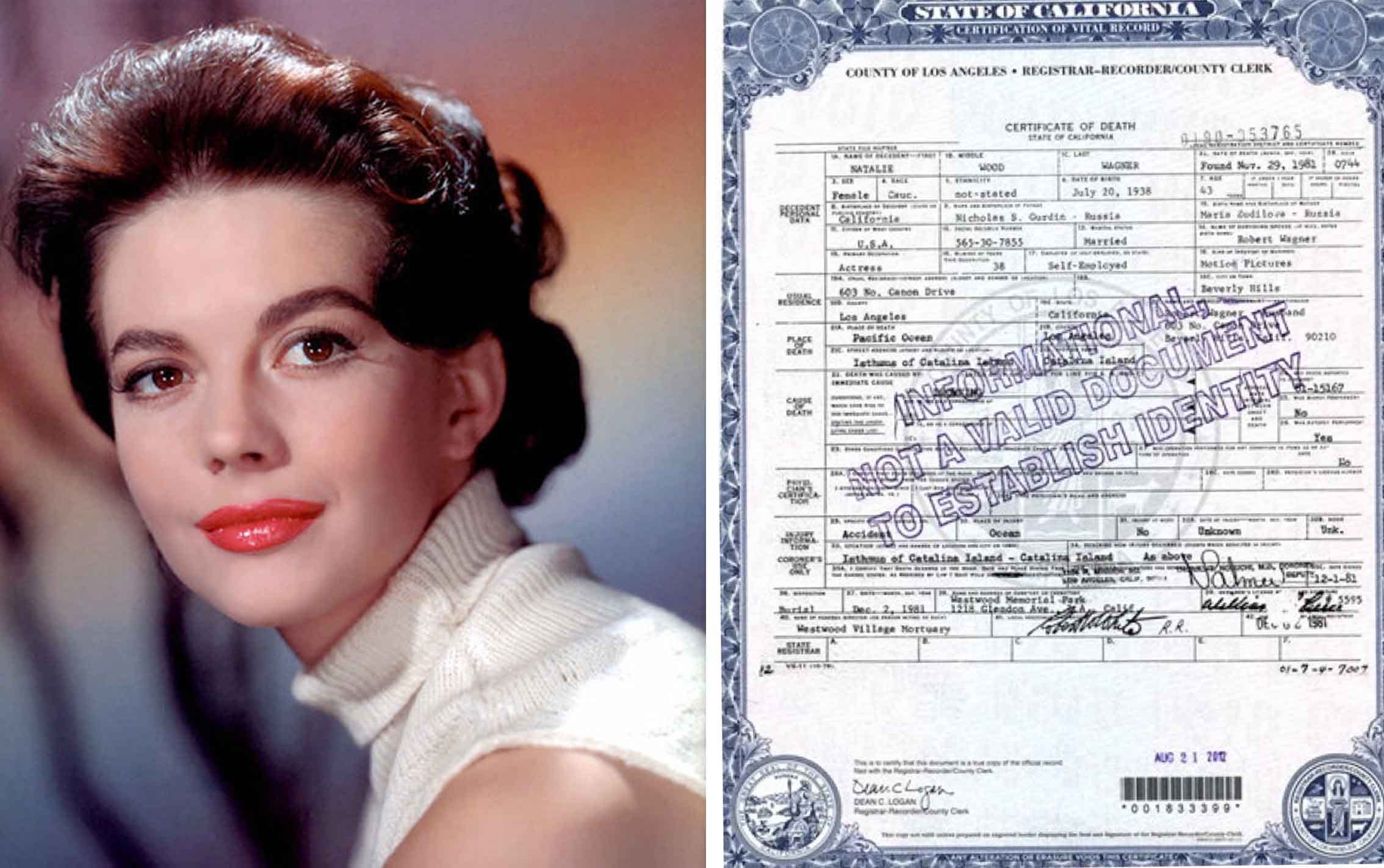
After her case was reopened, Los Angeles County’s Chief Coroner amended her death certificate, which now reads “drowning and other undetermined factors.” The following year, in 2013, a 10-page addendum to Natalie’s autopsy report revealed that some of the bruising on Natalie’s body may have been present before any fall into the water, but there was nothing to prove definitively when or how the bruising occurred.
In 2018, Robert Wagner was officially named a person of interest in the case. Many, including one of Noguchi’s former interns, believe that Natalie did not slip but rather was thrown overboard. Wagner and his daughters continue to maintain his innocence. In 2022, Los Angeles County Sheriff’s Lt. Hugo Reynaga announced that all leads in the case had been exhausted, and the death of Natalie Wood remains open and unsolved.
A Haunting Premonition
Long before the name Natalie Wood appeared on the big screen, Natalie’s mother, Maria, had visited a fortune teller. This fortune teller told Maria her daughter would become a star, beautiful and known around the world. There was another prediction, though, and it was one that would haunt Natalie for her entire life.
According to the psychic, this prophecy would only be fulfilled if Maria avoided drowning. The fortune teller emphasized seeing Maria drowning in “dark water.” Though the promise of a famous daughter dominated Maria’s mind, so did the fear, which she passed on to Natalie. From a young age, Maria taught Natalie to fear water.
At ten years old, Natalie was forced to film a scene that required her to cross a bridge over turbulent water. Maria pushed her, despite her terror, and when Natalie reached the middle of the bridge, it collapsed. Natalie plunged down as the cameras kept rolling, struggling against the water and screaming through the fear and the pain of a broken wrist.
From there, her fear of water only worsened. She had frequent nightmares about drowning, and her phobia became so severe that she was hesitant to wash her hair. At age 14, Natalie was forced to jump from the back of a boat or be cut from the movie. She then jumped into the water, triggering a hysterical outburst of genuine terror.
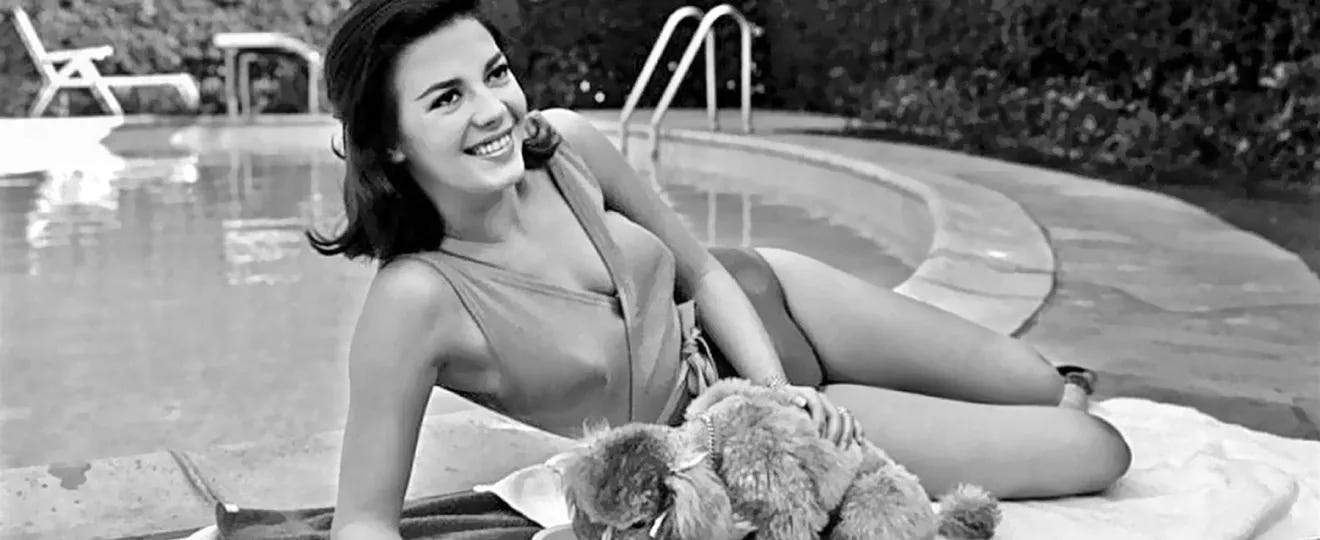
Even as an adult, Natalie was so afraid of water that she wouldn’t use her own swimming pool. Only weeks before her death, Natalie had confessed to a journalist that she was “afraid of water that is dark.” This pervasive fear had haunted Natalie for her entire life. She would tell those close to her that her biggest fear was drowning, saying, “I love being on the water and near the water, but not in the water.”
When the news of Natalie’s death broke, her sister, Lana, found the circumstances more than puzzling. Raised by the same mother, she had been taught the same fears. Lana knew how deeply Natalie feared water, specifically dark water, and that she had never learned how to swim.
Why, then, would Natalie willingly leave the safety of the yacht, climb into a small inflatable raft, and set out into an endless expanse of cold, dark water so late at night with clouds blocking out even the light from the stars? Lana did not think this was something Natalie would ever do, regardless of how many drinks she’d had. Natalie would not have willingly exposed herself to her greatest fear.
Closing Thoughts
In a 1974 interview, Natalie said that the storms in her and her husband’s life were now limited to the ones they experienced while out cruising the seas, and their relationship was nothing but smooth sailing the second time around. Was this still true on that fateful night in 1981, or had the storms of life caught up to them?
Robert Wagner, now 96, maintains his innocence despite being named a person of interest. He claims he has never been back to Catalina Island since Natalie’s death. We will likely never know the truth of what happened that fateful night, but we do know that the story of Natalie Wood will live on as one of the biggest Hollywood mysteries of all time.
Sources:
Chamings, Andrew. “A Hollywood star’s death still haunts this remote California village.” SF Gate, 17 Aug. 2025,https://www.sfgate.com/la/article/hollywood-death-catalina-california-village-20816352.php
Dechant, Lawrence. “Natalie Wood Autopsy Report Revised; Actress Bruised Before Death.” ABC News, 14 Jan. 2013, https://abcnews.com/Entertainment/natalie-wood-autopsy-hints-assault/story?id=18212595
Diehl, Digby. “Natasha: The Biography of Natalie Wood.” Variety, 4 Aug. 2001, https://variety.com/2001/more/reviews/natasha-the-biography-of-natalie-wood-1200469640/
Kashner, Sam. “Natalie Wood’s Fatal Voyage.” Vanity Fair | the Complete Archive, 1 Mar. 2000, https://archive.vanityfair.com/article/share/ab8e2115-7a47-4527-8749-c2eef01a96fc
She caught twinkle toes bobbin for apples and fled in disgust. Not his first rodeo with the steers.
I think you are right in saying it will never be solved. It's hard to trust any of the narratives from the passengers that night. As for Wagner stating he did in fact smash a bottle of wine that night just shows someone's character. What a sad story.