


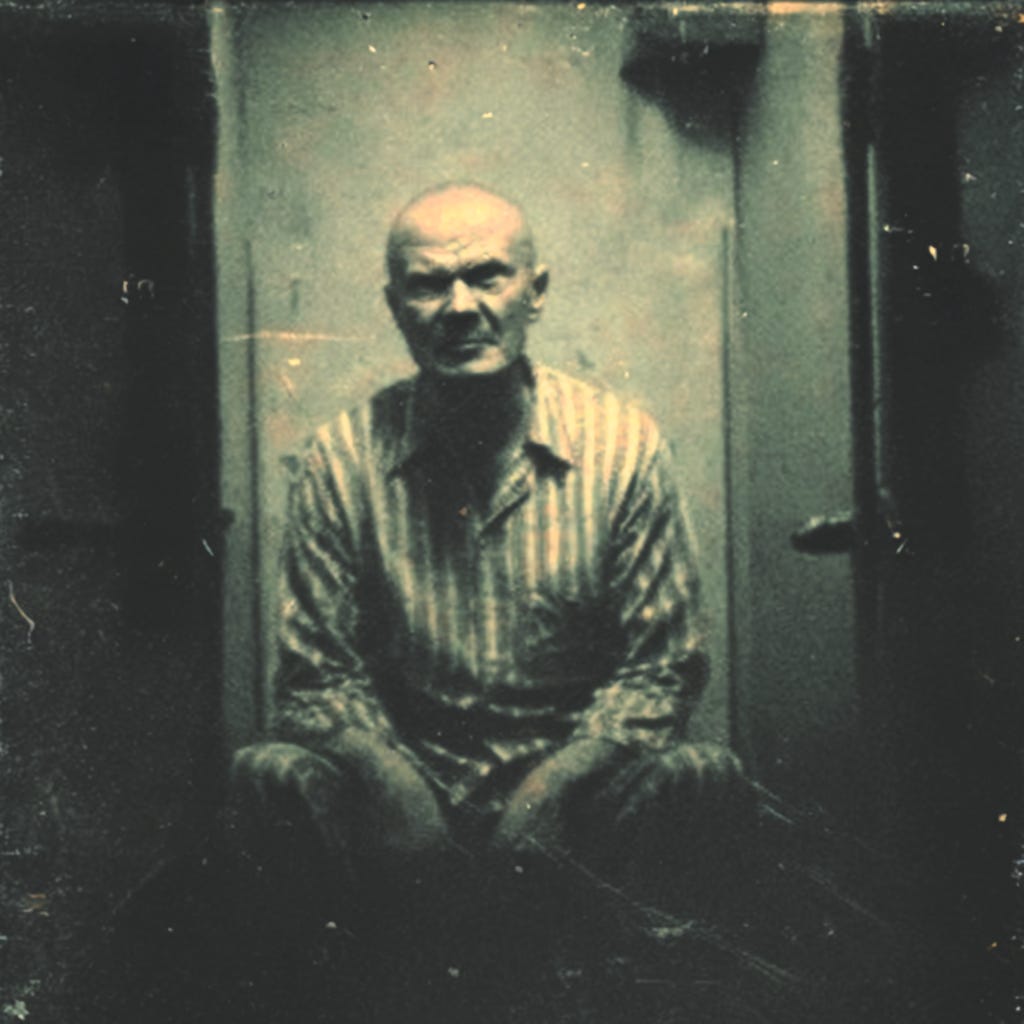
*Warning: This Article Contains Sensitive Subject Matter*
Background
The 1995 HBO film Citizen X chronicles the hunt for one of Russia’s most vicious serial killers. As dozens of mutilated bodies are discovered in and around Rostov Oblast during the 1980s, forensic specialist Viktor Burakov faces mounting pressure from his superiors and the media to catch the elusive killer known as the “Rostov Ripper.”
Eventually, Burakov is aided by Dr. Alexandr Bukhanovsky, a psychiatrist who creates a remarkably accurate profile of the killer, whom he labels “Citizen X.” Much of the story is set during the Soviet era. This plays a significant role in the investigation. Many of the crimes are not publicly reported for fear of the negative impact it could have on the image of the USSR. This prevented potential leads or tips from the public that might have aided the investigation.
The film highlights these obstacles as well as the persistence that finally pays off when the killer is apprehended during a surveillance operation. Directed by Chris Gerolmo and starring Stephen Rae, Donald Sutherland, and Max von Sydow, the film earned praise from audiences and critics and holds an 86% score on Rotten Tomatoes.
Plot Summary
The film opens in the early 1980s, as investigators in the Rostov region begin discovering the bodies of murdered women and children. At first, local police believe the crimes are unrelated. But as more victims appear, investigator Viktor Burakov begins to suspect that they are dealing with something much larger. He sees patterns that others either miss or refuse to acknowledge.
Many Soviet officials do not want to acknowledge that a serial killer is active in southern Russia, so throughout the film, Burakov faces constant resistance from bureaucrats who are worried about political embarrassment. Some officials insist that serial killers are a Western problem and do not exist in a communist society. Valuable information becomes trapped inside government offices while the body count continues to rise.
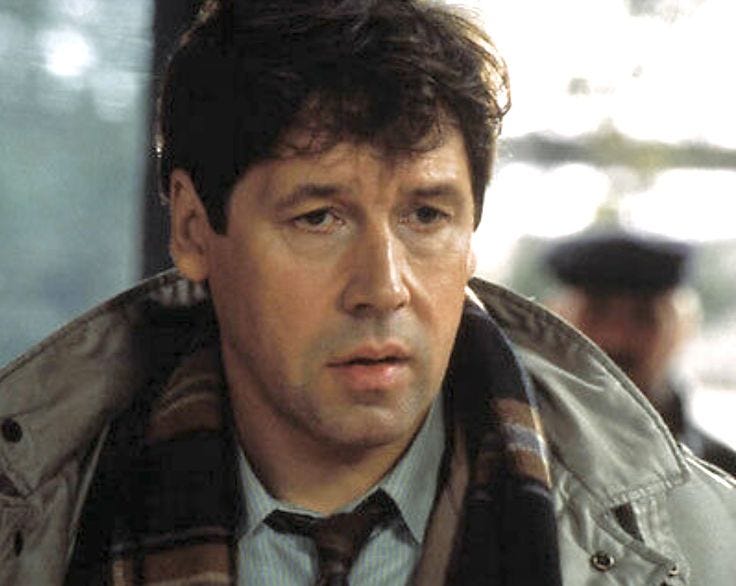
As the years pass, Burakov becomes obsessed with the case. His marriage suffers, and his health deteriorates. He was hospitalized for what was classified as severe occupational trauma. Yet he continues pushing forward because he knows every delay means more victims. Thousands of suspects are questioned, railway stations are monitored, and surveillance teams are deployed across multiple regions. Despite these efforts, the killer remains free.
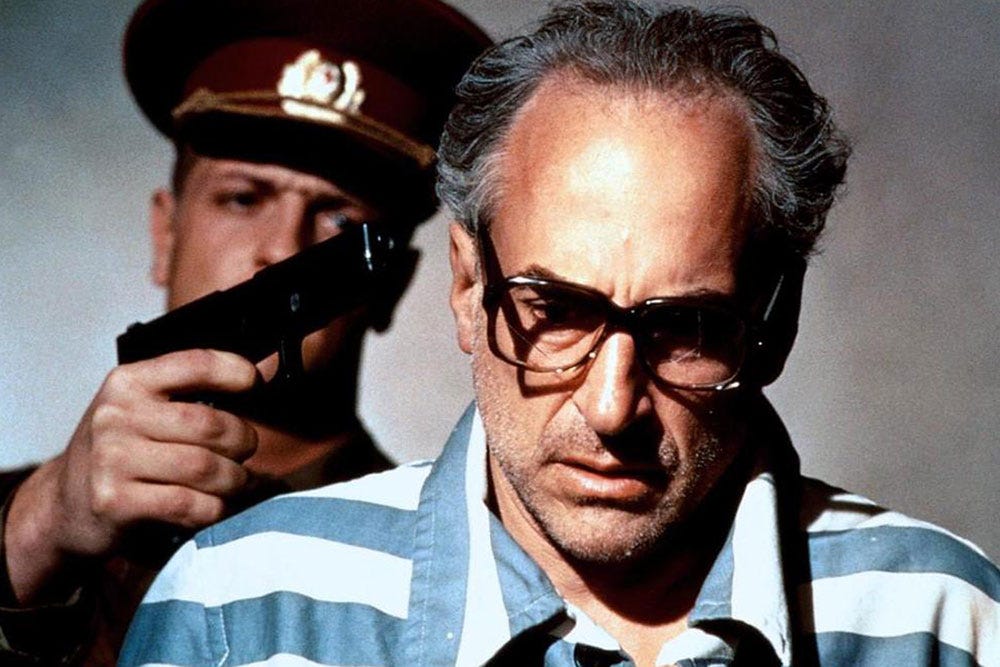
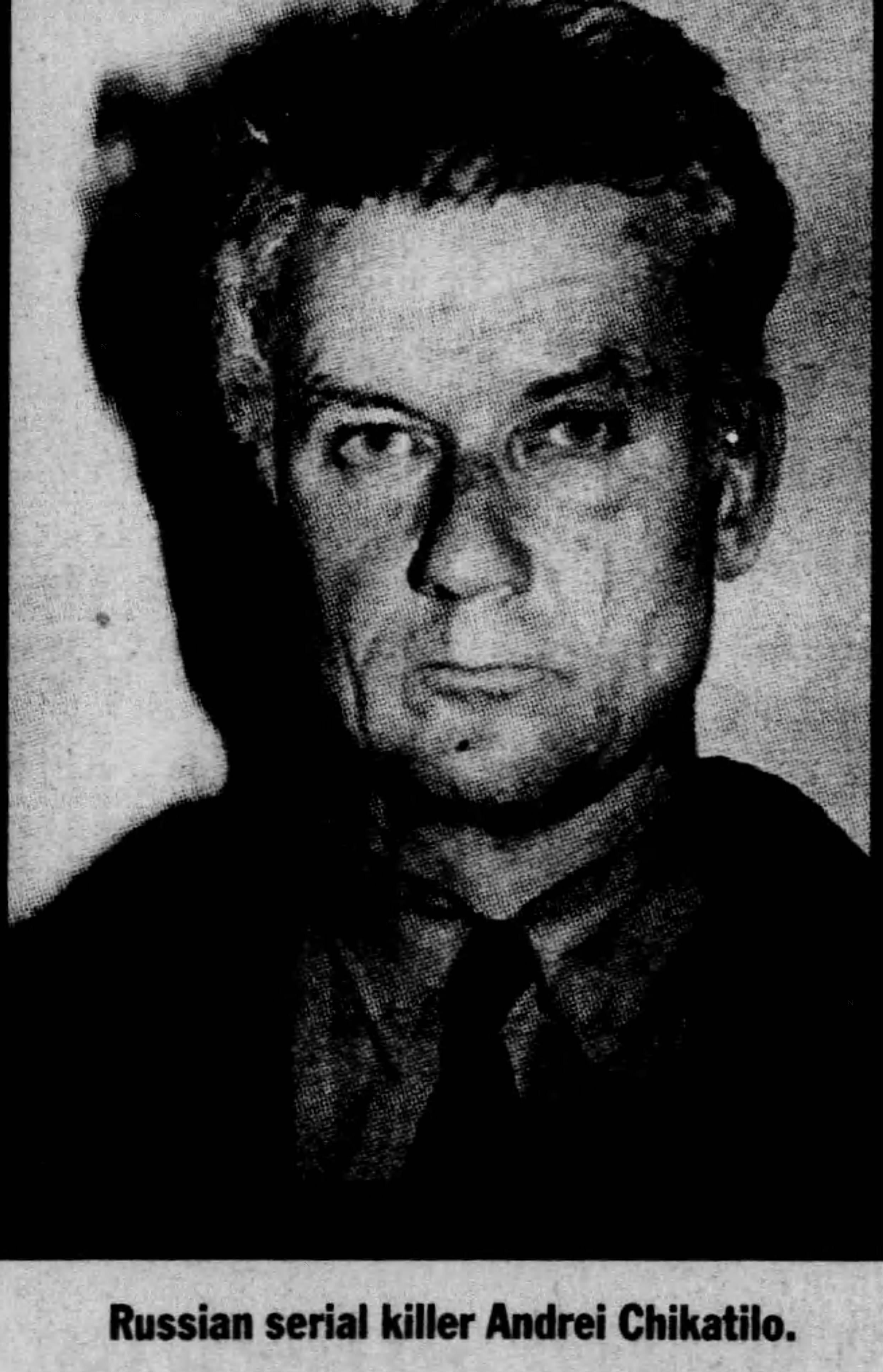
One of the film's most memorable moments occurs when investigators finally identify a strong suspect, Andrei Chikatilo, but due to an error involving blood-type evidence, he is released. The mistake becomes one of the most frustrating moments in the story. As the investigation enters the late 1980s, Burakov and his team finally begin closing in on their suspect. The evidence overwhelmingly points toward Chikatilo. However, after he is arrested, investigators struggled to obtain a confession.
The breakthrough comes when Dr. Bukhanovsky sits down with Chikatilo. Instead of accusing him, the psychiatrist carefully explains the emotions, frustrations, and motivations driving the murders. Chikatilo becomes increasingly emotional as he realizes someone understands the darkest parts of his personality, and eventually confesses.
After years of failure and political obstacles, investigators finally brought the Rostov Ripper to justice. The film ends with Chikatilo's execution.
While the film presents the investigation as primarily a two-man effort, the real task force was enormous. The hunt for Chikatilo was unlike anything Soviet law enforcement had previously experienced. According to investigative records, more than 300,000 individuals were questioned. The investigation crossed jurisdictional boundaries throughout southern Russia and Ukraine.
During the investigation, the team reportedly solved over 1,000 unrelated crimes, including numerous murders, simply as a byproduct of running the enormous surveillance operation.
Performances and Reception
When Citizen X premiered on HBO on February 25, 1995, much of the praise focused on its cast. At the center of the film was Irish actor Stephen Rea, who portrayed investigator Viktor Burakov. Rea was already known for acclaimed performances in films such as The Crying Game (1992), but Citizen X gave him a very different role.
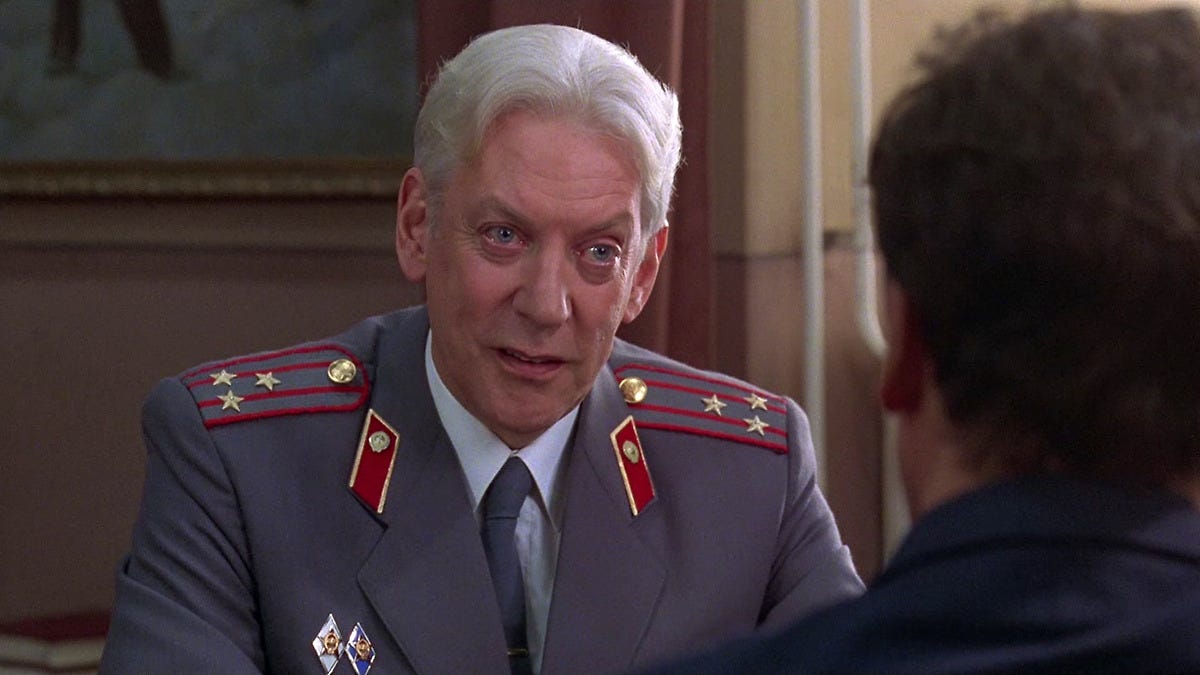
Many critics considered Rea's performance to be the emotional heart of the movie. Yet it was Donald Sutherland who received the most recognition. Sutherland portrays Colonel Mikhail Fetisov, a senior official who supports Burakov's investigation despite pressure from above. In many scenes, Fetisov serves as the voice of common sense within a deeply flawed system.
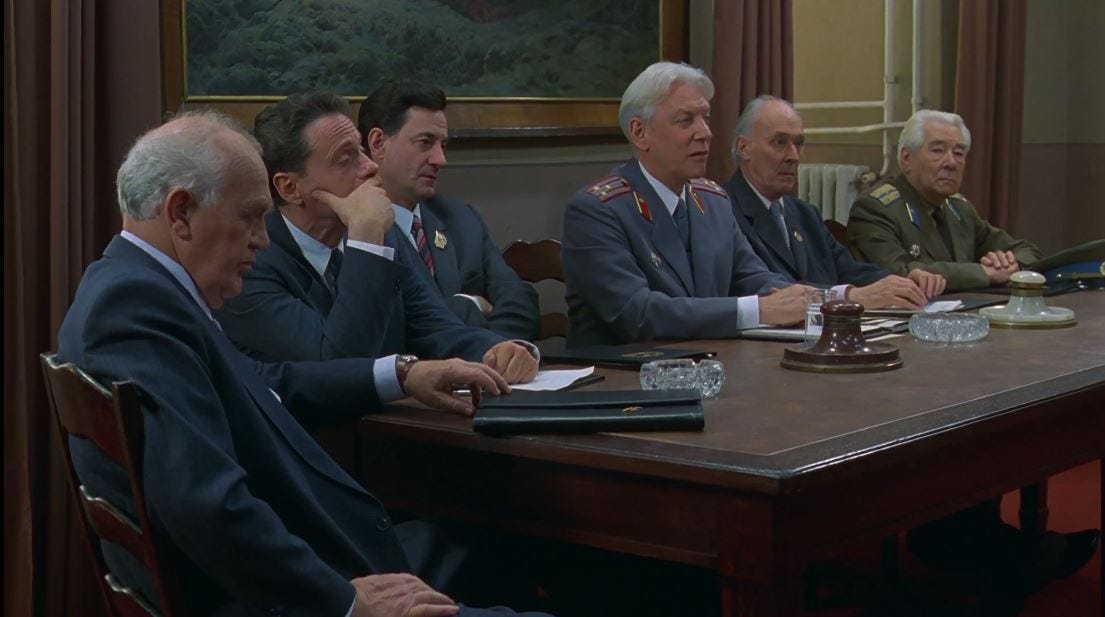
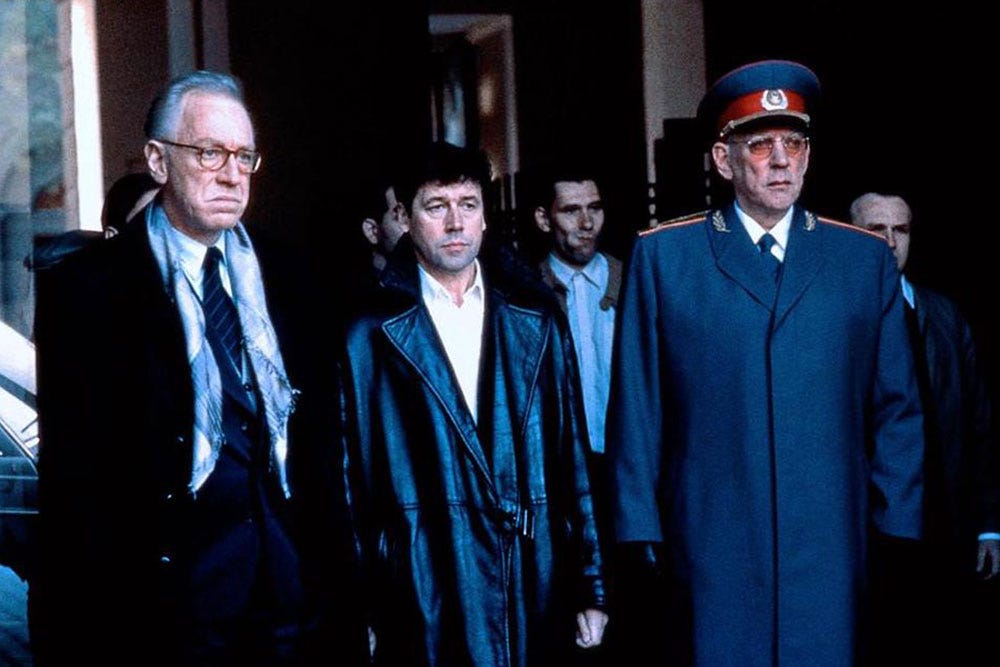
Sutherland brings a quiet authority to the role. His portrayal would later earn both a Primetime Emmy Award and a Golden Globe Award for Best Supporting Actor. Another standout performance came from Max von Sydow as psychiatrist Dr. Aleksandr Bukhanovsky. By the time Citizen X was released, von Sydow was already regarded as a highly accomplished actor. In Citizen X, he brought calm intelligence to the role of the psychiatrist who helped identify the killer.
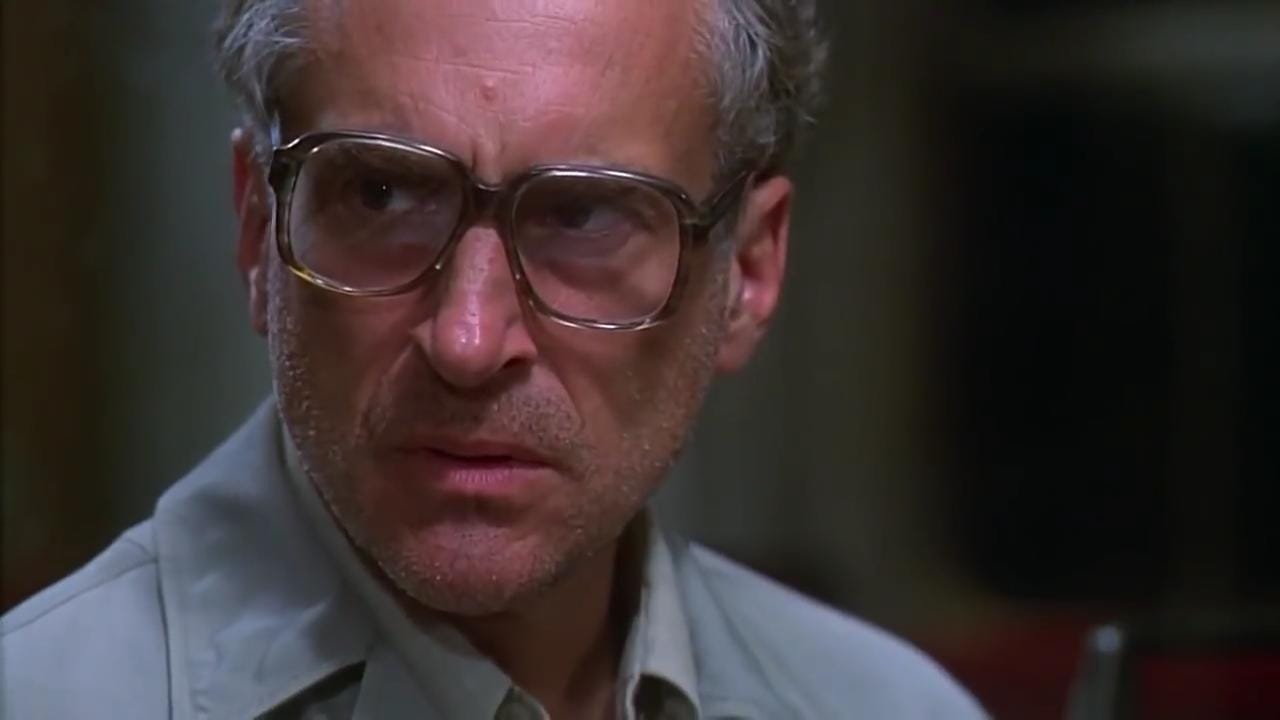
Then there was Jeffrey DeMunn, who faced perhaps the most difficult role of all, portraying Andrei Chikatilo. Instead of playing the character as a stereotypical movie villain, DeMunn portrayed him as shy and awkward, which reflected reality. His performance earned him an Emmy nomination and won him a CableACE Award.
Supporting performances from actors such as Imelda Staunton, Joss Ackland, and John Wood further strengthened the film. Together, their performances elevated Citizen X beyond a standard crime drama.
The film was directed and written by Chris Gerolmo and was based largely on the nonfiction book The Killer Department by journalist Robert Cullen, who had closely followed the Chikatilo investigation and interviewed many of the people involved. Rather than focusing mainly on the murders, the film concentrated on the investigation itself and the men who spent years trying to stop the killer.
Many reviewers lauded the film for treating the subject matter seriously and respectfully. Critics praised the restraint of the direction, the intelligence of the script, and the quality of the performances across the board.
At the 1995 Primetime Emmy Awards, Citizen X received seven nominations. Donald Sutherland won the Emmy for Outstanding Supporting Actor. The film also earned nominations for Outstanding Made-for-Television Movie, Directing, Writing, Casting, and Editing, as well as a Supporting Actor nomination for Jeffrey DeMunn. At the 1996 Golden Globe Awards, Donald Sutherland won Best Supporting Actor, while the film itself received a nomination for Best Television Movie or Miniseries.
Actual Events
Andrei Romanovich Chikatilo was born on October 16, 1936, in the small village of Yablochnoye, in what was then the Ukrainian Soviet Socialist Republic. He came into the world during one of the darkest periods in Ukrainian history.
Just a few years before his birth in the early 1930s, Ukraine had been devastated by the Holodomor, which was a state-engineered famine under Stalin's agricultural collectivization policies that killed millions of people. Although the famine had officially ended, food still remained scarce, poverty was common, and many families lived in constant hunger.
According to accounts later provided by Chikatilo, his mother, Anna, repeatedly told him that before he was born, his older brother, Stepan, had been kidnapped at four years old and eaten by starving neighbors during the famine. Though it was never established if this had actually occurred or if Stepan Chikatilo had even existed, the story traumatized young Andrei, and he grew up believing that somewhere in his village, desperate people had once eaten a child to survive.
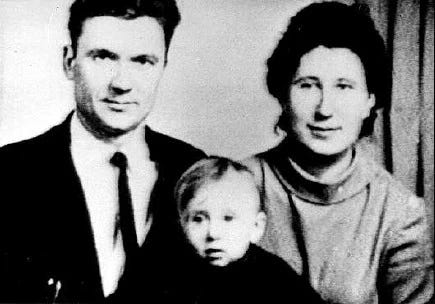
World War II brought more trauma. When Germany invaded the Soviet Union in 1941, his father, Roman Chikatilo, was drafted into the Red Army and sent to fight. The Nazi occupation brought hunger, fear, and violence. Like many Soviet children of his generation, Andrei grew up surrounded by death and suffering.
As a child, Chikatilo was described as shy, withdrawn, and anxious. He also suffered from a medical condition called hydrocephalus (water on the brain) at birth, which caused bladder and urinary problems. As a result, he often wet the bed, and the problem persisted into his adolescence. His mother reportedly beat and humiliated him over it, which left a lasting mark on him.
Though he was a good student, Chikatilo had difficulty at school. He would often go there on an empty stomach, suffering from extreme hunger. His weak stature and shabby homemade clothing made him a frequent target of bullies. During his adolescence, he discovered that he was impotent, which only added to his shame and low self-esteem.
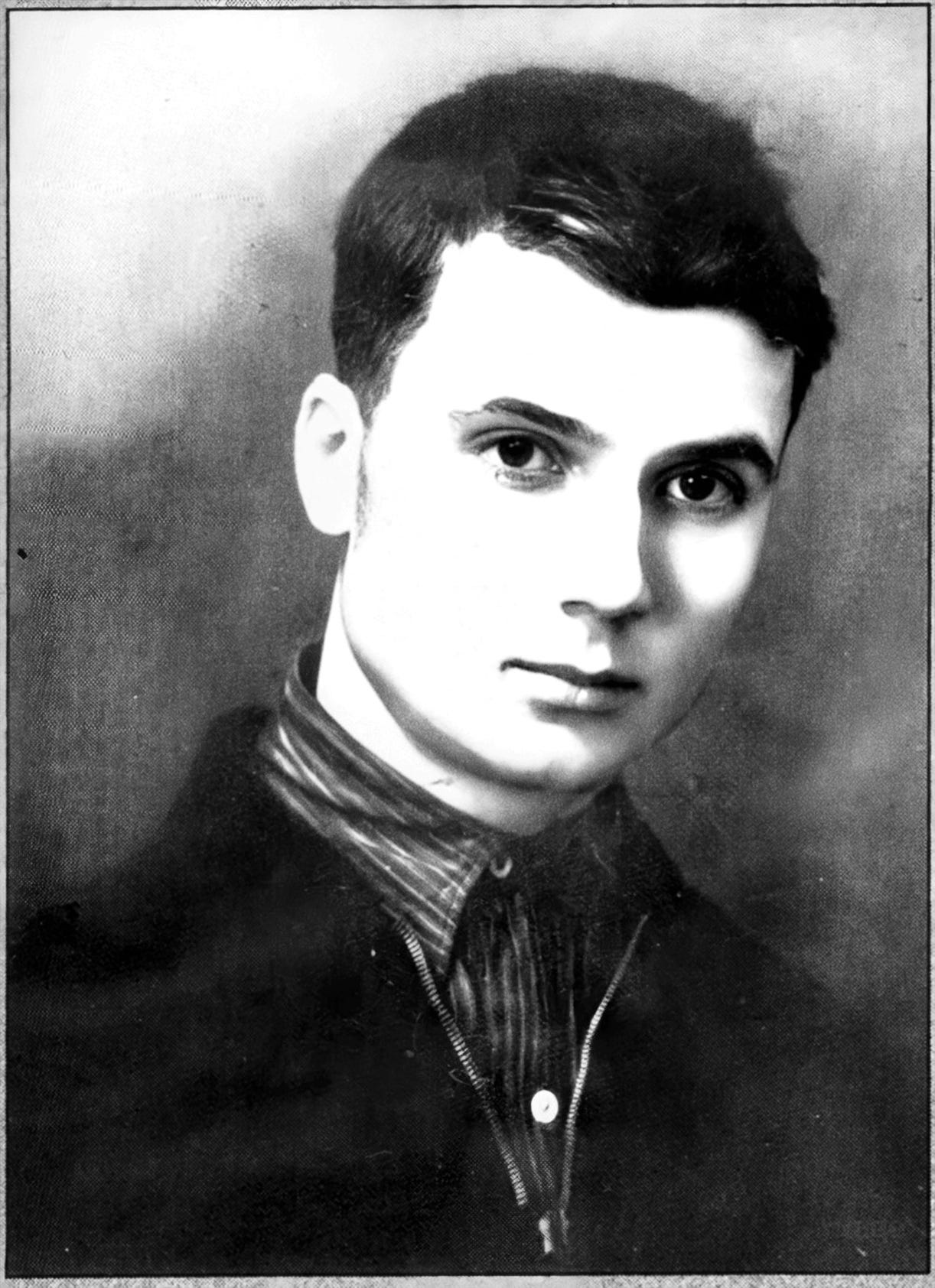
After finishing vocational training, he moved to the industrial city of Nizhny Tagil and later served in the Soviet Army from 1957 to 1960. His military record was considered good, and he even joined the Communist Party before leaving the service. Shortly after returning from military service, he began a relationship with a young woman.
The relationship ended badly after repeated sexual difficulties. The news spread among friends and neighbors, and according to his later statements, the ridicule affected him deeply and contributed to years of frustration and resentment.
By the early 1960s, Chikatilo left his hometown and moved to the Rostov region of Russia, hoping for a fresh start. In 1963, he married a woman named Feodosia Odnacheva, known as Fayina, and they had two children, a son and a daughter. In 1964, he enrolled as a correspondence student and studied Russian literature at Rostov Liberal Arts University, obtaining his degree in 1971.
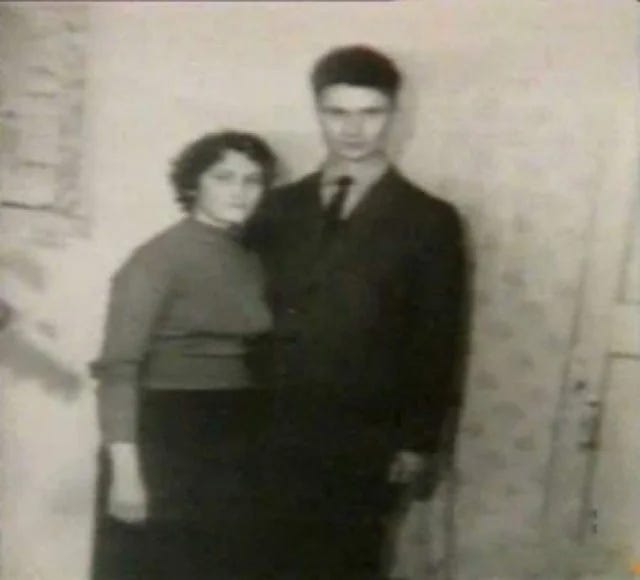
Soon after, Chikatilo began working as a schoolteacher in the mining city of Novoshakhtinsk in Rostov Oblast. Several complaints surfaced accusing him of inappropriate behavior toward the students, including groping and physical assaults. Though the incidents were documented, he was not punished. However, as the incidents continued, the school’s director told Chikatilo that he would need to either resign or be fired.
He left quietly, and in early 1974 he found work teaching at another school. Chikatilo later admitted that during this time, he often spied on and sometimes sexually assaulted young girls. After being laid off in 1978 due to staff cutbacks, Chikatilo began working at a technical school in the city of Shakhty. He was fired in 1981 after more allegations of sexual abuse.
Following his termination, Chikatilo quickly obtained employment as a supply clerk for a construction factory in Rostov. His new job caused him to travel throughout the Soviet Union to negotiate contracts and purchase materials.
Most people who encountered him remembered an unremarkable middle-aged worker who blended easily into the crowd. While family members and colleagues saw a quiet husband and father, Chikatilo was deeply broken inside as his impotence and feelings of inadequacy were never resolved.
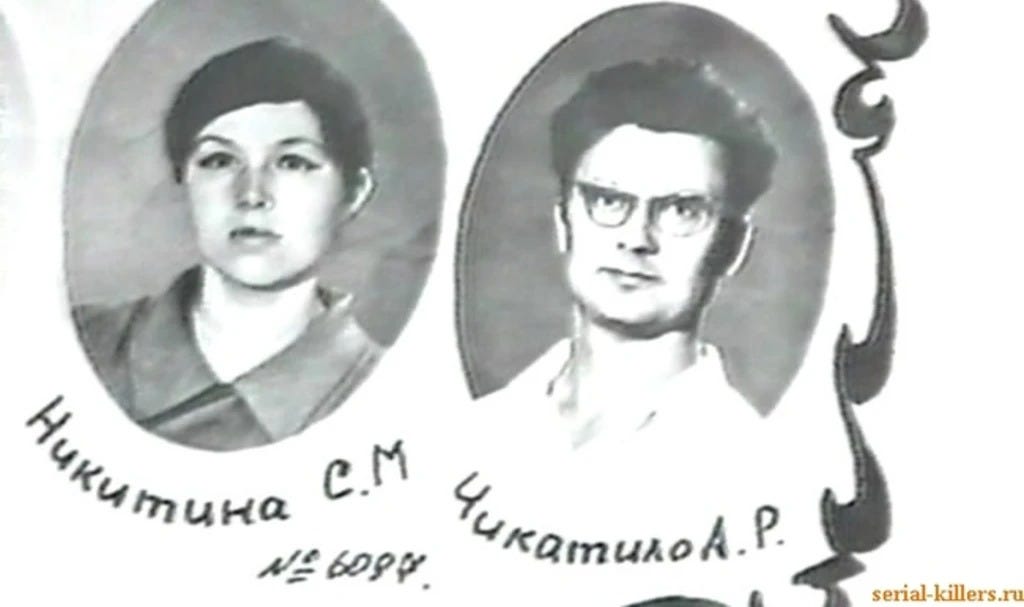
First Murder
On December 22, 1978, Chikatilo lured a 9-year-old girl named Yelena Zakotnova to an abandoned house he had secretly purchased in Shakhty, where he taught school. He tried to rape her, and when she struggled, he stabbed her with a knife. He then threw her body into the Grushevka River, where it was found two days later beneath a nearby bridge.
A witness had seen him with the child shortly before she disappeared. Chikatilo was brought in for questioning, but his wife provided him with a solid alibi, and investigators moved on. They now needed a suspect with a criminal record, and they found one in a 25-year-old man named Aleksandr Kravchenko, who had a prior conviction for rape and murder. Under what is strongly believed to have been a coerced interrogation, Kravchenko confessed, though he later retracted his confession, claiming he had been under extreme duress; he was nevertheless convicted of the murder.
In 1983, after years of legal proceedings and appeals, Aleksandr Kravchenko was executed for the murder of Yelena Zakotnova. Chikatilo had gotten away with the crime, and tragically, would get away with many more killings before he was finally apprehended. Chillingly, he would later claim that after the murder, he could only achieve sexual arousal from the torture and murder of women and children.

Victim Selection and Modus Operandi
On September 3, 1981, Chikatilo killed again. His second known victim was 17-year-old Larisa Tkachenko. She was waiting at a bus station near Rostov-on-Don when Chikatilo approached her. He convinced her to accompany him to a secluded area, where he attacked and murdered her. Her body was later found near the Don River. Investigators noticed disturbing similarities between her murder and the killing of Yelena years earlier, but at the time, nobody connected the cases.
As the decade passed, Chikatilo killed at least 53 people, comprising 14 girls, 21 boys, and 18 women. His hunting grounds were the bus stops and train stations scattered across Rostov Oblast and neighboring regions. As a supply clerk and factory worker, he did not arouse suspicion because his work-related travel was normal. He used trains extensively, often spending hours in railway stations where he could observe potential victims.
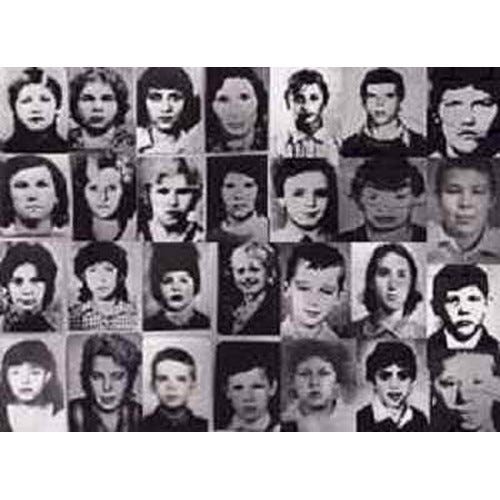
His method was almost always the same. Chikatilo targeted people who were often vulnerable and easy to isolate. He would approach them at a station, in a park, at a market, or in a public area and begin a friendly conversation. Sometimes he offered food, and other times, he promised help, directions, or companionship. If the victim agreed to walk with him, he would lead them toward woods, abandoned areas, riverbanks, or isolated fields away from witnesses.
Once alone, victims were stabbed repeatedly, often with over 30 wounds on a single body. Some victims had their eyes gouged out, and many were horrifically mutilated. The killing and the act of violence were what gave Chikatilo the only sexual release he was capable of. He left traces of semen at crime scenes. He bit his victims, and he sometimes removed and consumed organs. His crimes were becoming progressively more brutal, and as the years passed, fear spread across southern Russia.
One of the most unusual aspects of the case was not the killer himself but the system around him. During the Cold War, Soviet leaders promoted the idea that communist society was morally superior to the West. Crime certainly existed, but officials often insisted that certain forms of crime, especially serial murder, were products of capitalist societies.
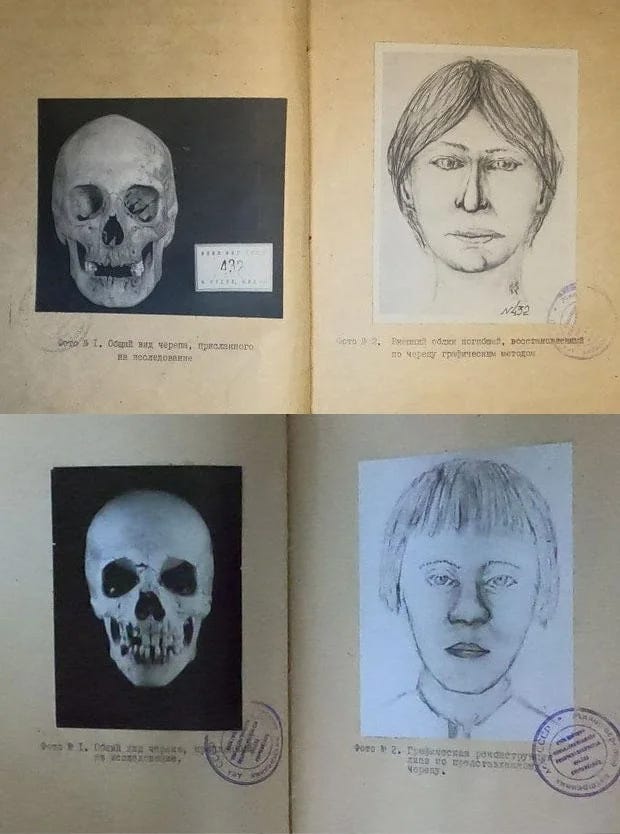
As a result, many authorities initially struggled to accept what investigators were discovering in Rostov. But by 1982, when bodies were appearing across multiple districts, investigators could no longer ignore the pattern.
Hunt for the “Rostov Ripper”
In January 1983, Soviet authorities in Moscow sent Major Mikhail Fetisov, a senior detective, to Rostov to take charge. Fetisov, in turn, assigned a young forensic analyst named Viktor Burakov to lead the ground investigation in Shakhty. Burakov had little experience with an investigation like this, but he was meticulous and relentless. Unlike some officials, he believed the evidence clearly pointed to a serial killer, but proving it was another matter entirely.
In September 1984, Chikatilo was arrested and detained after he was observed at a Rostov bus station attempting to talk to several young women. Inside his briefcase, police found a knife, rope, and Vaseline. A blood sample from Chikatilo was taken and compared against semen samples recovered at some of the crime scenes. However, the samples were type AB, while Chikatilo’s blood sample was type A. He was therefore not considered a suspect.
Nobody knew at the time that Chikatilo suffered from an extraordinarily rare biological condition that caused discrepancies between his blood type and bodily fluids. He was what scientists call a "non-secretor." His blood was Type A, and his semen read as AB. There was, in fact, a medical explanation, but the science available at the time failed to account for the difference.
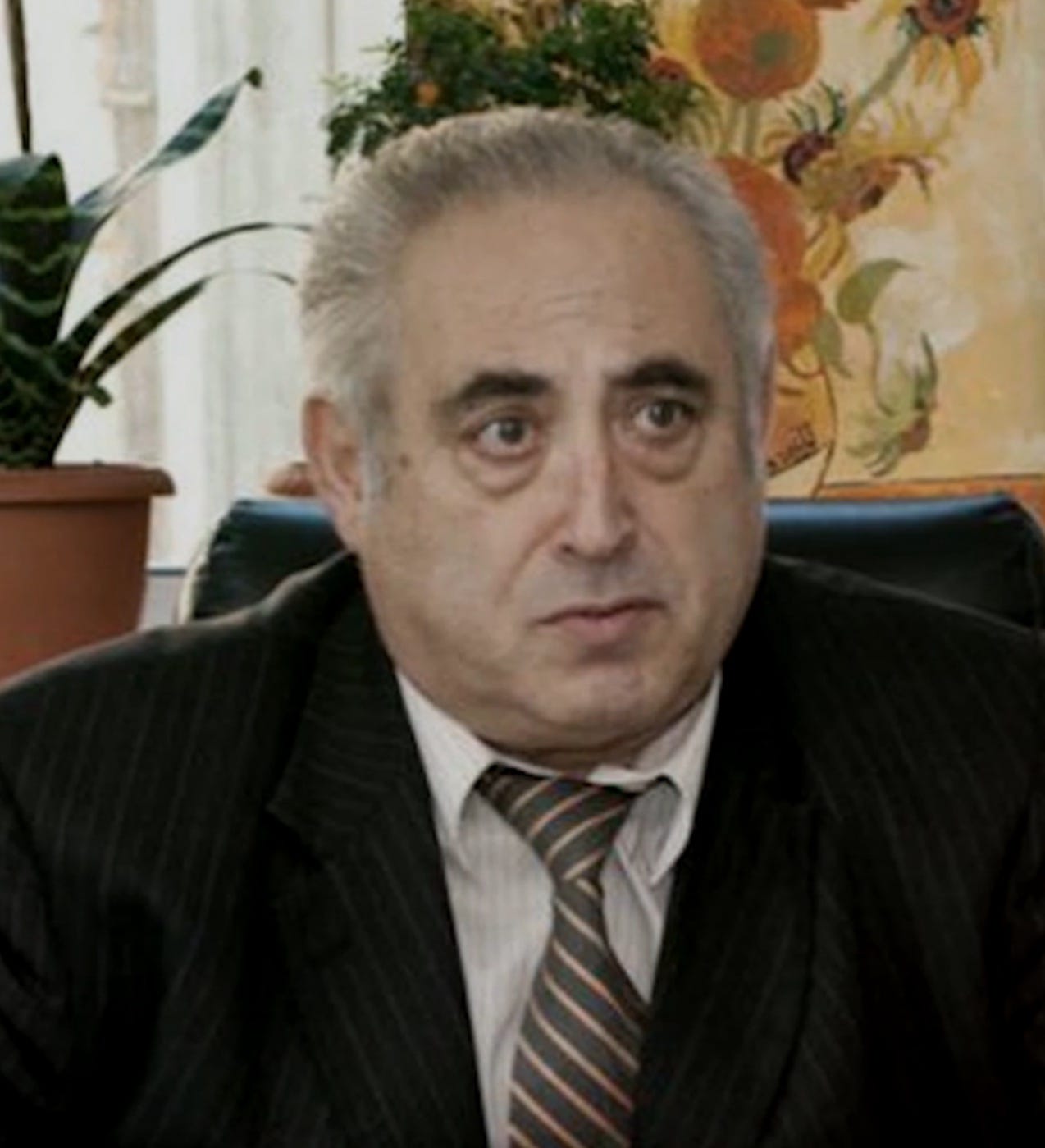
Chikatilo was incarcerated on unrelated theft charges and released in December 1984. After his release, Chikatilo resumed killing. Desperate for answers, Burakov sought help from a psychiatrist, Dr. Aleksandr Bukhanovsky. Using crime scene evidence, victim patterns, and behavioral clues, Bukhanovsky created a detailed psychological profile of the unknown killer.
The profile described a middle-aged married man, socially awkward, suffering from sexual problems, educated, and employed in a job that required frequent travel. The profile fit Andrei Chikatilo with remarkable accuracy. Though at the time, investigators still had no suspect.
Breakthrough in the Case
By 1990, Chikatilo was killing more frequently than ever. He murdered nine people that year alone, including children as young as seven. The discovery of fresh bodies in wooded areas around Rostov triggered a massive police mobilization across the whole area. Burakov then designed the strategy that would finally catch him.
Because many of the victims were found near train stations in Rostov, the plan was to flood the busier, more crowded stations with highly visible uniformed officers in an attempt to divert the killer to one of three smaller, less busy stations, which undercover plainclothes officers were keeping under surveillance. The plan was set in motion in late October 1990.
On November 6, 1990, Chikatilo murdered 22-year-old Svetlana Korostik near a wooded area outside Donleskhoz station. Unlike many of his previous victims, Svetlana fought back. During the struggle, she scratched Chikatilo's face and hands, leaving visible marks. When he emerged from the forest, his appearance attracted attention. His clothes were dirty, his face was scratched, and leaves and branches clung to his suit.
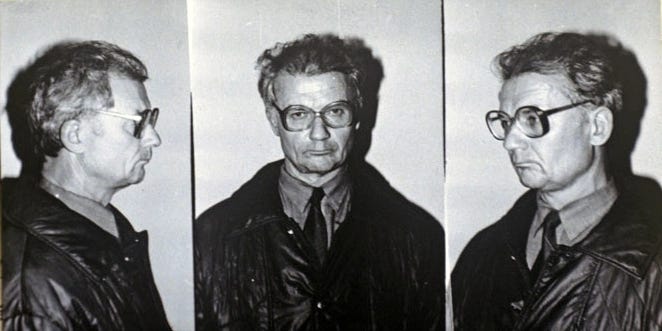
A police officer named Igor Rybakov noticed him. The officer had no idea he was looking at the Rostov Ripper. Rybakov stopped the man, checked his identification, and wrote down his details. Since there was no evidence linking him to a crime at that moment, Chikatilo was allowed to leave. But the officer's report was filed and soon reached investigators working on the serial murder case.
Arrest and Confession
The name of the suspicious man matched one that was already in the files. Viktor Burakov then placed Chikatilo under surveillance. On November 20, 1990, Chikatilo was arrested, and inside his briefcase once again were a knife, a rope, and Vaseline.
While in custody, Chikatilo went quiet. The hardline interrogators who tried to break him through confrontation got nowhere, and for days, he said almost nothing and denied everything. Investigators knew that proving dozens of murders in court would be difficult without his cooperation.
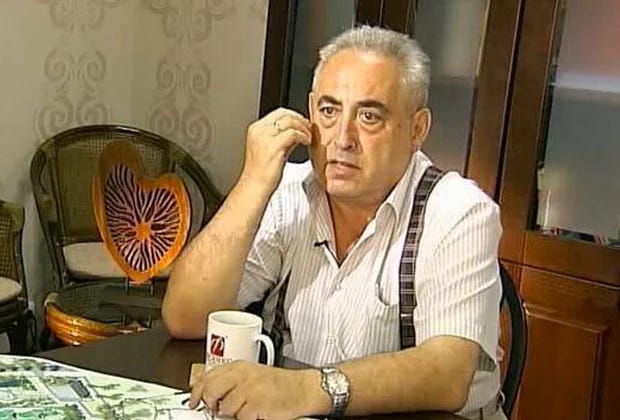
Physical evidence existed, but many of the crimes had occurred years earlier, so they needed something more. That was when psychiatrist Dr. Aleksandr Bukhanovsky entered the interrogation process. Bukhanovsky had spent years studying the case. Unlike other interrogators, he did not focus on threats or intimidation. Instead, the psychiatrist sat down with Chikatilo alone in the room and focused on understanding the man in front of him.
He started with the psychological profile he had written five years earlier and began to read it aloud as a description. Here was a man, he said, who had been humiliated as a child. Who had never been understood. Who had discovered, by accident, that the only thing that made him feel anything was the act of violence. Who had been carrying this terrible secret alone for 32 years.
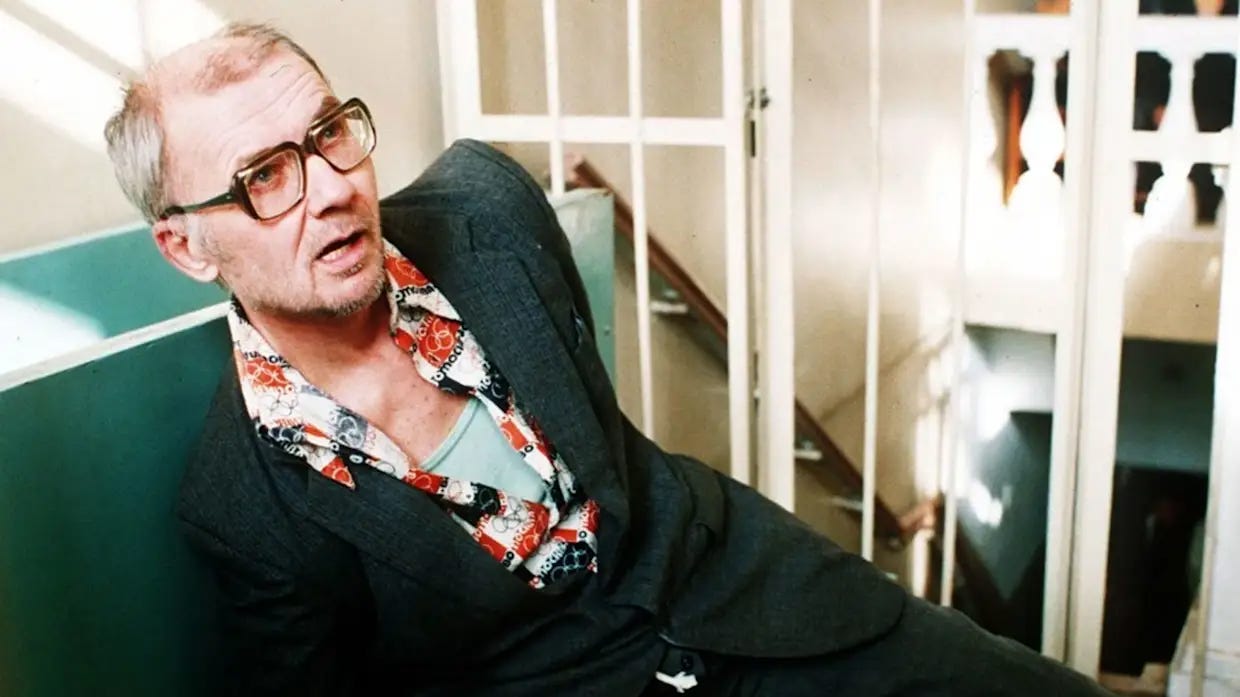
According to accounts of the session, Chikatilo began to tremble. Then he wept. He had never once in his life felt that anyone truly understood what was inside him. Eventually, Chikatilo started talking and confessing. He admitted to murder after murder, providing details that only the killer could have known.
At first, he confessed to dozens of killings already linked to the investigation. Then he revealed additional murders that police had never connected to the case. He even led investigators to locations where bodies had been hidden. In December 1990, he guided authorities to the remains of one victim, providing undeniable proof that he was the killer they had been hunting.
Eventually, Chikatilo confessed to 56 murders. Authorities ultimately charged him with 53 murders committed between 1978 and 1990.
Trial and Execution
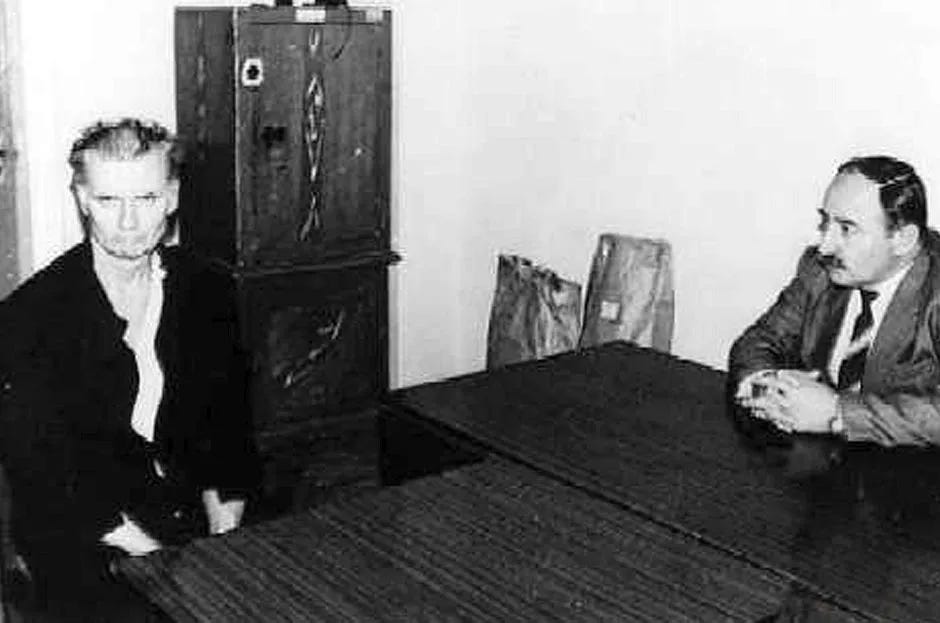
The trial of Andrei Chikatilo opened on April 14, 1992, in Rostov-on-Don. To protect the court from both the defendant and the rage of victims' families, he was kept in an iron cage throughout the proceedings. The media dubbed him "The Maniac." His behavior was strange, as he ranted, sang, talked nonsense, and at one point dropped his trousers and waved his genitals at the crowd. The proceedings lasted for months.
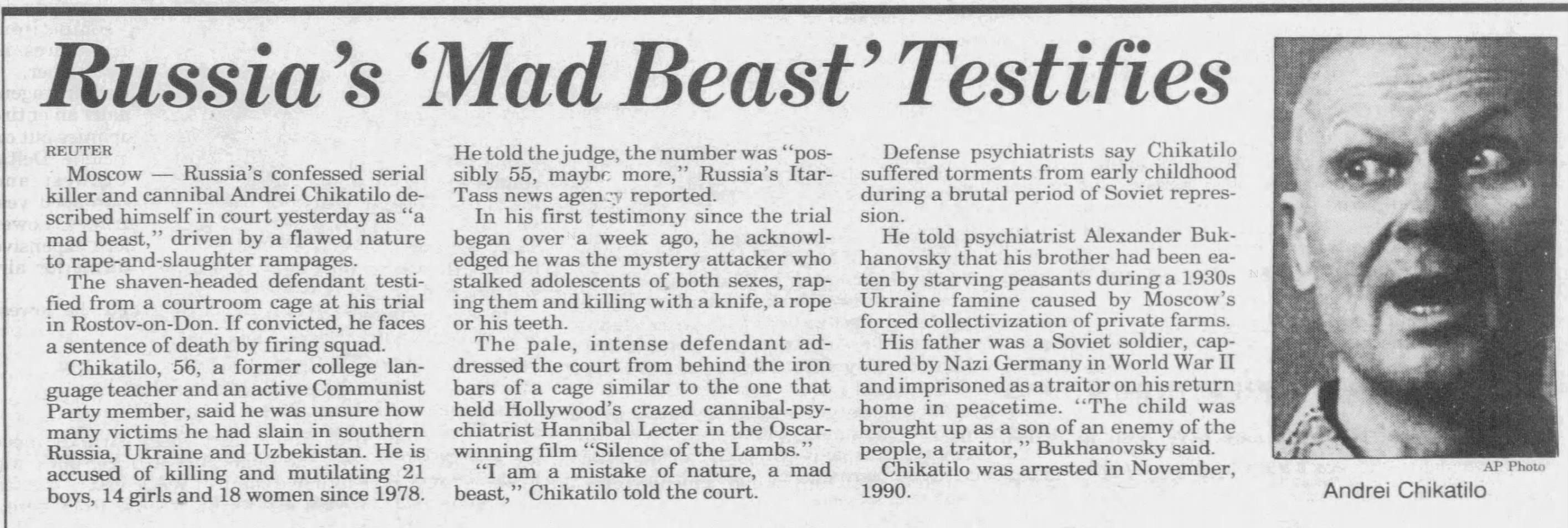
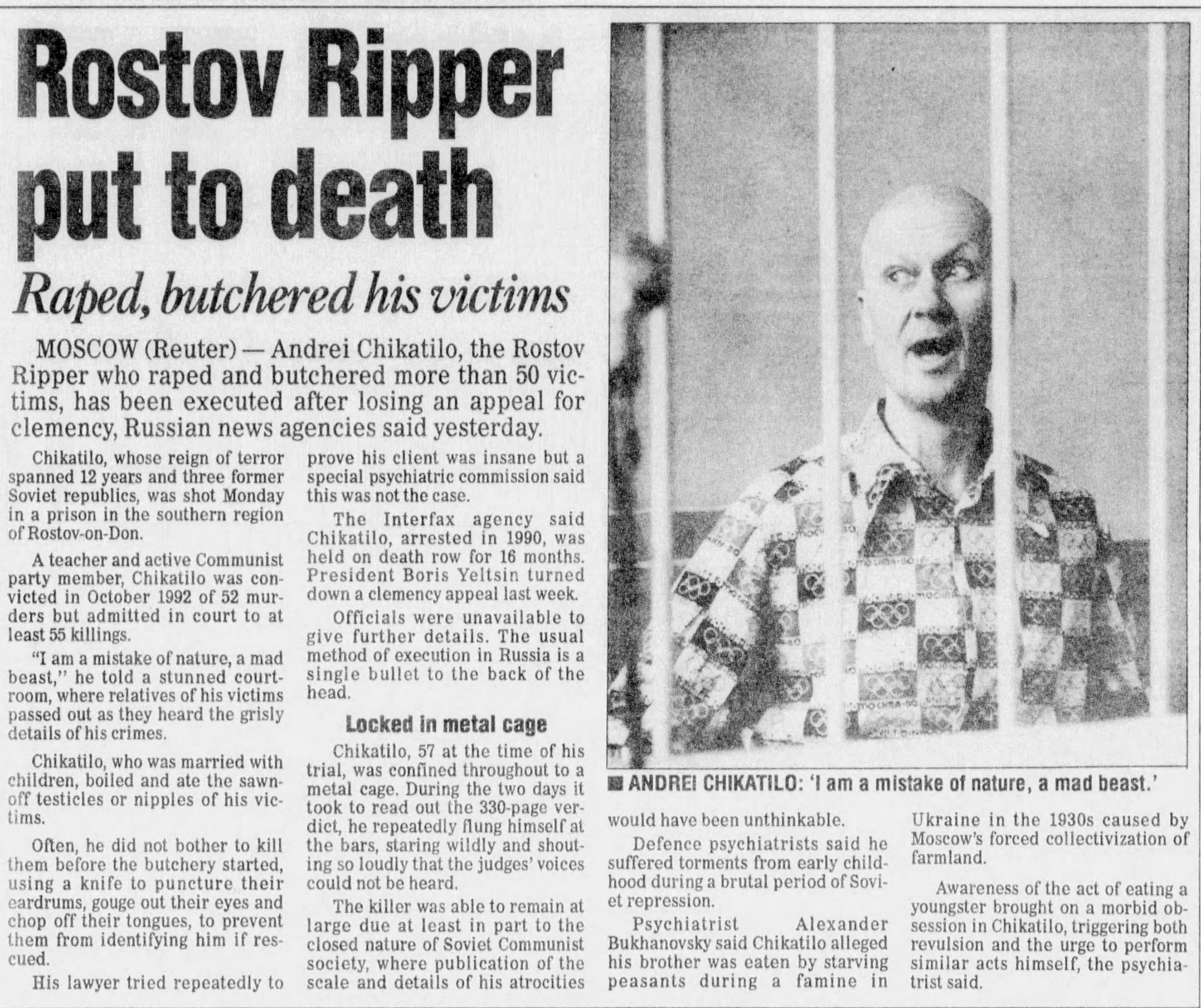
On October 15, 1992, Chikatilo was found guilty of 52 murders and sentenced to death. Despite appeals from his lawyers and claims of mental illness, higher courts upheld the conviction. A final plea for mercy sent to Russian President Boris Yeltsin was rejected.
On February 14, 1994, Andrei Romanovich Chikatilo was taken to a soundproof room in Novocherkassk prison and executed with a single gunshot to the back of the head. He was 57 years old at that time.
After his execution in 1994, Chikatilo's brain was reportedly donated to a research institute to study the neurological basis of his behavior. Any definitive findings from that research have never been publicly published.
The Film's Portrayal of the Investigation
One of the reasons the film received so much praise is that, unlike many true crime films, Citizen X focuses on the investigators rather than the killer. From the opening scenes, viewers are placed in the shoes of Viktor Burakov. Instead of showing every murder in graphic detail, the film concentrates on the endless frustration of trying to solve a case when every answer seems just out of reach.
Investigators are forced to pursue theories they know are wrong. Innocent people are rounded up because they fit a political profile more conveniently than the evidence. It depicts a system that would rather have the wrong answer quickly than the right answer slowly.
The movie shows investigators working long hours, traveling across vast distances, and chasing leads that often end in disappointment. It becomes clear that solving the case is not simply a matter of finding evidence.
Although some details are simplified for storytelling purposes, the overall investigation shown in Citizen X remains one of the most accurate portrayals of a real criminal investigation ever put on screen.
More than thirty years after the crimes and over three decades after the film's release, Citizen X's success came from its strong performances, careful storytelling, and a commitment to showing how a determined group of investigators eventually brought one of history's most notorious serial killers to justice.
Sources:
Wigington, Patti. “Profile of Andrei Chikatilo, Serial Killer.” ThoughtCo., 18 Nov. 2019, https://www.thoughtco.com/andrei-chikatilo-biography-4176163
“Andrei Chikatilo.” Criminal Minds Wiki, https://criminalminds.fandom.com/wiki/Andrei_Chikatilo
Bocco, Diana. “Details You Didn’t Know About Serial Killer Andrei Chikatilo.” Grunge, 11 May 2021, https://www.grunge.com/407003/details-you-didnt-know-about-serial-killer-andrei-chikatilo/
Ashenden, Robin. “Russia’s ‘Red Ripper’ Andrei Chikatilo was a uniquely Soviet serial killer.” The Spectator, 11 Feb. 2024, https://spectator.com/article/russias-red-ripper-andrei-chikatilo-was-a-uniquely-soviet-serial-killer/?edition=us
Merryweather, Cheish. “10 Disturbing Facts About the Rostov Ripper, Andrei Chikatilo.” Listverse, 7 Jan. 2020, https://listverse.com/2020/01/07/10-disturbing-facts-about-andrei-39the-rostov-ripper39-chikatilo/
Back when HBO made good movies Citizen X was a classic.
Wow! What a horrible man!