


Background
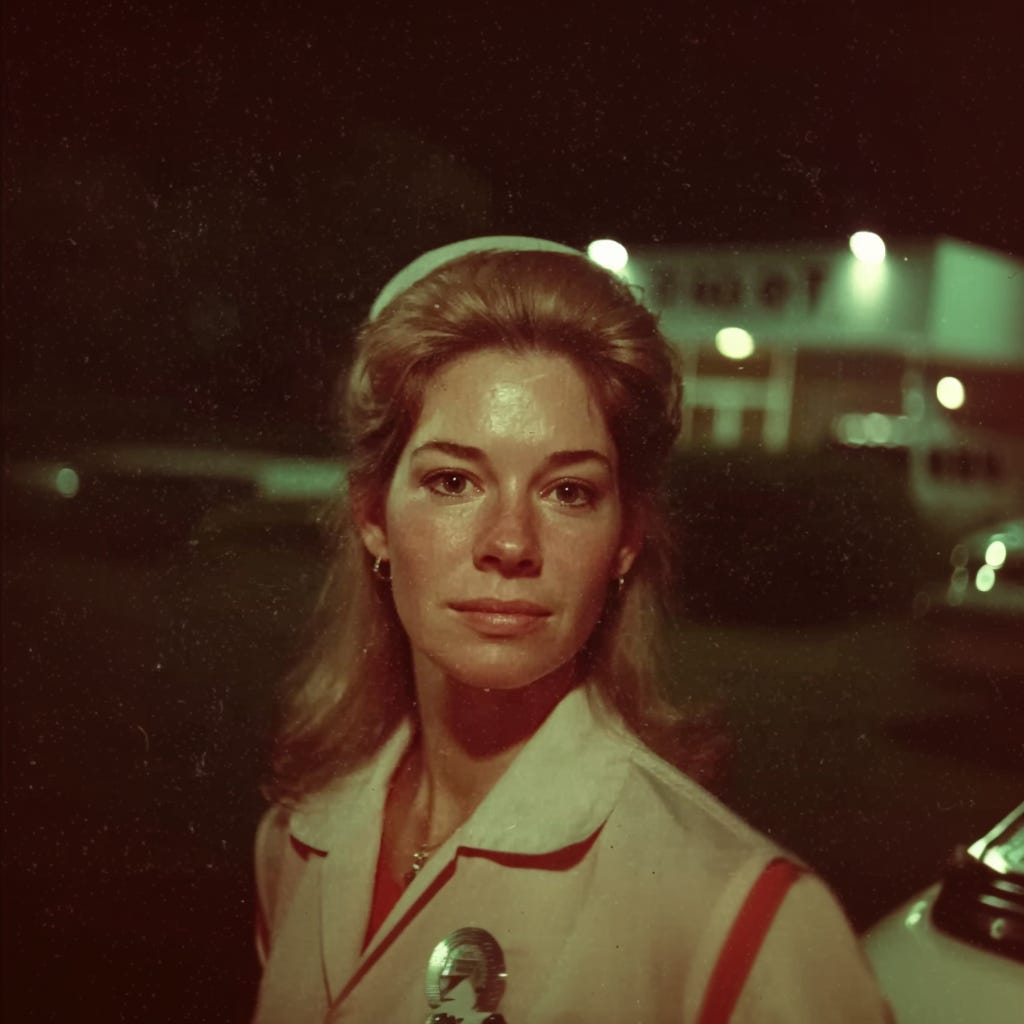
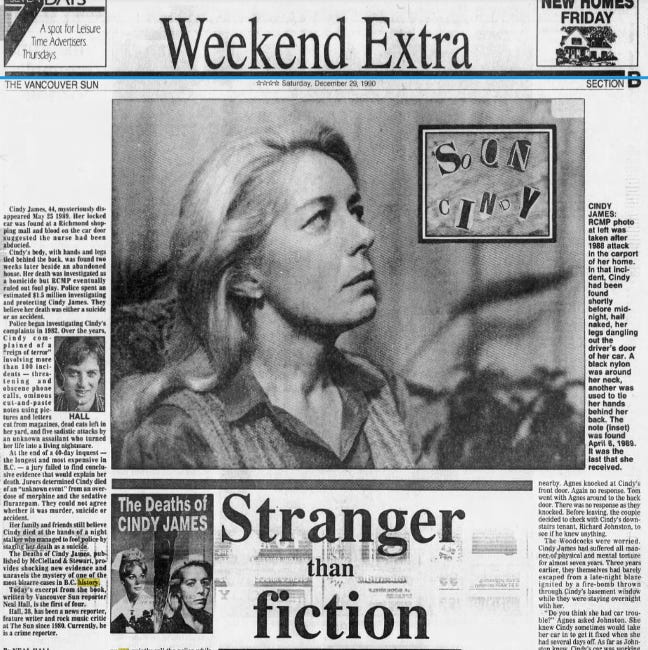
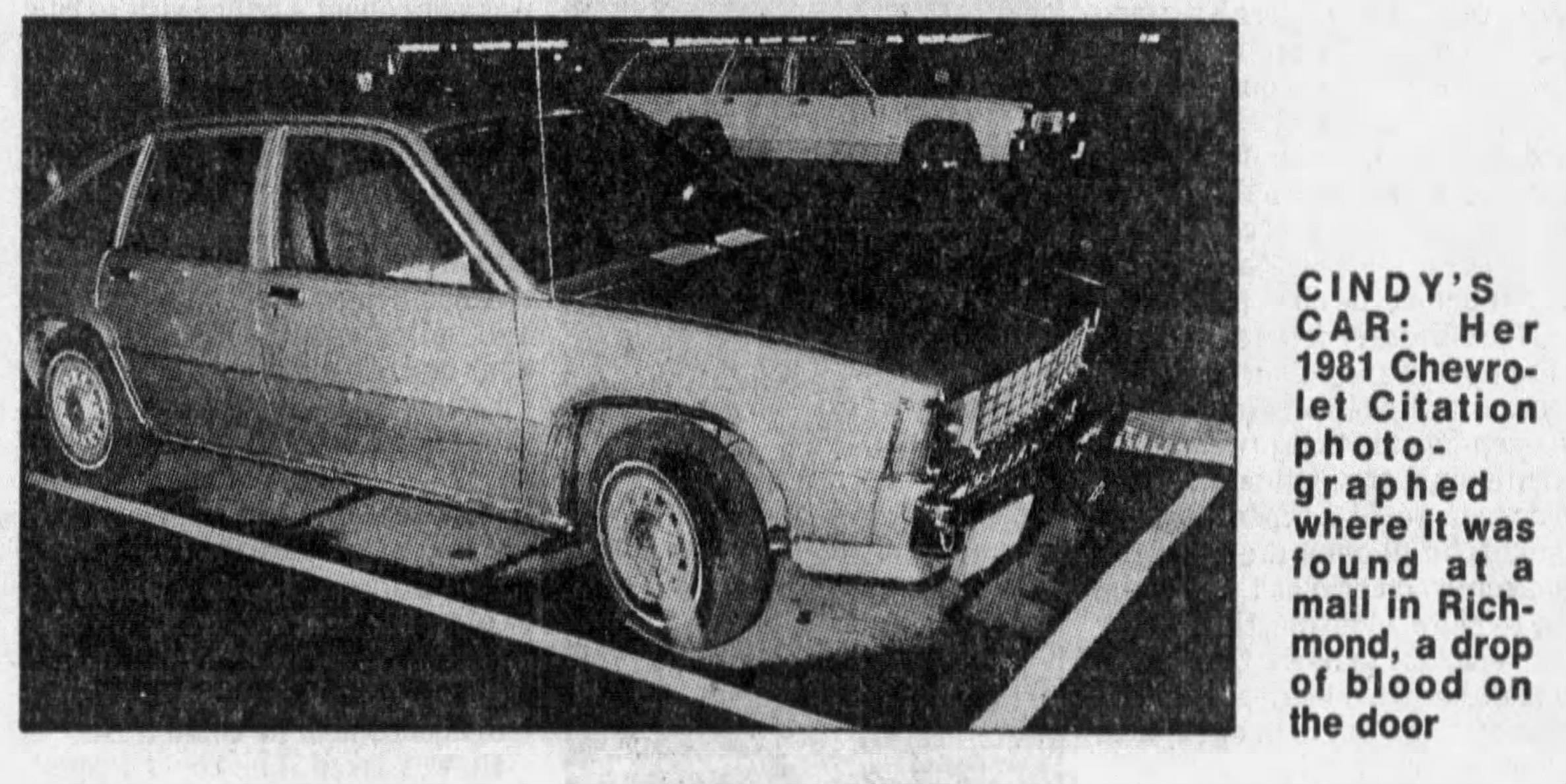
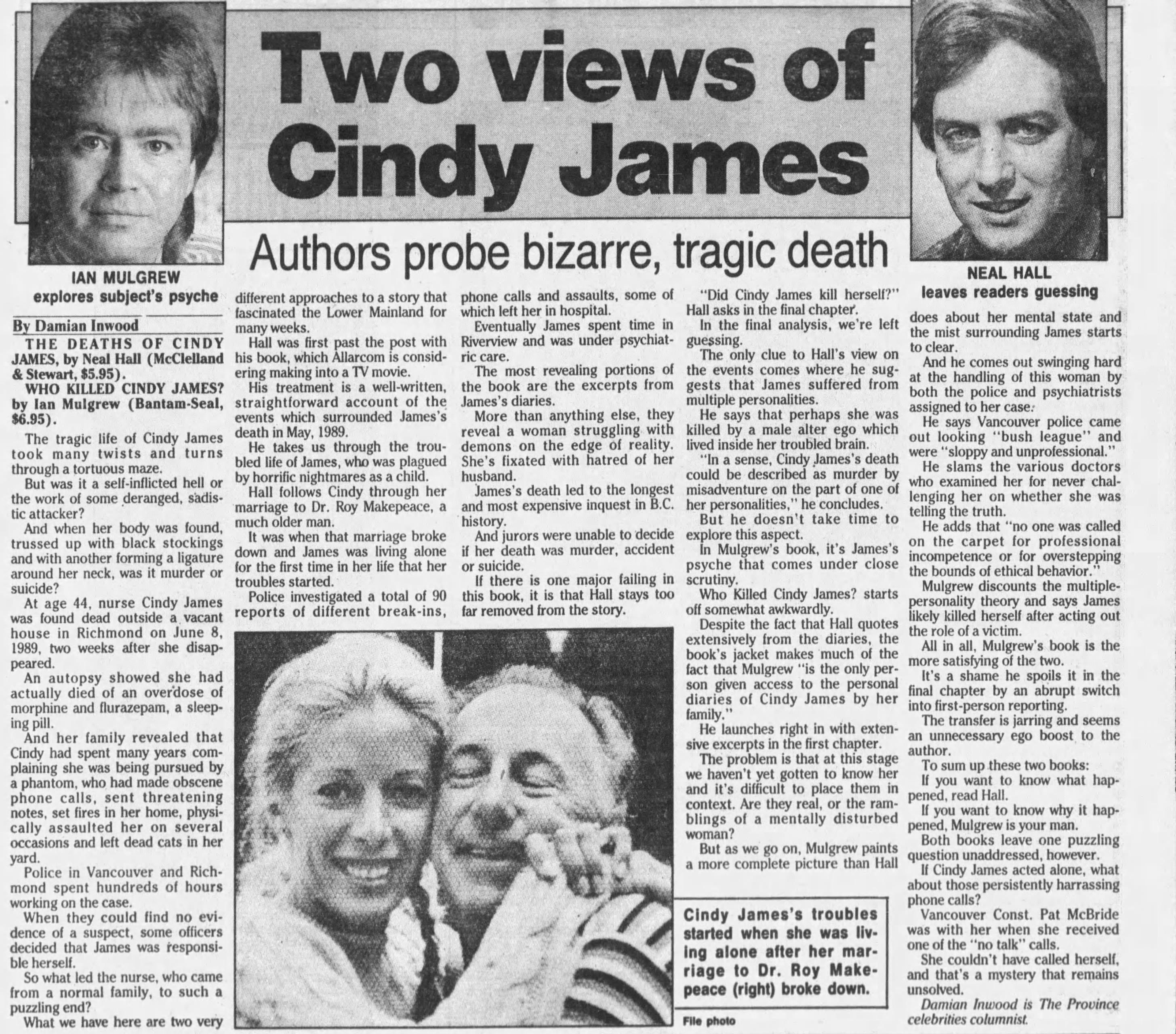
On May 25th, 1989, after years of reported stalking, harassment, and assaults, 44-year-old Cindy James was reported missing. That same day, Cindy’s abandoned car was located in the parking lot of a shopping plaza not far from her home in Richmond, British Columbia.
Inside the car were bags of groceries, suggesting she had been interrupted mid-errand, and on the driver's side door were smears of blood. Outside the vehicle, investigators found the contents of Cindy’s purse scattered under the car. Police dogs were unable to track a scent beyond the parking lot.
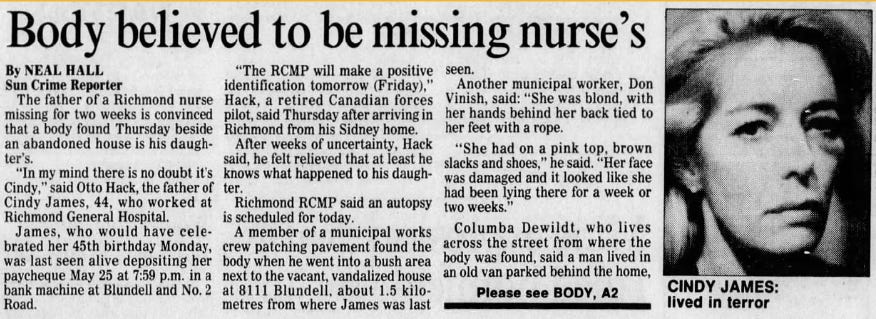
Then, on June 8th, 1989, nearly two weeks after Cindy was reported missing, a passerby noticed something unusual in the overgrown yard of an abandoned house in Richmond, British Columbia, and alerted authorities.
The body of Cindy James was found hog-tied, with her hands and feet bound behind her back, and a black nylon stocking tightly wrapped around her neck - the positioning of the body suggested deliberate placement, not an accidental death.
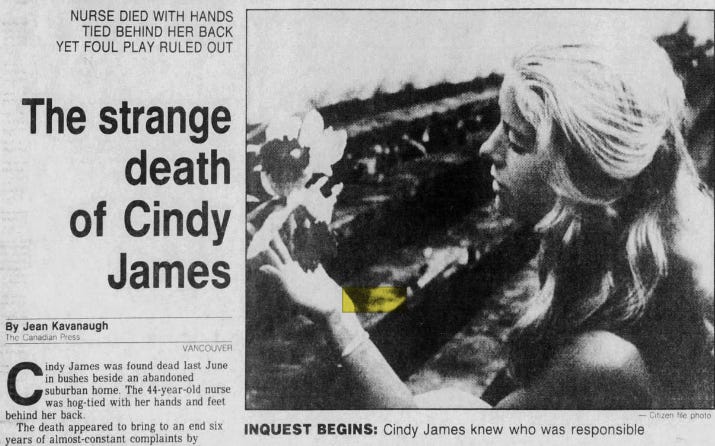
Despite this, and the nearly 100 incidents of harassment that James had reported to the RCMP, an inquest would later determine that the cause of James’ death was an “unknown event,” and her case would be officially closed.
Who Was Cindy James?
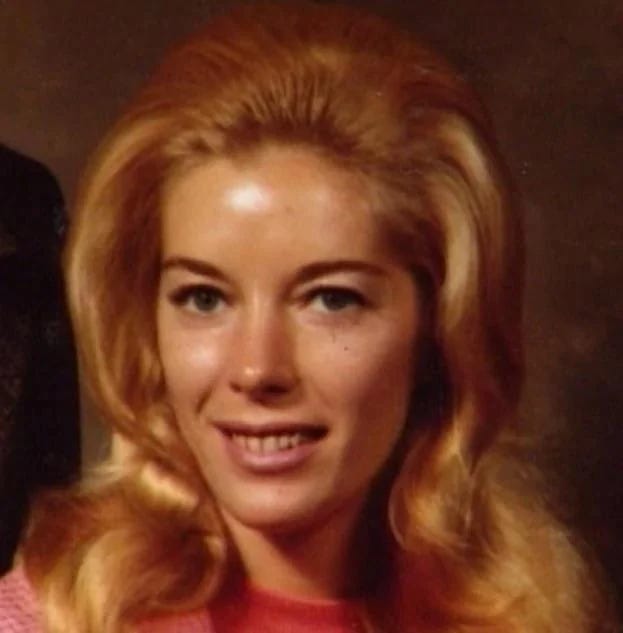
Cindy James was born on June 12th, 1944, in Oliver, British Columbia, to parents Matilda and Otto Hack. Cindy was the third of six children. Cindy’s father, Otto, was a Colonel in the Royal Canadian Air Force, and it has been reported that Cindy and her siblings grew up in a strict and disciplined household.
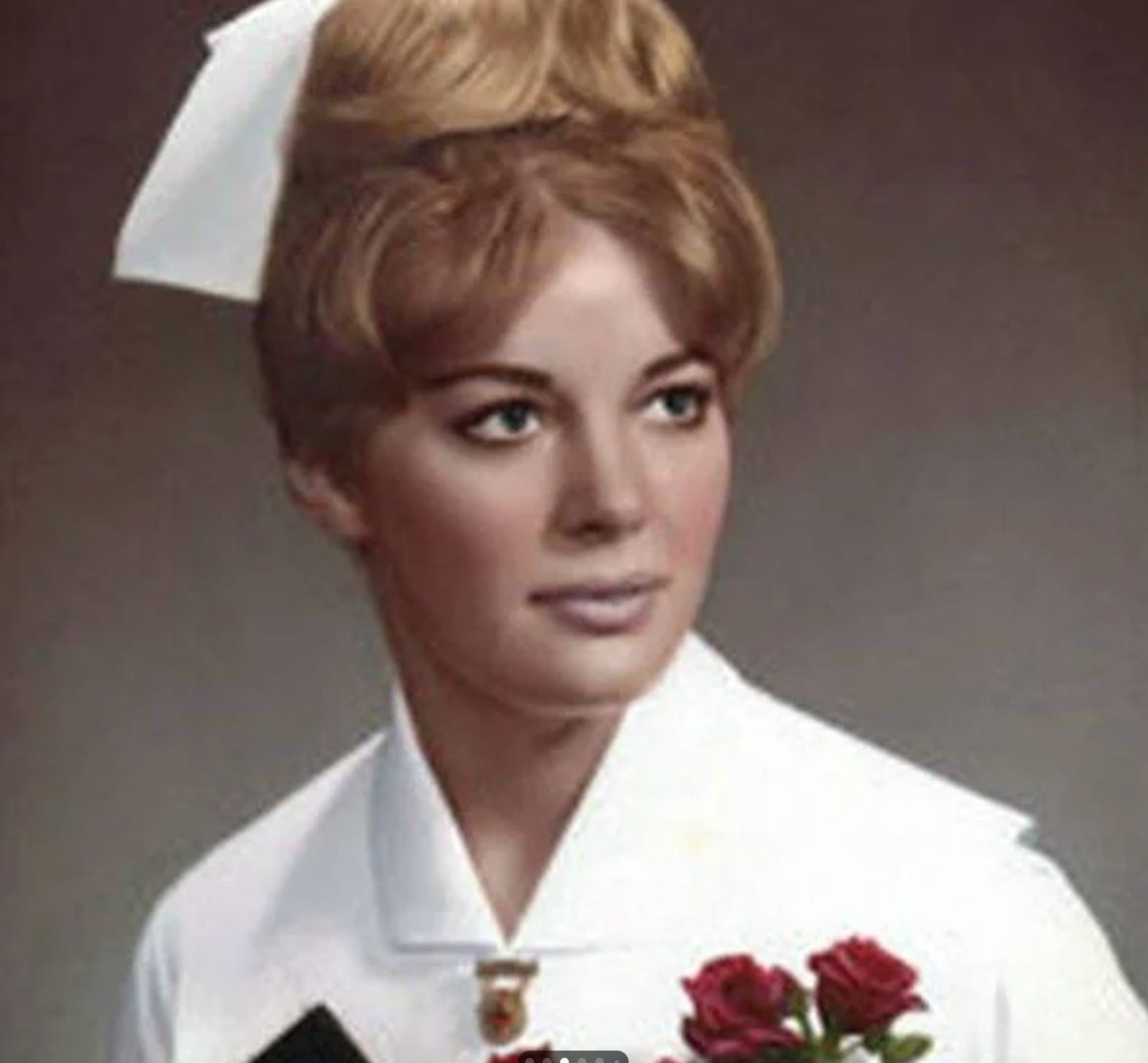
As a young adult, Cindy pursued a nursing career in Vancouver and enrolled in nursing school in 1962. During her studies, her father re-enlisted in the Canadian Air Force and relocated the family to France. Cindy would visit them during the holidays and write to them.
In some of her letters, she told her family of a medical intern she was engaged to, who later died by taking his own life after receiving a terminal cancer diagnosis - no one in her family ever met him, nor did Cindy ever formally identify him.
In 1965, Cindy met Dr. Roy Makepeace, a psychiatrist who was 18 years older than her, and the pair married in December 1966. It is claimed that her family expressed concerns about the marriage, having described it as “troubled,” and later claimed allegations of abuse.
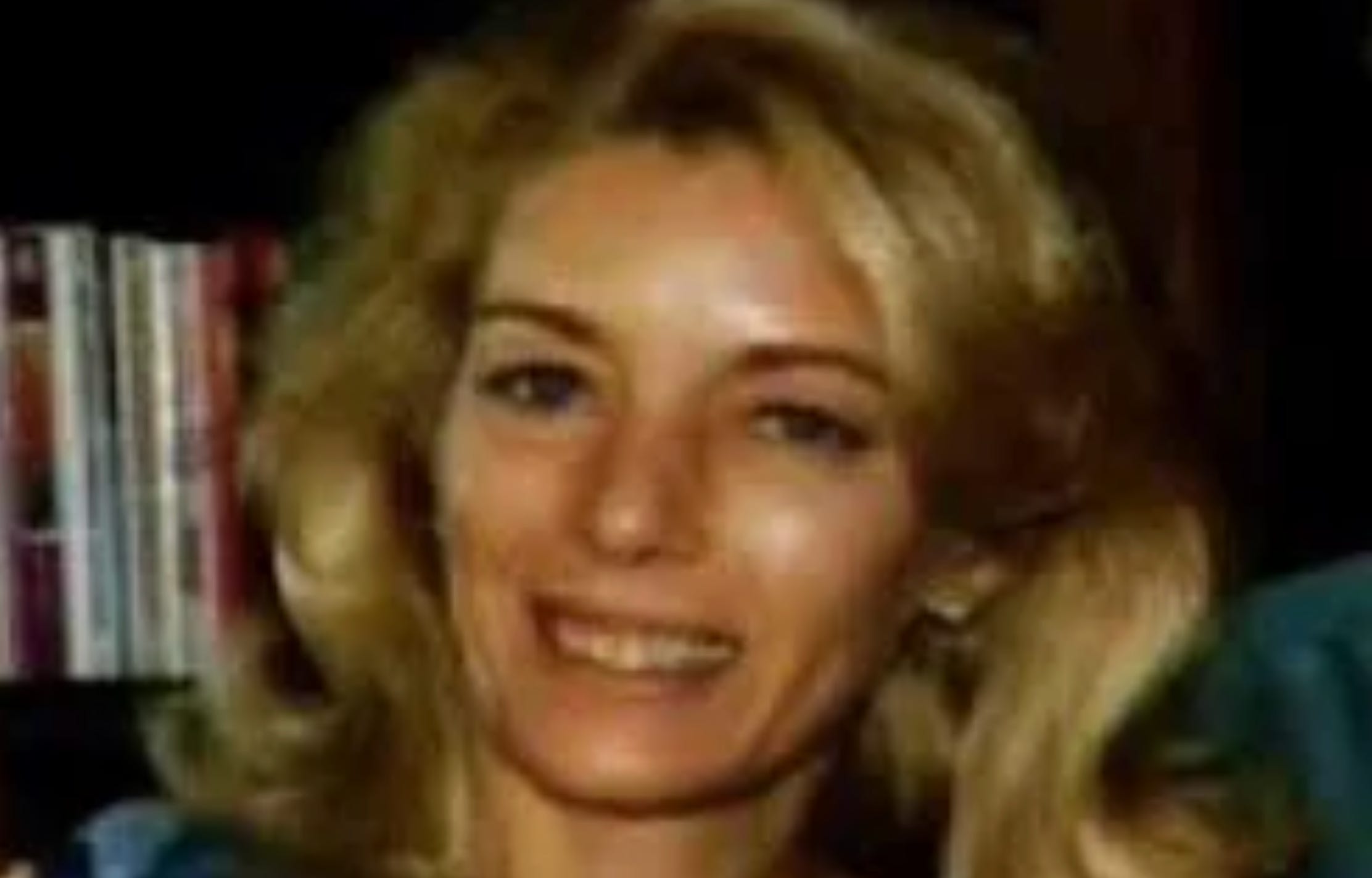
Cindy specialized in pediatric and psychiatric nursing, working first as a pediatric nurse at the Vancouver General Hospital, then later spending over a decade at Blenheim House. Her professionalism and care were noted by patients and colleagues alike. Her friends described her as intelligent, meticulous, and deeply empathetic.
Campaign of Fear
In the summer of 1982, Cindy and Roy separated. Shortly after that, her nightmare began. In October, Cindy began receiving disturbing anonymous phone calls, often late at night - the calls would sometimes be a man’s voice whispering her name, other times, it was silence or heavy breathing. One threatening caller even told her he knew she was inside her living room, so hiding wouldn’t help.
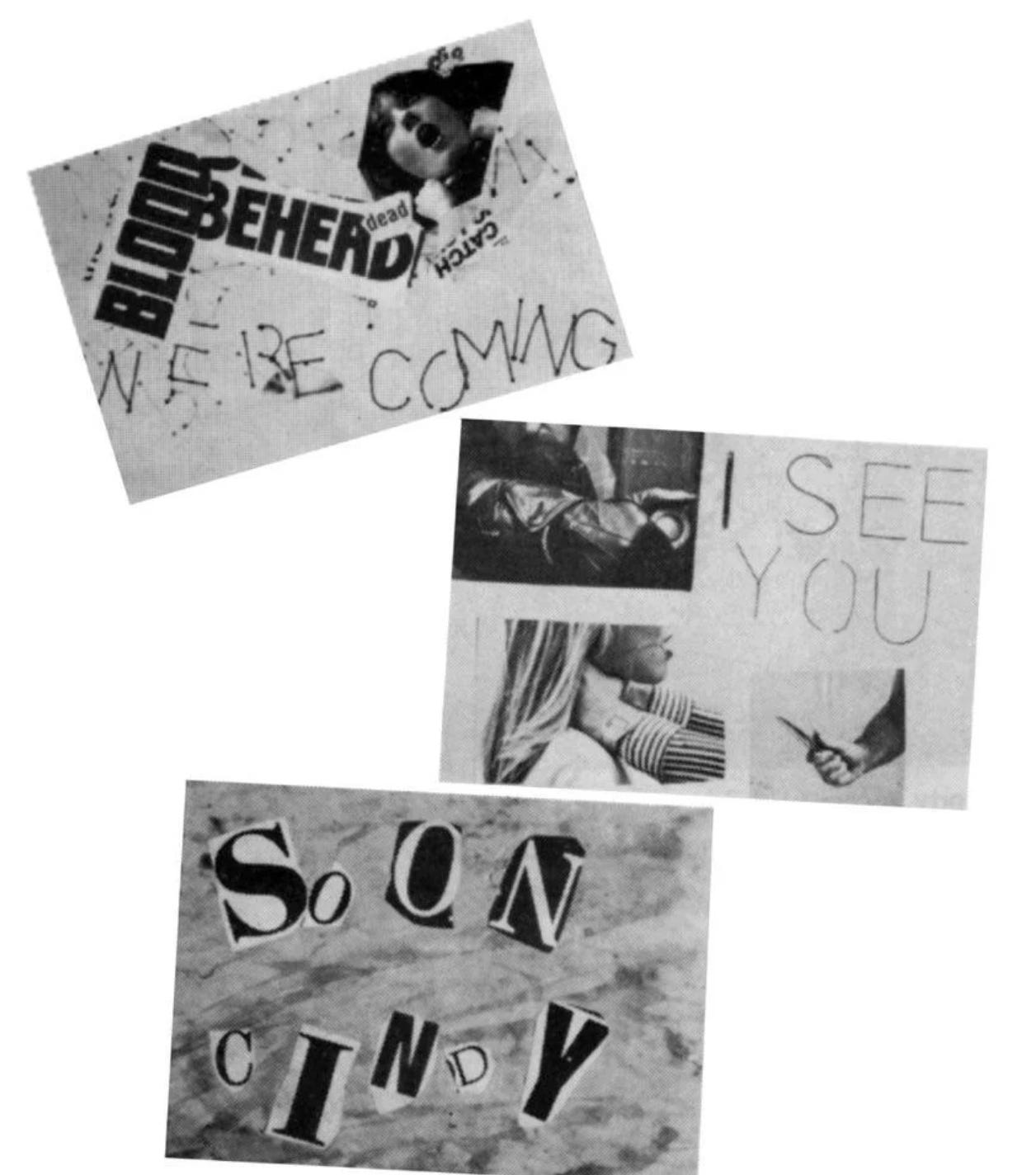
Notes began appearing at her home, and even at her workplace; some were made using crudely cut letters from magazines and newspapers, and some were written in a rushed and erratic manner - they were explicit, violent, and said things like “You will die!,” “Cindy I see you”, “Run rabbit run, I’ll show you how good I am,” and “You’re next.”
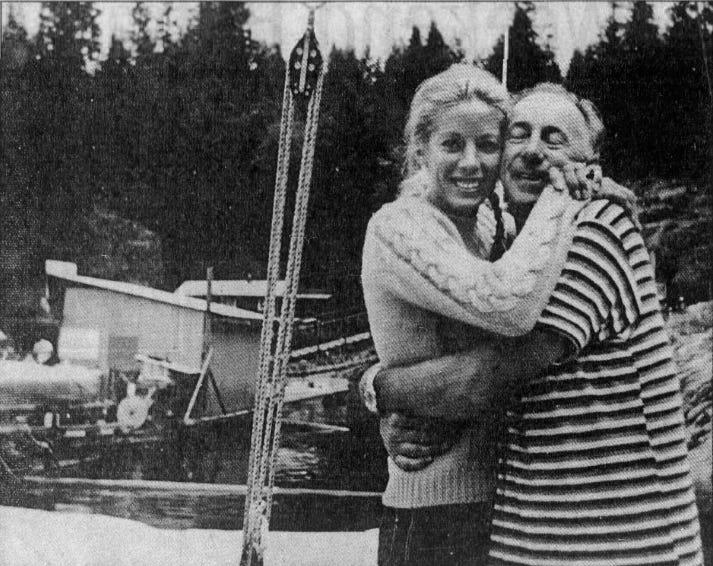
Soon after this, she reported that a rock had been thrown through her back door window and that someone had entered her house, though nothing appeared to have been missing or moved. In one instance, a dead cat was left on her lawn. Though she reported the incidents to the police, the campaign of fear continued. Her porch lights were smashed, her phone lines severed. Cindy saw this as the intruder sending a message, wanting her to know they had been in her home.
Shortly before Christmas, Cindy received a note outside of her house that read “MERRY CHRISTMAS,” with a picture of a dead woman under a sheet. Then, in late January 1983, the incidents escalated from threats to violence. Cindy’s friend Agnes Woodcock found her unconscious outside her home, with a nylon stocking tied tightly around her neck. Cindy said someone grabbed her and assaulted her while she went to the garage, but the only thing she saw were the attacker’s white sneakers.
This was also when some of the investigators began to have doubts, claiming that the medical evidence did not align with Cindy’s version of events. And though her parents believed their daughter, Cindy’s father, Otto, stated that he felt that she was not telling them everything she knew, likely out of fear.
In a desperate attempt to escape the torment, Cindy moved homes, installed alarm systems, carried rape whistles, altered her appearance, and changed her last name. Despite police involvement, which at one point included 24-hour surveillance of her home, no suspect was ever seen attempting to break in or leave threatening notes, and the incidents seemed to only occur when officers left.
Escalating Violence
On the evening of January 30, 1984, private investigator Ozzie Kaban, whom Cindy hired to help find her stalker, heard garbled static over a two‑way radio he had given her and rushed to her home.
Inside, he found her lying on the floor with a paring knife driven through her hand, pinning a threatening note to the floor that read “NOW YOU MUST DIE CU*T.” Cindy recalled being struck over the head before her attacker inserted a needle into her arm. Cindy was taken to the hospital, where the doctors were able to locate a needle mark in her arm, but found no traces of drugs in her system.
In December 1985, Cindy was discovered in a ditch six miles from her home, suffering from hypothermia, bruises, and cuts, with a stocking tied around her neck - she had no memory of how she got there.
On another occasion, when Cindy’s friend Agnes Woodcock and her husband Tom were visiting, they heard a noise in the house and, when they went to investigate, found Cindy’s basement on fire. The police and fire departments investigated the incident, but once again, no fingerprints or evidence of an intruder was found.
The growing lack of concrete evidence led some in law enforcement to doubt Cindy’s accounts, with some officers concluding that she could, in fact, be staging incidents herself - this theory deeply upset Cindy and her family.
Due to the overwhelming stress and fearing that she may attempt suicide, Cindy was committed to Riverview Hospital, a psychiatric facility. A psychotherapist who worked with her later suggested that part of Cindy’s terror stemmed from feeling disbelieved and dismissed by authorities.
But regardless of the cause, Cindy’s mental state became a point of contention, not only among law enforcement but in the public narrative surrounding her life and death. Following her stay at the facility, Cindy was released and later returned to her nursing job.

Disappearance and Death
On May 25th, 1989, Agnes and Tom Woodcock were scheduled to keep Cindy company at her home to help ease her fears, as they had done several times before. However, when they went over that evening, Cindy was not home, and her car was gone.
The two then drove around looking for Cindy and spotted her blue car in the parking lot of a shopping center. After seeing Cindy’s belongings scattered on the ground outside of her car, they contacted the authorities. A missing persons report was filed, and the search was on to locate Cindy James.
Then, on June 8th, Cindy’s body was found in the yard of an abandoned house in Richmond. She was found hog-tied, with her hands and feet behind her back, and a nylon stocking wrapped around her neck, which had also been seen in several of the prior attacks.
Forensic investigators noted that the location was partially secluded and close to a roadway, so someone passing by could have noticed the scene. There were no signs of a struggle at the immediate location, and no identifiable footprints or vehicle tracks were found, or any forensic evidence definitively linking another person to the scene - these factors would later fuel debate about whether her death was homicide, suicide, or a combination of both.
Investigation
The RCMP launched an intensive investigation into Cindy’s disappearance and death, with officers examining the abandoned property, conducting neighborhood interviews, and revisiting the prior harassment reports Cindy had filed - they reviewed her phone records, investigated possible suspects, and conducted surveillance at her home.
One of the key persons of interest was Cindy’s ex-husband, Roy Makepeace. According to family and friends, Cindy herself strongly believed that Roy had played a part in the attacks. Some law enforcement officials also believed he may have been involved. However, Makepeace strongly denied any involvement, claiming that he told Cindy to get psychiatric help. Roy Makepeace was never charged with any crime related to the harassment, disappearance, or death of Cindy James.
Despite years of stalking reports and multiple unusual incidents, including prior assaults, break-ins, and threatening notes, no suspect was ever identified. Forensic investigators could not link fingerprints, DNA, or other trace evidence to any person other than Cindy.
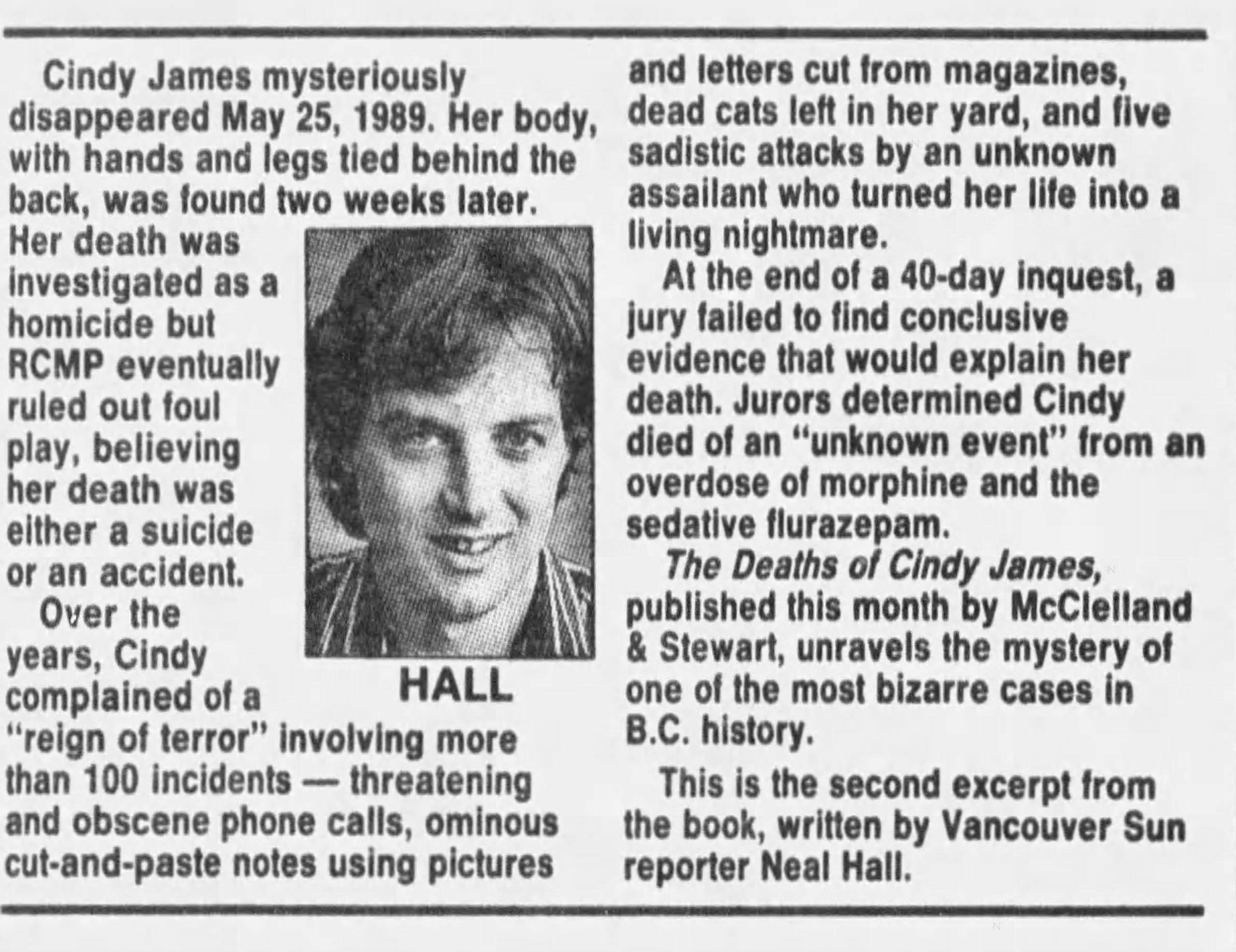
Toxicology results revealed “high levels of morphine” and other sedatives in her system, drugs that could be lethal in sufficient doses; however, no syringes were found at the scene, and the method of administration remained unclear. The combination of physical restraints and overdose made the discovery deeply disturbing and perplexing, complicating any straightforward conclusion of suicide or homicide.
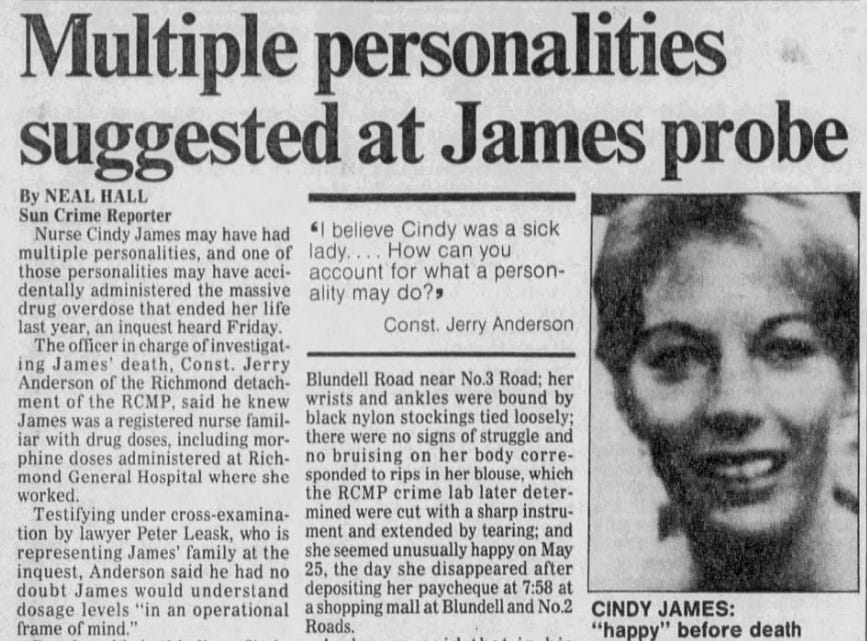
During the coroner’s inquest in 1990, which lasted approximately 40 days, testimony included police officers, forensic specialists, psychiatrists, and Cindy’s family. Some investigators suggested that her past history of mental health concerns and the lack of physical evidence pointing to an outside attacker raised the possibility that Cindy may have staged the events herself.
Her family rejected these conclusions, arguing that Cindy could not have tied herself so precisely while taking lethal drugs, nor could she have created such a threatening scene alone. Ultimately, the inquest ruled her death as an “unknown event”, leaving the case legally unresolved yet closed.
What Happened?
The mysterious and disturbing circumstances surrounding Cindy James’ death have led to different theories.
Some investigators believe Cindy may have administered the lethal dose of morphine herself and attempted to stage the scene to resemble a homicide. Experts demonstrated that it is physically possible to hog-tie oneself, though extremely difficult.
Proponents of this theory point to her long history of anxiety, alleged paranoia, and reported mental health struggles, suggesting that she may have been capable of orchestrating such a complex act. Cindy’s family and many observers rejected this conclusion outright, arguing that it was nearly impossible to bind oneself in such a manner, especially after a fatal overdose, and that the absence of evidence, such as syringes, did not square with the suicide theory.
Those who believe her death was a homicide argue that Cindy was a victim of a stalker she had feared for years, someone who may have planned her death meticulously. They cite her years of harassment, including threatening phone calls, handwritten notes, break-ins, and previous physical attacks, as evidence that a stalker could have escalated to murder.
The body’s positioning, restraints, and abandonment near a property visible from the road are seen by some as indicative of deliberate placement by the killer.
Some experts suggest a more complex explanation, in which Cindy may have experienced real stalking but also developed psychological distress over years of fear. In this view, her death could have involved elements of both: her own actions compounded by external pressures or opportunistic manipulation by an unknown assailant.
Closing Thoughts
To this day, the case of Cindy James remains a flashpoint in discussions about stalking, mental health, victim credibility, and investigative jurisdiction, and it is also one of the most baffling cases in Canadian history.
Was Cindy the victim of a meticulous, unseen stalker who finally took her life? Did she fabricate events and stage her own death in a tragic psychological spiral? Or is the truth a disturbing combination of both, real terror compounded by doubt, fear, and misinterpretation?
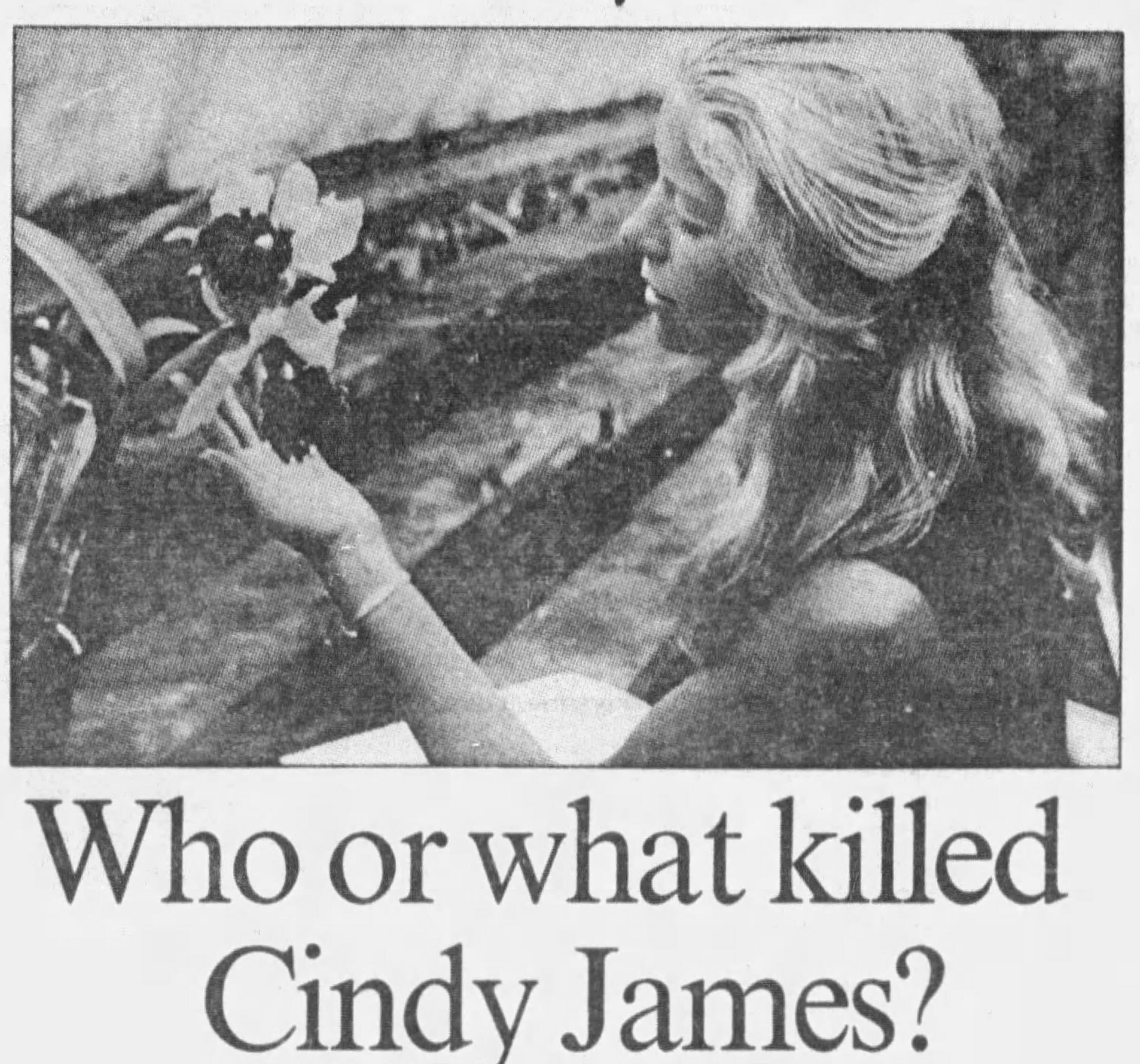
In truth, no one knows for certain, leaving the horrifying mystery to persist and, with it, the debates over whether Cindy James was failed by those who should have protected her or misunderstood by those who should have believed her. The case remains unresolved and deeply controversial, with differing opinions: was she a victim failed by the system, a woman overwhelmed by terror, or both?
In the perplexing and tragic death of Cindy James, no suspect was ever charged, and no definitive explanation for Cindy's death was ever reached. The case remains officially closed.
Sources:
Unsolved Mysteries, https://unsolved.com/gallery/cindy-james/
“The Phantom Stalker - The Cindy James Mystery.” Unsolved Mysteries of The World, 20 January 2019, https://shows.acast.com/unsolved-mysteries-of-the-world/episodes/the-phantom-stalker-the-cindy-james-mystery
Hall, Neal, “The Bizarre Case of Cindy James.” Eve Lazarus, 7 June 2024,https://evelazarus.com/the-bizarre-case-of-cindy-james
“Under Siege”: The Troubled Life and Debated Death of Cindy James.” 18 June 2023, https://thethreepennyguignol.com/2023/06/18/under-siege-the-troubled-life-and-debated-death-of-cindy-james/
“The Mysterious Death of Cindy James: A Case That Defies Explanation.” 10 Minute Murder, 21 January 2025, https://www.10minutemurder.com/blog/the-mysterious-death-of-cindy-james-a-case-that-defies-explanation/
Unsolved Mysteries Wiki, https://unsolvedmysteries.fandom.com/wiki/Cindy_James
this is such a fascinating case because i feel like it really could be her staging everything but could equally be someone else's doing. whenever i think about ellen greenburg my mind also wanders to the case. it's difficult to believe that investigators really did their best work since they already had preconceived ideas about her mental health.
She had a haunting beauty. Rest in peace Cindy.