


Background
Even within the disturbing world of true crime, there is something deeply unsettling about the unknown. Whether we are talking about missing persons cases or unidentified criminals, our minds instinctively yearn for resolution. When we are left with unanswered questions, we struggle to find closure and make sense of what has happened.
The term serial killer often brings to mind notorious individuals such as Ted Bundy, Gary Ridgeway, or Dennis Rader. These men were unmasked and exposed as the monsters they were. However, in the cases of Ridgeway and Rader, it took decades before they were identified and arrested. For years, they were known only as the Green River Killer and BTK Killer, respectively.
Luckily, through the efforts of law enforcement as well as the arrogance and reckless behavior of the killers, they were eventually brought to justice. However, over the years, there have been several serial killers who were never caught or even identified. One of the most famous examples is the elusive Jack the Ripper, who stalked and murdered sex workers during the late 1880s in the infamous Whitechapel slums of East London.
Though speculation about his identity continued over the years, he was never positively identified. Another lesser-known serial killer who was active a few decades after the Ripper was a mysterious figure known as “Billy the Axeman.” Discrepancies arise about the number of victims and the years that the killer was active, with the conservative estimate at 24-30 victims and being active primarily between 1911 and 1912.
Some estimates place the victim count closer to 100, which would make him one of the most prolific serial killers in American history. Whatever the actual number is, the killer’s identity was never discovered, and his story is one of tragedy and senseless violence.
“The Man From the Train”
In 2017, Bill James and his daughter, Rachel McCarthy James, published their book The Man from the Train. The authors conducted extensive research into the string of axe murders that occurred in the early 1900s.
Their investigation began with the most well-known case, the Villisca Axe Murders. Based on the murderer’s ability to successfully murder eight victims in a small home without rousing the neighbors, Bill suspected that the killer was very experienced. After additional research, he found similar cases in old newspaper articles and brought Rachel on to assist in the research.
Through their research, the pair uncovered a pattern of similar murders dating back to 1898. They focused on murders that aligned with the M.O. of their suspect, and by comparing the timelines, they identified and isolated family murders that were likely perpetrated by the same killer. After mapping the timelines and suspected murders, they were unable to identify any murders between 1906 and 1909 definitively.
Their book theorizes that the suspect may have been in prison during this period. From 1900 to 1910, they identified eleven cases that they confidently believe can be attributed to a single suspect, along with thirteen additional cases that seem highly probable.
Unsolved Murders
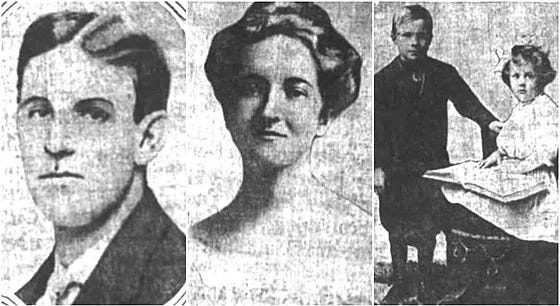
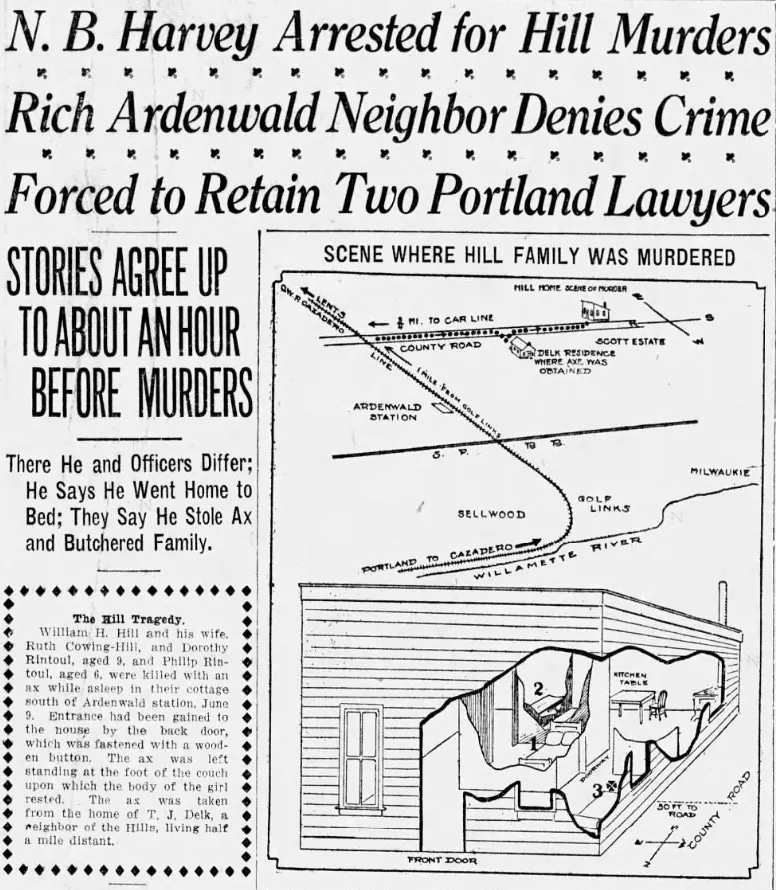
On the night of June 9th, 1911, William and Ruth Hill, along with Ruth’s two children, Philip and Dorothy, were brutally murdered during the night in their family home in Ardenwald, Oregon. All four victims had been murdered in their beds, and the murder weapon — a bloodied axe — was left behind. Following the murders, the perpetrator had moved the victims’ bodies and covered them with sheets or blankets.
Ruth and her daughter showed signs of sexual assault postmortem. The windows of the family home had been covered by the murderer, who hung cloth to conceal the horrors within. The family’s neighbor, Nathan Harvey, was initially charged with committing the murders, but he was absolved and acquitted the following year.
Exactly one month later, in Rainier, Washington, Archie and Nettie Coble were attacked in the middle of the night. Again, the couple had been murdered in their beds with the blunt side of an axe, and Nettie was assaulted postmortem. The bodies were also moved after death, and Archie’s face was covered. Given the similarity in M.O. to the Hill family murders, the authorities and press speculated that the cases were connected.
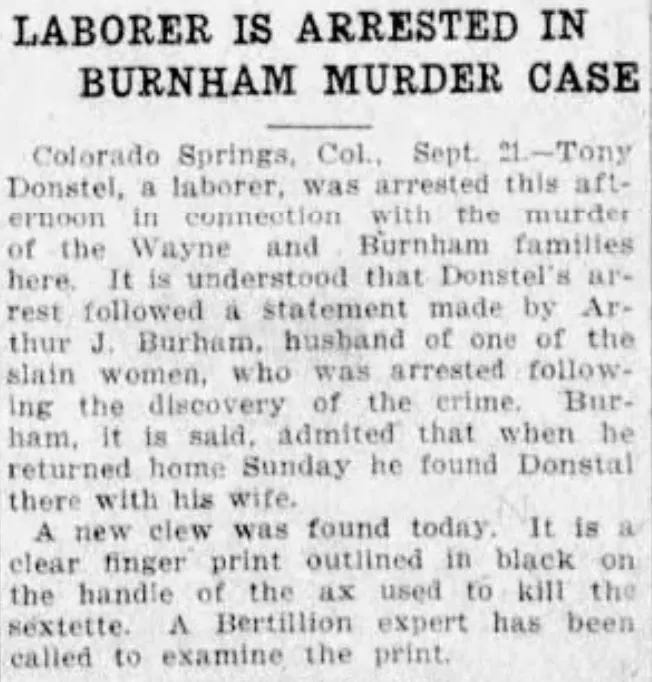
The killer or killers appeared to go quiet for some time, but the deadly spree was far from over. On the night of September 17th, 1911, the Burnham and Wayne families were attacked in Colorado Springs, Colorado. May Burnham, along with her children Nellie and John, were murdered. Both families had been attacked with the blunt end of an axe; their bodies moved after death, and sheets covered their faces.
Once again, the killer had taken care to cover the windows at some point before or after the murders. The houses were located next door to one another. As with the previous murders, there was no evidence of robbery, and valuables were left undisturbed in the homes.
Though some initially believed there could be multiple murderers in action, many came to suspect a single suspect. Many speculated that the murderer might be traveling via train, which would explain how he was able to navigate between locales and disappear with ease.
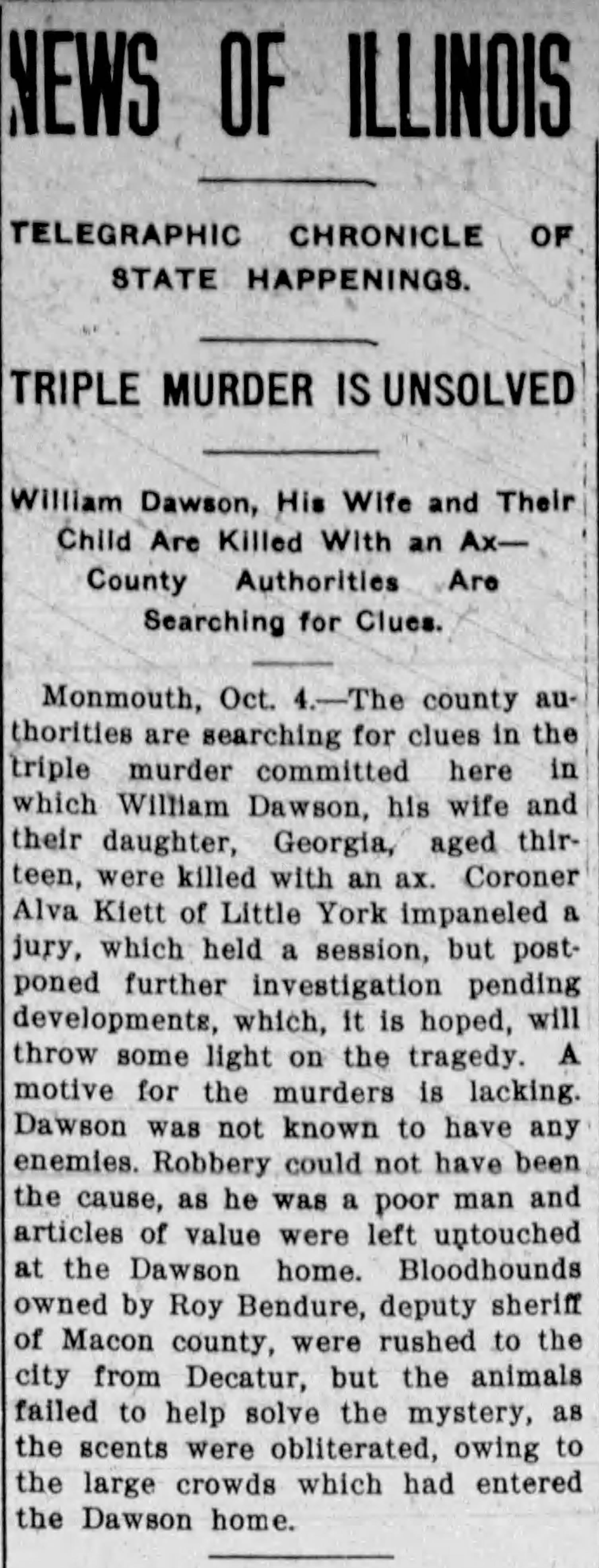
On September 30th, the Dawson family was murdered in Monmouth, Illinois. William, his wife, and their twelve-year-old daughter Georgia lived near the railroad line, and they were discovered by members of First United Presbyterian Church when William did not turn up for his janitor shift at the church.
The entire family had been bludgeoned in their beds with a blunt object. The windows were covered, the bodies were moved, and the victims were draped with sheets or blankets. However, unlike the previous killings, the weapon used to kill the Dawson family turned out to be a gas pipe, which authorities found discarded near a railroad line.
Some weeks later, police found a small flashlight in the area, which bore the inscription “Colorado Springs” and the date of “Sept. 4, ’11.” Given the double murders that had occurred earlier that month in Colorado Springs, this lends strongly to the theory that a single suspect was traveling by train and committing these horrific and gruesome murders.
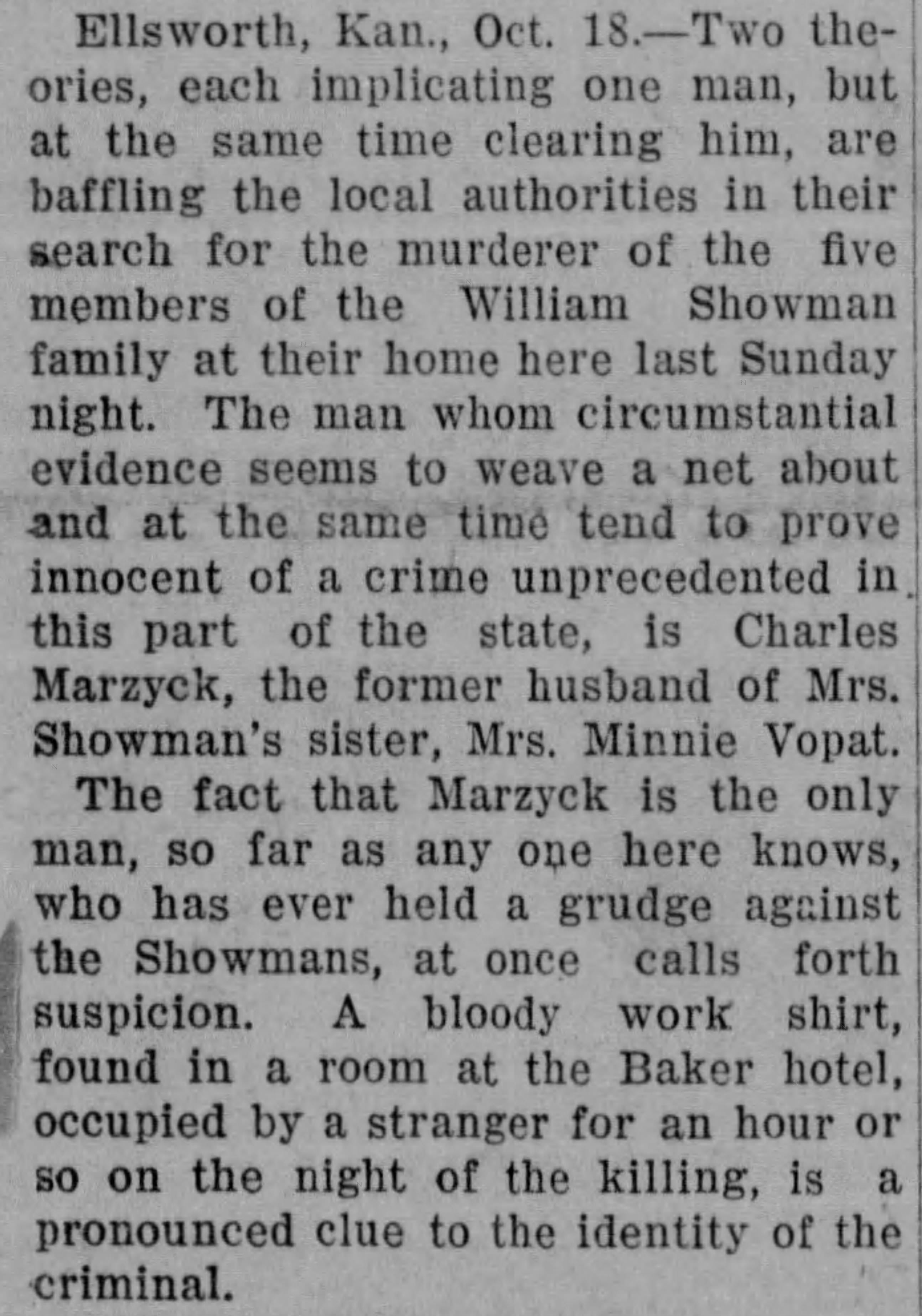
On the night of October 16th, 1911, in Ellsworth, Kansas, William and Pauline Showman, along with their young children Lester, Fern, and Fenton, were murdered in their home with the blunt end of an axe. The family home was located near a railroad line. Once again, all the windows had been covered, and Pauline’s body had been staged in a provocative manner. There was no indication of robbery.
“Billy the Axeman”
Bloodhounds were able to trace the killer’s scent to an intersection of two railway lines, after which the trail went cold. The press was convinced that this was the work of a lone traveling killer and dubbed him “Billy the Axeman.”
Billy the Axeman seemingly took a brief hiatus from killing but returned to his murderous ways the following year. On June 5th, 1912, a young couple was murdered in Paola, Kansas. Rollin and Anna Hudson had recently moved to the area, and when Rollin did not report to work the following day, neighbors forcibly entered the home.
They found Rollin and Anna with severely crushed skulls, the damage caused by repeated blows with a blunt weapon. The screen of a window at the back of the house had been pried off, and the bodies of the victims were covered.
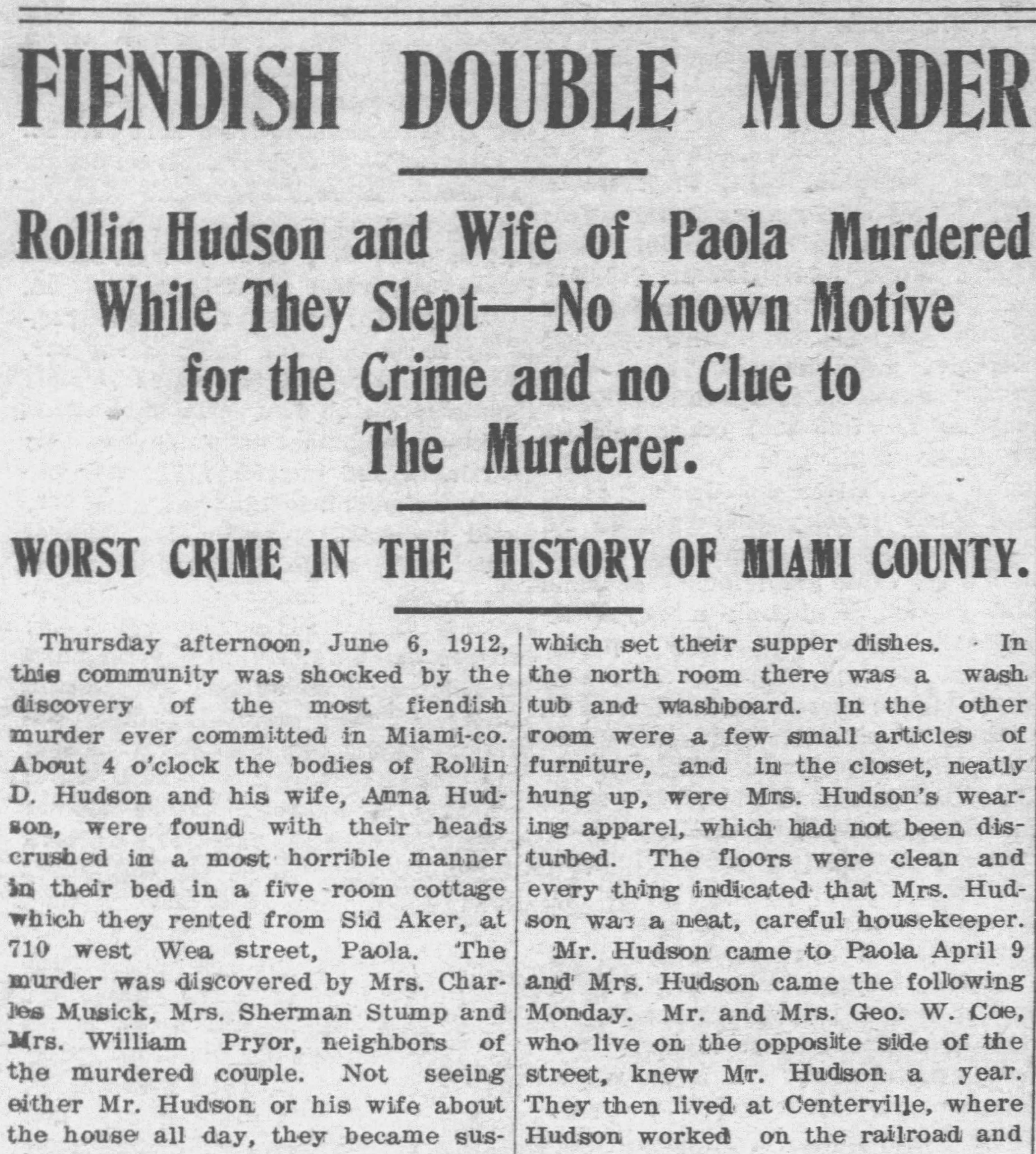
Nothing was stolen from the home. The same night, someone had pried the screen from a window in the Longmeyer family’s home and climbed inside. Mrs. Longmeyer awoke to the sound of breaking glass, and upon being discovered, the suspect fled. The Hudsons and the Longmeyers lived near the intersection of two railway lines.
The Villisca Axe Murders
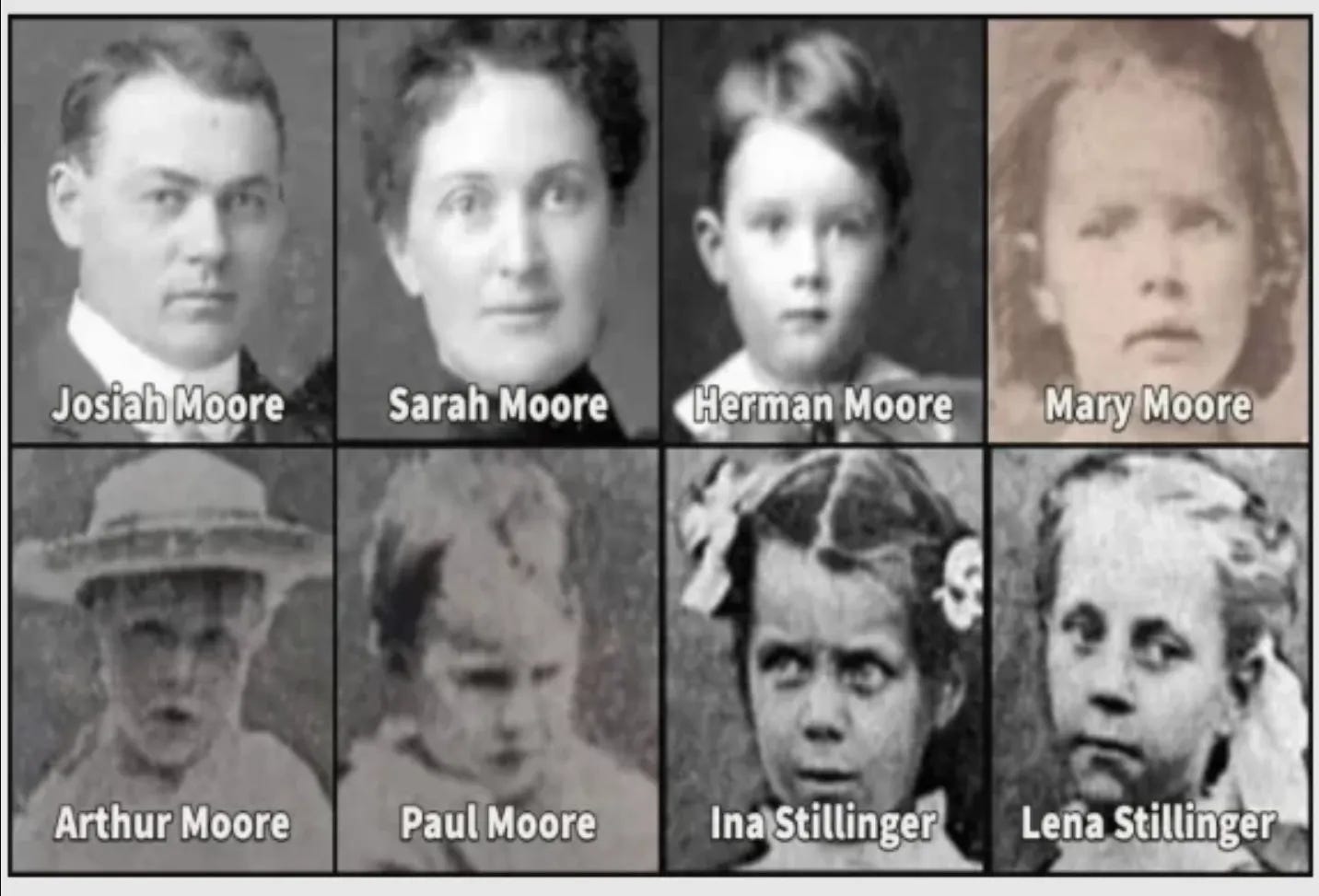
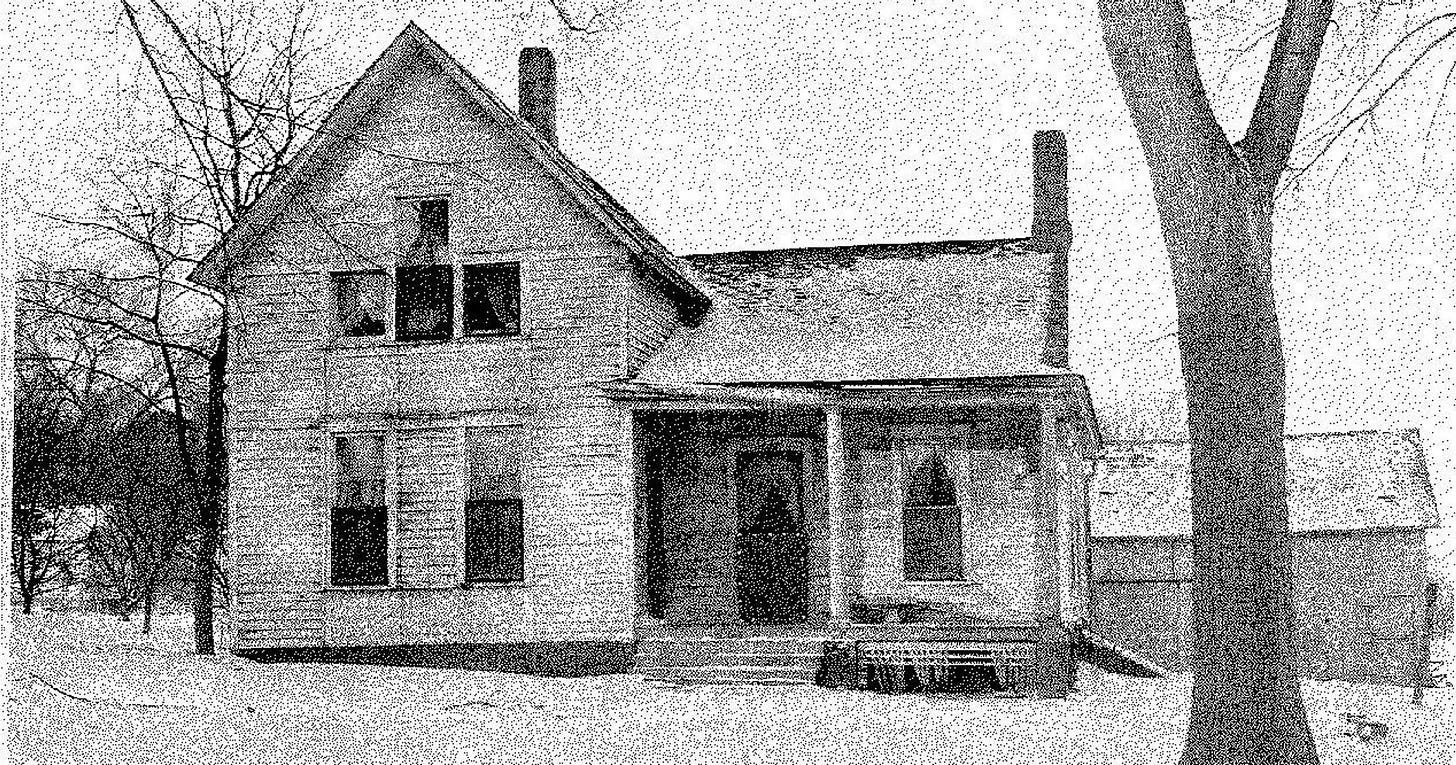
Perhaps the most famous incident involving an axe murderer is the case of the Villisca Axe Murders. On June 9th, 1912, the Moore family was killed in their home in Villisca, Iowa. Josiah and Sara Moore had four children: Herman, Mary Katherine, Arthur Boyd, and Paul.
On the night of the murders, Lena and Ina Stillinger, ages eleven and eight, were having a sleepover at the Moore house. All eight people were brutally murdered in the middle of the night.
On the morning of June 10th, neighbors grew worried when they hadn’t seen anyone come out of the Moore house. A concerned neighbor alerted Josiah’s brother Ross, who immediately came to investigate. What he found was horrific. He discovered his brother, sister-in-law, nieces and nephews, and the Stillinger girls all dead inside the home.
Henry Horton was Villisca’s local law enforcement officer and the first to arrive at the crime scene. Horton conducted a full search of the house, where he found the bodies of Josiah and Sarah and their four children: Herman, 11; Mary, 10; Arthur, 7; Paul, 5; as well as the two Stillinger sisters.
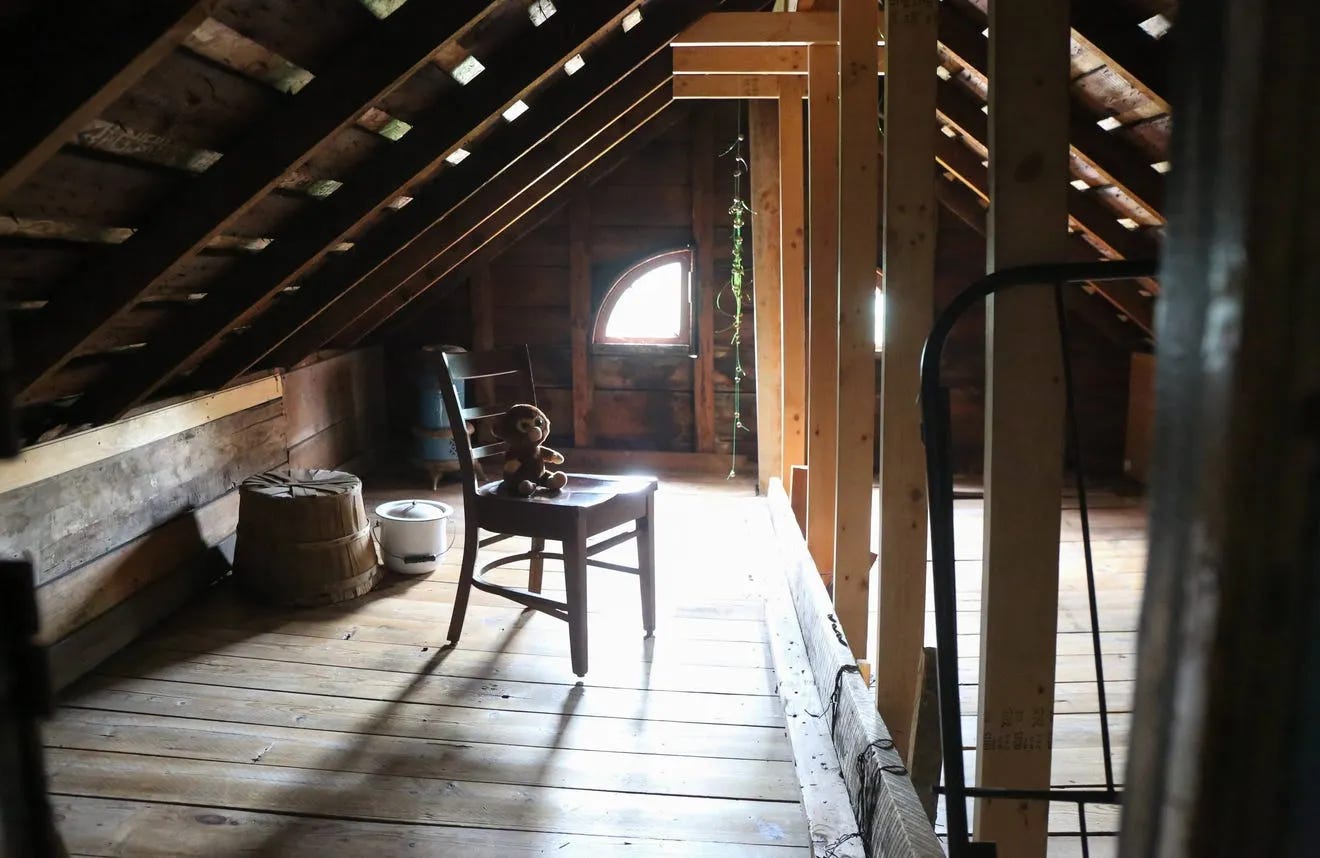
The bodies of each victim had been so brutally bludgeoned that their faces were described as being ‘beaten to a bloody pulp.’ The murderer had used an axe on each of the victims, which was found in the guest bedroom, propped up against the wall. Strangely, the killer only used the axe blade on Josiah whilst using the handle to bludgeon the rest of the family and the Stillinger sisters.
Josiah had also received the most blows, totaling around 30, and the assailant had done this with such ferocity that there was a gauge mark in the ceiling above Josiah’s body. His face was so severely mangled that he was virtually unrecognizable. This has led to some speculation that Josiah’s murder may have been personal and committed by someone he may have known.
In addition to covering the victims and the windows, all the mirrors in the home were also covered. As with the previous murders in Kansas, the suspect had lit a lamp, removed its chimney, and put it under a piece of furniture.
Once again, nothing of value was taken from the family home. Lena Stillinger was posed in a similar manner to Pauline Showman, one that showed a sexual motivation for the crime. Based on evidence left at the scene, it appeared that the killer had not directly sexually violated Lena’s body but that he may have engaged in a sexual act after posing her. Police used bloodhounds to track the killer’s scent, and once again, the trail went cold at the intersection of two railway lines.
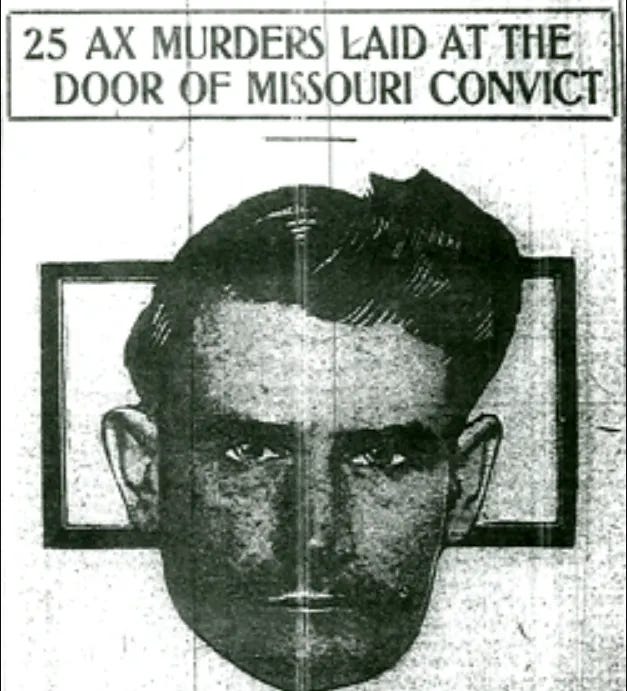
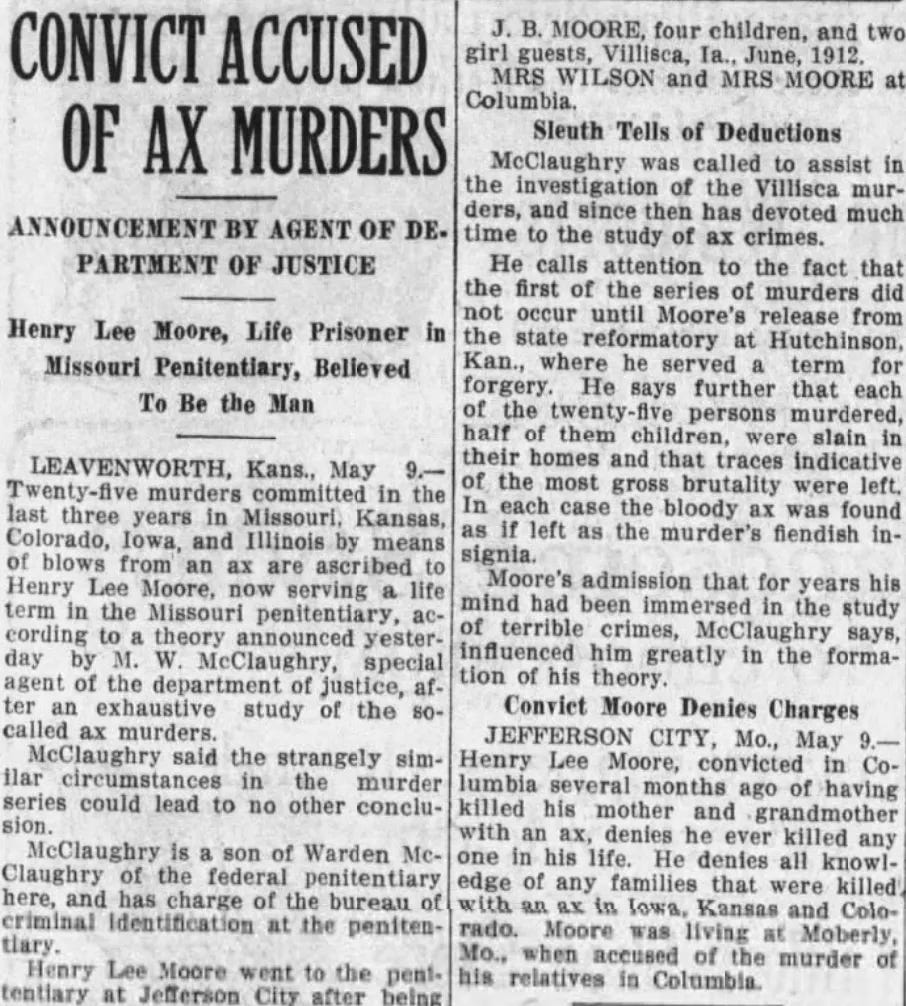
Though several suspects were investigated, including Henry Lee Moore (no relation), who was convicted for the brutal axe murders of his mother and grandmother in December 1912, just six months after the Villisca murders, no one was ever convicted of the killings.
Possible Connected Murders
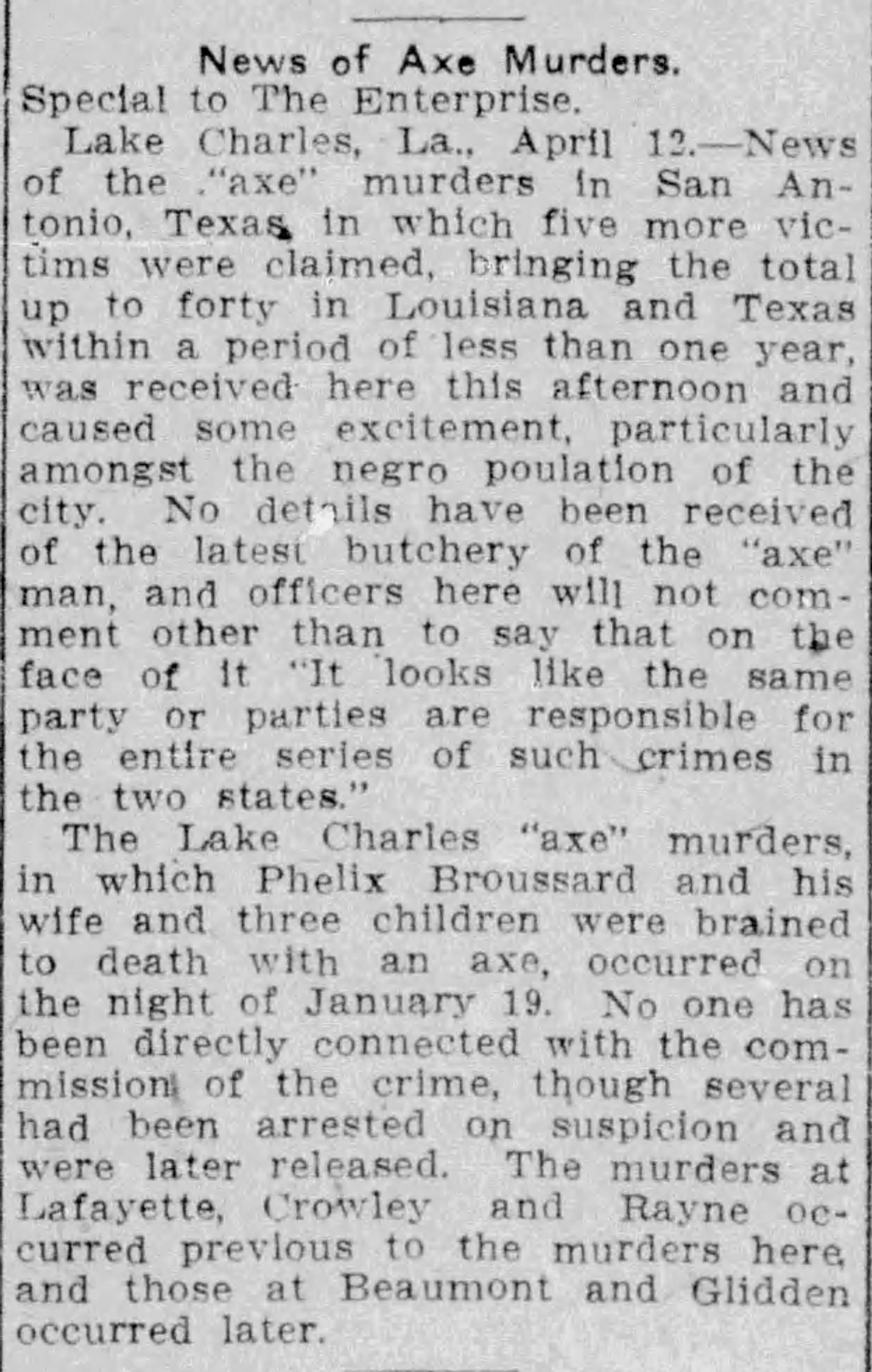
Between the years 1911 and 1912, Texas and Louisiana were plagued with numerous unsolved axe murders. The M.O. was similar to the Midwestern cases, with families living close to railways being attacked at night with no indication of robbery.
The number of murders is disputed, but most sources agree that there were thirteen families attacked, with a total of 49 victims killed. However, the killings differed in one major way: the Midwestern murders only involved white families, whereas the Texas and Louisiana victims were all black or of mixed race. The press referred to this series of murders as the “Mulatto Axe Murders.”
Author Todd C. Elliott published his work in 2015, asserting that a single murderer was responsible for both the Midwestern murders and the Mulatto Axe Murders. His primary rationale was the similarity in M.O. and the fact that the gaps in the Midwestern murders coincide with the periods of murders in Texas and Louisiana.
However, many speculate that the Mulatto Axe Murders may have been the work of a copycat. At the time of the murders, the term “serial killer” had not yet been coined; if the Midwestern murders and Mulatto Axe Murders were the work of a single individual, he would have been an extremely prolific serial killer indeed.
Potential Suspects
In addition to Henry Lee Moore, who eventually served 36 years in prison for the murders of his mother and grandmother, another potential suspect was a German immigrant named Paul Mueller.
In their 2017 book The Man from the Train, Bill James and Rachel McCarthy point to numerous similarities among the cases they studied. They believe the same killer was responsible for the Villisca Axe Murders but that he only perpetrated one of the Mulatto Axe Murders, while the rest were the work of copycats.
The authors believe that the killer was a sexual sadist with an affinity for young girls, which is consistent with the evidence left in the murders, including the fact that the young girls appear to have been killed last, and some of these victims had defensive wounds. The authors believe the killer was a German immigrant by the name of Paul Mueller.
While it was difficult to gather information on Mueller, Bill and Rachel were able to find some documentation. Mueller claimed to be a veteran of the German military and would have been in his mid-thirties around the start of the murders. He was a talented carpenter and often worked as a lumberjack, which would explain his adeptness with an axe. Mueller was short with a very muscular build, giving him both the strength to commit violent murders with a heavy weapon as well as the stature to climb through windows.
The Jameses also suggest Mueller may be responsible for the infamous Hinterkaifeck Farms case. On March 31st, 1922, the six victims were murdered on the family farm just north of Munich, Germany. The killer had murdered all six victims with an axe, and several of the bodies were stacked in the barn.
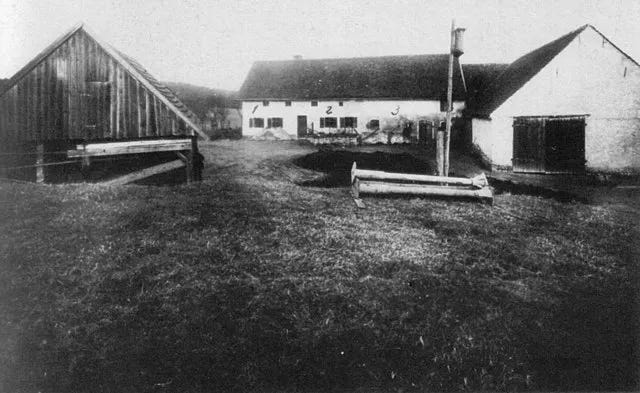
It is one of the most horrific and confusing cases in Germany’s history, and the case remains unsolved. Bill and Rachel theorize that Mueller fled the country following the conclusion of the Midwest murder spree in 1912 and that ten years later, he slaughtered the Gruber family in his home country.
Closing Thoughts
The story of “Billy the Axeman” and the trail of unsolved axe murders remains one of the most disturbing episodes of the early twentieth century. Many questions remain unanswered. Was a single individual responsible for all of the murders? What, if any, was the motivation for these seemingly random and senseless murders? Though researchers have provided some interesting theories, it is likely that these questions will never truly be answered.
Sources:
“Massacres, Trains, and Iowa: Connecting the 1912 Villisca Axe Murders to a Cross-Country Serial Killer.” Massacres, Trains, and Iowa: Connecting the 1912 Villisca Axe Murders to a Cross-Country Serial Killer | Lecture Series | Iowa State University, https://www.news.iastate.edu/news/authors-dig-villisca-iowa-ax-murders-upcoming-lecture
Dash, Mike. “The AX Murderer Who Got Away.” Smithsonian Magazine, 8 June 2012, www.smithsonianmag.com/history/the-ax-murderer-who-got-away-117037374/
Larsen, Lawrence H. & Atkinson, David N. “The Villisca Axe Murders: A Review Essay.” The University of Iowa, https://pubs.lib.uiowa.edu/annals-of-iowa/article/6639/galley/115418/view/
Cstleman, Lora. “111 years later: Investigating the Villisca axe murders.” 5 News Online, 4 Sept. 2023 (Updated 6 Sept. 2023), https://www.5newsonline.com/article/news/crime/true-crime/5news-villisca-axe-murders-111-years-later/527-a904613f-f933-4450-a3e6-2bc284feb970
Lybarger, Jeremy. “An Aneurism of Axe Murders: On ‘The Man from the Train’.” The Millions, 9 Oct. 2017, https://themillions.com/2017/10/an-aneurism-of-axe-murders-on-the-man-from-the-train.html